What a Steel Plant Conveyor Idler Does on the Line
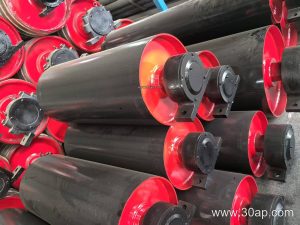
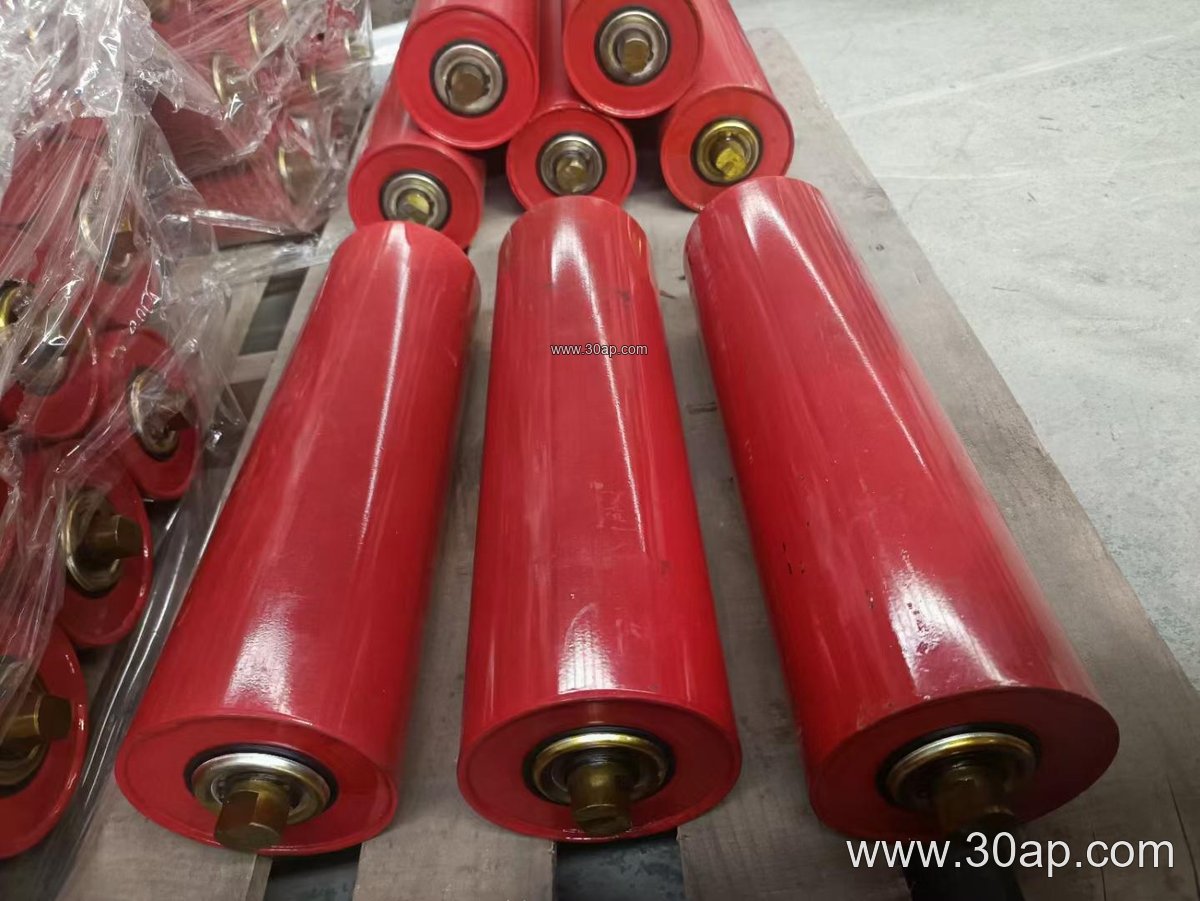
A steel plant conveyor idler is the rotating support that carries the belt and the load along a sinter, coke, ore, or finished-product route. In a steel plant, belts move hot sinter, abrasive iron ore, limestone, coke breeze, and mill scale, so the idler has to keep the belt tracking while resisting dust, heat, and heavy impact. The idler roller itself is usually a steel tube fitted with bearings and a shaft, mounted in a frame or conveyor bracket. It is not a conveyor pulley; drive, tail, and bend pulleys transmit power and change belt direction, while idlers simply support the belt between those points.
Construction Details That Matter
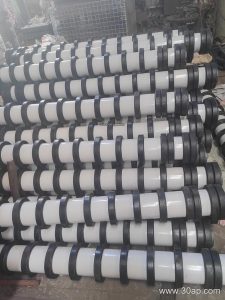
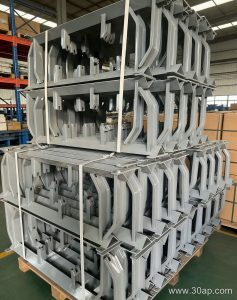
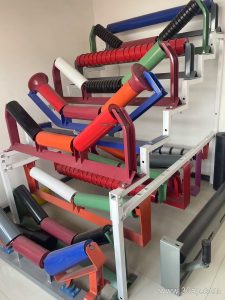
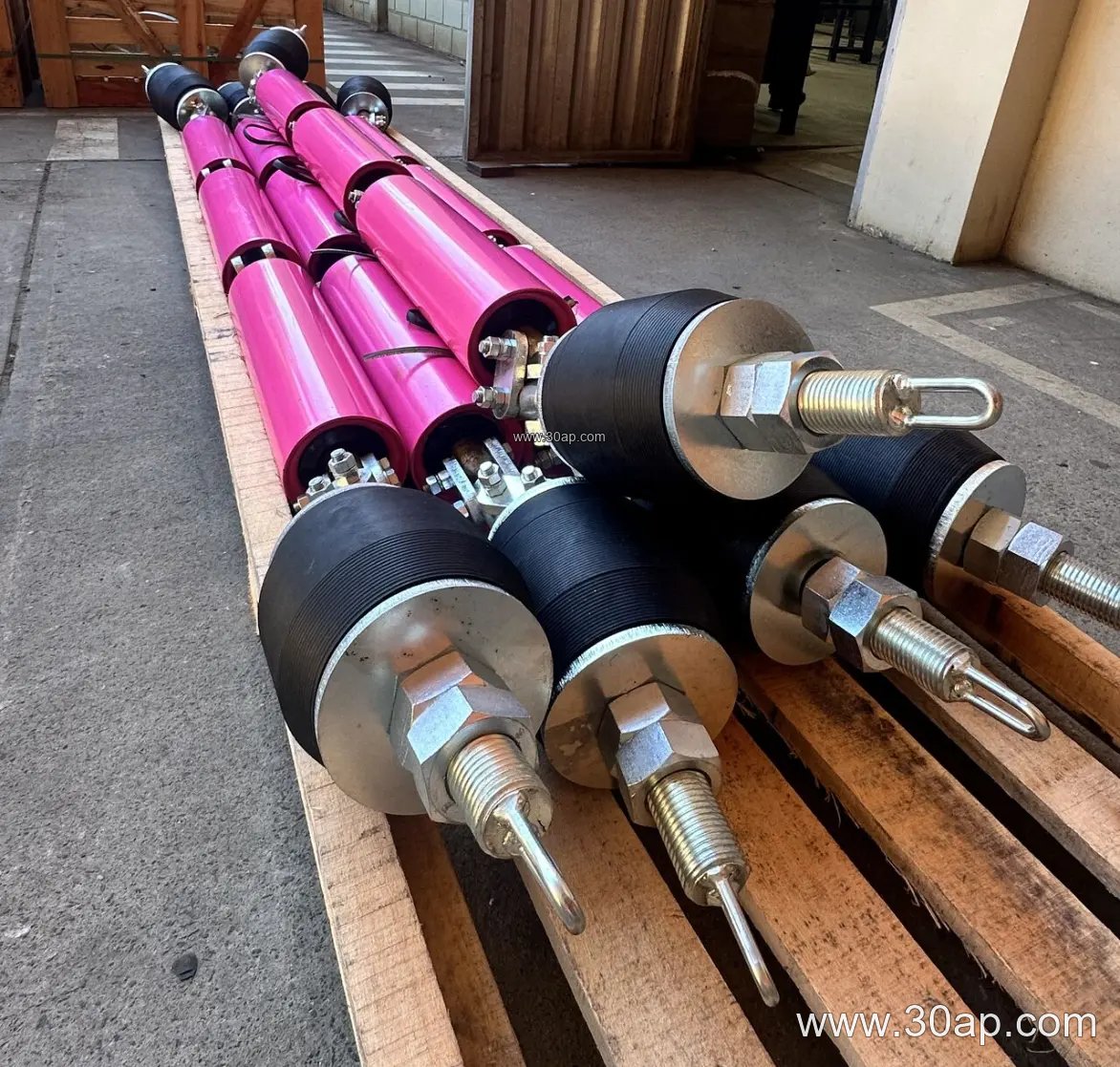
Most steel plant conveyor idlers use a steel tube shell, welded end caps, a through shaft, and sealed bearing housings. Bearing protection is often the deciding factor: fine sinter dust and mill scale penetrate poor seals quickly, so labyrinth seals and adequate grease space are worth checking. Roller surfaces can be plain steel, nylon, ceramic, or rubber rings. Rubber-ring impact idlers are common under crusher discharge and transfer chutes, while plain steel rolls suit long clean runs.
- Troughing idlers in two- or three-roll arrangements hold the belt in a trough shape.
- Return idlers support the empty belt; V-return and spiral types help shed sticky material.
- Impact idlers with rubber rings absorb shock at loading points.
- Self-aligning idlers correct belt wander on long conveyors.
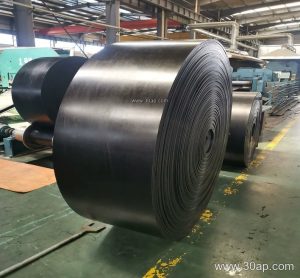
The belt itself also influences idler choice. A heavy-duty mining conveyor belt or abrasion resistant conveyor belt running at high tension needs sturdy rolls and correct spacing, while a heat resistant conveyor belt on a sinter line may need heat-tolerant idler positions and careful clearance.
Common Sizes and Arrangements
Idler diameter and belt width are selected together with load, speed, and trough angle. The table below shows typical reference values, not fixed matches; final sizing is confirmed by the conveyor designer.
| Parameter | Common reference values |
|---|---|
| Roller diameter | Ø63, Ø76, Ø89, Ø102, Ø108, Ø127, Ø133, Ø159, Ø178, Ø194, Ø219 mm |
| Belt width | B400, B500, B650, B800, B1000, B1200, B1400, B1600, B1800, B2000, B2200, B2400 |
| Trough angle | 20°, 30°, 35°, 45° |
| Roller surface | Steel, nylon, ceramic, rubber ring |
| Bearing reference | 6204, 6205, 6305, 6306, 6308, 6310 |
Roll length changes with belt width, trough angle, and roll position. For a three-roll troughing set, common roll lengths are roughly 200 mm at B500, 250 mm at B650, 315 mm at B800, 380 mm at B1000, 465 mm at B1200, 530 mm at B1400, 600 mm at B1600, 670 mm at B1800, and 750 mm at B2000. Side rolls and center rolls can differ, so these are examples rather than fixed pairings. A 1200mm wide conveyor belt and a 1800mm wide conveyor belt will not share the same idler set.
Where These Idlers Are Used
Steel plants are the main setting, but the same idler designs appear in a sinter plant, coke oven battery, pelletizing line, and the raw material yard. Similar units serve a coal mining conveyor belt, a quarry conveyor belt, and a cement plant conveyor belt. In a power plant coal yard, flame retardant conveyor belt grades are often specified, and the idler seals must cope with coal dust. In a port or ship loading conveyor belt system, corrosion resistance and smooth rotation matter more than impact strength.
Buyer Checklist
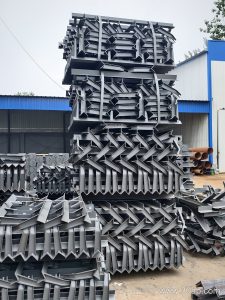
Before ordering, confirm belt width, trough angle, roll diameter, roll length, shaft end type, and mounting bracket dimensions. Ask how the bearing housing is sealed and whether the roller is balanced for the intended belt speed. Check that the frame fits the existing conveyor bracket rather than assuming interchangeability. For hot material, verify clearance and any heat protection. For sticky material, consider spiral or rubber-disc return rolls. Matching the idler to the actual duty, rather than to a catalog headline, keeps the line running and protects the belt.