What a Belt Conveyor Impact Idler Does at the Loading Point
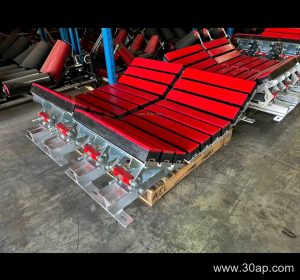
A belt conveyor impact idler is a special type of carrying idler installed directly beneath the loading zone, where coarse rock, clinker or ore drops onto the belt with considerable force. Unlike a standard troughing idler, which supports the belt along its normal run, the impact idler is built to absorb and spread the shock of falling material. In a quarry, a belt conveyor impact idler often sits under the crusher discharge chute; in a coal handling system it may be found where coal from a stockpile feeder hits the belt. The goal is simple: protect the conveyor belt, keep the belt line stable, and reduce the chance of damage at the point of greatest stress.
How the Impact Idler Is Built
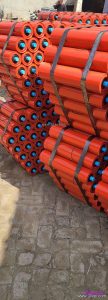
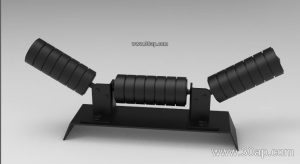
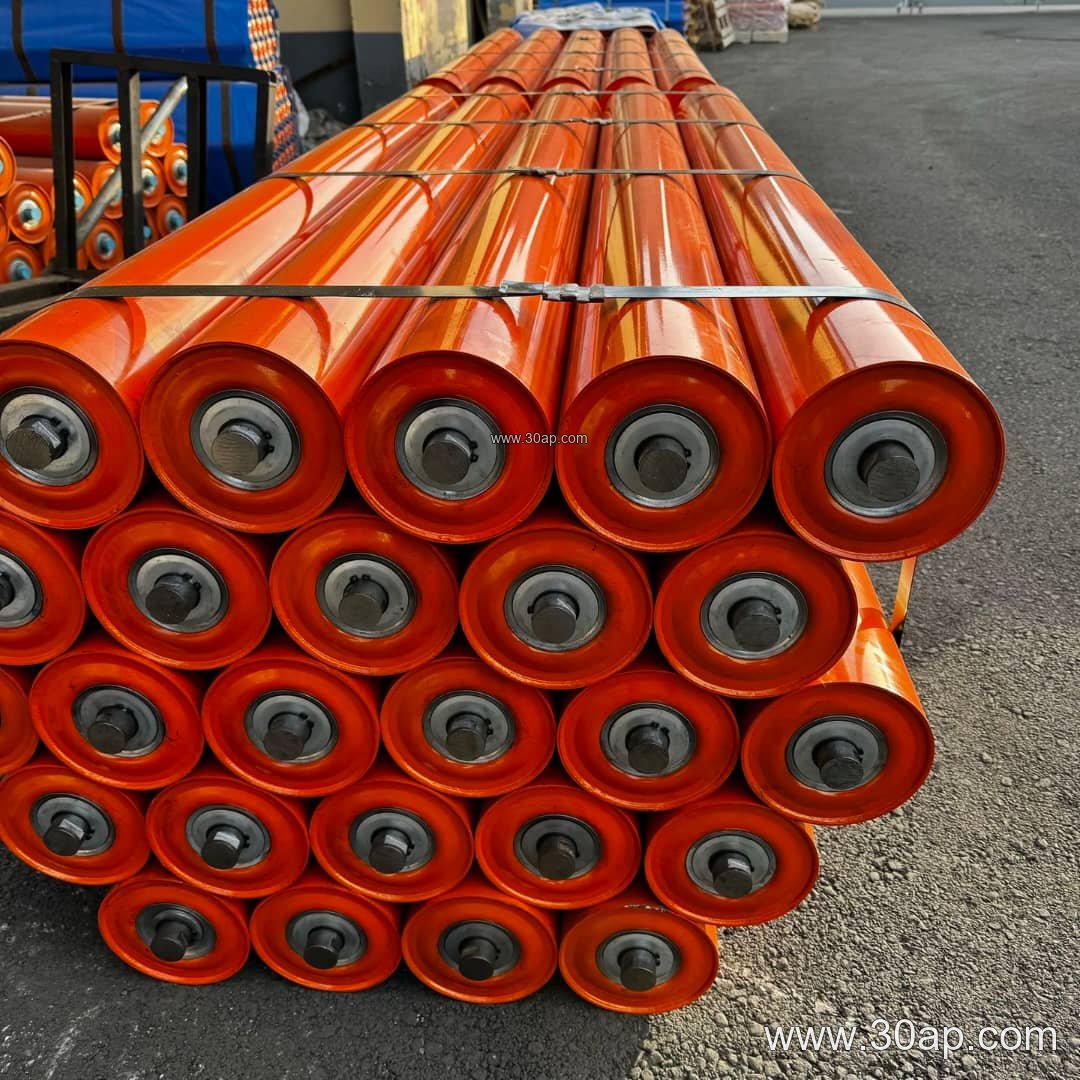
The core of this idler is a heavy steel tube, usually fitted with a thick rubber ring or a set of rubber discs along the roller face. The rubber layer cushions the blow from large lumps and prevents the belt from being pinched between falling material and a hard steel surface. Inside, the bearing arrangement is selected to carry radial loads and resist dust. Common bearing sizes include 6204, 6205, 6305, 6306, 6308 and 6310, but the correct bearing depends on the roller diameter, load and speed rather than on belt width alone. Roller diameters for impact idlers are often in the range of Ø89, Ø108, Ø127, Ø133, Ø159 or Ø178 mm, with some heavy-duty stations using larger sizes.
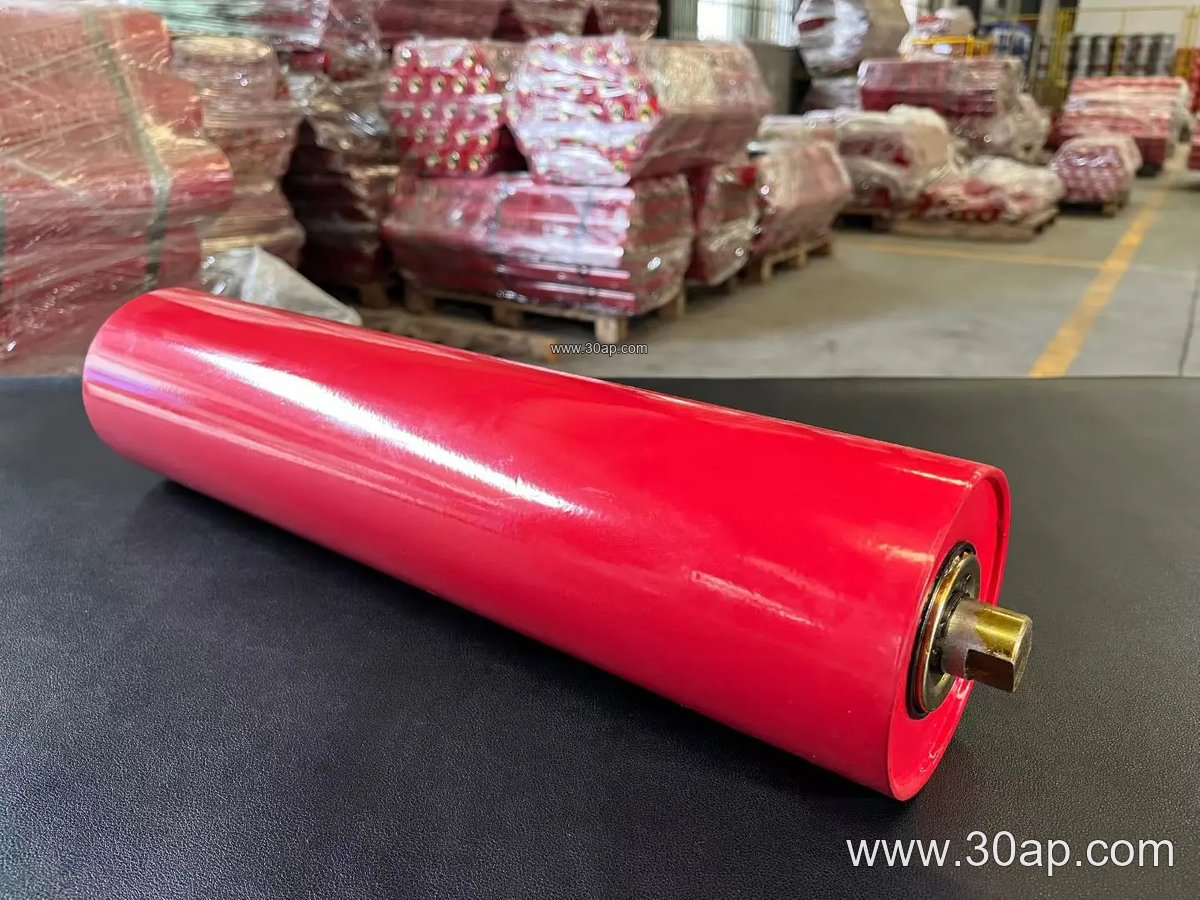
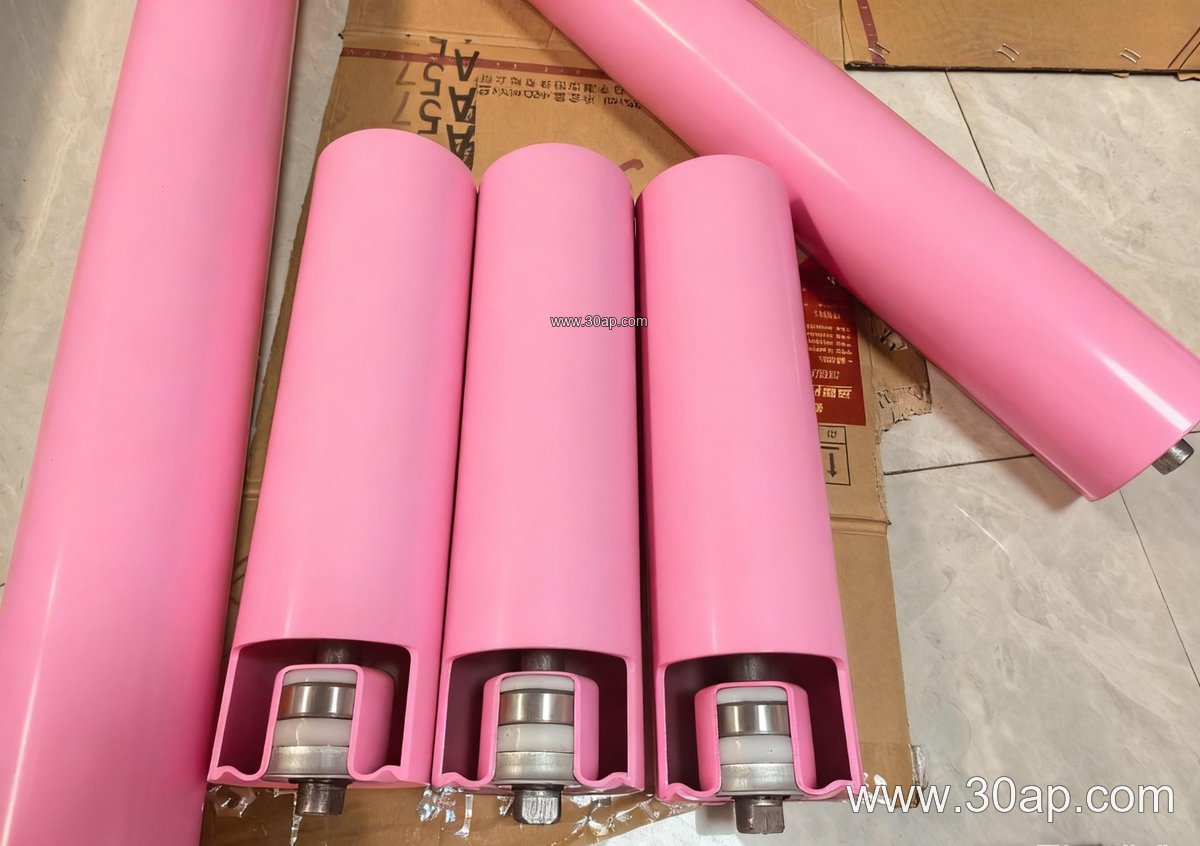
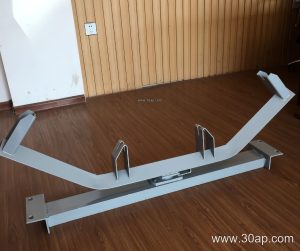
Impact idlers are usually arranged in a troughing set, with two or three rolls. The trough angle may be 20, 30, 35 or 45 degrees, and the idler length changes with belt width and trough form. For example, a three-roll troughing set commonly uses idler lengths such as 200 mm for B500, 250 mm for B650, 315 mm for B800, 380 mm for B1000, 465 mm for B1200 and 530 mm for B1400. These are reference examples only; side rolls and center rolls can differ, and the actual layout should follow the conveyor design. The supporting frame, often called a conveyor bracket, should be rigid enough to hold the idler set in alignment under repeated impact.
Where It Fits in the Conveyor Line
The belt conveyor impact idler belongs to the carrying side of the conveyor, close to the feed point. It is not a substitute for a conveyor pulley, whether that pulley is a drive pulley, tail pulley or bend pulley. Those pulleys transmit power and change belt direction; the impact idler only supports and cushions the belt. Likewise, a return idler or a training idler serves a different function. If the load contains sharp, heavy lumps, the impact idler is the appropriate choice for the loading area, while standard troughing idlers can carry the belt further along the line.
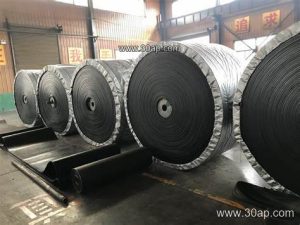
Typical applications include limestone and iron ore mines, coal preparation plants, cement kilns and clinker lines, power plant coal yards, sand and aggregate plants, and port bulk terminals. In these settings, the belt itself may be a heavy-duty mining conveyor belt, a flame retardant conveyor belt for underground coal mining, a heat resistant conveyor belt near hot material, or an abrasion resistant conveyor belt for sharp rock. The impact idler works alongside these belts rather than replacing proper belt selection.
Selection Points for Buyers
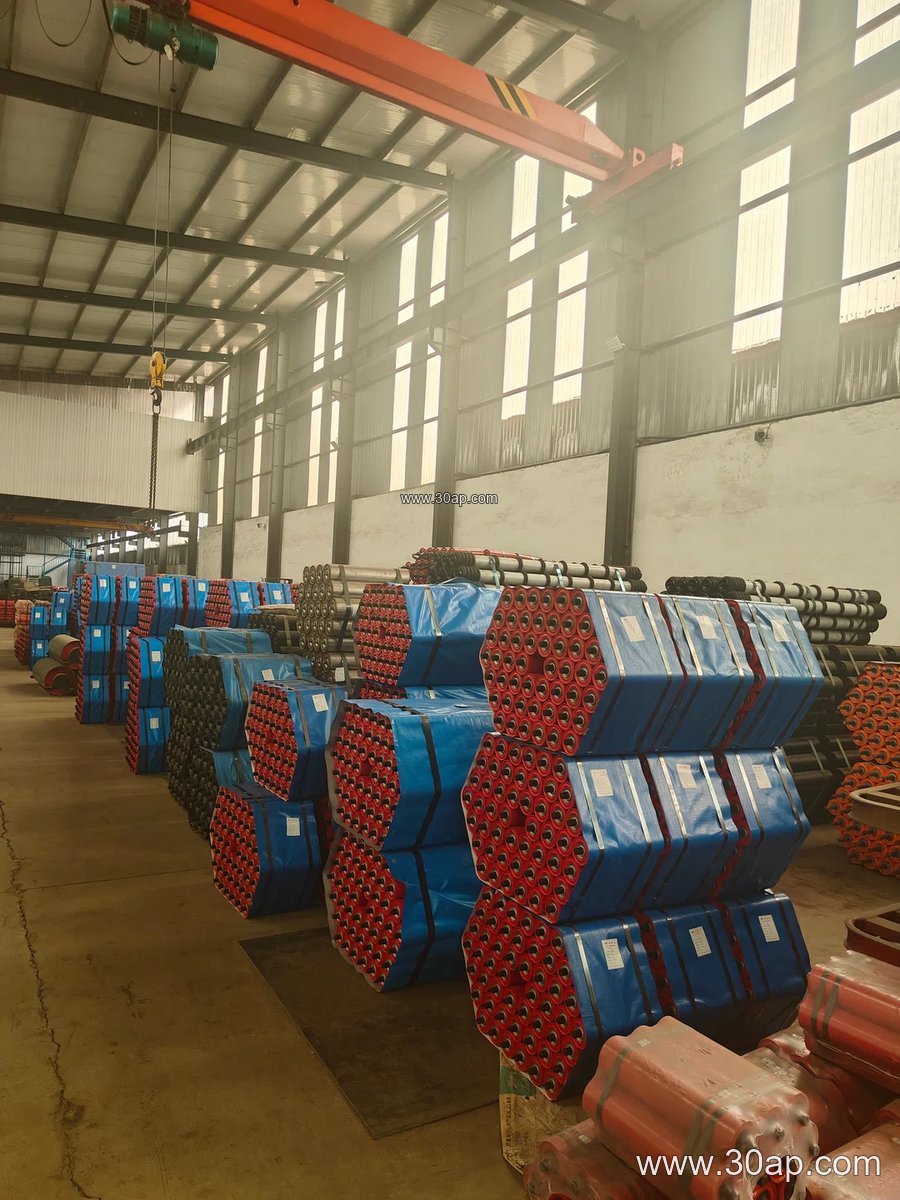
Buyers should match the impact idler to the material lump size, drop height, throughput and belt width. A larger drop or heavier lump calls for a thicker rubber cushion and a stronger roller body. The idler diameter should be chosen with the belt speed and load in mind, and the bearing should suit the duty cycle. Sealing quality matters in dusty plants, because fine dust entering the bearing is a common cause of early failure. The roller surface may be plain steel, rubber-covered or fitted with rubber rings; for impact service, rubber rings are the usual choice. A buyer should also confirm the trough angle and the mounting dimensions of the conveyor bracket so that the idler set fits the existing frame.
Maintenance and Operational Notes
Inspect impact idlers at the loading zone more often than ordinary carrying idlers. Look for worn or cracked rubber rings, loose bearing seals, a wobbling roller or material buildup under the belt. Replace damaged rings before the steel body contacts the belt. Keep the chute and skirt area clear so that material does not trap the belt against the idler. If the conveyor uses a corrugated sidewall conveyor belt or a chevron conveyor belt, check that the cleats or sidewalls clear the idler set during operation. For more information on matching idlers, belts and pulleys, visit beltconveyoridler.com and review the conveyor accessory pages before ordering.