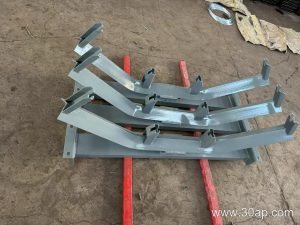
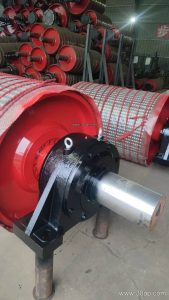
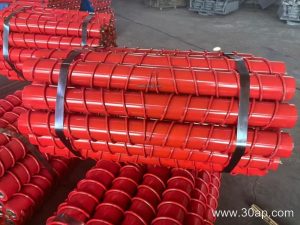
What a Self-Aligning Idler Bracket Does
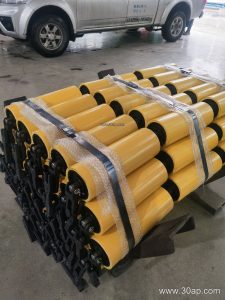
A self-aligning idler bracket is the pivoting support that holds the training idler on a belt conveyor. Its job is to keep the conveyor belt centered. When the belt drifts sideways, the training idler tilts, and the resulting angle pushes the belt back toward the middle of the frame. In a quarry, a coal mining conveyor, or a cement plant, that small correction prevents edge wear, spillage, and belt damage.
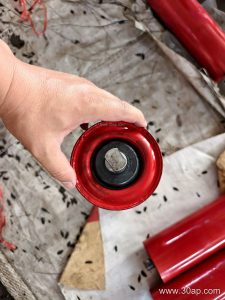
The bracket is a steering element, not a load-bearing bracket. Fixed brackets carry the weight of the belt and material. A self-aligning bracket adds controlled movement, and it works together with the idler roller it carries and the belt it touches.
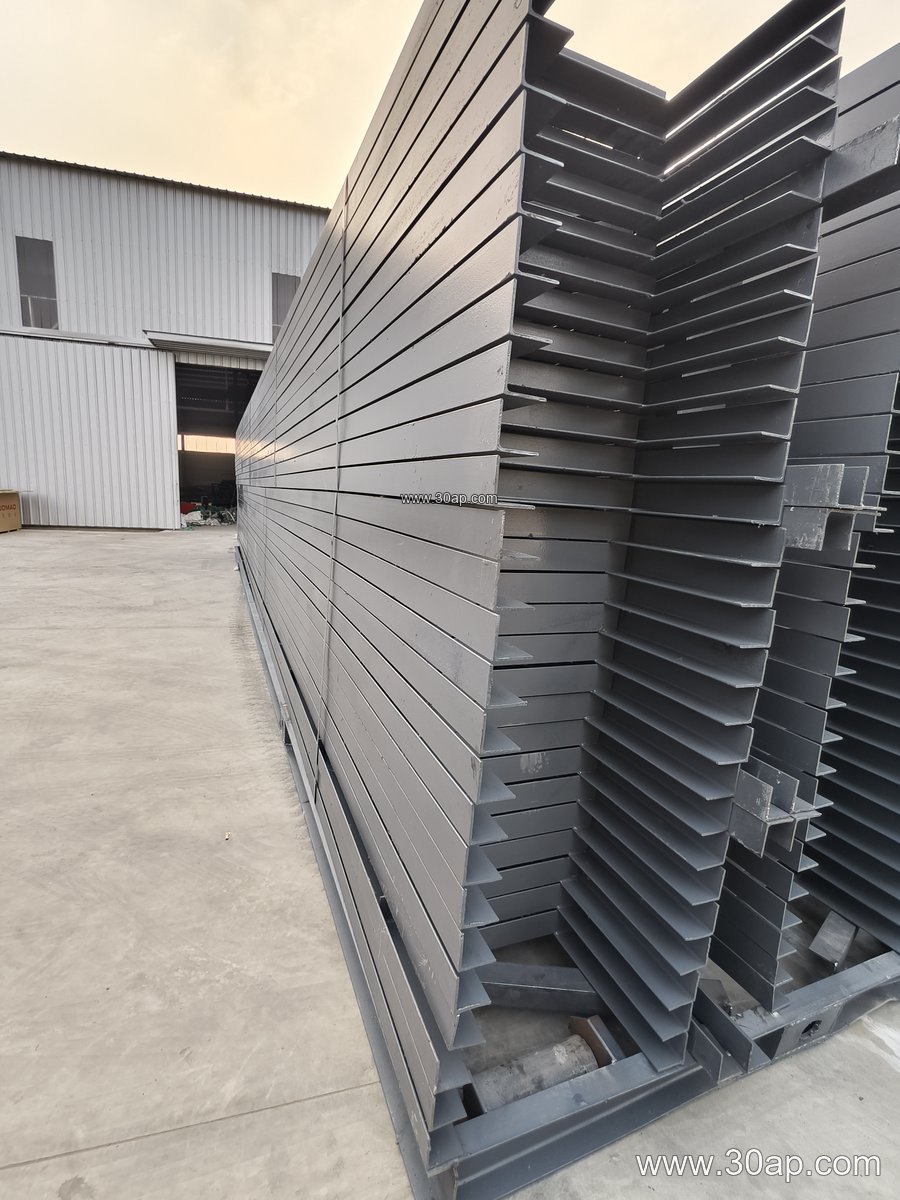
How the Bracket Is Built
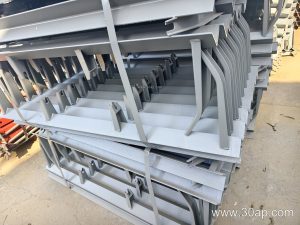
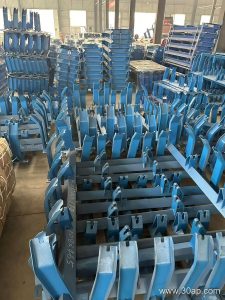
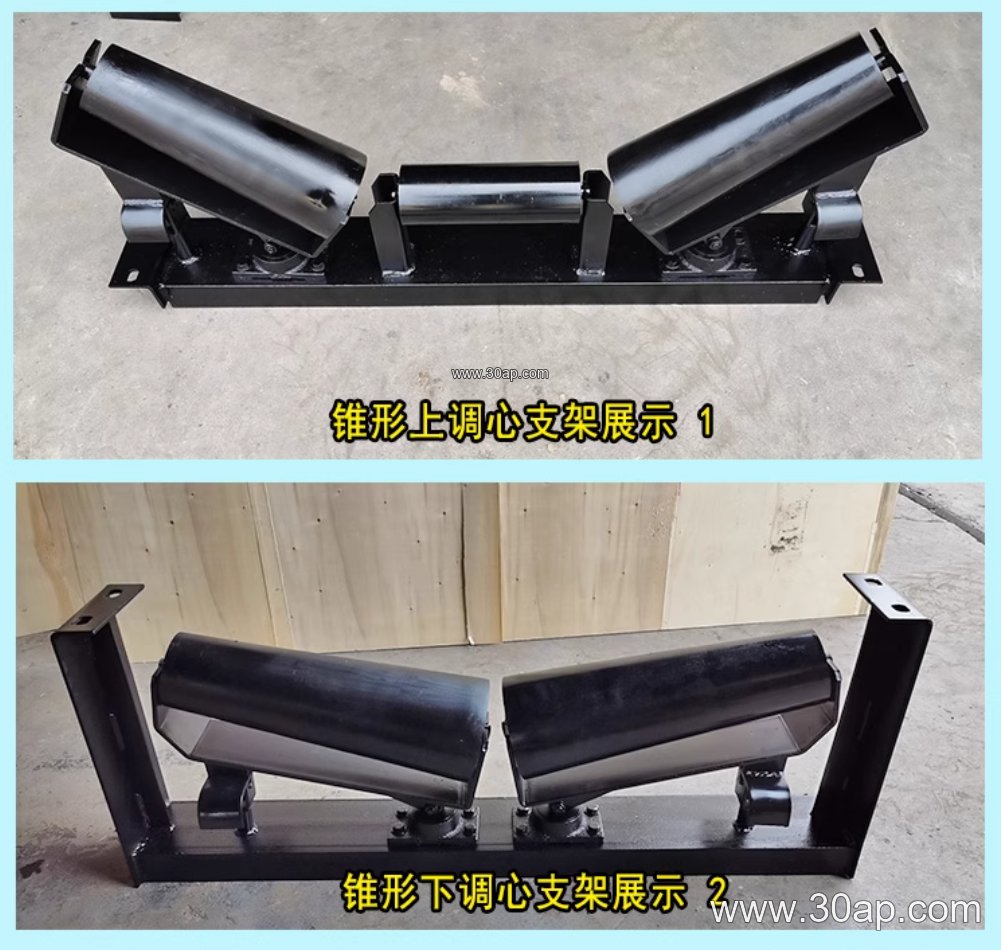
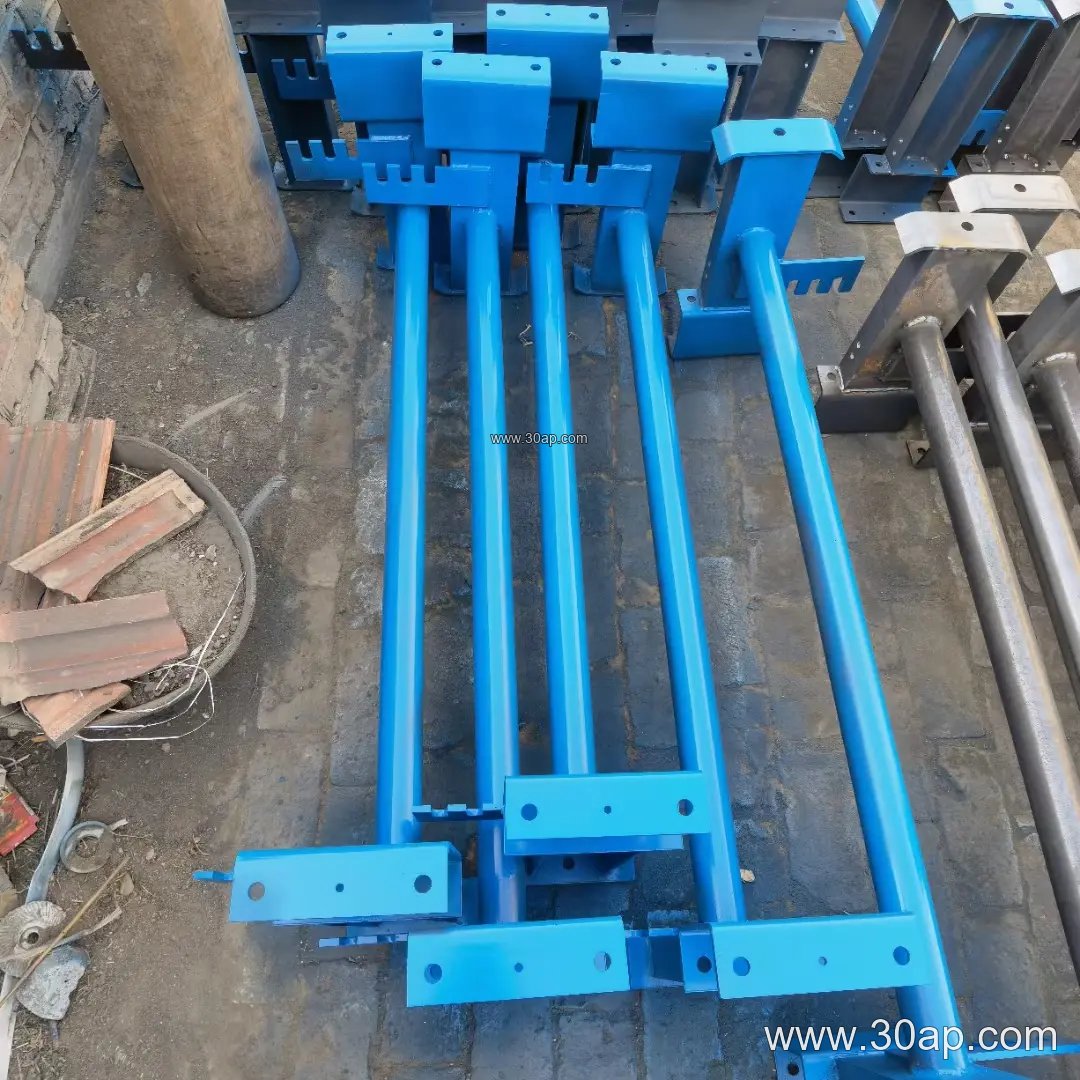
Most self-aligning brackets are fabricated from angle steel, channel steel, or bent steel plate. The usual layout includes:
- A base plate that bolts to the conveyor frame
- A vertical pivot shaft with a bearing or bushing
- A pivoting arm that holds the idler roller
- Stop lugs or limit plates to cap the swing angle
- Mounting holes sized for the belt width and idler spacing
Some designs use a swinging frame under a troughing idler set. Others use a vertical-axis carriage for a V-return bracket. Both rely on the same principle: the bracket must rotate freely but with little play. A stiff pivot defeats the purpose, and a loose pivot lets the idler chatter.
Where It Fits on the Conveyor
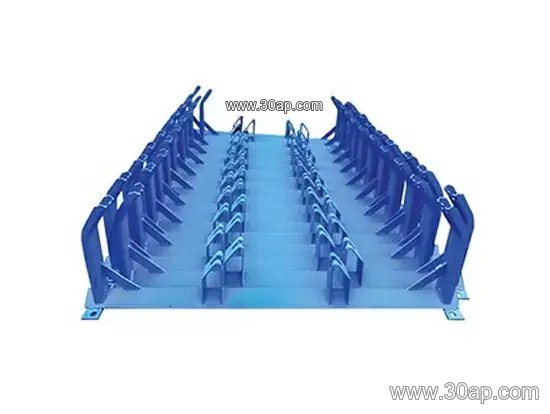
Self-aligning brackets are common on the carrying side and on the return side. On a long overland conveyor they are often placed after the loading point, before the tail pulley area, and at intervals along the run. On a ship loading conveyor or a power plant coal conveyor, they help hold the belt steady through curves and wind.
They are not a substitute for a bend pulley or a tail pulley. Pulleys change belt direction and carry tension; a self-aligning bracket only steers the belt. The two work together, which is why alignment problems are sometimes traced to pulley alignment first.
Pairing With Belt and Idler Sizes
A bracket is selected around belt width, trough angle, and idler diameter. These values are related but not locked together. A B800 belt may run with a 30 degree or 35 degree trough and a Ø108 idler, but the same width can use other combinations depending on the load and the frame design. Common reference sizes are shown below; final values follow the conveyor design.
| Belt width | Trough angle | Idler diameter |
|---|---|---|
| B650 | 30 degrees | Ø89 |
| B800 | 35 degrees | Ø108 |
| B1000 | 35 degrees | Ø133 |
| B1200 | 45 degrees | Ø133 |
| B1400 | 45 degrees | Ø159 |
Adjustable brackets allow the trough angle to be set on site, often between 20 and 45 degrees. Forward-leaning training idlers usually sit at about 1.5 to 2 degrees. Hole spacing and crossbeam length change with belt width and trough angle, so they should be confirmed against the frame drawing rather than assumed.
Applications Across Industries
In a limestone mine or aggregate plant, dust and grit work into pivot points, so greased or sealed bushings matter. In a steel plant sintering line, heat and fines test both the bracket and the belt. A food grade conveyor belt in a grain silo needs a clean, low-vibration bracket that will not shed debris. In a tunnel spoil line, impact and misalignment come together, and a self-aligning bracket placed after the loading zone earns its keep.
The bracket also interacts with belt construction. A heavy fabric core conveyor belt such as an EP200 or NN300 belt tracks differently from a stiff steel cord conveyor belt. A chevron conveyor belt or corrugated sidewall belt needs careful centering because its profile can pull the belt sideways. Flame retardant and anti-static belts used underground follow the same training rules, but the bracket must suit the confined frame.
Buyer Checklist
- Confirm belt width, trough angle, and idler diameter together, not in isolation.
- Check the pivot type: bushing, sealed bearing, or greased shaft.
- Ask for the swing limit and the return spring or stop design.
- Match the mounting hole pattern to the existing conveyor bracket.
- Confirm material and finish for the site: dusty, wet, hot, or corrosive.
- Plan a maintenance interval for pivot lubrication and free movement.
A self-aligning idler bracket is a small part with a direct effect on belt life. Chosen with the right belt width, trough angle, and idler roller, and checked against the frame, it keeps a conveyor belt running true from the load point to the discharge.