What a 500mm Diameter Conveyor Pulley Does
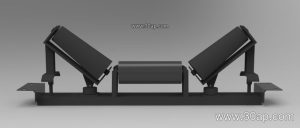
A 500mm diameter conveyor pulley is a mid-sized drum that drives, tensions, or redirects a conveyor belt in bulk handling systems. At this diameter, the pulley offers a practical balance between wrap angle, torque capacity, and space requirements. It is commonly found on medium-duty to heavy-duty conveyors in quarries, cement plants, and aggregate processing lines, where belt widths typically range from around B800 to B1200. The drum works together with the conveyor belt, idler roller sets, and conveyor bracket assemblies to keep material moving smoothly from one transfer point to the next.
Buyers often encounter this size as a drive pulley, a tail pulley, or a bend pulley. Each position has its own design priorities, and the 500mm diameter is a versatile reference point rather than a fixed rule for any particular belt width.
Construction and Surface Options
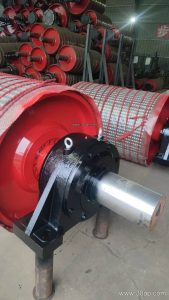
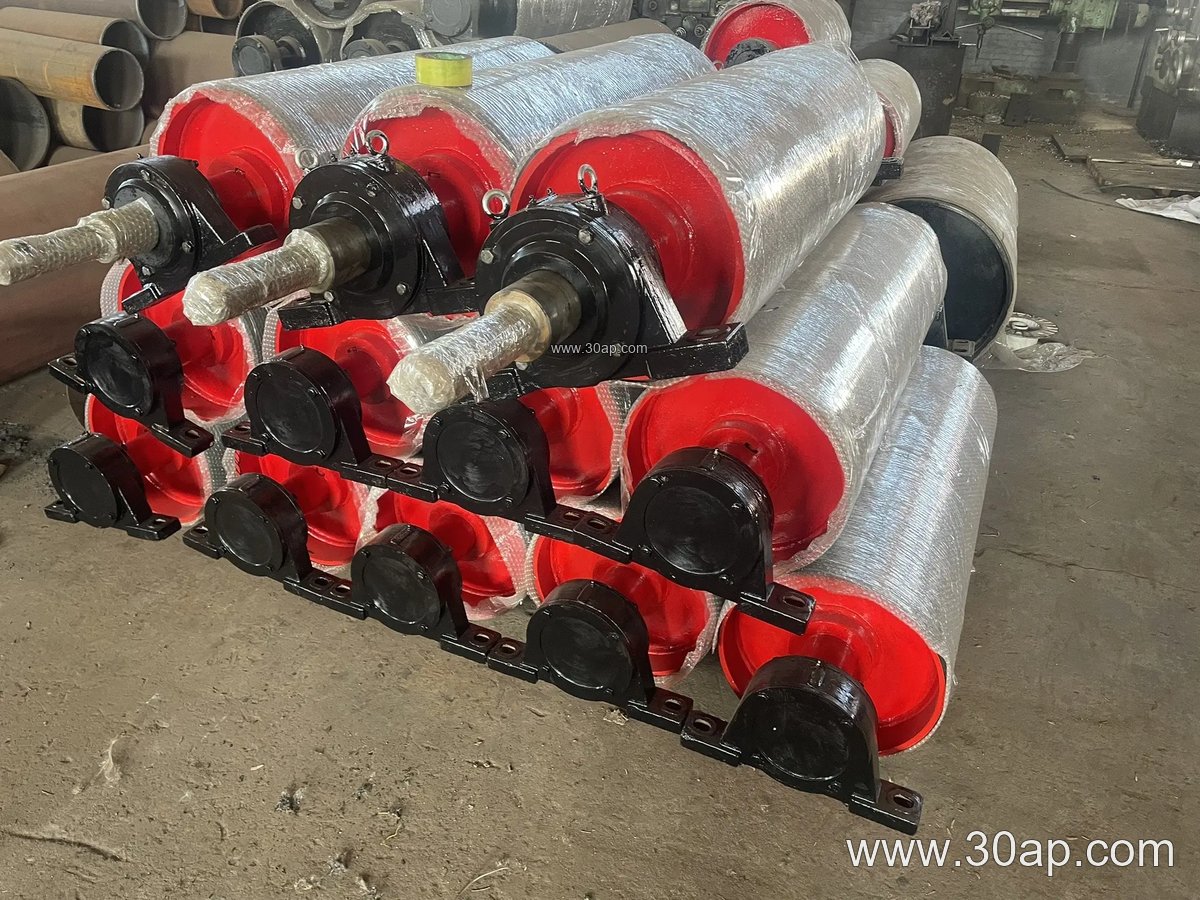
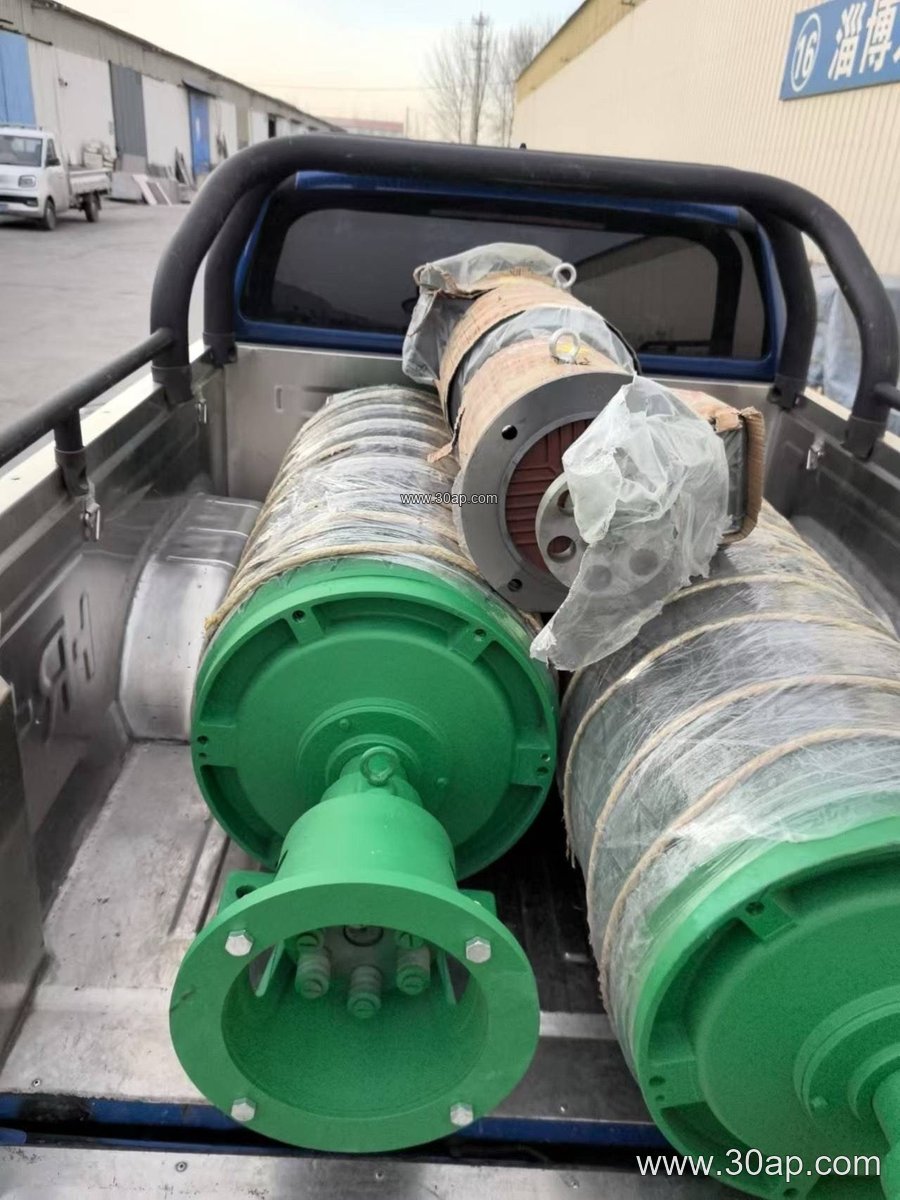
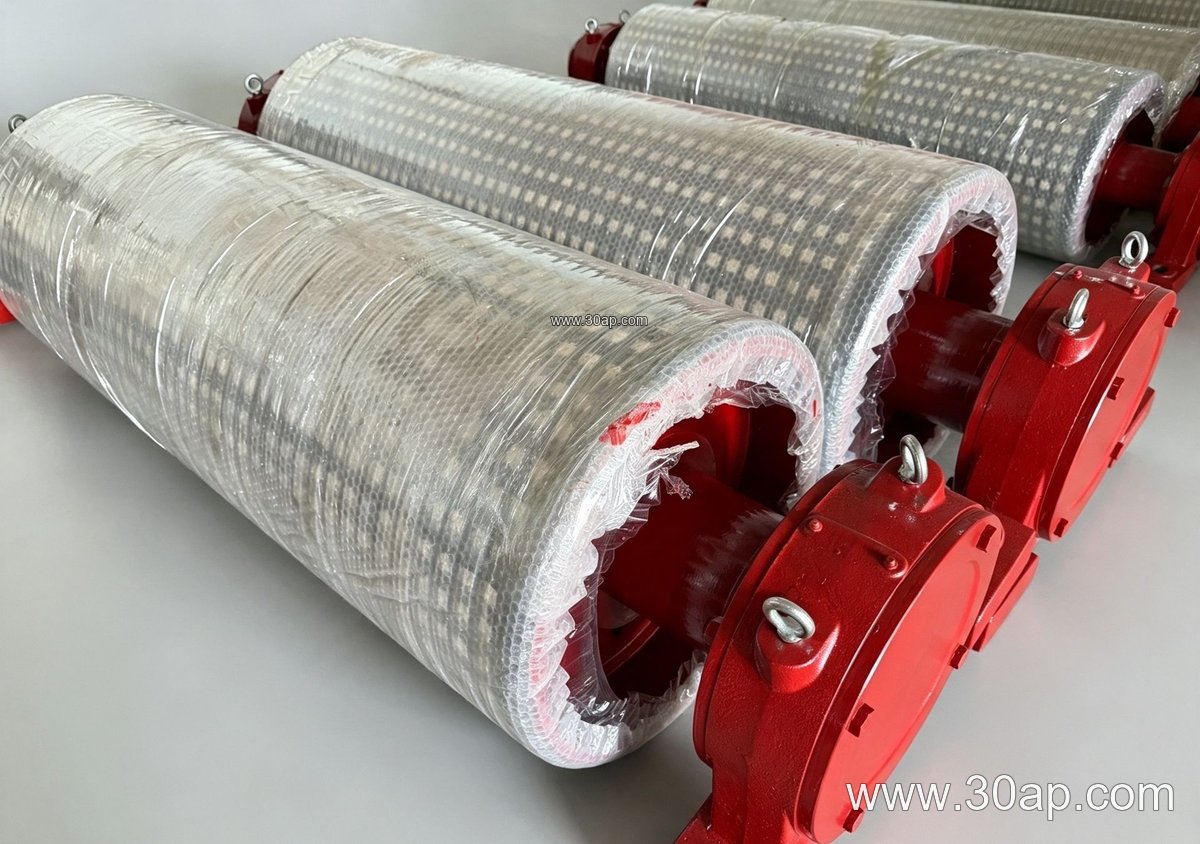
A 500mm diameter conveyor pulley usually consists of a steel shell, end discs, a shaft, and bearing housings. The shell may be machined smooth or covered with rubber lagging to improve grip and protect the belt. Lagging types include plain rubber, diamond pattern, chevron pattern, and ceramic lagging. Common lagging thicknesses are 8, 10, 12, 15, and 20 mm, selected according to the duty and material being conveyed.
Shaft diameters for this pulley size are not fixed by belt width alone. Typical shaft sizes range from Ø80 to Ø160, but the final choice depends on torque, radial load, and bearing life calculations. A B800 conveyor running a heavy ore load may need a larger shaft than a B1000 conveyor handling lighter aggregate. The pulley face width is normally wider than the belt, for example about 950 mm for B800 and about 1150 mm for B1000.
| Parameter | Common Reference |
|---|---|
| Pulley diameter | Ø500 mm |
| Typical belt width range | B800 to B1200 |
| Pulley face width examples | About 950 mm for B800, about 1150 mm for B1000, about 1400 mm for B1200 |
| Shaft diameter range | Ø80 to Ø160, confirmed by design |
| Lagging thickness | 8, 10, 12, 15, 20 mm |
| Surface forms | Smooth, plain rubber, diamond, chevron, ceramic |
Where It Fits in the Conveyor Layout
In a crushing and screening plant, a 500mm diameter pulley may serve as the head pulley at the discharge end, where it must handle continuous abrasion from crushed rock. In a cement plant, the same size might be used as a bend pulley to change belt direction around a tight structure. At a coal handling facility, a lagged 500mm pulley can act as a drive drum on a medium-capacity belt feeding a stacker or transfer house.
When specifying the pulley position, keep the terminology clear. A drive pulley transmits power, a tail pulley supports the return end, and a bend pulley changes direction without driving. These roles are not interchangeable, and the 500mm diameter may appear in any of them depending on the conveyor design. A head pulley is essentially the drive or discharge pulley at the head end, while a tension pulley maintains belt slack.
Matching the Pulley to the Belt and Load
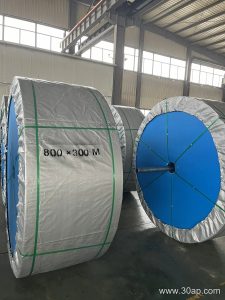
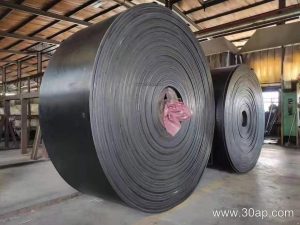
The pulley must suit the belt it carries. A heavy-duty mining conveyor belt with a steel cord or multi-ply fabric core may require a larger shaft and thicker lagging than a lighter EP conveyor belt on a short transfer conveyor. Abrasion resistant conveyor belt used in a quarry will benefit from ceramic or thick rubber lagging on the drive pulley, while a flame retardant conveyor belt in a coal mine demands careful material selection for the lagging compound.
Belt tension, wrap angle, and starting torque all influence the pulley design. A 500mm diameter drum provides a moderate wrap angle when the belt path is arranged properly, but the actual arc of contact depends on the snub pulley or take-up arrangement. Do not assume that a given belt width automatically matches one shaft size. Always confirm the shaft diameter through torque and load calculations, and check that the pulley face width exceeds the belt width with adequate margin.
Buyer Checklist
- Confirm the pulley position: drive, tail, bend, tension, or snub. Each has different loading.
- State the belt width and belt type, such as EP conveyor belt, NN conveyor belt, or steel cord conveyor belt.
- Specify lagging type and thickness based on grip and wear requirements.
- Provide the required shaft diameter or the design torque so the supplier can verify the shaft.
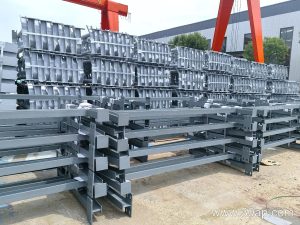
- Check bearing housing type and mounting dimensions against the conveyor bracket.
- Consider environmental factors such as dust, moisture, and temperature that affect lagging and bearings.
For aggregate lines and sand making plants, a 500mm diameter conveyor pulley often pairs with abrasion resistant conveyor belt and heavy-duty idler roller sets. In port bulk material handling, the same pulley size may be used on ship loading conveyors where reliability and belt tracking are critical. Whatever the site, the pulley should be selected as part of the whole conveyor system, not as an isolated component. For related conveyor components and belt options, visit www.example.com/conveyor-pulley and www.example.com/conveyor-belt to compare specifications before ordering.