What an 800mm Conveyor Belt Is
An 800mm conveyor belt is a belt with a nominal width of 800 millimeters, often written as B800 in specifications. It sits in the middle of the common width range, above 650mm and below 1000mm, and is widely chosen where a system needs more capacity than a narrow belt can deliver but does not yet justify a 1200mm or wider carcass. The width alone does not define the belt. Buyers also need to fix the carcass type, the number of plies or the steel cord grade, the cover compound, and the top and bottom cover thickness.
Construction and Common Specifications
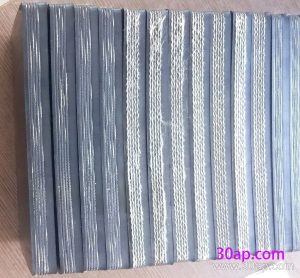
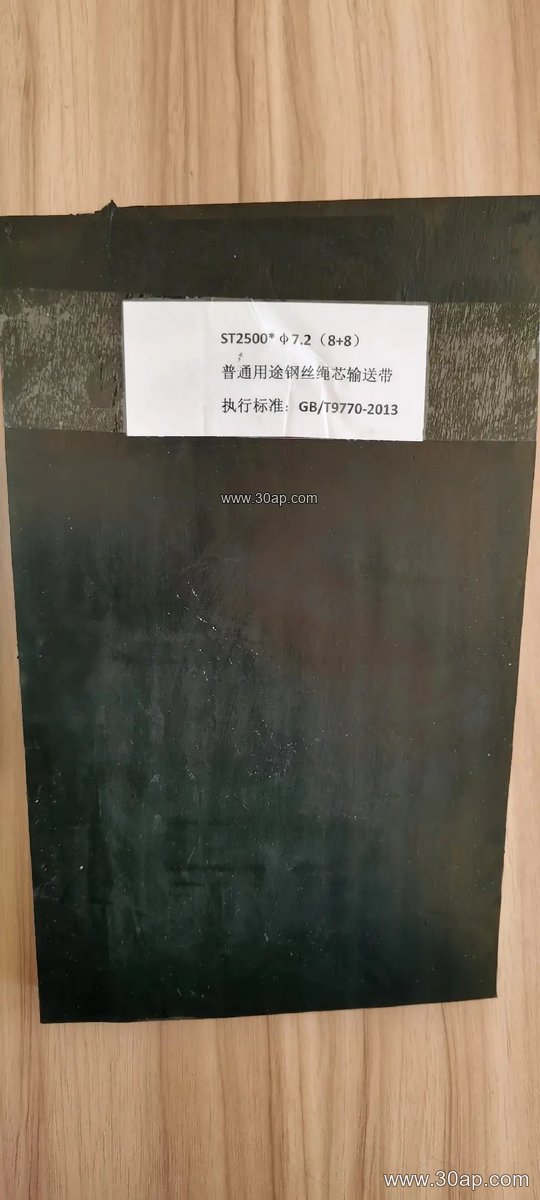
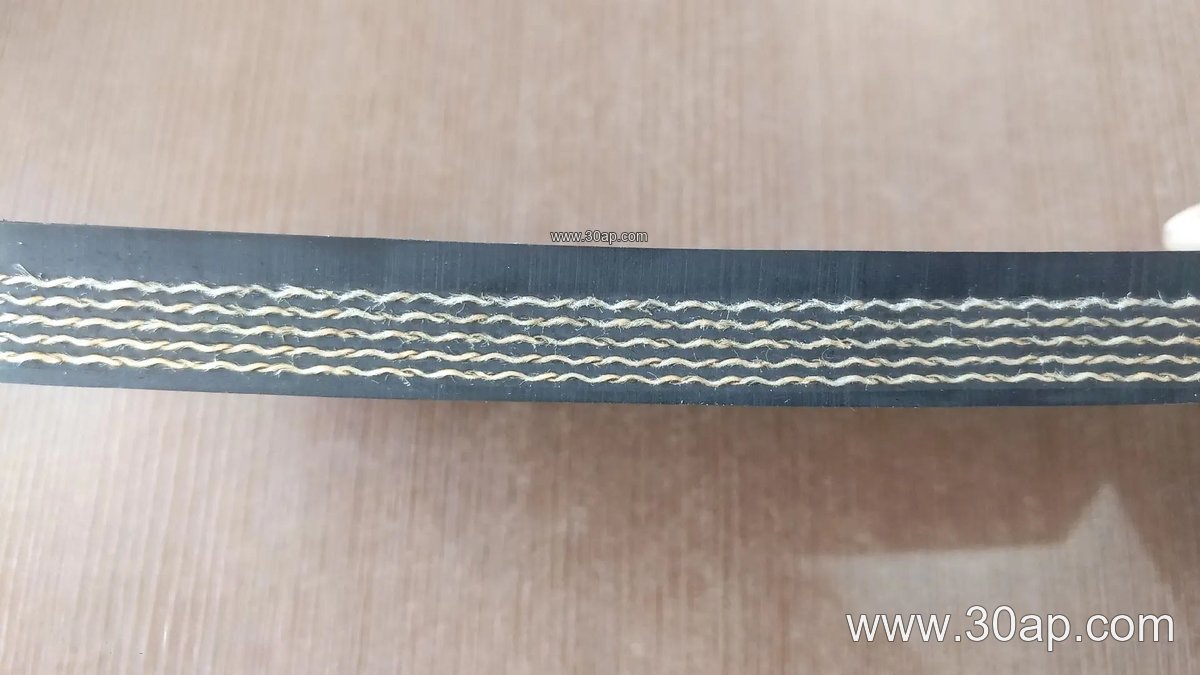
Most 800mm belts are built on a fabric core or a steel cord core. Fabric constructions include EP Conveyor Belt (polyester warp, nylon weft), NN Conveyor Belt (all nylon), and Multi-Ply Fabric Core Conveyor Belt with two to six plies. Heavier duty lines may use a Steel Cord Conveyor Belt. Cover rubber is selected for the cargo and the environment, and the belt can carry a Flame Retardant Conveyor Belt or Fire Resistant Conveyor Belt rating for coal handling, an Abrasion Resistant Conveyor Belt cover for crushed rock, or a Heat Resistant Conveyor Belt compound for clinker and sinter.
The table below shows typical reference values. Actual values are set by the belt designer and can differ between manufacturers.
| Parameter | Common reference values |
|---|---|
| Belt width | B800 (800 mm) |
| Fabric grades | EP200, EP315, EP400, EP500, EP630, EP800, EP1000 |
| Ply count | 2 to 6 plies, by design |
| Cover thickness | 3+1.5, 4+2, 5+2, 6+2, 8+3 mm |
| Special covers | oil resistant, cold resistant, anti-static, acid and chemical resistant, food grade |
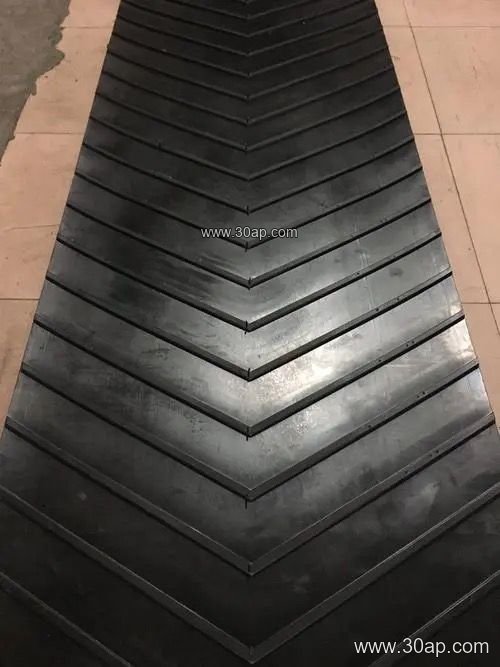
| Surface forms | smooth, Chevron Conveyor Belt, Skirted Conveyor Belt, Corrugated Sidewall Conveyor Belt |
Where the 800mm Width Fits
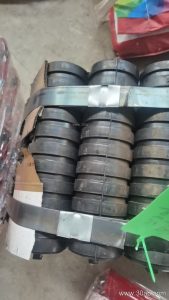
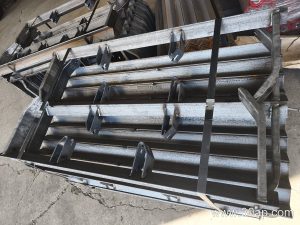
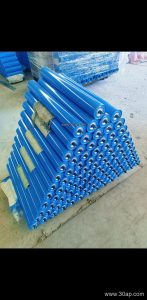
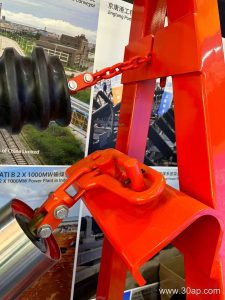
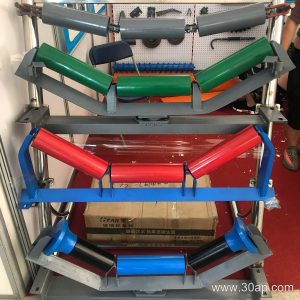
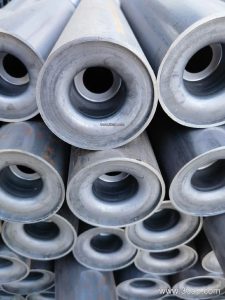
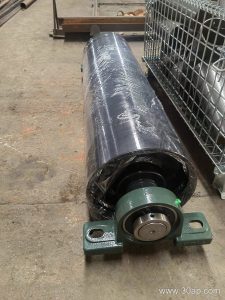
This width appears in quarry and aggregate plants feeding crushers, in cement works moving limestone and clinker, in power plant coal yards, and in iron ore, copper ore and gold mining circuits. It is also common on underground coal mining conveyors where a PVG Conveyor Belt or PVC Conveyor Belt with flame retardant properties is required, and on port and ship loading lines handling bulk material. Because 800mm is a moderate width, it usually pairs with troughing idler rollers on a three-roll set, a head or drive pulley, a tail pulley and bend pulleys, all mounted on a fabricated conveyor bracket and frame. The belt width and the pulley diameter are separate design choices; a given width does not lock the system to one pulley size.
Selection Points for Buyers
- Confirm the duty: tonnage per hour, lump size, incline and the material’s abrasiveness, temperature and oil content.
- Match the carcass to the tension. EP800 or EP1000 fabric belts suit many medium-duty lines; long or steep routes may call for steel cord grades such as ST1000 or ST1250.
- Pick the cover compound for the environment, not just the cargo. A cold resistant belt for a winter stockyard and a heat resistant belt for a kiln discharge are different products.
- Check the pulley and idler arrangement with the belt supplier so that the 800mm width, trough angle and transition distances work together.
- Ask for the splice method. An Endless Conveyor Belt is preferred where re-splicing is difficult, while field splicing is normal on long overland routes.
- Keep spare idler rollers and one spare conveyor pulley on site to reduce downtime.
Installation and Maintenance Notes
Tracking problems on an 800mm belt often start with misaligned idlers or an off-square tail pulley rather than the belt itself. Check that the belt is centered on the drive pulley, that bend pulleys turn freely, and that skirt rubber does not press too hard on the cover. Store belts in a dry, shaded place and avoid sharp folds. During operation, watch for edge damage, cover wear and ply separation, and record cover thickness so replacement can be planned before the carcass is exposed.
For more information on 800mm conveyor belt options, fabric core belting and matching conveyor components, contact the supplier with your duty data and layout drawing. A belt that suits a coal mine may not suit a cement plant, and the reverse is equally true.