What a Conveyor Bracket Assembly Does
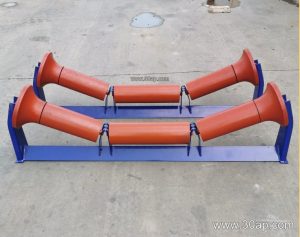
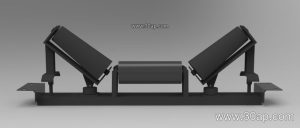
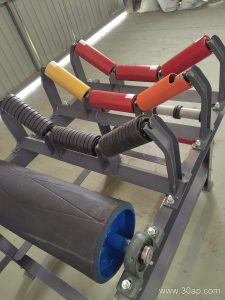
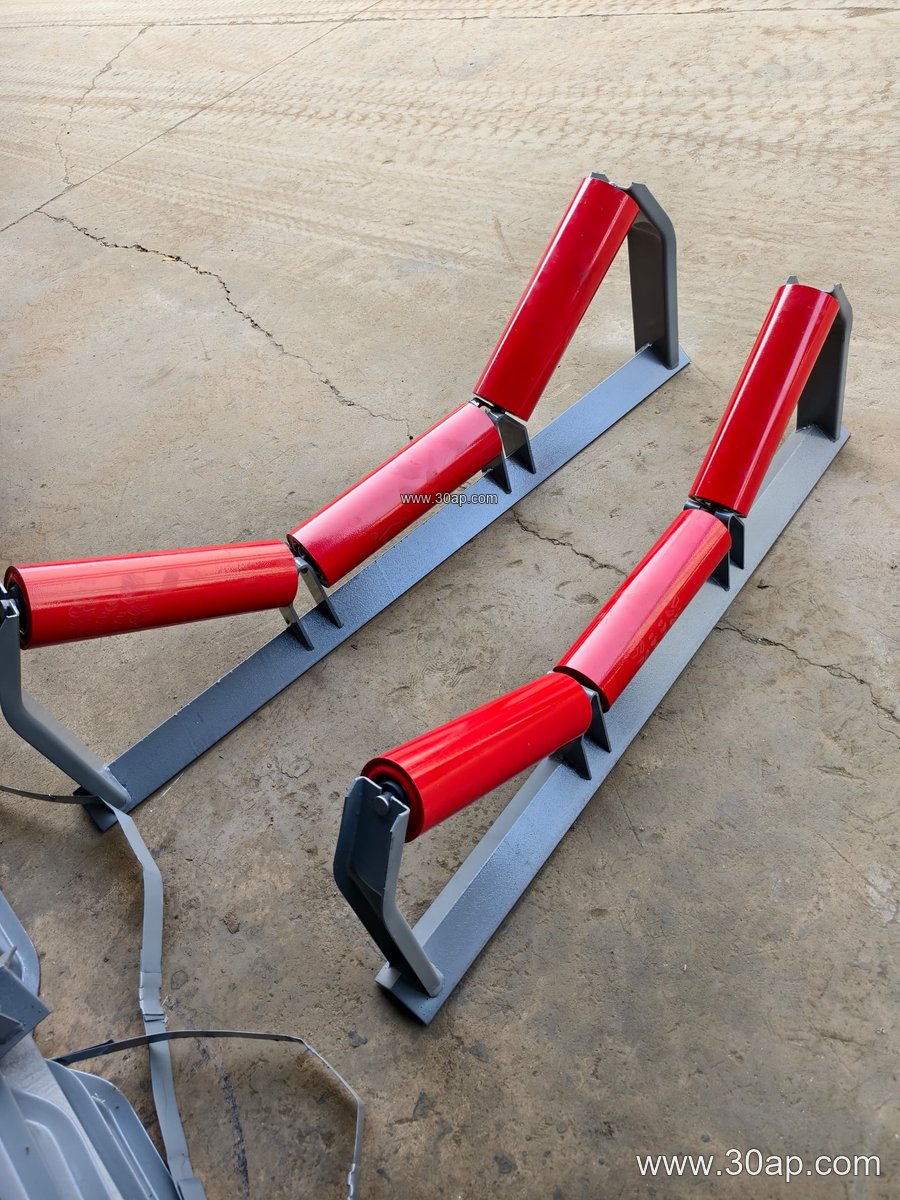
A conveyor bracket assembly is the structural interface that holds idler rollers in the correct position beneath and along the conveyor belt. It is not simply a piece of bent steel; it is a fabricated unit that sets the trough angle, maintains roller spacing, and transfers the load from the belt and material into the conveyor frame. In a quarry or a cement plant, the bracket assembly often determines how well the belt tracks and how long the idlers last. The assembly usually includes a crossbeam, mounting plates, and bracket arms that are bolted or welded to the stringer. Some designs are fixed, while others allow adjustment for trough angle or belt training.
How the Assembly Is Built
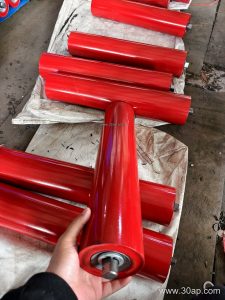
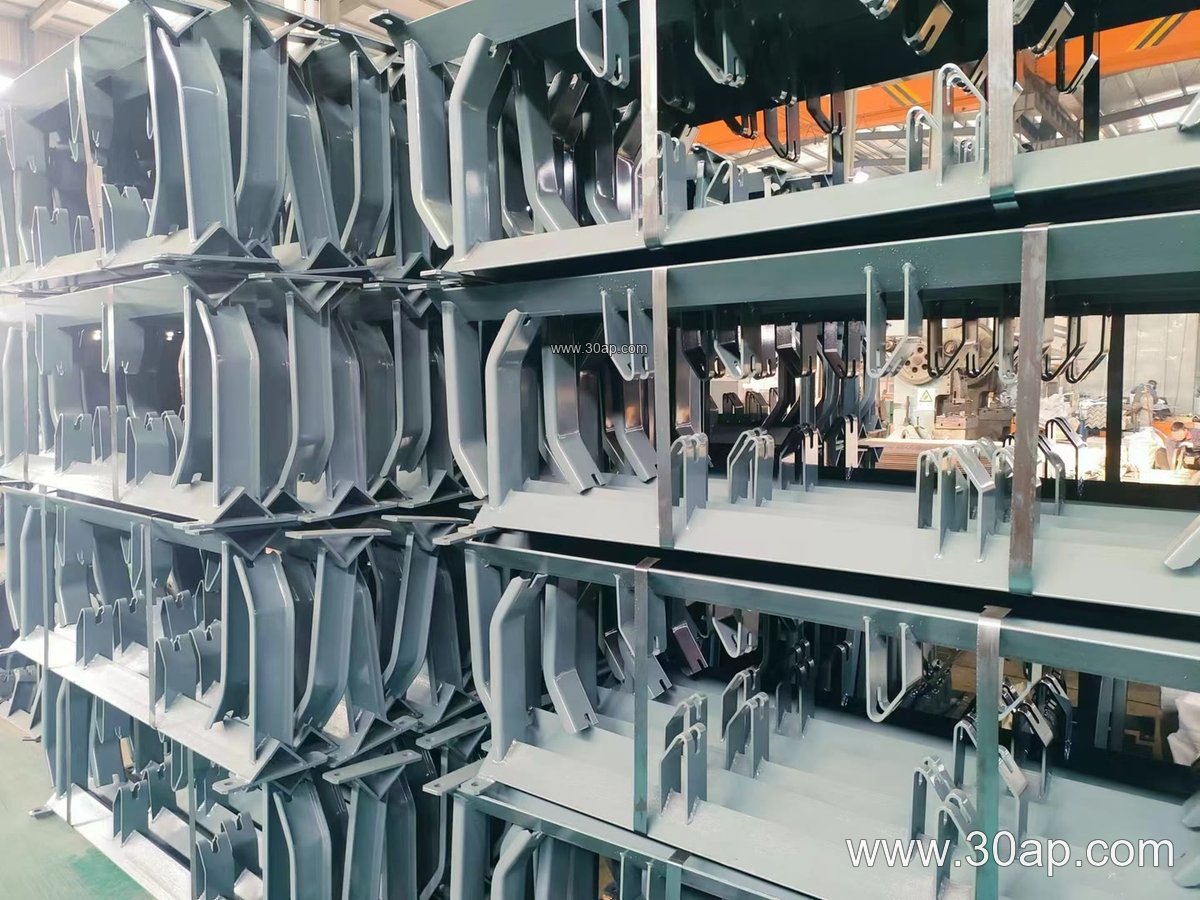
Most conveyor bracket assemblies are made from angle steel, channel steel, or folded steel plate. The material choice depends on the load and the environment. In a coal mining conveyor or a power plant coal handling line, the bracket may be painted or galvanized to resist corrosion. The fabrication process includes cutting, drilling, bending, and welding. Installation hole spacing and crossbeam length are not universal; they change with belt width, trough angle, and the roller diameter used. A typical assembly for a B800 belt at 35 degrees might use Ø108 idlers, while a B1200 belt at 45 degrees often pairs with Ø133 rollers. These are common references, not fixed rules. The bracket must match the idler frame and the conveyor structure, so buyers should confirm mounting dimensions with the supplier.
Common Types and Where They Fit
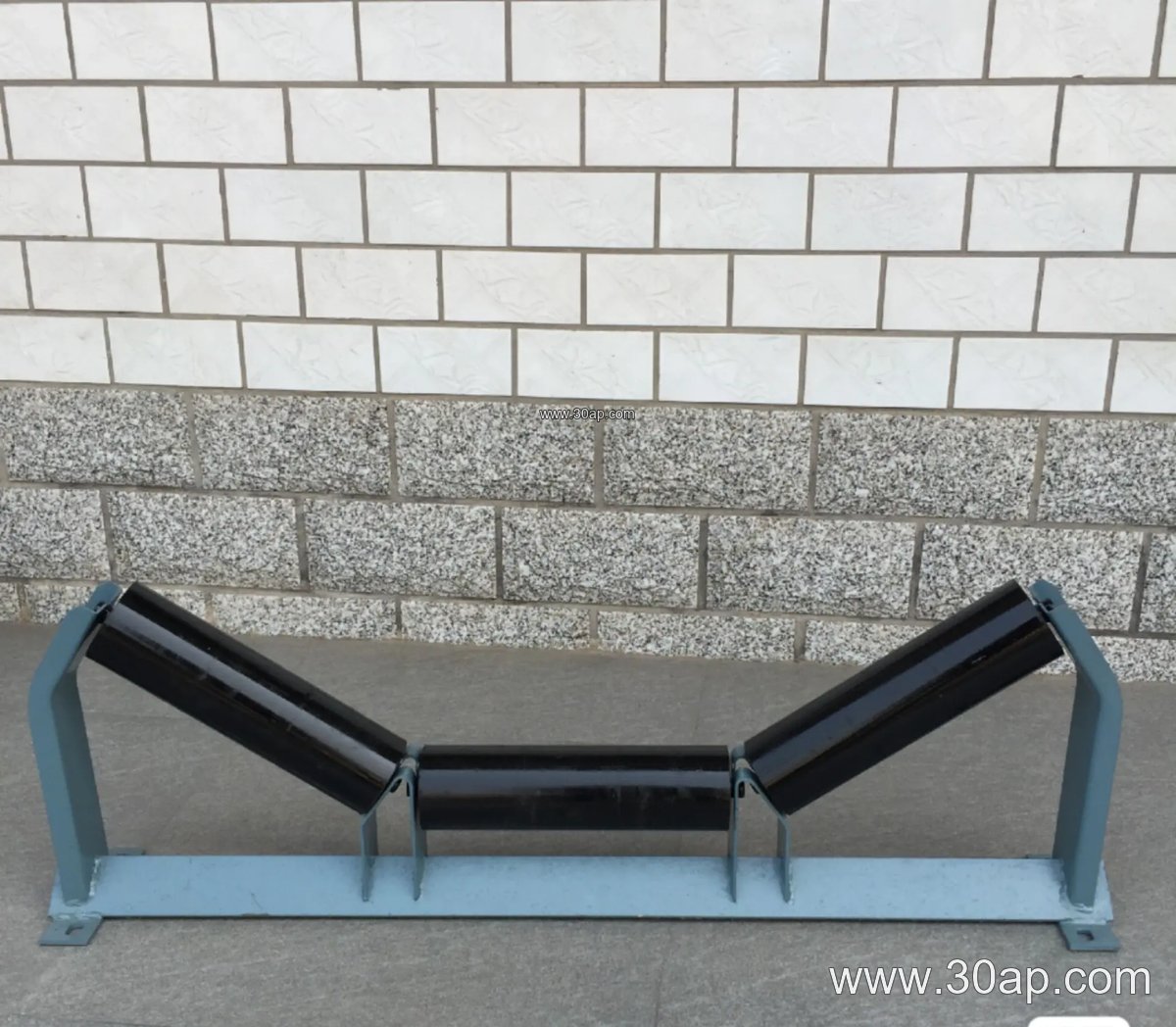
Different positions on the conveyor call for different bracket designs. The carrying side usually uses a troughing bracket assembly, which may be fixed or adjustable. Adjustable versions allow the trough angle to be set between 20, 30, 35, or 45 degrees. On the return side, a flat return bracket or a V-return bracket supports the belt. Impact brackets are used under loading points to absorb shock, and self-aligning brackets help correct belt misalignment. In a limestone mine or a sand and gravel line, a mix of troughing, return, and impact brackets is common. A transition bracket may be used near the head or tail pulley to guide the belt from a flat profile into a trough. Each type has a specific role, and none should be substituted for another without checking the conveyor design.
Applications Across Industries
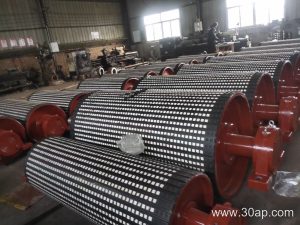
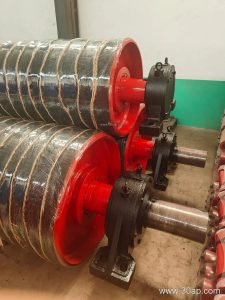
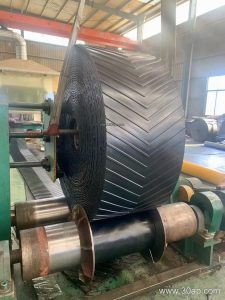
Conveyor bracket assemblies appear wherever bulk materials move on a belt. In a coal washing plant, they support the belt through wet and abrasive conditions. In a cement plant, they carry clinker and raw meal on heavy-duty conveyor lines. In a port or ship loading facility, wide belts may use extra-wide bracket assemblies to handle high tonnage. The assembly also works with different belt types, such as EP conveyor belt, steel cord conveyor belt, and flame retardant conveyor belt for underground mining. In a crushing and screening plant, impact brackets protect the belt at transfer points. The bracket assembly itself is a supporting component, but its alignment affects the performance of the conveyor pulley, idler roller, and the belt itself.
Buyer Checklist for Conveyor Bracket Assembly
Before ordering, confirm the belt width, trough angle, roller diameter, and mounting hole pattern. Ask whether the bracket is fixed or adjustable. Check the material and surface treatment for the site conditions. For a B650 belt at 30 degrees with Ø89 idlers, the bracket dimensions differ from a B1800 belt at 45 degrees with Ø159 rollers. Do not assume that one belt width matches only one pulley diameter or one trough angle. The bracket assembly should be selected together with the idler roller and the conveyor pulley to ensure proper belt support. Maintenance is simpler when the bracket allows individual roller replacement without removing the entire assembly. In dusty or corrosive plants, periodic inspection of welds and fasteners helps avoid unplanned downtime.
For more information on conveyor components, visit conveyor bracket assembly and conveyor pulley.