What a 1250mm Diameter Conveyor Pulley Is
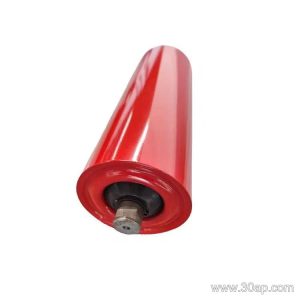
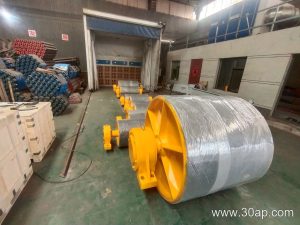
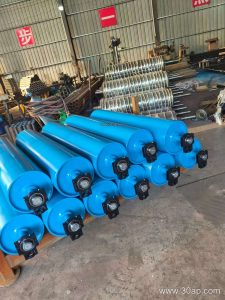
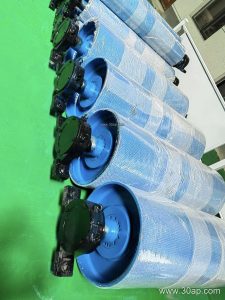
A 1250mm diameter conveyor pulley is a large-diameter drum used to drive, redirect, or tension the belt in high-capacity bulk handling conveyors. At this size, the pulley is usually found at the head or drive position of a main trunk conveyor, where it must transmit substantial torque while keeping belt bending stress within acceptable limits. In many plants the same 1250mm drum serves as a drive pulley on the primary conveyor and is matched with a smaller bend pulley further along the route.
Because of its large circumference, a pulley of this diameter gives the conveyor belt more wrap contact and reduces the flexing cycle per revolution. That matters in demanding duty such as primary crushing circuits, where a heavy-duty mining conveyor belt carries run-of-mine material and the drive must cope with shock loads.
Construction and Key Components
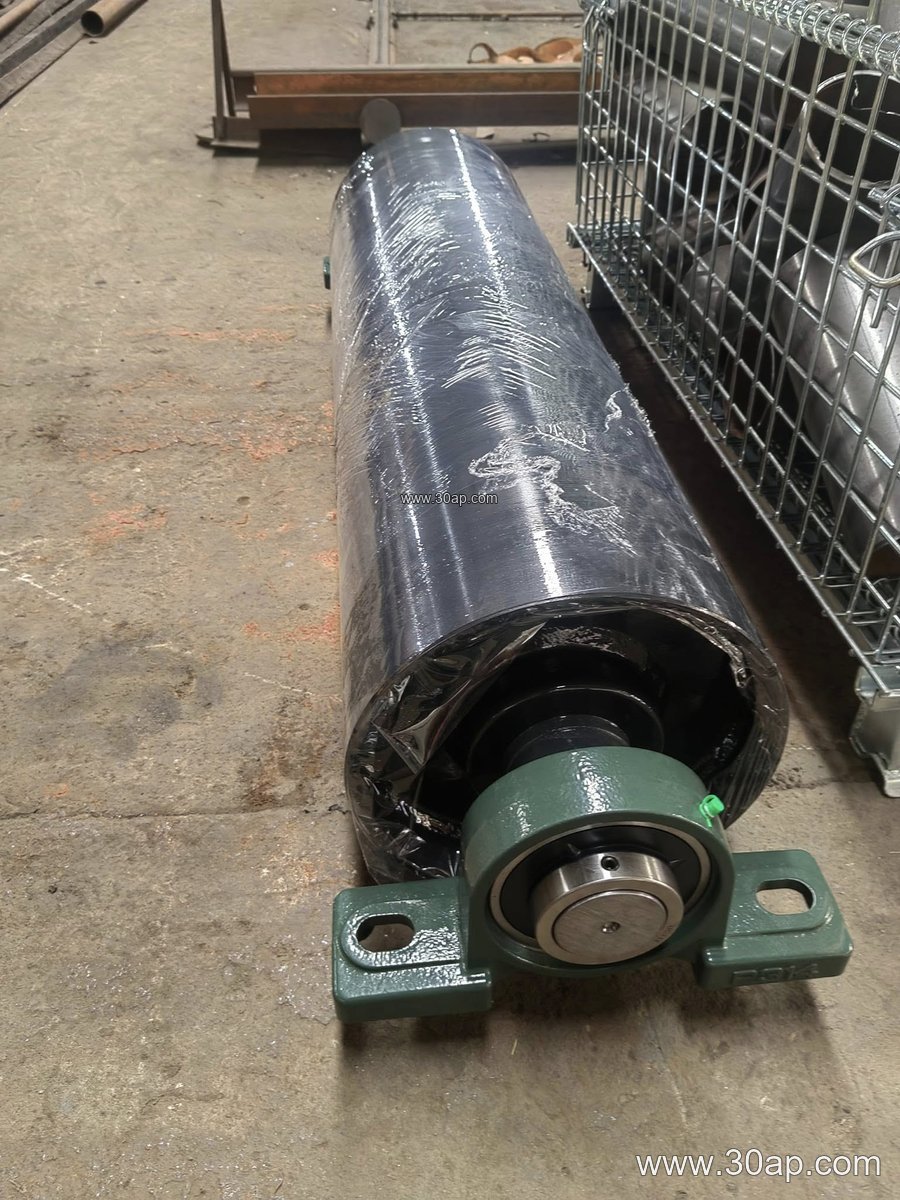
The drum is normally built as a steel shell with welded end discs, a hub, and a shaft sized by torque and load rather than by belt width alone. Common shaft diameters on large pulleys range from Ø160 to Ø200 and above, but the final figure is always confirmed by the drive calculation. Shell thickness, weld detail, and hub design are selected for the belt tension and the radial loads imposed by the conveyor belt.
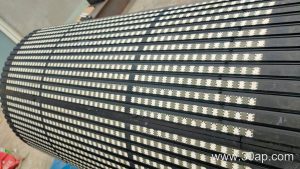
Surface treatment is a major decision. Options include plain finish, hot-vulcanized rubber, cold-bonded rubber, diamond grooving, herringbone grooving, and ceramic lagging. Lagging thickness commonly falls in the 10mm to 20mm range for heavy service. The lagging raises friction between drum and belt, which is essential when the drive pulley must deliver high pull without slip.
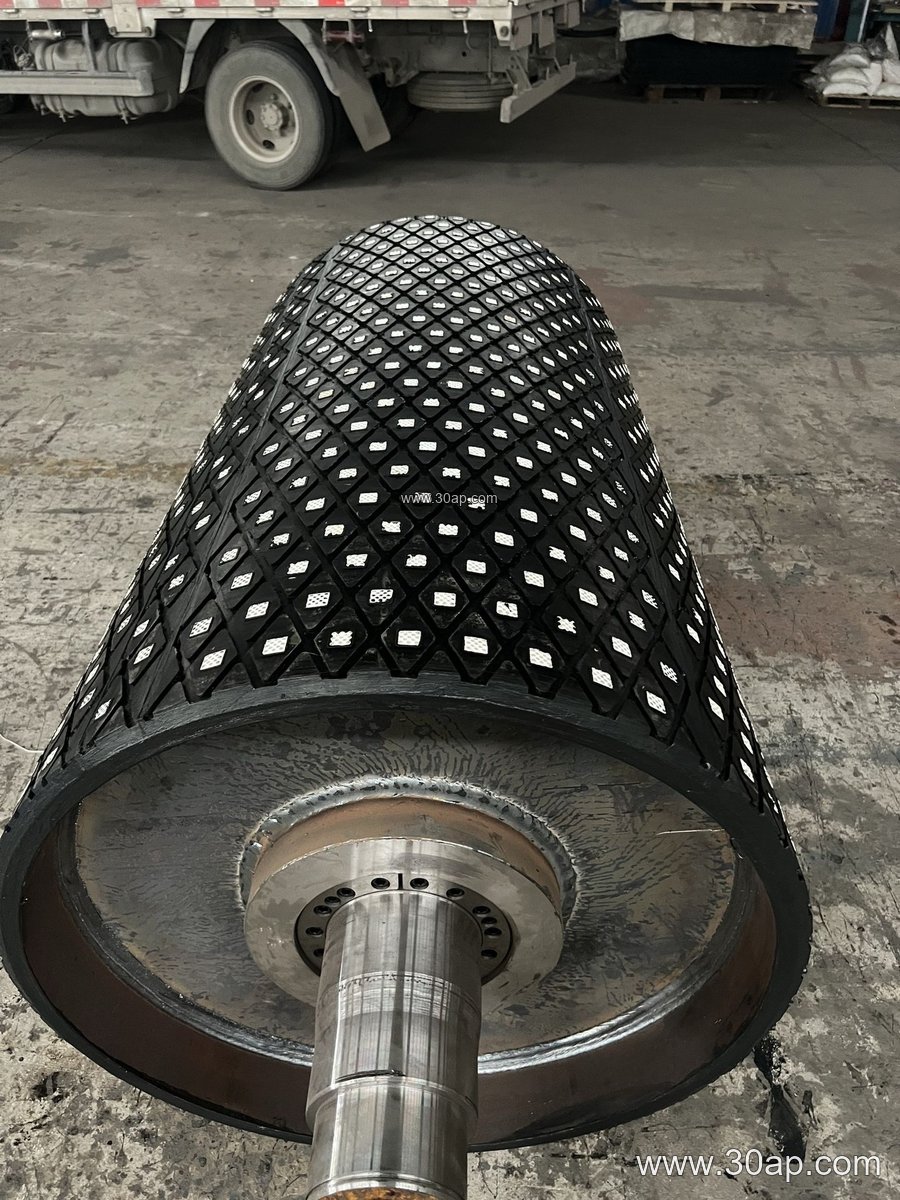
- Shell and end disc welded assembly
- Shaft with keyed or shrink-fit hub connection
- Lagging selected for grip, wear life, and material conditions
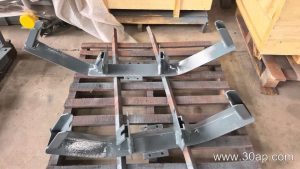
- Bearing housings and conveyor bracket matched to the frame
Where the Size Fits on the Conveyor
A 1250mm diameter drum is most often a drive or head pulley on a wide, high-tonnage conveyor. In a quarry or limestone mine it may sit at the discharge end of a primary crushing line. In a coal preparation plant or power plant coal yard it can be the main drive on a trunk conveyor feeding the boiler bunkers. In a port bulk terminal it may handle ore or aggregate at high belt speeds.
It is not interchangeable with other pulley roles. A tail pulley at the loading point, a bend pulley used to change belt direction, and a tension pulley in the take-up arrangement each have different loads and design priorities. A bend pulley of the same diameter might be used for comparison, but its duty is to redirect rather than to drive, so its lagging and shaft design usually differ.
Belt Width, Diameter, and Practical Combinations
Pulley face width is normally a little wider than the belt it carries. For example, a B1200 belt is commonly matched with a pulley face around 1400mm, while a B1400 belt may call for about 1600mm of face width. These are reference relationships, not fixed rules, and one belt width can be paired with more than one drum diameter depending on tension and wrap requirements.
| Reference Item | Typical Range or Example |
|---|---|
| Pulley diameter | Ø1000, Ø1250, Ø1400, Ø1600 |
| Belt width examples | B1000, B1200, B1400, B1600, B1800 |
| Face width examples | About 1150mm for B1000, about 1400mm for B1200 |
| Lagging thickness | 8, 10, 12, 15, 20mm |
| Shaft diameter examples | Ø120, Ø140, Ø160, Ø180, Ø200 |
Typical combinations such as B1200 × Ø1250 or B1400 × Ø1250 appear in heavy-duty projects, but the pairing should always come from the conveyor design. The belt construction also matters: an EP conveyor belt, a steel cord conveyor belt, or a multi-ply fabric core conveyor belt each has its own minimum pulley diameter recommendation, and the 1250mm drum is usually chosen where those recommendations and the tension demand align.
Selection and Maintenance Notes for Buyers
Buyers should confirm the drive torque, belt tension, belt type, and lagging preference before ordering. The supplier needs to know whether the drum will run in a dusty quarry, a wet coal handling plant, or a cold outdoor stockyard, because lagging compound and surface pattern change with conditions. Flame retardant conveyor belt and abrasion resistant conveyor belt duties also influence the choice of rubber cover on the drum.
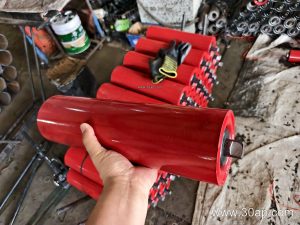
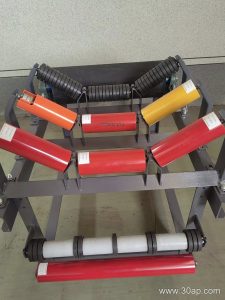
During operation, check lagging wear, bolt tightness, bearing temperature, and shaft alignment at regular intervals. A worn lagging surface reduces grip and can lead to belt slip, while misalignment accelerates wear on both the drum and the conveyor belt. Keep the idler roller train and conveyor bracket supports in good condition as well, since poor support increases load on the pulley.
For matching drums, idlers, and belts, visit www.beltsconveyor.com and review the pulley options alongside the conveyor belt range before finalizing specifications.