What a Vertical Idler Bracket Does
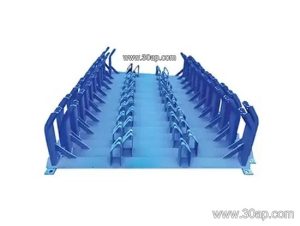
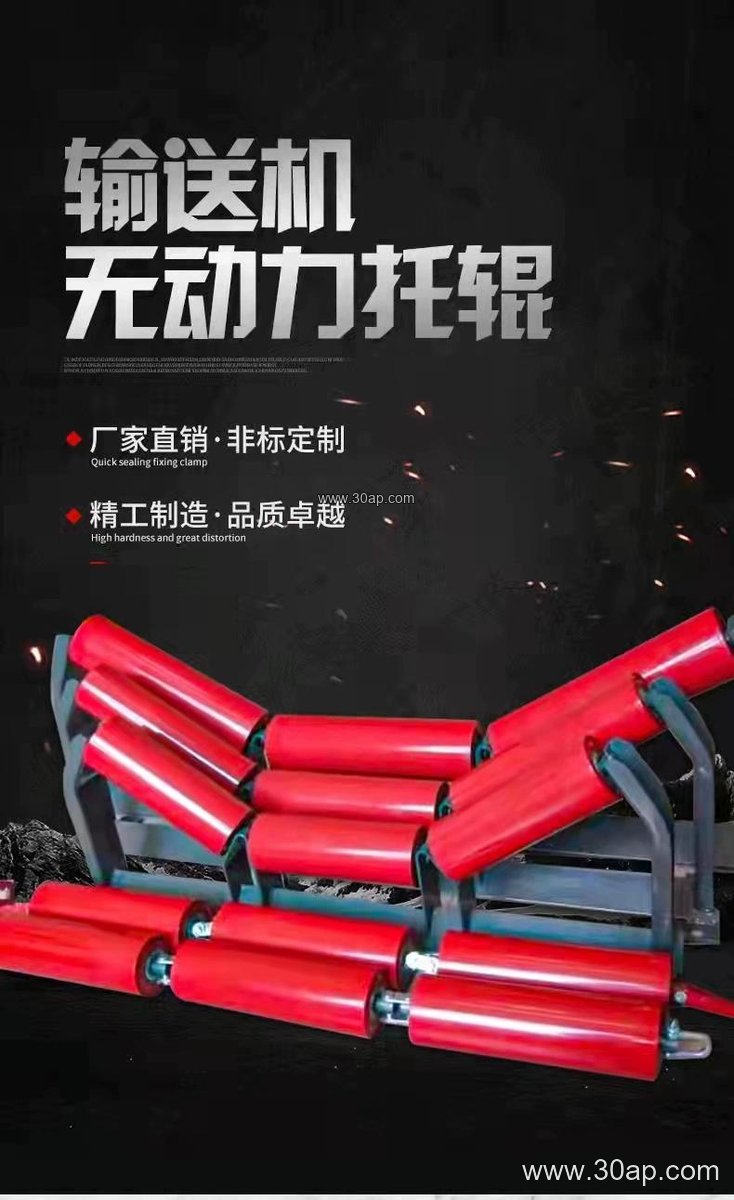
A Vertical Idler Bracket is the mounting component that holds a vertical idler roller in place on a conveyor frame. Instead of carrying the belt from below like a conventional troughing set, this bracket positions the roller so it presses against the belt edge or face at a steep angle. The result is a compact way to guide or train the belt where space is tight and a standard horizontal bracket will not fit. Buyers often meet this part under the equivalent name vertical roller bracket, and both terms describe the same mounting hardware.
In a quarry or a stone crushing line, a vertical bracket is frequently used on the return side or along a transition zone, where the belt path changes direction quickly. The bracket keeps the roller axis upright, so the roller contacts the belt edge rather than its carrying surface.
How the Bracket Is Built
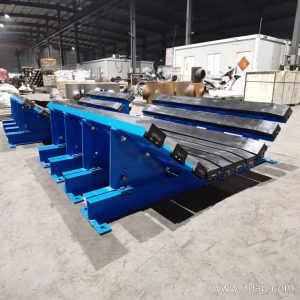
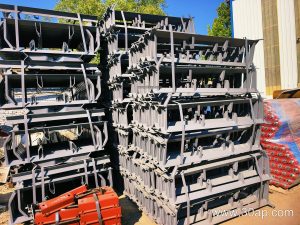
Most units are fabricated rather than cast. Common materials are angle steel, channel steel, and folded steel plate, selected according to the load and the frame design. A typical assembly includes a base plate, a vertical mounting face, and slotted holes that let maintenance staff fine-tune the roller position.
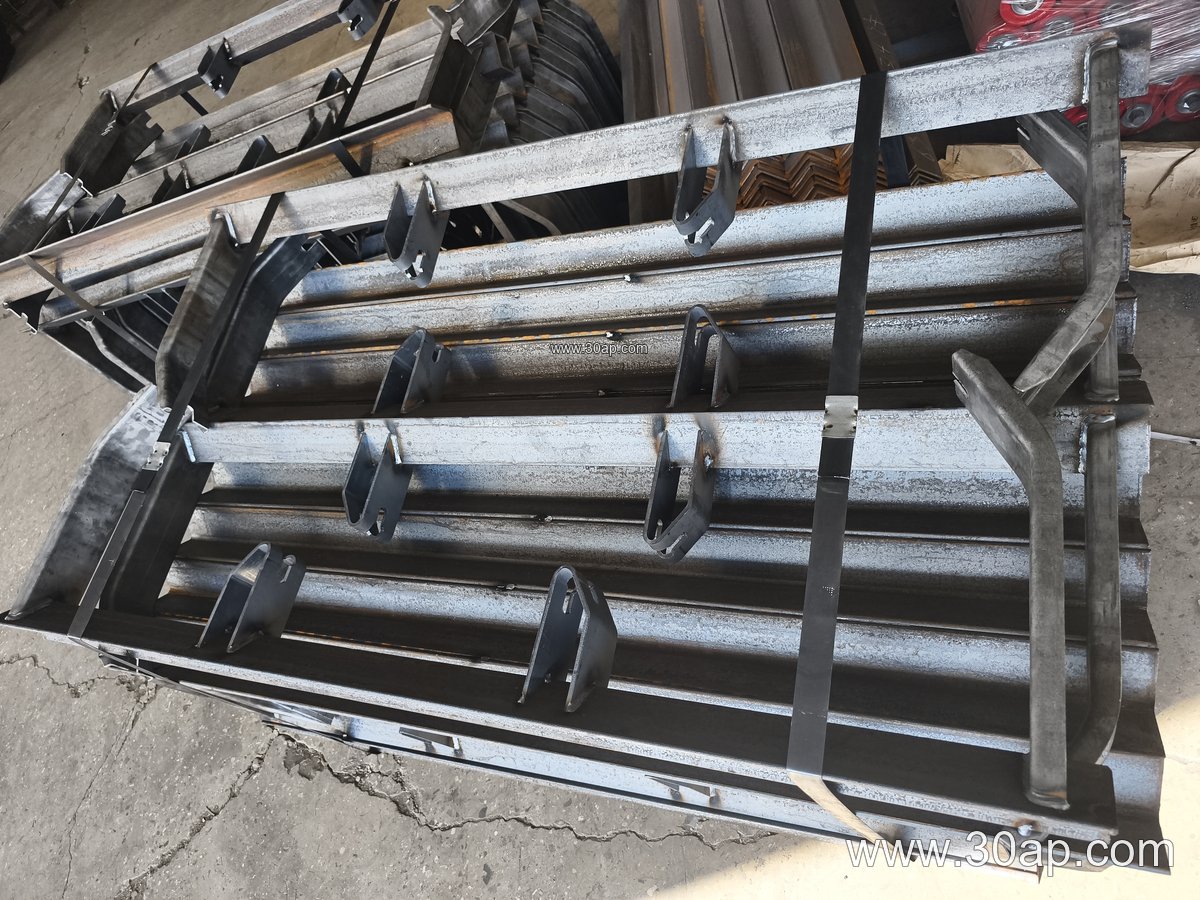
Build details that matter to a buyer include:
- Plate thickness and weld quality, which govern stiffness under belt tension
- Mounting hole spacing, which must match the conveyor frame rather than a catalogue number
- Surface treatment, usually painting or galvanizing for dusty or damp sites
- Adjustment slots, useful when the belt needs re-training after installation
Hole spacing and bracket height are determined by belt width, roller diameter, and frame layout. They should not be treated as fixed values across every project.
Where It Fits on the Conveyor
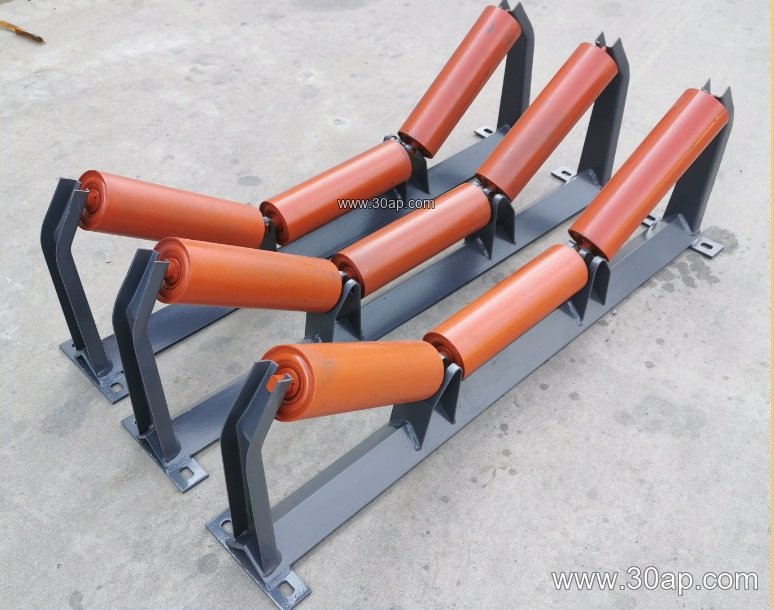
The bracket works together with the idler roller, the conveyor belt, and the surrounding frame. On a cement plant clinker line or a power plant coal handling system, a vertical bracket may appear near a transfer point to hold the belt steady as it leaves the chute. In an underground coal mining conveyor, the same part can help control belt wander in a narrow drift.
It is not a substitute for a drive pulley, tail pulley, or bend pulley. Those components transmit motion and change the belt’s running direction, while the vertical bracket only supports and guides. Likewise, a troughing bracket, return bracket, and self-aligning bracket each serve different positions, and the vertical type should be chosen for the role it is designed to perform.
Typical Reference Dimensions
The table below shows common combinations used in conveyor design. These are reference values, not universal specifications, and the final choice depends on the frame, load, and belt behaviour.
| Belt width | Trough angle | Roller diameter | Typical use |
|---|---|---|---|
| B650 | 30 degrees | Ø89 | Light aggregate line |
| B800 | 35 degrees | Ø108 | Sand and gravel plant |
| B1000 | 35 degrees | Ø108 | Cement plant transfer |
| B1200 | 45 degrees | Ø133 | Iron ore handling |
| B1400 | 35 degrees | Ø159 | Power plant coal yard |
| B1600 | 45 degrees | Ø159 | Port bulk terminal |
Larger frames may use Ø194 rollers. An adjustable bracket can move between 20, 30, 35, and 45 degree settings, which helps when a belt needs a different contact angle after commissioning.
Matching the Bracket to the Belt
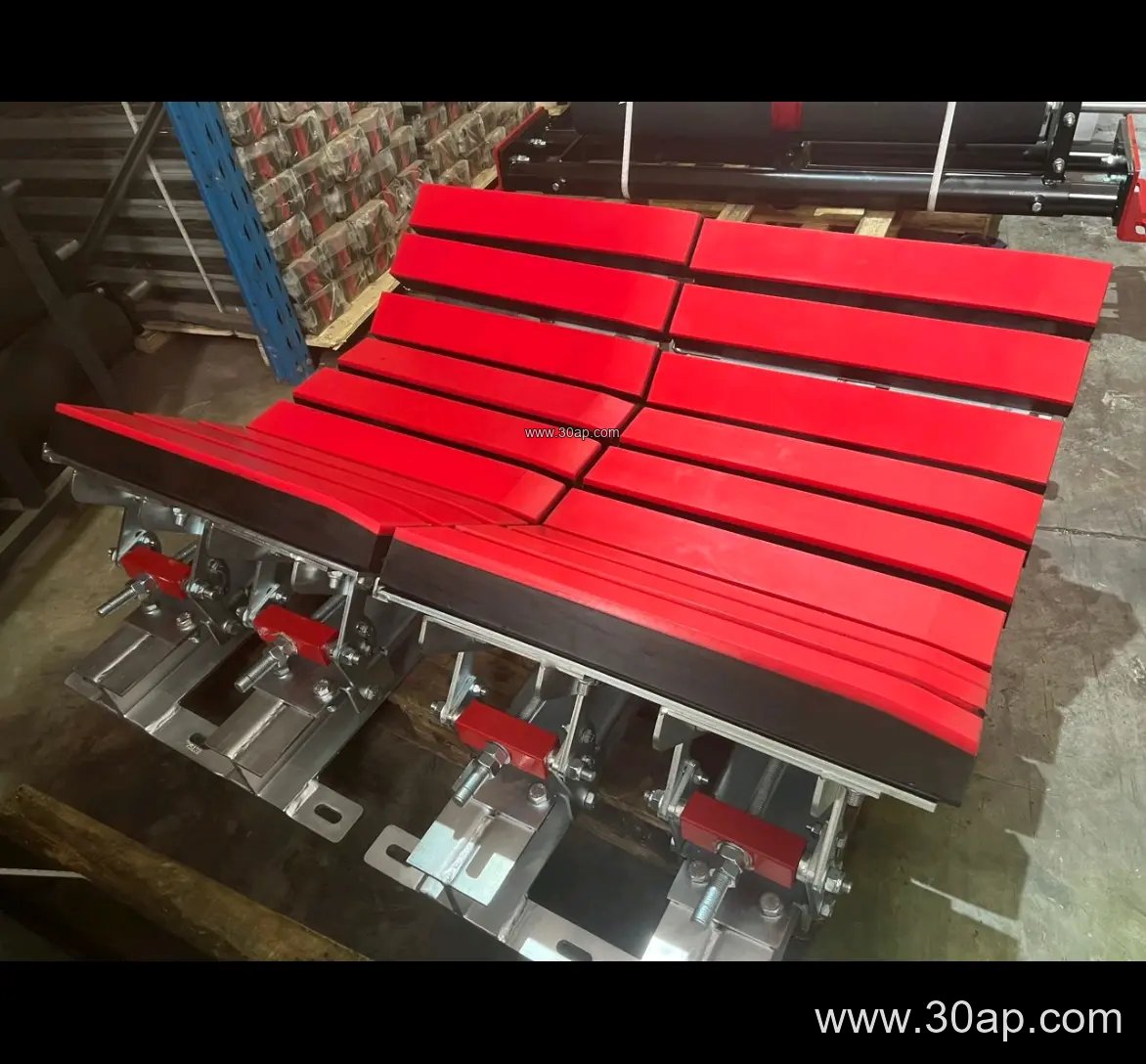
Belt construction influences bracket choice more than many people expect. A heavy steel cord conveyor belt on an iron ore line tracks differently from a lighter EP conveyor belt on a small aggregate conveyor. A flame retardant conveyor belt used in a coal mine may need a bracket position that keeps the roller clear of accumulated dust, while a heat resistant conveyor belt on a sinter line needs enough clearance for thermal expansion.
Where the belt carries wet or sticky material, an abrasion resistant conveyor belt may still drift if the vertical bracket is misaligned, so adjustment slots are worth specifying. For a pipe conveyor belt or a corrugated sidewall conveyor belt, the bracket position must respect the belt profile and should be confirmed with the conveyor designer.
Installation and Maintenance Notes
Check that the bracket sits square to the frame before tightening bolts. A vertical bracket that leans slightly will push the belt sideways and cause edge wear. After the first week of operation, recheck bolt torque and roller rotation. In a dusty coal preparation plant or a limestone quarry, clean the bracket area during routine inspections so material buildup does not alter the roller angle.
Replacement brackets should match the original hole pattern or be supplied with slotted holes. When ordering, state belt width, roller diameter, frame type, and the required mounting position. That information prevents the common mistake of receiving a bracket that fits the roller but not the conveyor frame.