What a High Strength Conveyor Belt Is
A high strength conveyor belt is a heavy-duty belt built to carry large tonnages over long distances without excessive stretch or fatigue. In practice, the term usually points to belts with a strong tension-bearing carcass, such as an EP conveyor belt with high EP ratings or a steel cord conveyor belt for the most demanding routes. The belt must match the conveyor’s calculated tension, the material being carried, and the environment around the line, whether that is a quarry, a cement plant, a power plant, or an underground coal mining operation.
Strength is not a single number. It combines carcass tensile grade, ply count, cover compound quality, and splice efficiency. A belt that is strong in tension but weak in abrasion resistance may still fail early on a crusher conveyor handling sharp rock.
How the Belt Is Built
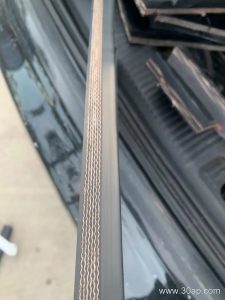
The carcass does the pulling. In fabric core conveyor belts, multiple plies of EP or NN fabric are bonded under heat and pressure. EP fabric core conveyor belts are common where low elongation and good troughability are both needed. Steel cord belts use brass-plated cords laid in parallel, giving very high strength with minimal stretch, which suits long overland and high-lift conveying.
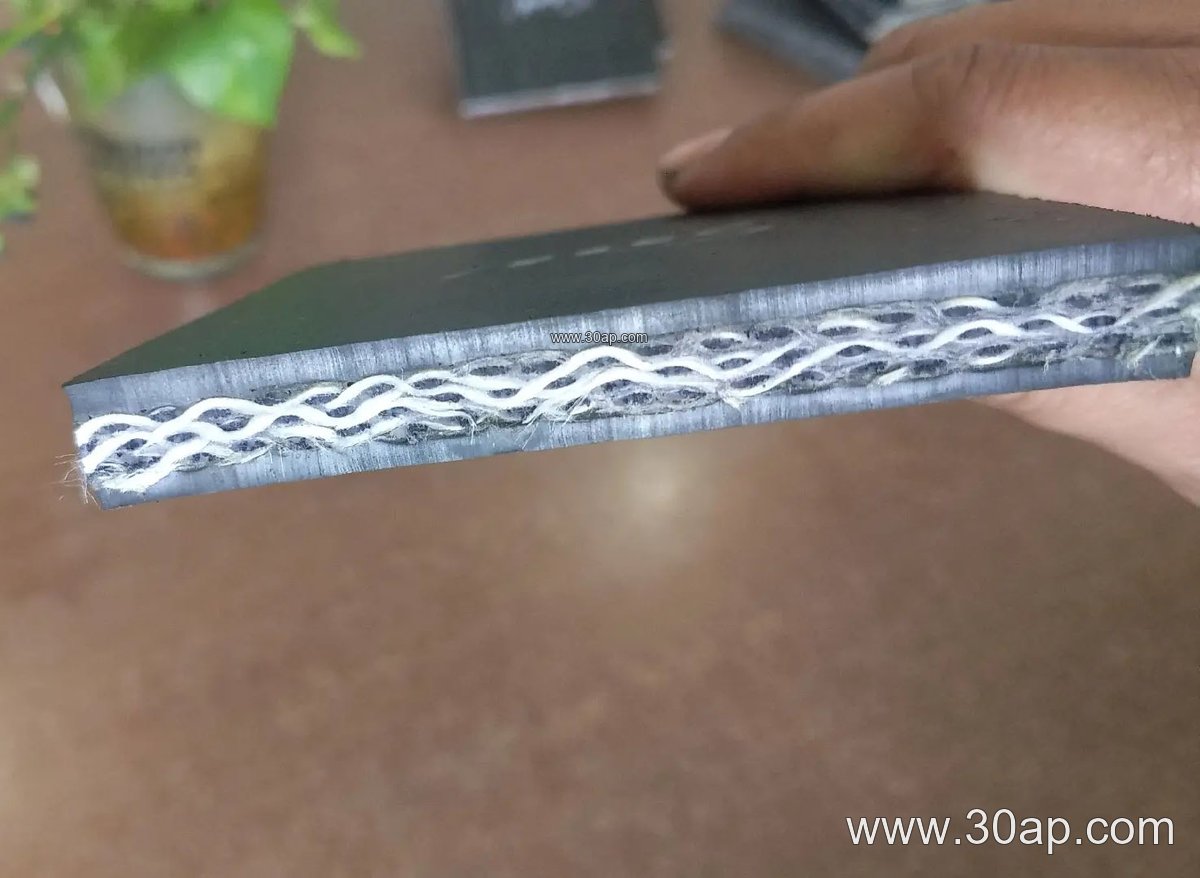
Cover rubber protects the carcass. A typical specification might be 6+2 mm or 8+3 mm for abrasive rock, while a 4+2 mm cover is often enough for lighter bulk material. Cover thickness, rubber grade, and ply count should be chosen together, not separately.
Common Strength Grades and Formats
The table below shows reference values often discussed in specifications. Actual supply should follow the conveyor design and the manufacturer’s data.
| Format | Typical strength reference | Notes |
|---|---|---|
| EP conveyor belt | EP200, EP315, EP400, EP630, EP1000, EP1250, EP1600 | Multi-ply fabric core, good for general bulk handling |
| NN conveyor belt | NN200, NN300, NN400 | Nylon fabric carcass, good flexibility |
| Steel cord conveyor belt | ST1000, ST1600, ST2000, ST2500 | Long distance, high tension, low stretch |
| PVG / PVC belt | PVG800S and similar | Often used in underground coal mining |
Belt width is selected from the conveyor’s capacity and lump size. Common widths include 650mm, 800mm, 1000mm, 1200mm, 1400mm, and 1600mm; wider belts such as 1800mm and 2000mm appear on large port and plant conveyors. Width and pulley diameter are separate design decisions, and no single belt width fixes one pulley size.
Where High Strength Belts Are Used
Mining and quarrying are the classic applications. A high strength conveyor belt may run on a primary crusher discharge, a downhill ore conveyor, or a long overland route at a copper or iron ore site. In coal mining, flame retardant and anti-static properties are usually required alongside strength, especially for underground mining conveyor belts.
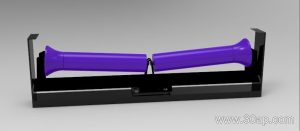
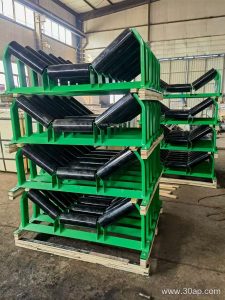
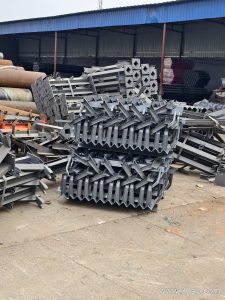
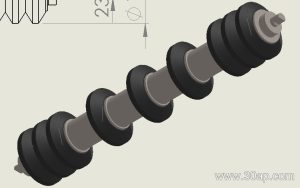
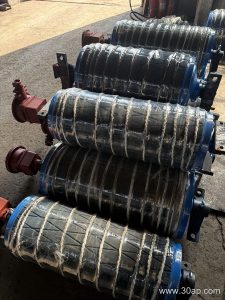
Cement plants use abrasion resistant belts for clinker and limestone. Power plants rely on heat resistant conveyor belts where material temperature is elevated. Ports and ship loading terminals favor wide, heavy-duty belts for high throughput. The belt works with idler rollers, conveyor pulleys, and conveyor brackets, so alignment of the whole conveyor matters as much as belt grade.
Buyer Checklist
- Confirm the calculated maximum tension and select a carcass grade with margin.
- Match the cover compound to the duty: abrasion resistant for rock, heat resistant for clinker, oil resistant for oily feedstock, cold resistant for winter sites.
- Check flame retardant and anti-static requirements for underground coal mining.
- Review splice method and expected splice strength, since a weak joint limits the whole belt.
- Verify belt width, cover thickness, and ply count against the conveyor design rather than copying a neighboring line.
For a reliable high strength conveyor belt, share the conveyor layout, material data, and operating environment with the supplier. More details on belt and component selection are available at www.morningbelt.com and www.morningbelt.com/high-strength-conveyor-belt, where related conveyor pulley and idler roller information can help complete the specification.