What a Stainless Steel Idler Is
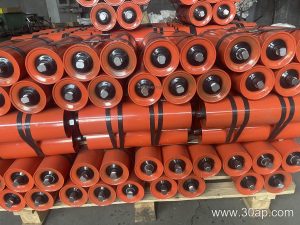
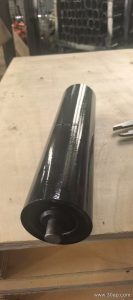
A stainless steel idler is a conveyor roller whose shell, shaft and end hardware are made from stainless grades instead of painted carbon steel. It performs the same job as any idler roller in a troughing, return or transition position, but it is chosen where moisture, washdown, salt air or mildly aggressive dust would quickly attack a standard roller. In a wet sand and gravel line, a coastal port terminal or a food handling plant, the difference between a rusted roller and a clean one is often the difference between a smooth belt run and a seized shaft.
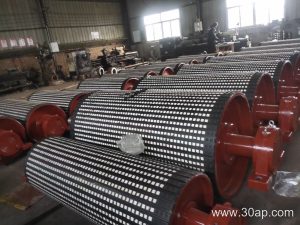
The accurate equivalent name for this item is a stainless conveyor roller. Both terms describe the same product, and neither should be confused with a conveyor pulley, which is a larger drum that drives, returns or bends the belt.
How the Roller Is Built
Most stainless idlers use a welded or seamless tube shell, a through shaft, stamped or machined bearing housings, and a multi-stage seal. Common shell diameters include Ø63, Ø89, Ø108, Ø133 and Ø159 mm, with larger sizes such as Ø178 and Ø219 mm used on heavy return positions. Bearing seats usually take standard sizes such as 6204, 6205, 6305 or 6308, matched to the load and shaft design rather than to the belt width alone.
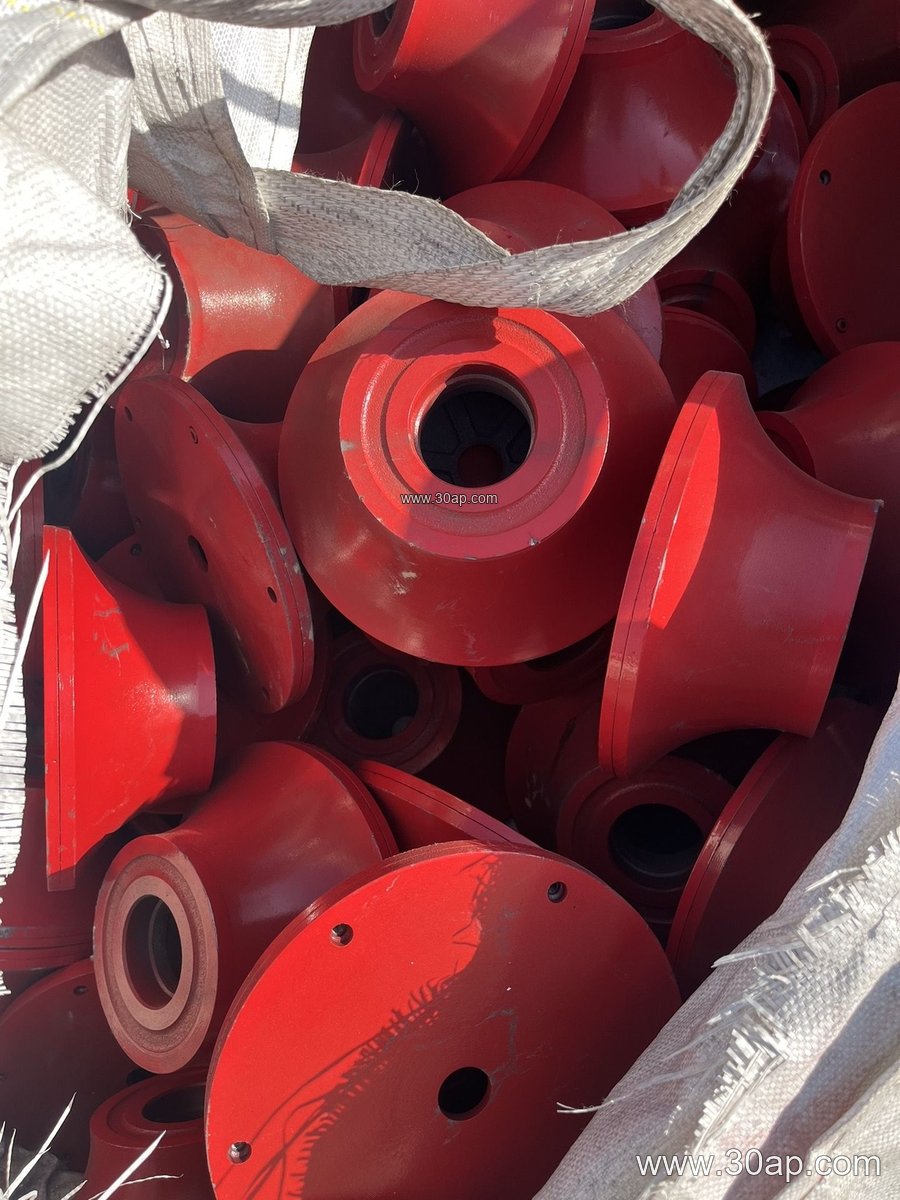
Sealing matters more than the steel grade in many wet plants. Labyrinth seals, felt rings and grease-filled end caps keep fine slurry and grit away from the bearing. The roller surface can be plain tube, or it can carry a rubber ring for impact absorption at a loading point.
- Shell: stainless tube, sometimes with a rubber ring or ceramic sleeve
- Shaft: stainless round bar, machined at the bearing seats
- Bearing: sealed deep groove ball bearing, greased for life or relubricable
- Seal: labyrinth plus contact seal, with a protective end cap
Where It Fits on the Conveyor
The stainless version appears in a few positions more often than others. Troughing idlers on the carrying side, return rollers under the belt, and transition idlers near the head or tail are typical. In a tunnel discharge or a fertilizer store, corrosion from damp fines is constant, so stainless return rollers and stainless brackets are often paired. On a quarry conveyor belt that runs through a wash bay, the same choice protects the roller from daily spray.
It is worth separating the roles. A drive pulley pulls the belt, a tail pulley sets the return end, and a bend pulley changes direction. None of these is an idler. If a plant needs corrosion resistance at the drive, that is a pulley specification, not a roller one. A stainless idler only supports and guides the belt between those drums.
Matching Roller Size to Belt Width
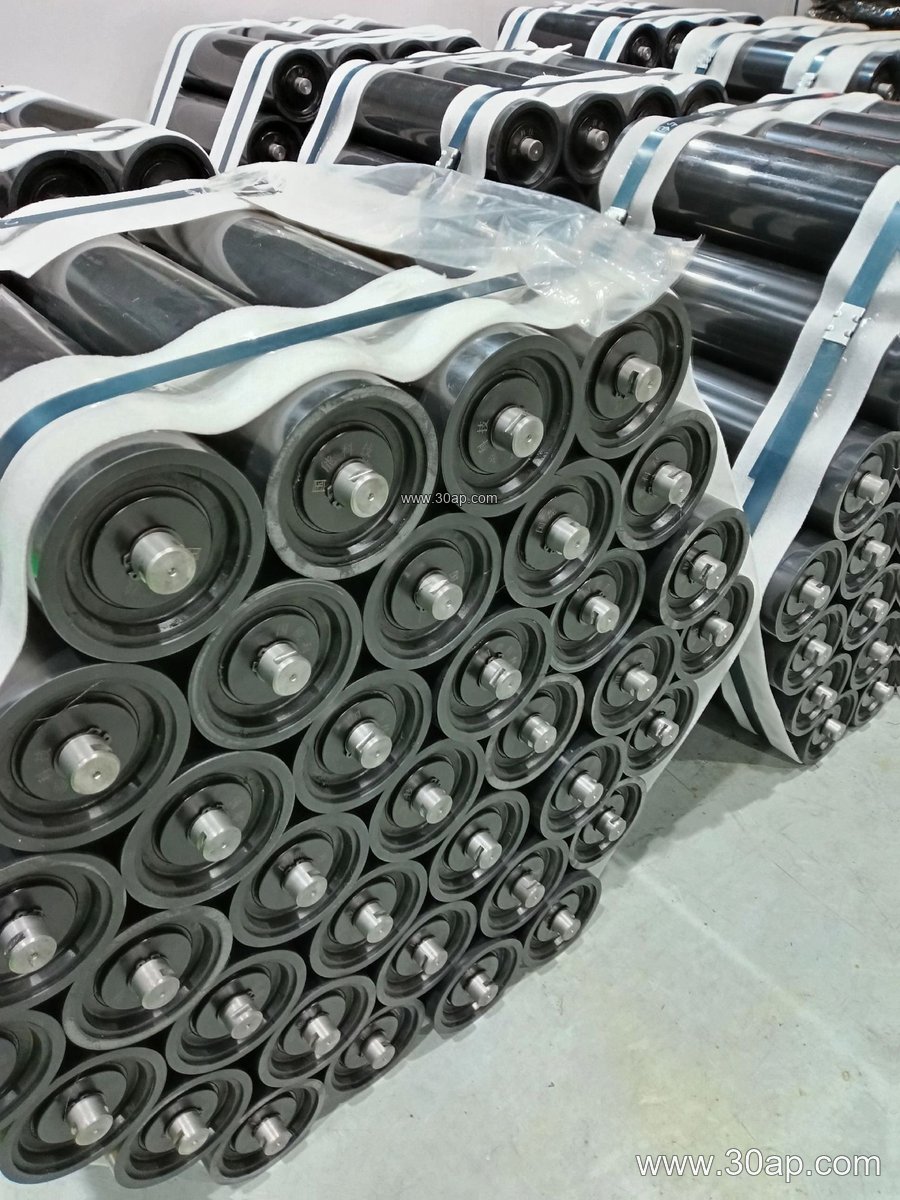
Roller length follows belt width, trough angle and the idler set form. A three-roll troughing set on a B800 belt commonly uses a roll around 315 mm long, while a B1200 set often uses about 465 mm. These are typical examples only. Side rolls and centre rolls differ, and the final length is fixed by the frame design. The table below gives reference values for common arrangements.
| Belt width | Typical roll length, three-roll trough | Common trough angle | Note |
|---|---|---|---|
| B500 | about 200 mm | 20 to 35 degrees | centre and side rolls differ |
| B650 | about 250 mm | 20 to 35 degrees | check frame opening |
| B800 | about 315 mm | 30 to 35 degrees | transition sets may be shorter |
| B1000 | about 380 mm | 30 to 35 degrees | load and speed affect diameter |
| B1200 | about 465 mm | 30 to 35 degrees | heavier belt needs larger bearing |
| B1400 | about 530 mm | 30 to 45 degrees | deep trough for fine material |
| B1600 | about 600 mm | 30 to 45 degrees | confirm with idler set drawing |
No belt width locks a roller to one shaft diameter, and no shaft size should be guessed from the belt alone. The load per roll, belt speed and bearing life target decide the shaft.
Choosing the Right Version for the Job
Think about the material first. A wet, sticky ore stream on a bulk material conveyor belt may call for a stainless return roller with a plain shell, while a dry aggregate line with high impact at the transfer point may prefer a rubber ring impact idler in the same stainless frame. Trough angle influences how the belt sits: 20 degrees suits flat, wide loads, while 35 or 45 degrees centres fines and reduces spillage.
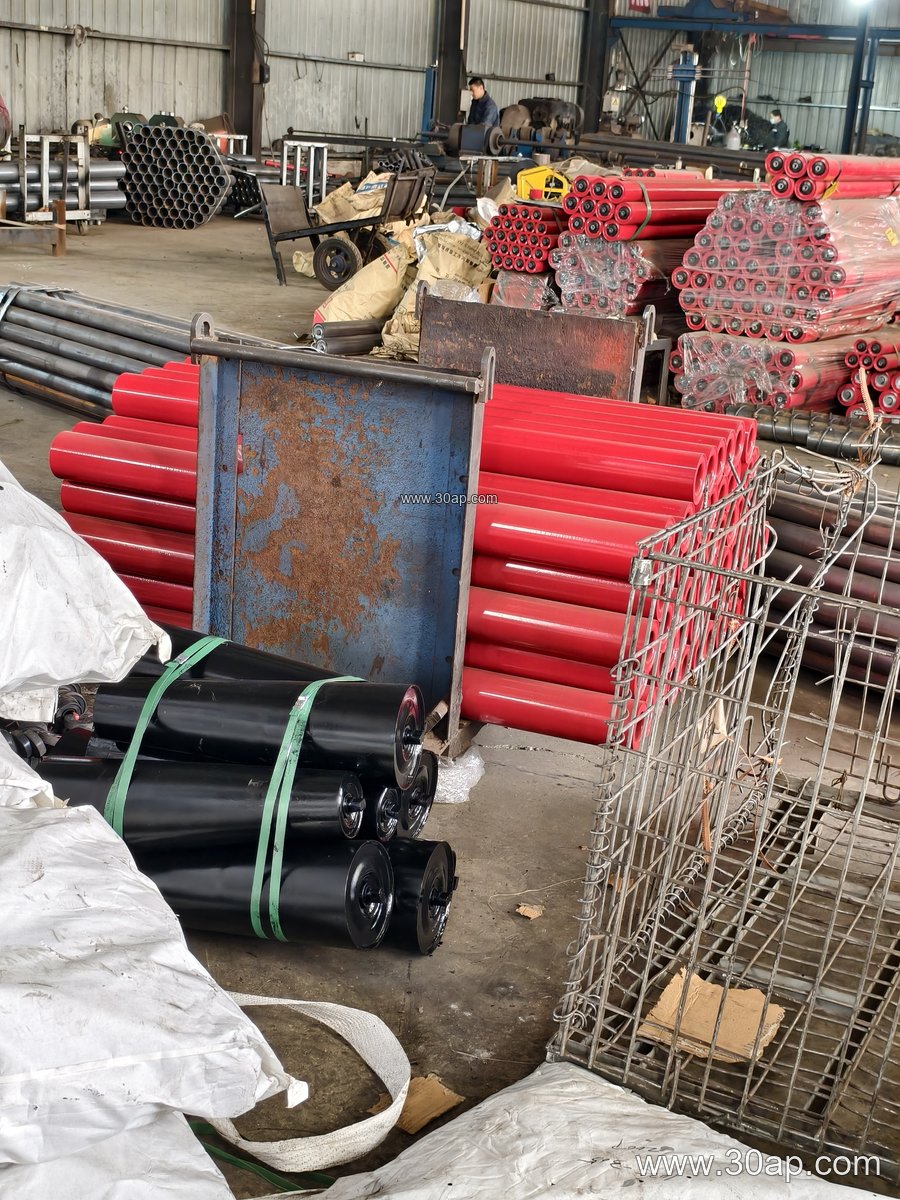
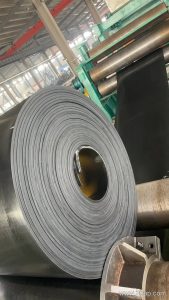
Then check the belt itself. An abrasion resistant conveyor belt running at high speed generates more heat and vibration, so roller balance and bearing quality matter. A flame retardant conveyor belt used underground brings strict requirements on the whole conveyor, and the idler must fit that environment without creating a weak point. In a cement plant, alkali dust and heat are both present; in a power plant coal yard, moisture and fine coal combine to attack carbon steel quickly. Stainless helps, but seals still do the hard work.
Ask for the roller diameter, shell thickness, shaft material grade, bearing size and seal type in writing. Confirm the frame dimensions against the conveyor bracket, and check that the roller can be lifted out for replacement without moving the belt far. Spare parts planning is simpler when one roller family covers several positions.
For matching belts and rollers across a project, see www.beltconveyorparts.com stainless steel idler and www.beltconveyorparts.com idler roller for reference drawings and size ranges.
Maintenance Notes
- Listen for a dry or grinding bearing; it usually means the seal has failed.
- Check roller rotation by hand during shutdowns, not only by eye.
- Keep washdown spray away from bearing end caps where possible.
- Replace a seized roller promptly; a locked idler wears the belt cover and can misalign the belt.
- Store spare rollers dry and upright to protect the seals.
A stainless idler is not a universal answer to every wear problem, but in wet, salty or chemically mild service it removes one common failure source and lets the belt do its work.