Why the Conveyor Bracket Defines System Reliability
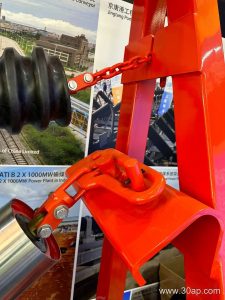
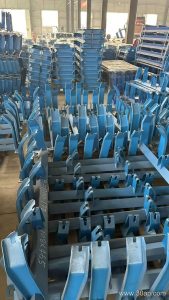
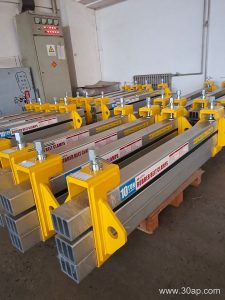
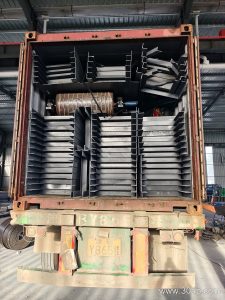
The conveyor bracket is the critical interface between your belt structure and support framework. A poorly selected bracket causes misalignment, vibration, and premature belt wear. For industrial buyers, understanding load rating, material grade, and bolt pattern is non-negotiable.
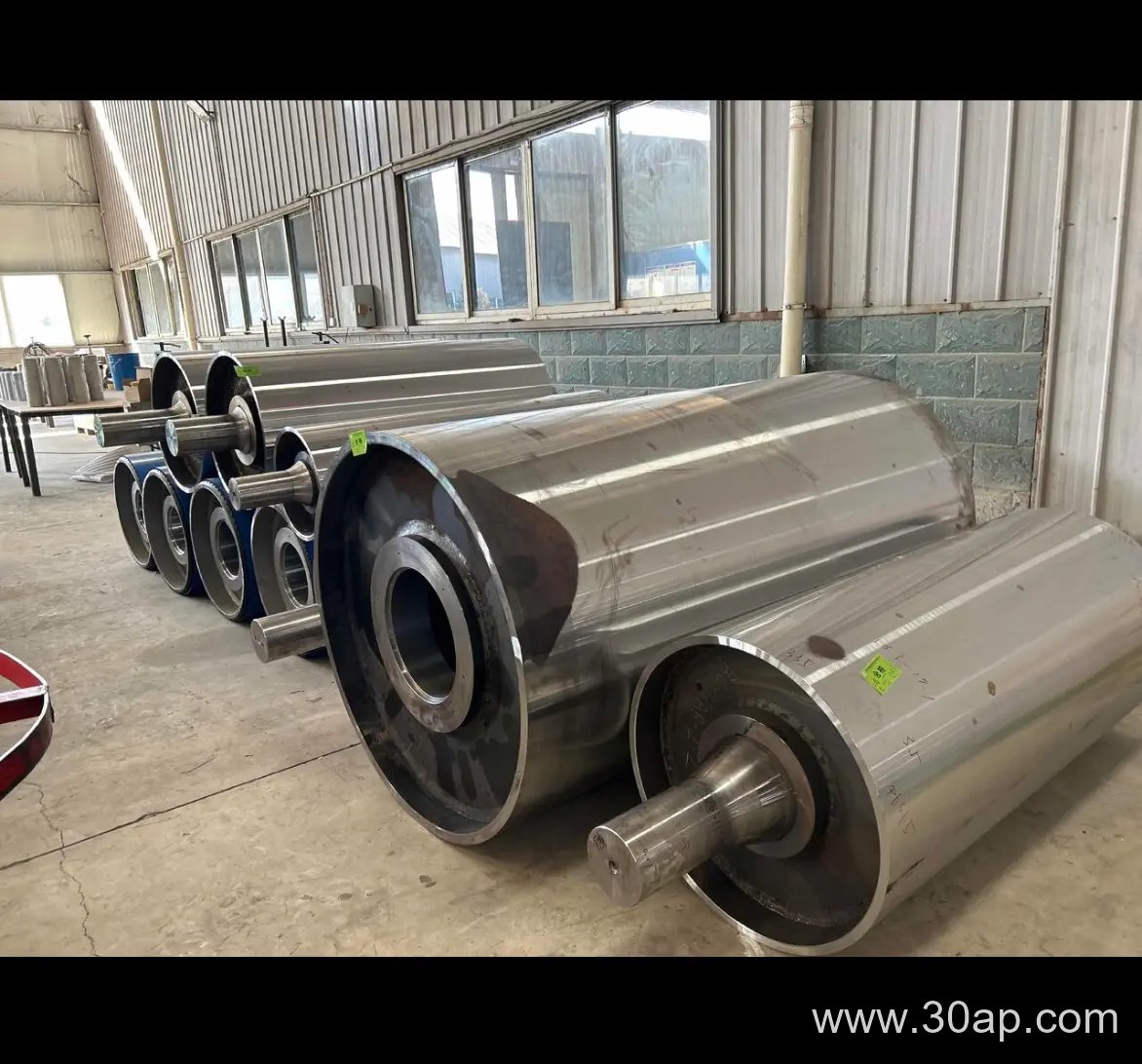
Key Selection Criteria
- Load capacity: Match static and dynamic loads, including impact at loading zones. Never exceed 80% of rated bracket strength.
- Material: Choose hot-dip galvanized steel for corrosive environments; stainless steel for food or washdown lines; aluminum for lightweight portable conveyors.
- Adjustability: Slotted mounting holes allow fine-tuning of idler roll height and angle—essential for belt tracking.
Installation and Purchasing Advice
- Verify bolt spacing against your existing stringer or channel profiles before ordering.
- Use lock washers and thread-locking compound on all bracket fasteners to resist vibration loosening.
- Request sample brackets for fit testing when retrofitting older conveyor frames.
- Consider universal brackets with multiple bolt-hole patterns to reduce SKU count.
Always consult the manufacturer’s torque specifications and inspect brackets for cracks or deformation every 500 operating hours. A robust conveyor bracket is a low-cost insurance policy against costly downtime.
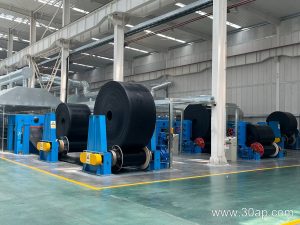
Why the Conveyor Belt Remains the Backbone of Material Flow
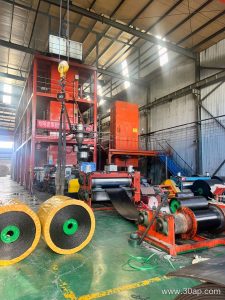
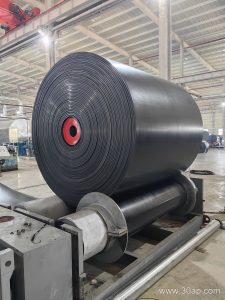
The conveyor belt is more than a moving surface—it is the critical link between production stages. Selecting the wrong belt leads to downtime, product damage, and inflated maintenance costs. This guide focuses on the conveyor belt itself: its construction, performance, and purchase criteria.
Understand Belt Construction Layers
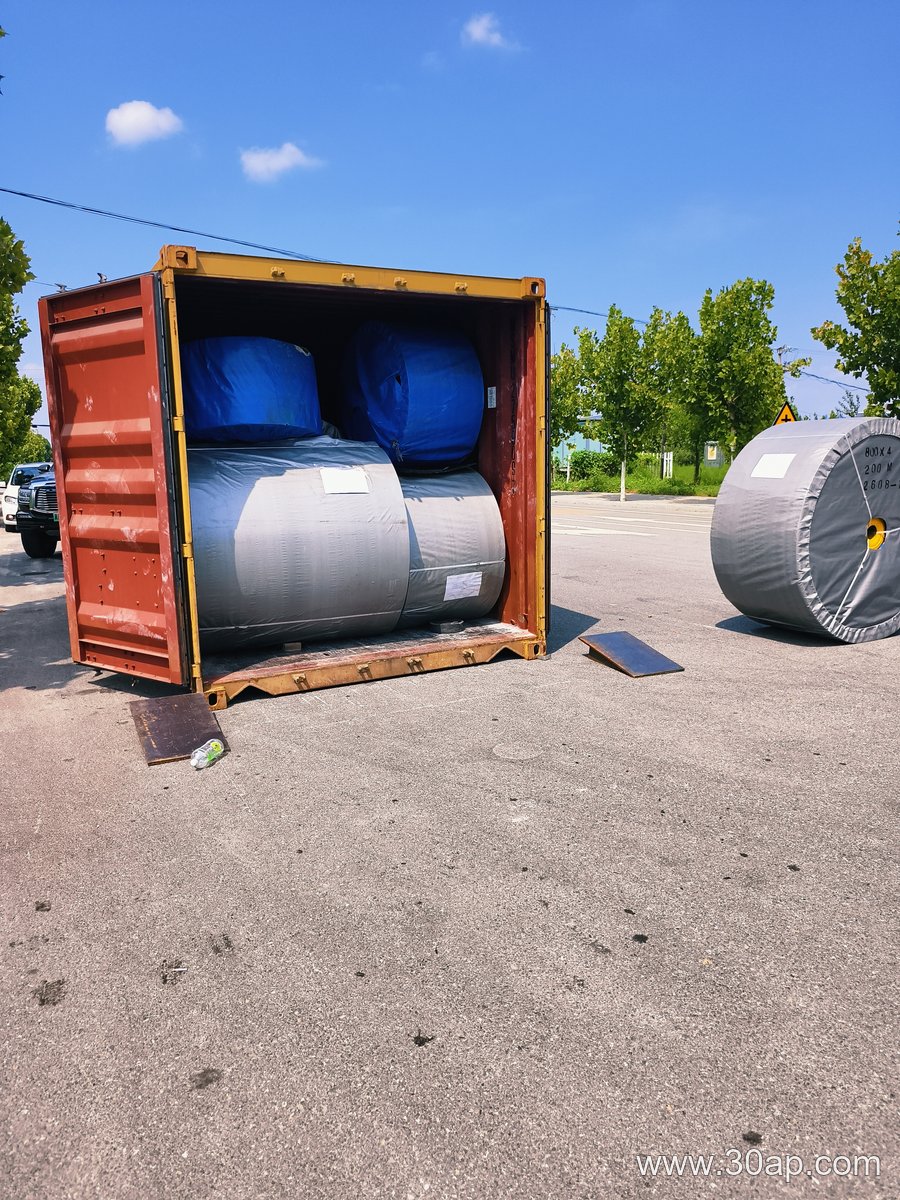
Every conveyor belt consists of a carcass (fabric, steel, or aramid) and a cover compound. The carcass provides tensile strength; the cover resists abrasion, oil, heat, or chemicals. For abrasive bulk materials, choose a thicker rubber cover (e.g., 8:3 or 10:2 mm). For food handling, use a PVC or PU belt with FDA compliance.
Match Belt to Your Operational Conditions
- Heat: Use a heat-resistant belt (up to 200°C) with ethylene-propylene diene monomer (EPDM) covers.
- Oil/fat: Nitrile rubber (NBR) resists swelling and cracking.
- Sharp loads: Reinforce with steel cords or a higher breaker layer.
- Incline: Add chevron profiles (15–45° angles) to prevent backslip.
Purchase Advice: Speed, Width, and Tension
Calculate belt speed (m/s) based on your tonnage and material density. Width must exceed the largest lump size by at least 200 mm to avoid jamming. Also, request a tension rating (kN/m) from the manufacturer and verify belt elongation under startup load.
Inspect Before You Finalize
Ask for a splice sample and test certificate. A good conveyor belt will have uniform thickness, no edge fraying, and a consistent hardness shore A (typically 60–70). Always order 3–5% extra length for splicing and take-up adjustments.
Idler Roller: The Backbone of Reliable Bulk Material Handling
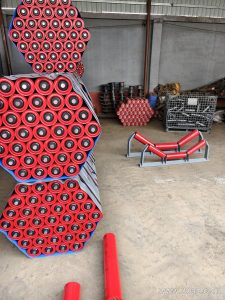
An idler roller is far more than a simple support cylinder—it shapes belt trajectory, absorbs impact, and directly influences conveyor energy consumption. Choosing the wrong idler can lead to premature belt wear, material spillage, and costly downtime. This guide covers key specifications and procurement factors for industrial buyers.
Critical Idler Roller Specifications
Before purchasing, verify these five parameters against your conveyor design and operating environment:
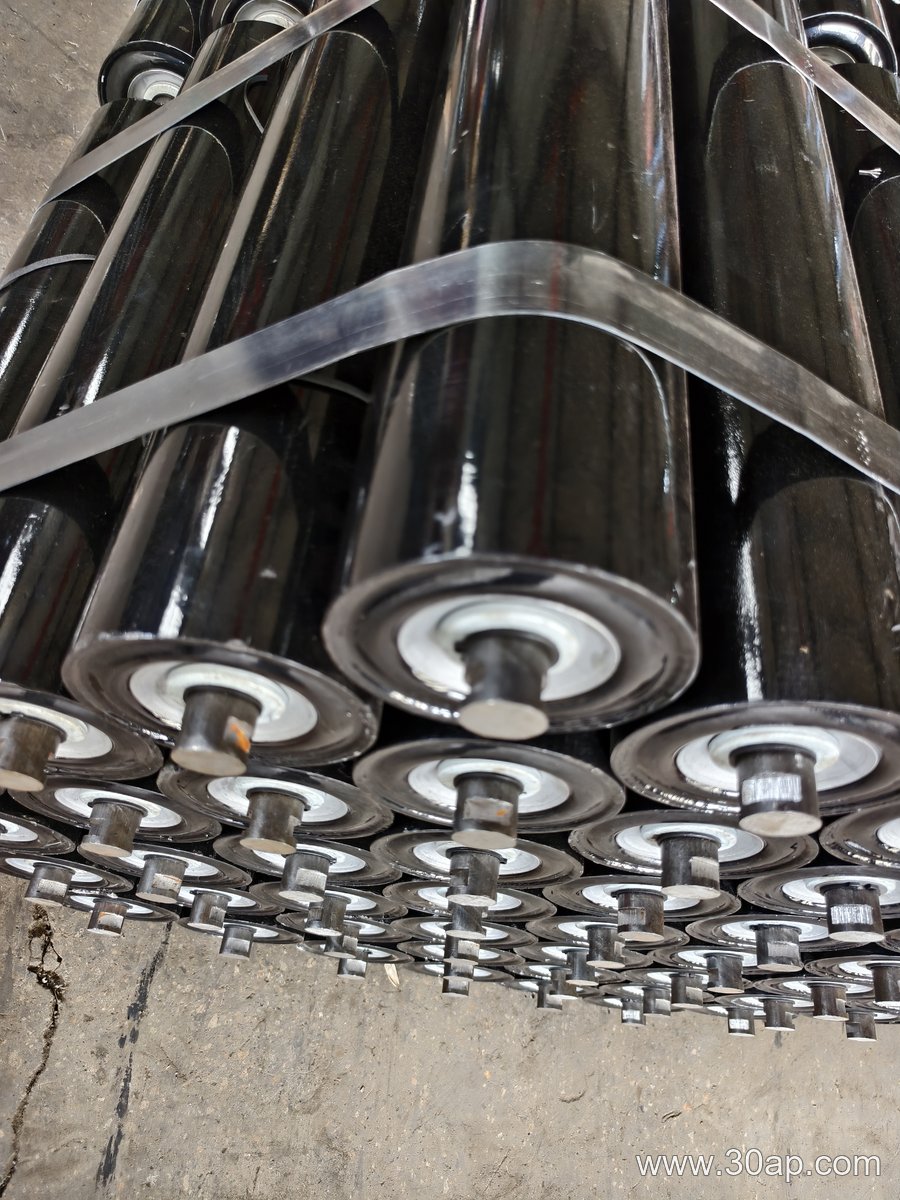
- Roller diameter and wall thickness – larger diameters reduce belt flex fatigue; thicker walls resist abrasive wear.
- Shaft and bearing quality – sealed bearings with proper clearance handle radial loads and contamination better.
- Idler spacing and trough angle – match manufacturer recommendations for belt width and material density.
- Shell material and coating – steel for heavy duty, rubber disc or ceramic for sticky or corrosive materials.
- Sealing system – labyrinth plus contact seals extend service life in dusty or wet conditions.
Selection and Purchasing Advice
Start by calculating the dynamic load per idler using belt weight, material bulk density, and speed. Always request load test data from suppliers. Prefer modular idler frames for quicker maintenance. Compare total cost of ownership, not just unit price—energy-saving low-friction idlers often pay back within a year. Insist on ISO 2515 or CEMA compliance for interchangeability. Finally, order spare rollers for critical sections and store them vertically to avoid shaft damage.
Why the Conveyor Pulley Defines System Efficiency
The conveyor pulley is the cylindrical powerhouse that drives, redirects, and tensions your belt. A poorly chosen unit causes slippage, belt misalignment, and premature wear. For bulk handling, mining, or logistics, start with the pulley—not the frame.
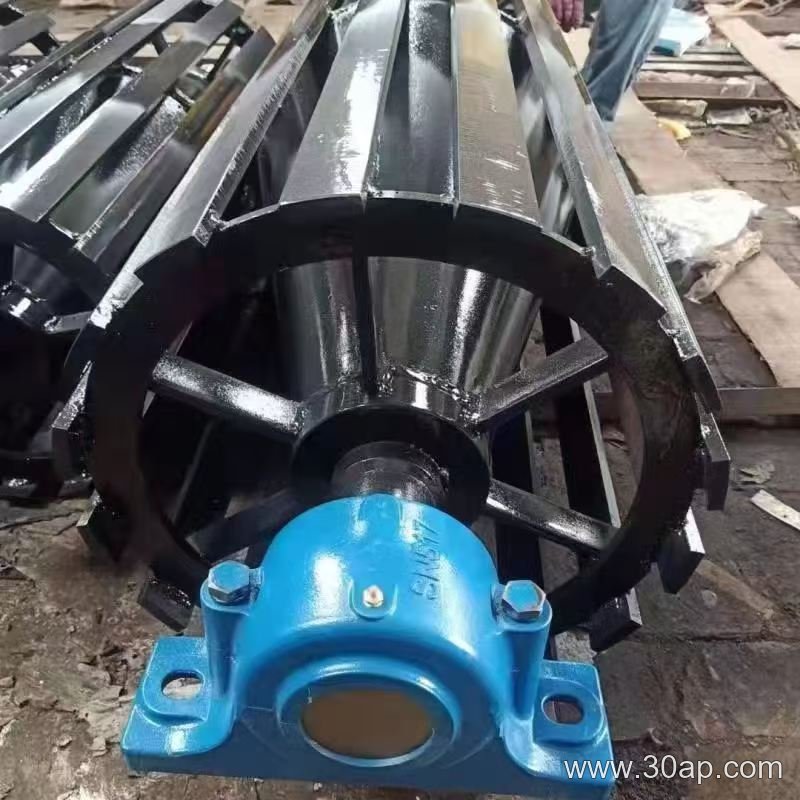
Key Types and Their Roles
- Drive pulleys: Mounted on the motor shaft; require lagging for grip.
- Idler pulleys: Support belt sag and change direction—use at tail or take-up.
- Snub pulleys: Increase wrap angle near the drive for higher torque.
Selection and Purchasing Advice
Match the pulley diameter to belt speed and tension—never undersize. Request crown face for self-centering. For abrasive materials, specify vulcanized rubber lagging (ceramic for wet conditions). Verify shaft deflection under peak load and choose sealed bearings for dusty environments. Always confirm the hub-bushing system is compatible with your existing shaft. Buy from suppliers who provide static and dynamic balancing certificates—this prevents vibration and extends bearing life. Finally, calculate the minimum pulley diameter using belt manufacturer data; oversizing adds cost, but undersizing cracks the belt carcass. For retrofits, measure the existing shell thickness and weld quality before ordering.