What the ST1600 Conveyor Belt Is
The ST1600 Conveyor Belt is a steel cord conveyor belt with a nominal tensile strength of 1600 N/mm. It belongs to the ST series, where ST1000, ST1250, ST2000, ST2500 and ST3150 sit alongside it at different strength levels. The ST1600 is a common choice for main haulage lines that carry a lot of material over long distances and need a belt that holds its tension without excessive stretch. In mining, coal preparation, cement plants and port loading systems, this steel cord belt is often the backbone of the whole conveying circuit.
In the wider family of Steel Cord Conveyor Belt products, the ST1600 sits in the medium-to-heavy range. Compared with a Fabric Core Conveyor Belt or a Multi-Ply Fabric Core Conveyor Belt, it handles longer centre distances and higher tensions, while remaining more flexible than the very high strength ST3150 grades.
Construction and Build
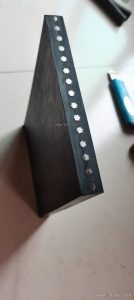
The belt is built around parallel steel cords embedded in a rubber core, with top and bottom cover rubber protecting the carcass. The cords carry the tension, so the belt elongates very little under load, which keeps take-up travel modest and helps the belt run steadily on the conveyor pulley and idler roller sets. Cover compounds are selected for the duty: an Abrasion Resistant Conveyor Belt cover for sharp rock, a Heat Resistant Conveyor Belt cover near clinker or sinter, and a Flame Retardant Conveyor Belt or Fire Resistant Conveyor Belt compound for coal mining conveyor belt applications underground.
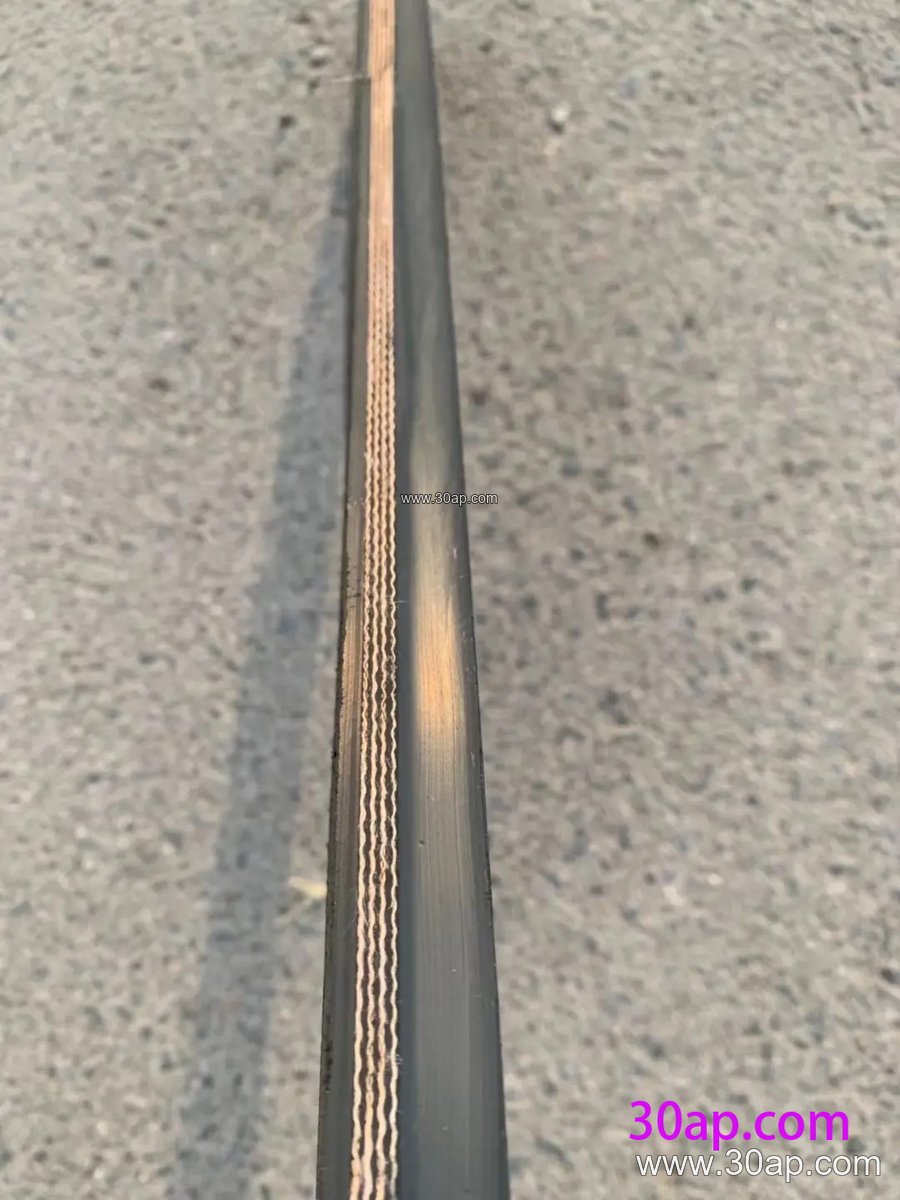
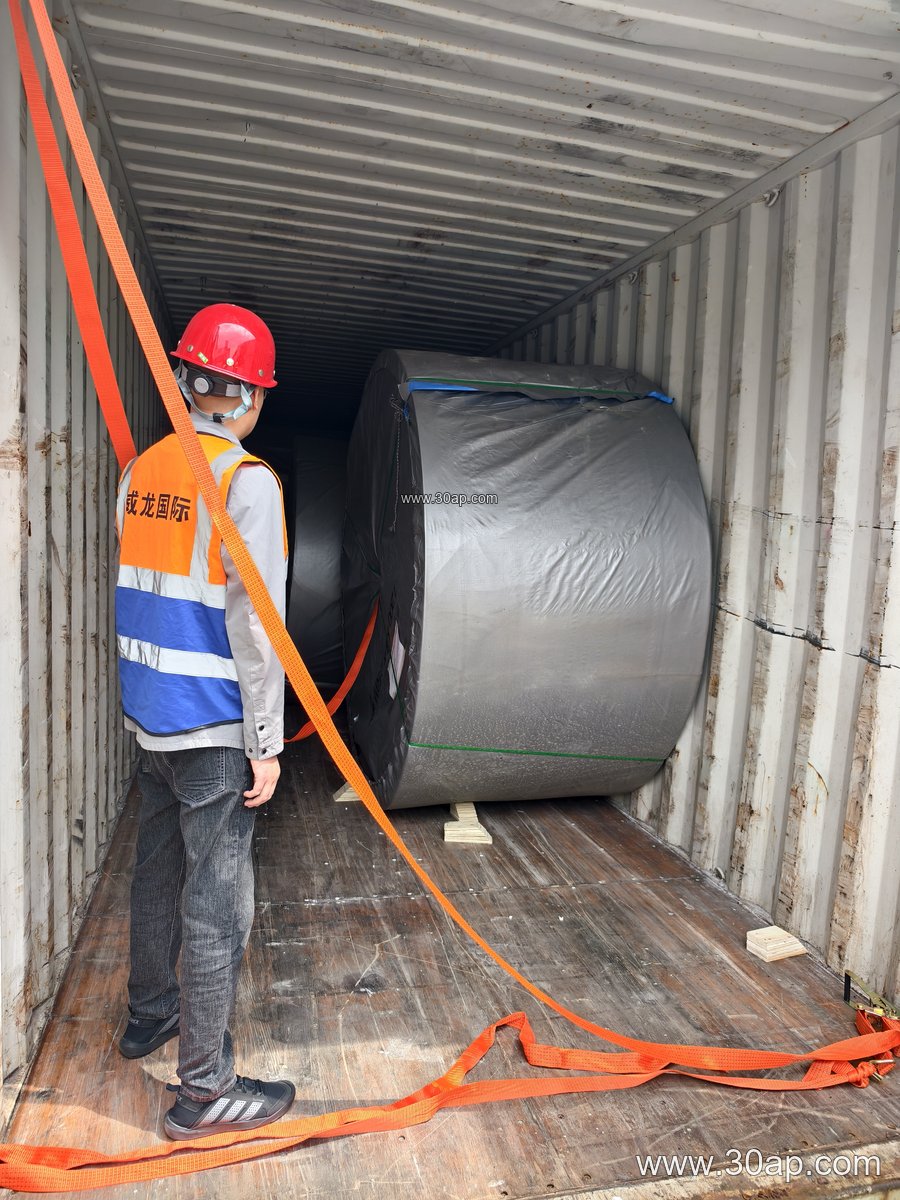
Typical cover thicknesses include 4+2 mm, 5+2 mm, 6+2 mm and 8+3 mm, and the belt width usually ranges from B800 to B2000 depending on the tonnage and lump size. These are common reference values; final construction is set by the conveyor design and by the belt maker’s data sheet.
Where It Fits on the Conveyor
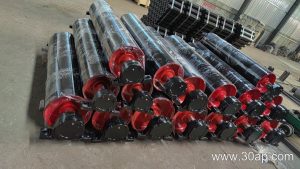
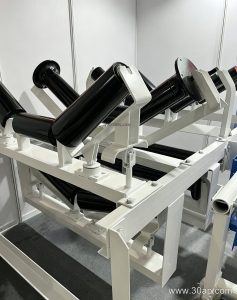
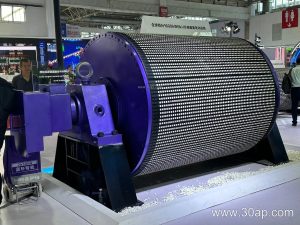
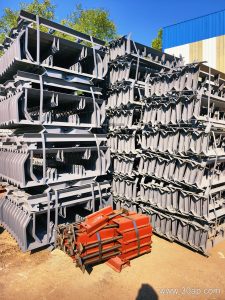
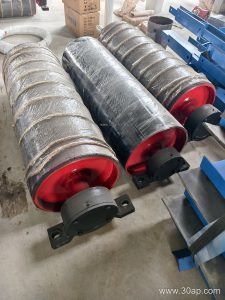
A steel cord belt of this class works with a matched set of components. The drive pulley transmits the pull, the tail pulley returns the belt, and bend pulleys guide it through the tension station. None of these are interchangeable with the others, and each is sized for the belt tension and wrap angle. Idler rollers support the loaded strand, while the conveyor bracket and frame keep everything aligned. On a typical mine or quarry conveyor belt line, the ST1600 runs alongside impact idlers at the loading point and training idlers on the return side.
Applications Across Industries
Heavy bulk streams are the natural home of this belt. It appears in iron ore and copper ore handling, gold mining conveyor belt circuits, quarry conveyor belt and aggregate conveyor belt lines, and crusher conveyor belt feeds where lumps hit hard. Cement plants use it on clinker and raw meal routes, power plants on coal and ash, and steel plants on sinter and coke. Port conveyor belt and ship loading conveyor belt systems also rely on high strength steel cord belts for long booms.
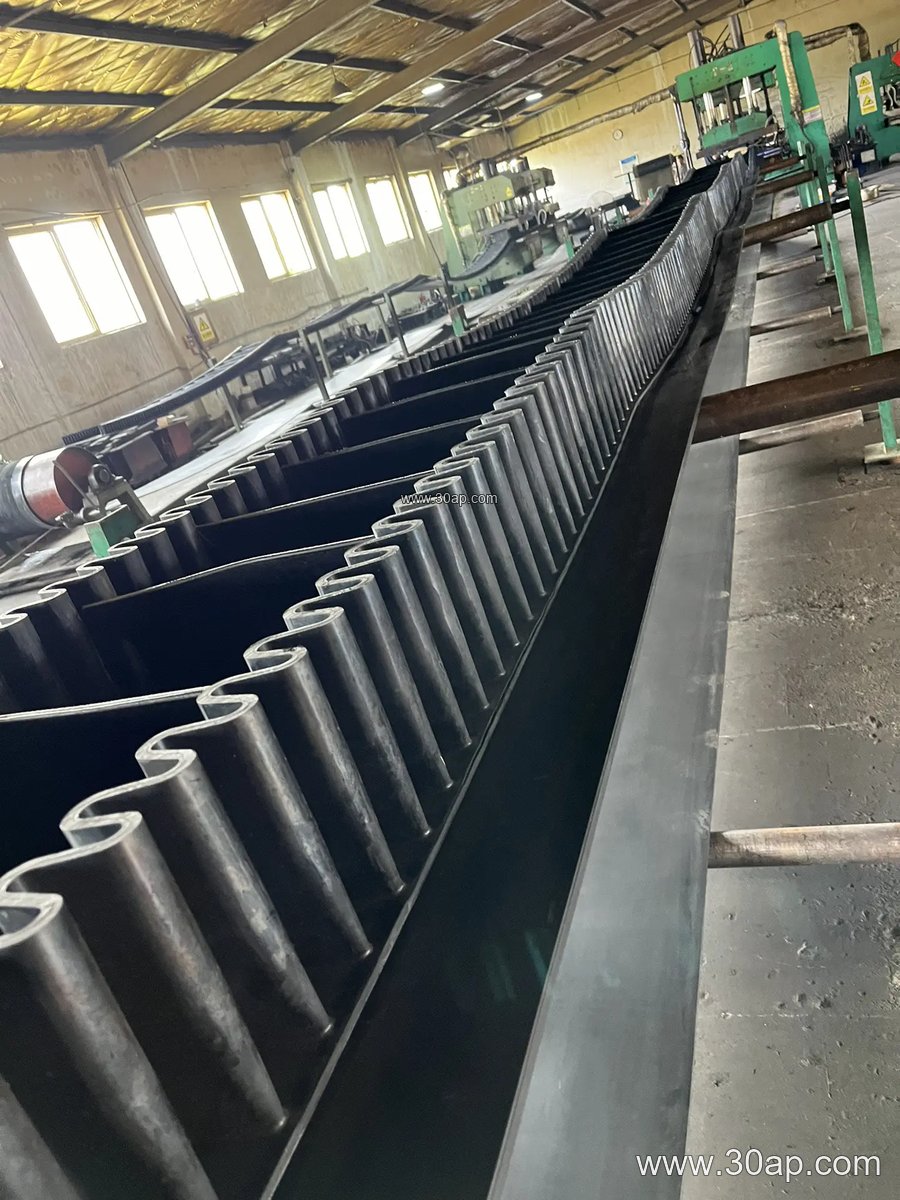
For special routes, other belt forms may be compared: a Corrugated Sidewall Conveyor Belt or Chevron Conveyor Belt for steep inclines, a Pipe Conveyor Belt for dust-tight curves, an Endless Conveyor Belt for short fixed-centre machines. These are alternatives for particular layouts, not replacements for the ST1600 itself.
Specifications a Buyer Should Check
Confirm the strength grade, belt width, cover thickness and cord pitch against the conveyor calculation. The table below lists typical reference values, not a fixed supply promise.
- Strength grade: ST1600, with ST1000, ST1250, ST2000, ST2500 and ST3150 as neighbouring options
- Belt width: B800, B1000, B1200, B1400, B1600, B1800, B2000
- Cover thickness: 4+2 mm, 5+2 mm, 6+2 mm, 8+3 mm
- Cover type: abrasion resistant, heat resistant, flame retardant, oil resistant, anti-static, cold resistant
- Jointing: vulcanised splice, with splice strength confirmed by the supplier
Selection and Maintenance Notes
Match the belt to the actual duty, not to a catalogue headline. Check the maximum lump size, the drop height at the transfer point, the material temperature and any oil or chemical exposure. If the load is abrasive and wet, a High Abrasion Resistant Conveyor Belt cover may be worth the extra cost. If the line runs underground, flame retardant and anti-static properties usually take priority. Belt width and pulley diameter should be checked together with the conveyor designer; a wide belt does not automatically dictate one shaft size, and one belt width can work with several pulley dimensions.
In service, watch for cord damage at the splice, cover wear at the loading zone, and misalignment around the tail pulley. Keep idler rollers turning freely, inspect the conveyor bracket fixings, and re-tension only as the manufacturer advises. For replacement planning, record the belt’s strength grade, width and cover combination so the next order matches the machine. More belt guidance is available at belttech.example for conveyor belt selection, and at beltrubber.example for idler roller and conveyor pulley details.