What an EP Rubber Conveyor Belt Is
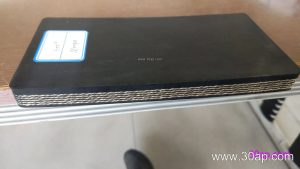
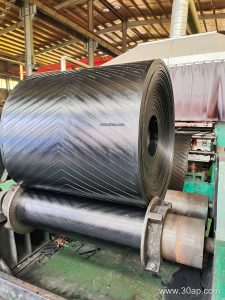
An EP rubber conveyor belt is a fabric-core belt built around warp threads of polyester and weft threads of polyamide (nylon). The carcass is bonded to rubber covers on both faces, giving a belt that stretches very little under load while resisting repeated flexing over pulleys. In everyday plant language it is simply called an EP Conveyor Belt, and the same product is also described as an EP Fabric Core Conveyor Belt. EP stands for the polyester–nylon carcass, not for the rubber compound itself. In a quarry, coal preparation plant, cement works or power station coal yard, this belt is the usual workhorse on main haulage and yard conveyors.
Because the carcass is woven rather than made of steel cords, the belt is lighter than a Steel Cord Conveyor Belt of comparable strength and can be spliced with stepped fabric joints. For medium and long hauls where shock loading is moderate, that balance of strength, weight and repairability makes it a practical choice.
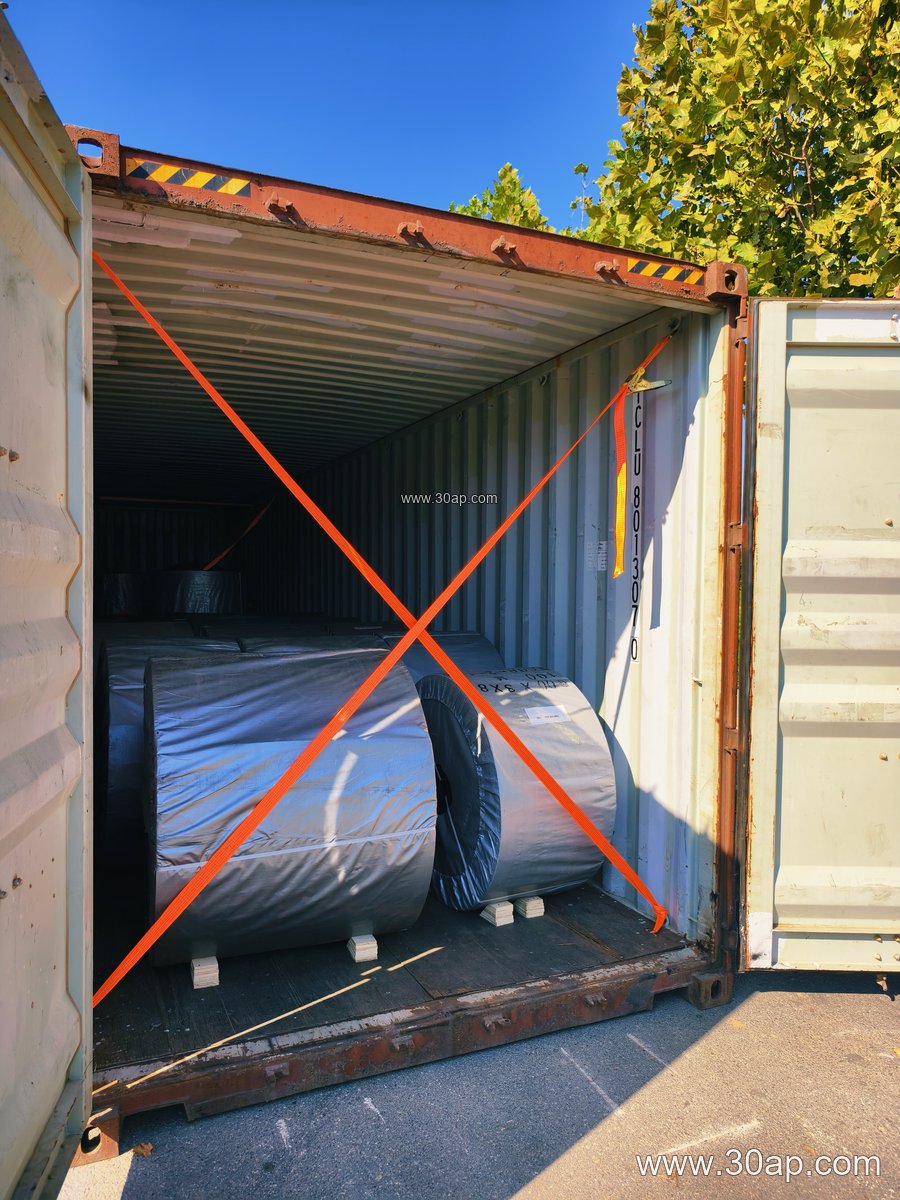
How the Belt Is Built
Production starts with the fabric plies. Polyester warp gives low elongation, and nylon weft gives impact tolerance and edge flexibility. Plies are calendered with rubber skim, laid up, and consolidated under heat and pressure. Top and bottom covers are then applied. A buyer can think of the belt in four parts:
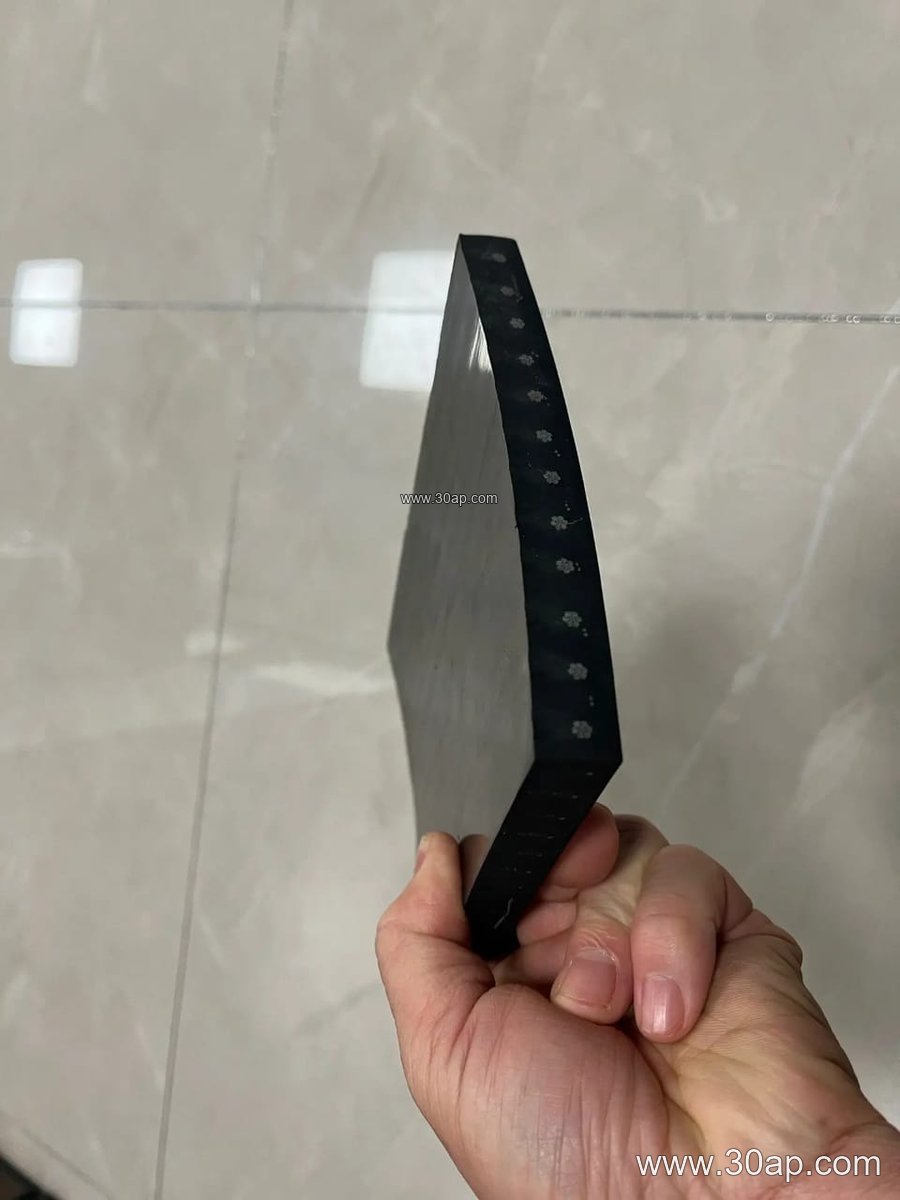
- Carcass – usually 2 to 6 plies of EP fabric, determining tensile strength.
- Skim and friction layers – rubber between plies, preventing ply separation.
- Top cover – carries the material and takes the abrasion.
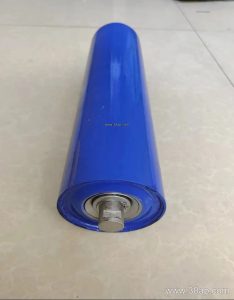
- Bottom cover – runs on the idler roller and pulley faces.
Cover grades are chosen for the duty. An Abrasion Resistant Conveyor Belt is common in stone crushing and aggregate handling; a Heat Resistant Conveyor Belt suits clinker or sinter areas; a Flame Retardant Conveyor Belt or Fire Resistant Conveyor Belt is specified for underground coal mining and enclosed galleries. Oil Resistant Conveyor Belt and Cold Resistant Conveyor Belt grades cover other climates and cargoes.
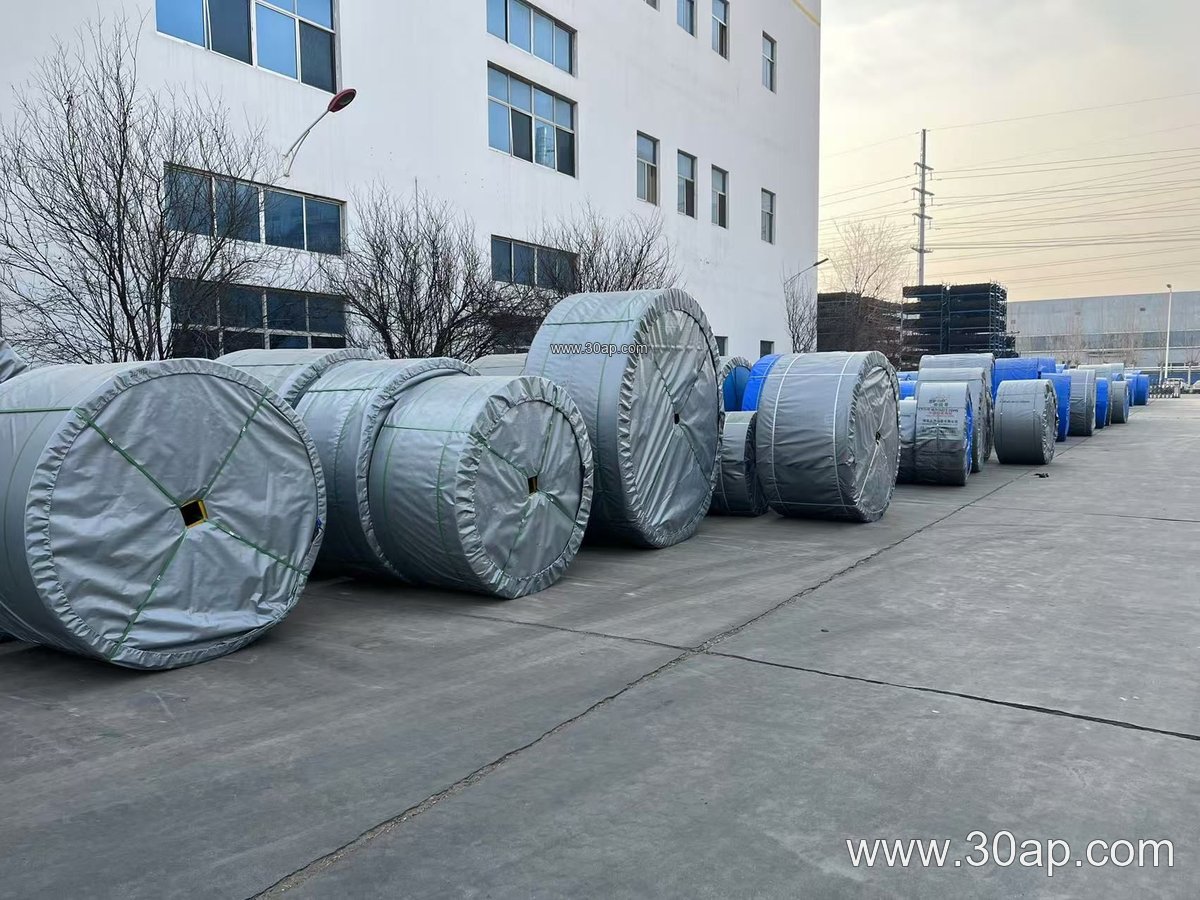
Strength Grades and Common Dimensions
EP belts are graded by the tensile strength of the carcass, expressed in newtons per millimetre of width. The table below shows typical grades and common belt widths; actual combinations are decided by conveyor design, not by a single fixed rule.
| Strength grade | Common belt widths | Typical cover thickness |
|---|---|---|
| EP200 | B500, B650, B800 | 3+1.5 mm |
| EP315 / EP400 | B650, B800, B1000 | 4+2 mm |
| EP500 / EP630 | B800, B1000, B1200 | 5+2 mm |
| EP800 / EP1000 | B1000, B1200, B1400 | 6+2 mm |
| EP1250 / EP1600 | B1200, B1400, B1600, B1800 | 8+3 mm |
| EP2000 | B1600, B1800, B2000 | 8+3 mm or heavier |
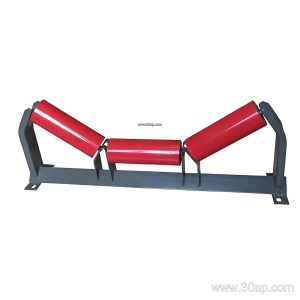
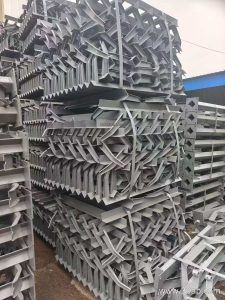
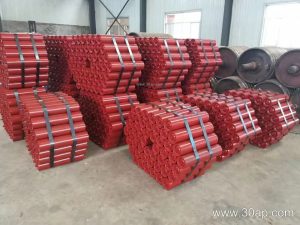
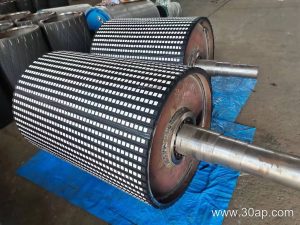
Width selection follows the lump size, tonnage and troughing angle. A 1000mm or 1200mm belt is typical on plant conveyors, while a 1600mm or 1800mm width appears on high-capacity main lines. Pulley diameters, shaft sizes and conveyor bracket dimensions are separate engineering decisions; they are not derived from belt width alone. Drive pulleys, tail pulleys and bend pulleys each have their own duty, and none of them should be treated as interchangeable with another.
Where It Fits in the Plant
Typical duties include run-of-mine haulage in an Underground Mining Conveyor Belt installation, cement plant clinker and raw meal lines, power plant coal handling, and port or ship loading systems. In a sand and gravel pit, a 800mm or 1000mm EP belt on a crusher discharge often feeds screens and stockpiles. Where the route climbs steeply, a Chevron Conveyor Belt may be compared as an alternative; where dust escapes at transfer points, a Skirted Conveyor Belt or Corrugated Sidewall Conveyor Belt solves a different problem. These are separate designs, not substitutes for a standard EP belt.
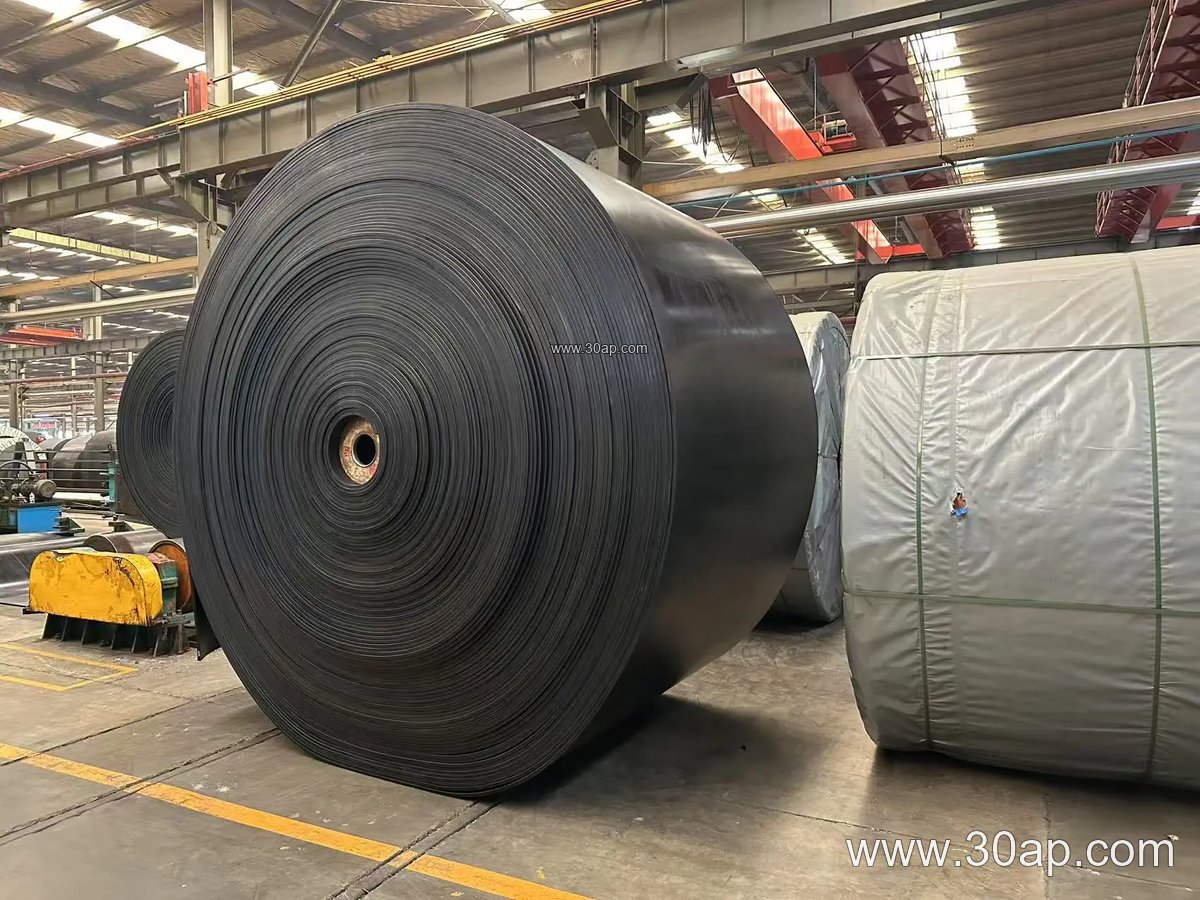
For long overland runs and very high tensions, an NN Conveyor Belt or a steel cord construction may be evaluated. NN fabric uses nylon in both directions and offers high impact resistance, but EP generally holds length more steadily. The choice should come from the tension calculation.
Buyer Checklist
- Confirm the required strength grade and the number of plies from the conveyor design.
- State the material, lump size, temperature and any oil or chemical exposure so the cover grade is correct.
- Give belt width, cover thickness and whether an Endless Conveyor Belt splice is needed on site.
- Check pulley diameters against belt thickness and splice length before ordering.
- Ask about edge condition, because ragged edges shorten service life on any Bulk Material Conveyor Belt.
Storage also matters. Keep rolls shaded, dry and off the ground, and avoid tight bends that stress the carcass. During operation, worn idler rollers and misaligned conveyor pulleys cause edge damage faster than most cargo does, so routine inspection of the whole line protects the belt investment.