What the EP800 Conveyor Belt Is
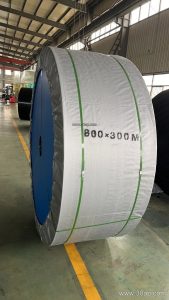
The EP800 conveyor belt is a fabric-core rubber belt built around polyester-polyamide (EP) carcass plies. The “800” refers to the nominal tensile strength of the carcass, typically expressed in N/mm. This places it in the mid-to-high strength range of EP belts, making it a practical choice for main haulage lines in quarries, cement plants, power stations, and mineral processing operations where moderate to heavy loads are moved continuously. As a fabric core conveyor belt, it balances strength with flexibility, and it can be supplied with covers formulated for abrasion resistance, heat exposure, oil contact, or flame retardancy depending on the duty.
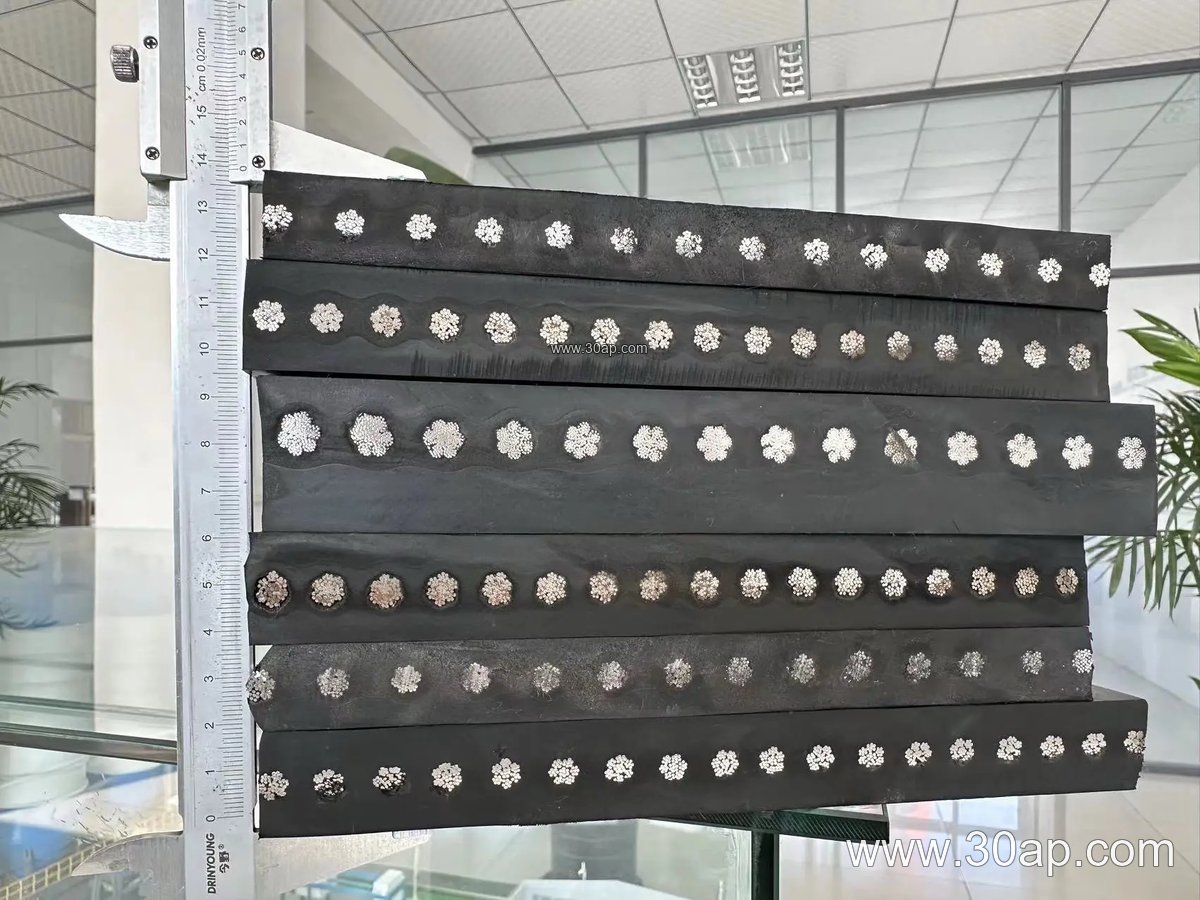
Buyers often compare it with an NN conveyor belt, which uses nylon-nylon plies. The EP carcass generally offers lower elongation under load, which helps hold take-up travel within reasonable limits on long conveyors. For very high tensions and long center distances, a steel cord conveyor belt may be the more suitable subtype, but the EP800 remains a versatile workhorse for many aggregate, cement, and industrial circuits.
Construction and Typical Build
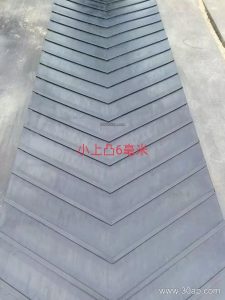
An EP800 belt usually contains multiple fabric plies, commonly two to six, bonded with skim rubber and protected by top and bottom covers. Cover thickness is selected by the designer; common combinations include 4+2 mm, 5+2 mm, and 6+2 mm, while heavier 8+3 mm builds appear in high-impact transfer points. The full belt thickness therefore depends on ply count and cover gauge, not on a single fixed figure. Edge construction, whether cut edge or moulded edge, also affects resistance to fraying and moisture ingress.
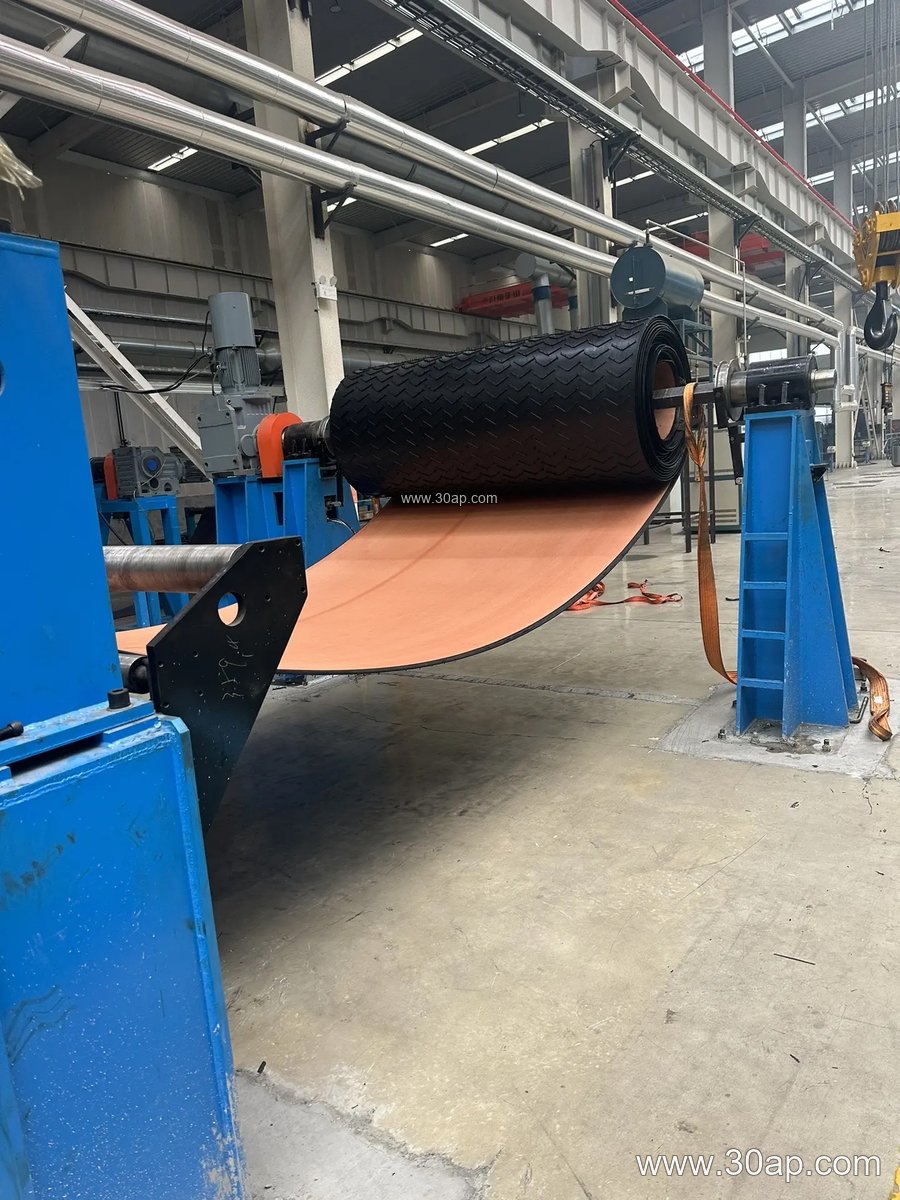
The carcass plies carry the tension, while the covers protect against wear, heat, oil, or flame. For dusty and abrasive service such as a crusher conveyor belt or a quarry conveyor belt, an abrasion resistant conveyor belt cover is often specified. In underground coal mining, flame retardant conveyor belt grades and anti-static properties may be required by the site’s safety regime. These are cover and compound choices on the same EP800 carcass, not different belt types.
Where It Fits in the Plant
Typical applications include cement plant conveyor belts moving clinker and limestone, power plant conveyor belts handling coal, and bulk material conveyor belts in ports and ship loading terminals. In sand making plants and stone crushing lines, the EP800 conveyor belt often serves as a primary or secondary haulage belt. In mining, it may appear as a mining conveyor belt on surface ore lines, while underground mining conveyors may favour PVG or PVC belts where fire resistance and lower weight are priorities. The EP800 is not a substitute for those solid-woven types; it is a separate fabric-core rubber product.
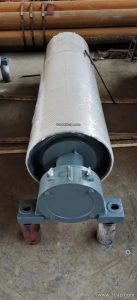
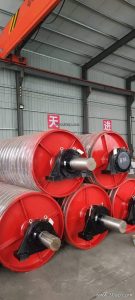
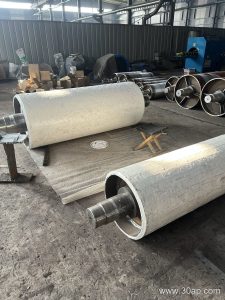
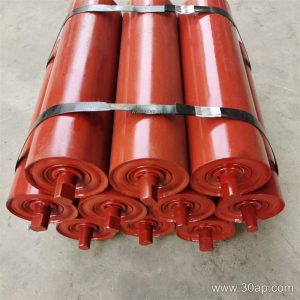
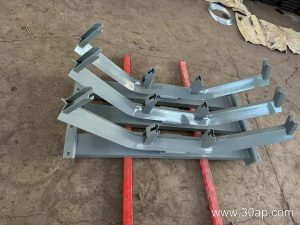
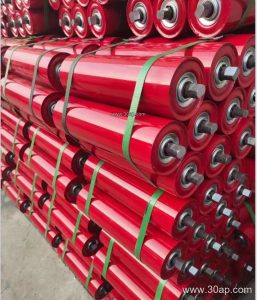
On the conveyor structure, the belt runs over idler rollers and around conveyor pulleys. Drive pulleys, tail pulleys, and bend pulleys each perform distinct roles and are not interchangeable. The belt width must be matched to the pulley face and the idler set, but a given belt width does not dictate one pulley diameter, and shaft diameter is determined by the pulley design and load case, not by belt width alone. Conveyor brackets and frames should be checked for alignment to avoid edge damage.
Common Sizes and Strength Grades
EP800 is one grade within a wider family. Neighbouring grades include EP630, EP1000, and EP1250, and the correct choice depends on calculated tension, safety factor, and splice efficiency. Belt widths commonly range from 500 mm to 2000 mm, with 800 mm, 1000 mm, and 1200 mm being frequent in aggregate and cement service. The table below gives indicative reference values; actual supply should be confirmed with the manufacturer.
| Parameter | Typical reference |
|---|---|
| Carcass grade | EP800 (nominal 800 N/mm) |
| Ply count | 2 to 6 plies, commonly 3 to 5 |
| Belt width | 500, 650, 800, 1000, 1200, 1400, 1600, 1800, 2000 mm |
| Cover thickness | 4+2, 5+2, 6+2, 8+3 mm |
| Cover options | Abrasion resistant, heat resistant, oil resistant, flame retardant, anti-static |
These figures are reference data, not a universal specification. A 1200 mm wide EP800 belt, for example, may be built with different ply counts and covers for a cement plant versus a copper ore conveyor.
Selection and Maintenance Notes
Selection starts with the duty: material type, lump size, throughput, incline, and environmental conditions. A high abrasion resistant conveyor belt cover is wise for sharp rock and ore, while a heat resistant conveyor belt grade suits clinker or sinter. Where fines and dust are present, anti-static properties may be needed. Splice method, either mechanical or vulcanized, affects the achievable belt tension, so the splice efficiency should be considered alongside the EP800 grade.
During operation, check idler rollers for seizure and pulley lagging for wear. Misalignment accelerates edge wear and can lead to belt tracking problems. Keep the belt cleaner and skirt rubber in good condition to reduce spillage. Store spare belts away from ozone, sunlight, and excessive heat. For a replacement, confirm the original grade, ply count, cover thickness, and width rather than assuming that any EP conveyor belt will match. More details on fabric core conveyor belts, rubber conveyor belt grades, and conveyor pulley matching are available at www.example.com/ep800-conveyor-belt.