What an Anti-Static Conveyor Belt Is
An Anti-Static Conveyor Belt is a fabric-reinforced rubber belt designed to limit the buildup of static electricity as material moves along the conveyor line. On fast-moving belts, especially in dry conditions, friction between the belt cover, the material and the idler roller can generate a static charge. If that charge is not controlled, it may discharge as a spark, which is a serious concern in coal mining, cement plants, power plants and other dusty environments where combustible dust or gas may be present. The anti-static version is built to bleed off that charge safely rather than store it.
This product is a functional variant of standard rubber belting, not a separate family. It is often supplied as an EP Conveyor Belt with antistatic properties, or as a flame retardant conveyor belt where both safety requirements appear together.
How the Belt Is Built
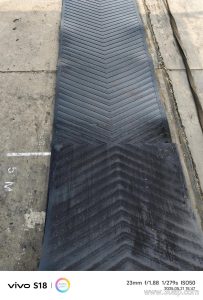
The construction typically follows the same pattern as other fabric-core belts. A carcass of woven fabric plies carries the tension, and rubber covers protect it from wear and the material being conveyed. The conductive or anti-static performance comes from the compound design and from the way the belt is finished, so the charge can dissipate through the belt and the conveyor structure.
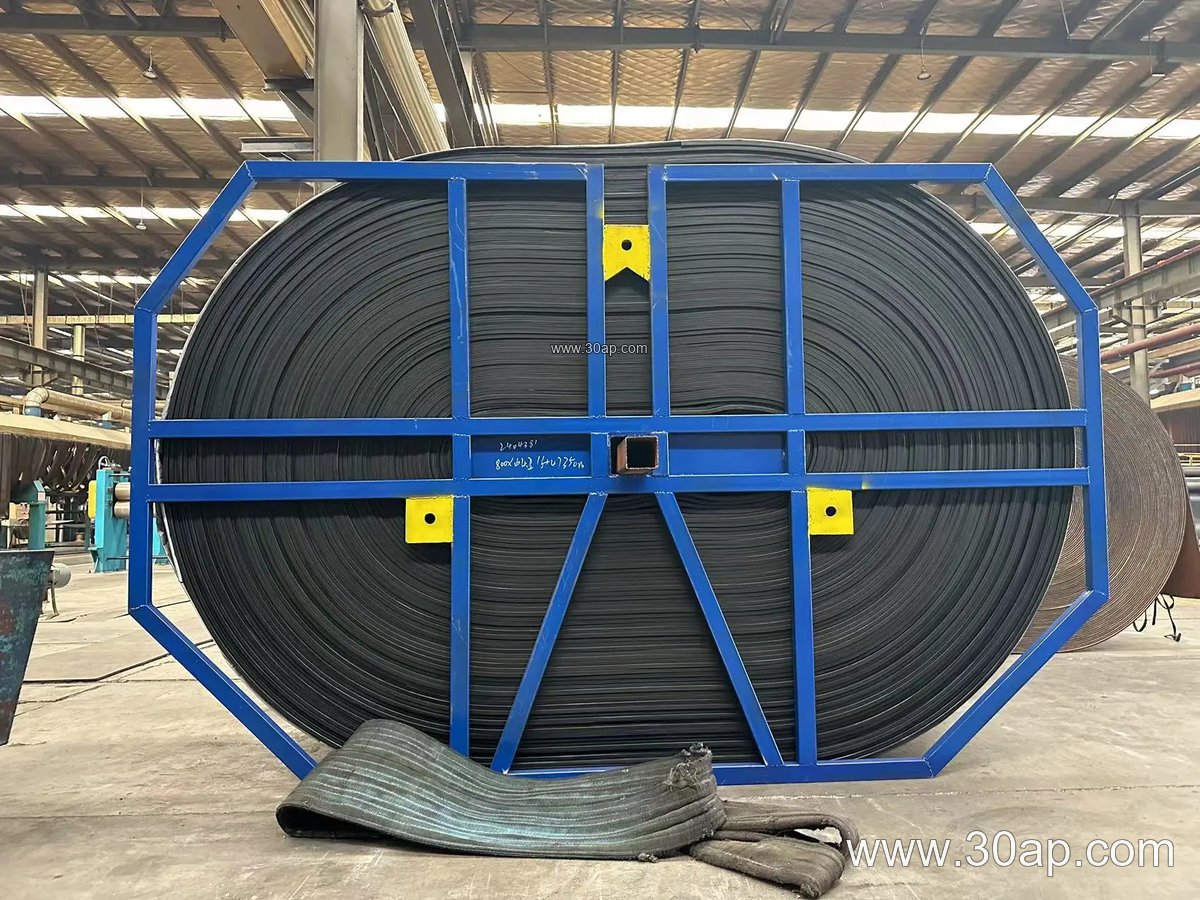
Common construction options include:
- Fabric core with 2 to 6 plies, depending on load and belt width
- EP or NN carcass for general bulk material duty
- Cover compounds in 3+1.5, 4+2, 5+2, 6+2 or 8+3 mm
- Flame retardant cover grades for underground coal mining and similar work
Because antistatic behavior depends on the whole belt, buyers should ask how the property is measured and whether it is tested on the finished belt rather than only on the compound.
Where It Is Used
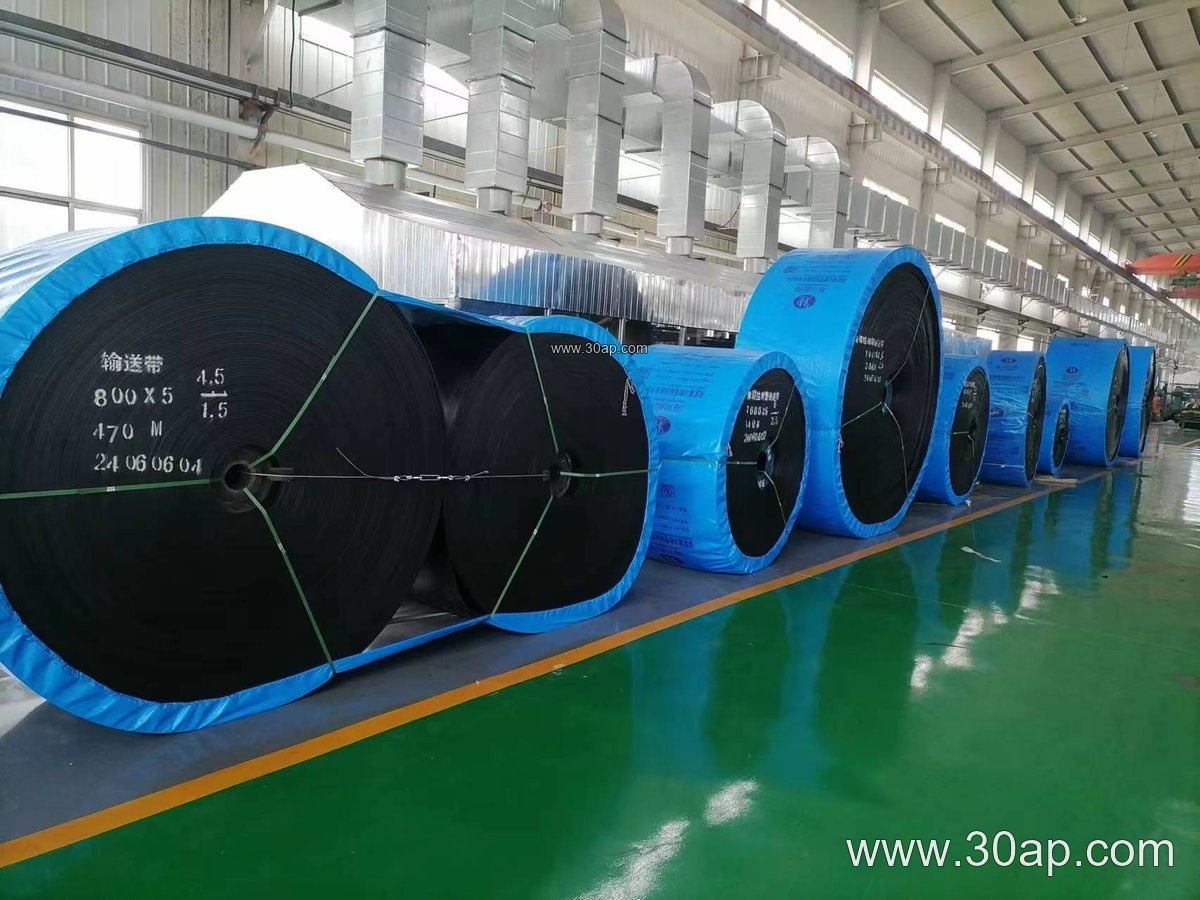
Anti-static belts appear wherever fine, dry or potentially explosive material is moved. Typical settings include:
- Coal Mining Conveyor Belt systems, including Underground Coal Mining Conveyor Belt lines
- Cement plants handling clinker dust and raw meal
- Power plants moving coal and ash
- Quarry and Aggregate Conveyor Belt circuits with dry stone and sand
- Grain, fertilizer and chemical handling where dust is present
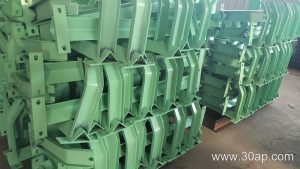
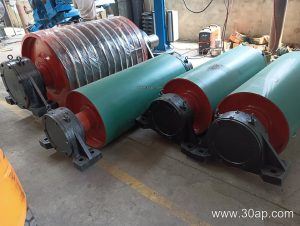
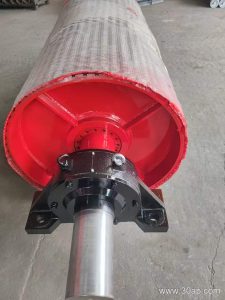
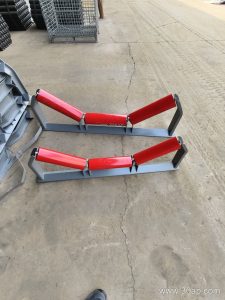
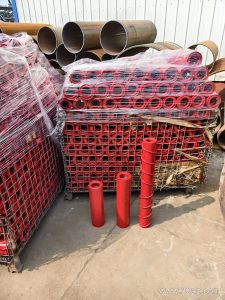
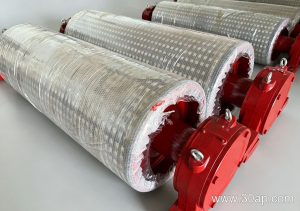
In these plants the belt works alongside conveyor pulleys, idler rollers and conveyor brackets. The pulleys drive and redirect the belt, the idlers support it, and the brackets hold the structure together. Each part has its own role and should not be confused with the others when specifying a system.
Specification Reference
The values below are common reference points, not fixed supply promises. Actual belt design depends on the conveyor layout, material and duty.
| Parameter | Common Options |
|---|---|
| Belt type | Anti-Static Conveyor Belt, often with flame retardant grade |
| Carcass | EP fabric core, NN fabric core, 2 to 6 plies |
| Strength grades | EP200, EP315, EP400, EP500, EP630, EP800 |
| Belt width | B500, B650, B800, B1000, B1200, B1400, B1600 |
| Cover thickness | 4+2 mm, 5+2 mm, 6+2 mm, 8+3 mm |
| Special grades | Flame retardant, abrasion resistant, cold resistant |
Wider belts such as 1200mm or 1400mm are common on main haulage lines, while narrower 650mm or 800mm belts suit secondary conveyors. Belt width and pulley diameter are selected together from the conveyor design, so a given width does not dictate one pulley size.
Buying Points to Check
When comparing offers, ask for the carcass type and ply count, the cover grade and thickness, and the antistatic test result. Confirm whether the belt also needs flame retardant performance, since underground coal mining usually calls for both. Check the splice method, because joints must preserve the antistatic path. Also review the conveyor pulley lagging, idler roller condition and bracket alignment, as poor tracking increases friction and wear.
For harsh duties, an Abrasion Resistant Conveyor Belt compound may extend service life, while a Heat Resistant Conveyor Belt grade is needed near hot material. These are separate properties and should be specified together with antistatic performance when the application demands it.
Care and Maintenance
Keep the belt clean and dry where possible, inspect covers for cuts, and check that the pulleys and idlers rotate freely. Worn idlers raise friction and can affect both belt life and charge behavior. Store spare belting away from oil, heat and direct sunlight, and follow the manufacturer’s guidance for splicing and installation.