What a Conveyor Bracket Is and Why Its Price Matters
A conveyor bracket is the steel support that holds idler rollers in the correct position along a conveyor frame. It keeps the belt profile stable, whether the line runs in a quarry, a coal preparation plant, or a cement plant. Because a typical conveyor uses many brackets, the conveyor bracket price has a direct effect on the total cost of a new line or a retrofit. Buyers often ask why quotes vary so much; the answer usually lies in the bracket type, the steel, the belt width, and the trough angle it must support.
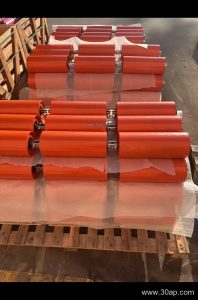
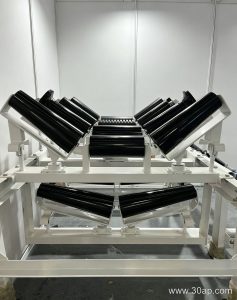
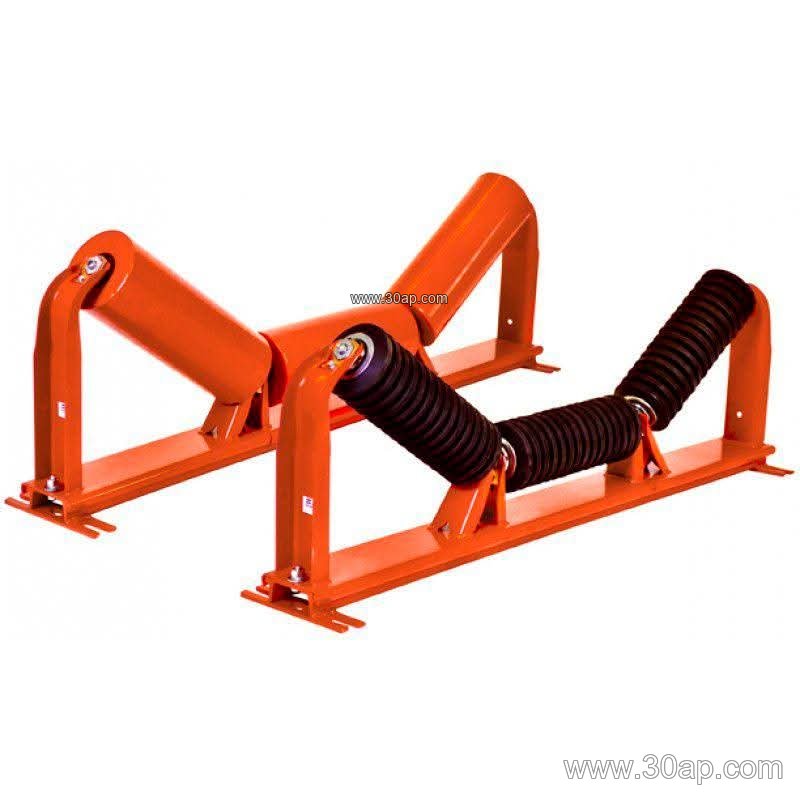
The bracket is a simple part, but it is not a generic one. A troughing bracket carries three rollers in a trough shape, a return bracket supports the belt on its way back, and an impact bracket sits under the loading point. Each has a different structure and a different price level.
How a Bracket Is Built
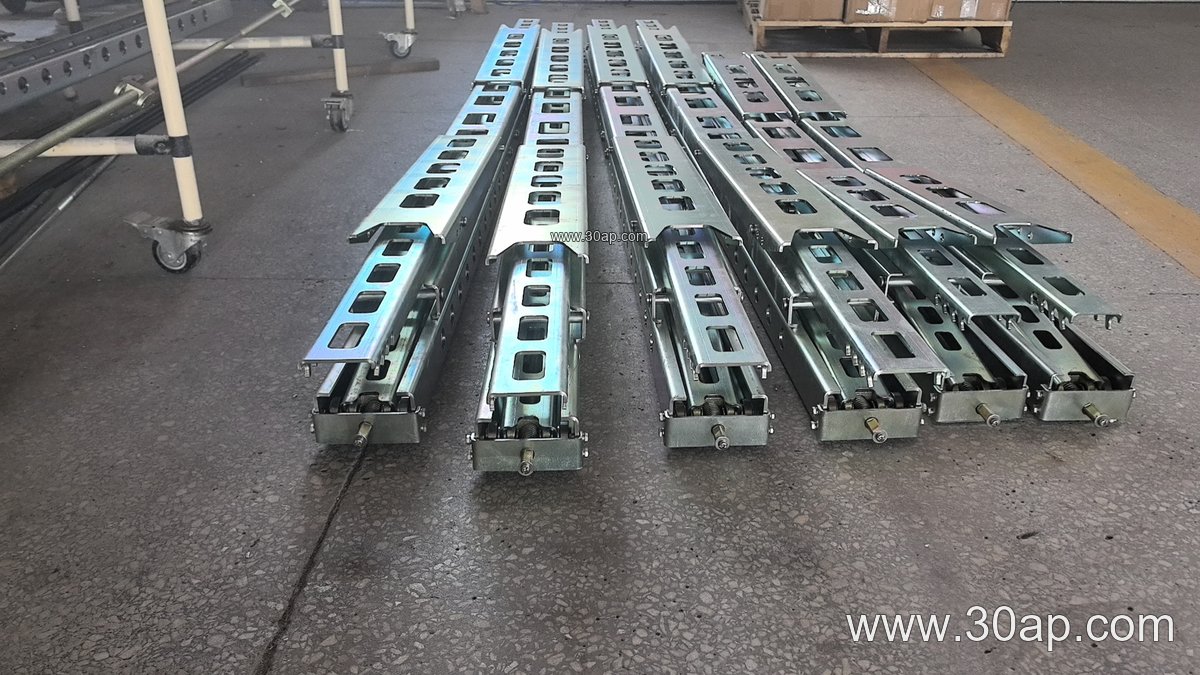
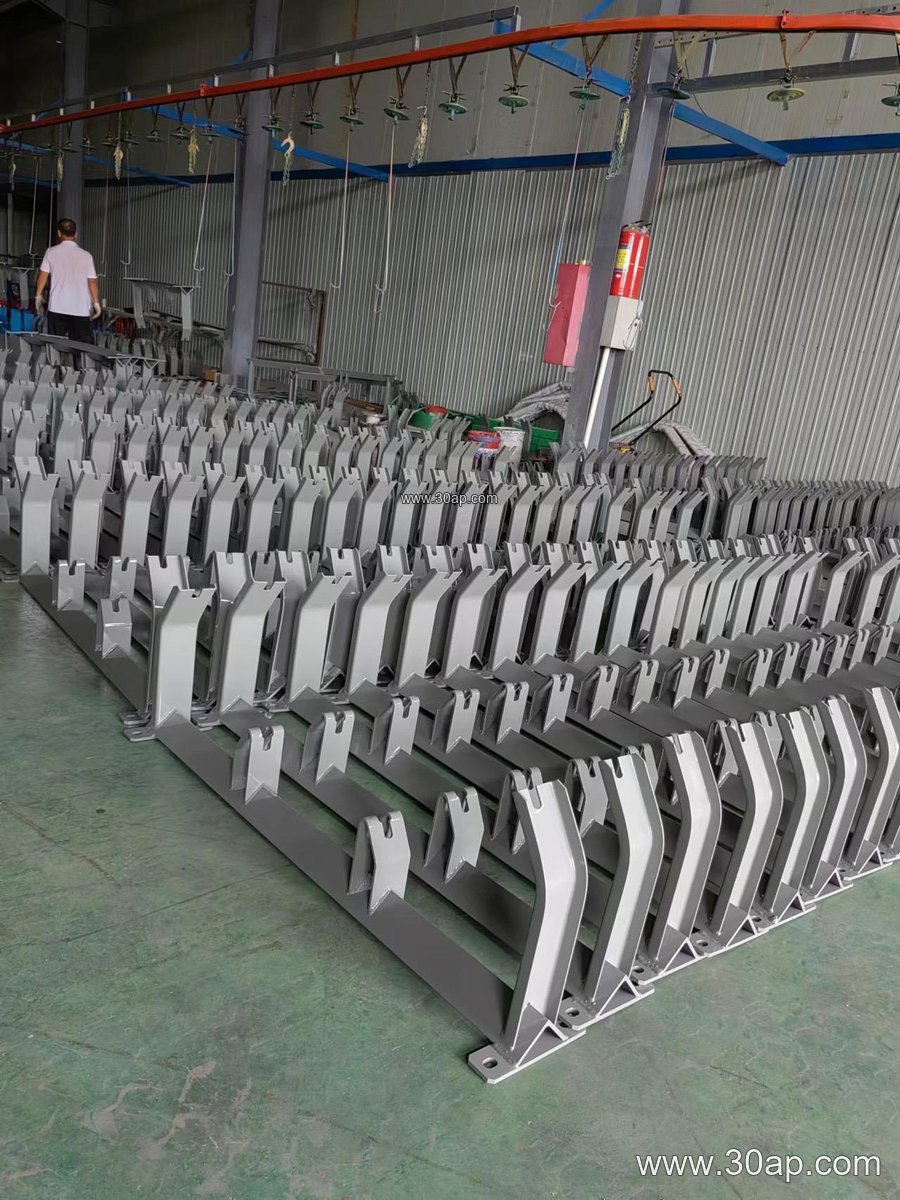
Most brackets are fabricated from angle steel, channel steel, or bent steel plate. The frame is cut, punched, welded, and then coated, usually with paint or galvanizing. The number of welds, the thickness of the steel, and the accuracy of the mounting holes all influence cost.
Common reference dimensions include:
| Parameter | Typical reference values |
|---|---|
| Belt width | B500, B650, B800, B1000, B1200, B1400, B1600, B1800, B2000, B2200 |
| Trough angle | 20, 30, 35, 45 degrees |
| Roller diameter | Ø89, Ø108, Ø133, Ø159, Ø194 |
| Material | Angle steel, channel steel, bent steel plate |
These are reference ranges, not fixed combinations. A B800 frame may use a 35 degree trough with Ø108 rollers, while a wider B1200 line might run 45 degrees with Ø133 rollers. Mounting hole spacing and beam length change with belt width and trough angle, so they are determined by design rather than by a single standard number.
Where Brackets Are Used
In a limestone quarry or a sand and gravel line, troughing brackets guide the belt through the loading and transfer points, while return brackets keep the empty side aligned. In a power plant coal handling system, flame retardant and anti-static belts are common, and the brackets must hold idlers firmly to avoid belt wander. The same part appears in iron ore terminals, steel plants, and fertilizer plants.
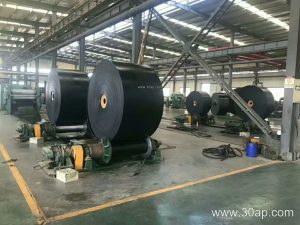
Brackets work together with the conveyor belt, the idler roller, and the conveyor pulley. A well-aligned troughing bracket reduces belt edge wear, which matters when an abrasion resistant conveyor belt or a heavy-duty mining conveyor belt carries sharp rock. Misaligned brackets, on the other hand, cause tracking problems no belt can compensate for.
Types That Affect the Quote
Different bracket types carry different prices because of their structure:
- Troughing and upper trough brackets: the most common, holding three idlers.
- Transition brackets: placed near pulleys to ease the belt from flat to troughed.
- Return and V-return brackets: support the return strand.
- Impact brackets: reinforced for loading zones under crushers.
- Self-aligning and forward-leaning brackets: help correct belt tracking.
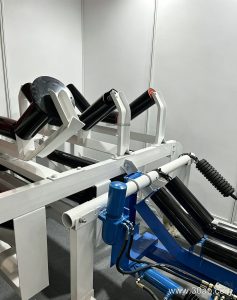
- Adjustable brackets: allow the trough angle to be changed between common angles.
- Suspended brackets: hang from the frame in confined spaces.
An adjustable bracket usually costs more than a fixed one because of its extra holes and hardware, but it can simplify spare parts inventory across several lines.
What Buyers Should Check Before Comparing Prices
A low conveyor bracket price is only meaningful when the specification matches. Ask for the belt width, the trough angle, the roller diameter, the steel thickness, and the surface treatment. Confirm whether the bracket is fixed or adjustable, and whether it is designed for a specific idler type.
Also consider the environment. A wet coal preparation plant may need galvanized brackets, while a dusty quarry may prefer heavier steel. Buyers should not assume that one belt width only fits one trough angle or one roller diameter; the correct match comes from the conveyor design. Comparing quotes on the same basis, with the same bracket type and steel grade, is the only fair way to judge cost.