What a Stainless Steel Pulley Is and Why It Matters
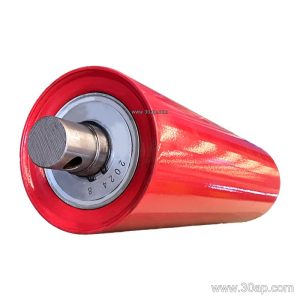
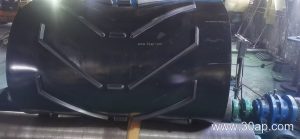
A stainless steel pulley is a rotating drum around which a conveyor belt turns. In a conveyor line it may serve as a drive pulley, a tail pulley, a bend pulley, or a tensioning pulley. The stainless steel construction is chosen where moisture, washdown, salt air, or mildly corrosive dust would shorten the life of a painted carbon steel shell. In a limestone quarry, a cement plant, or a port handling bulk materials, this choice often comes down to service life rather than initial cost.
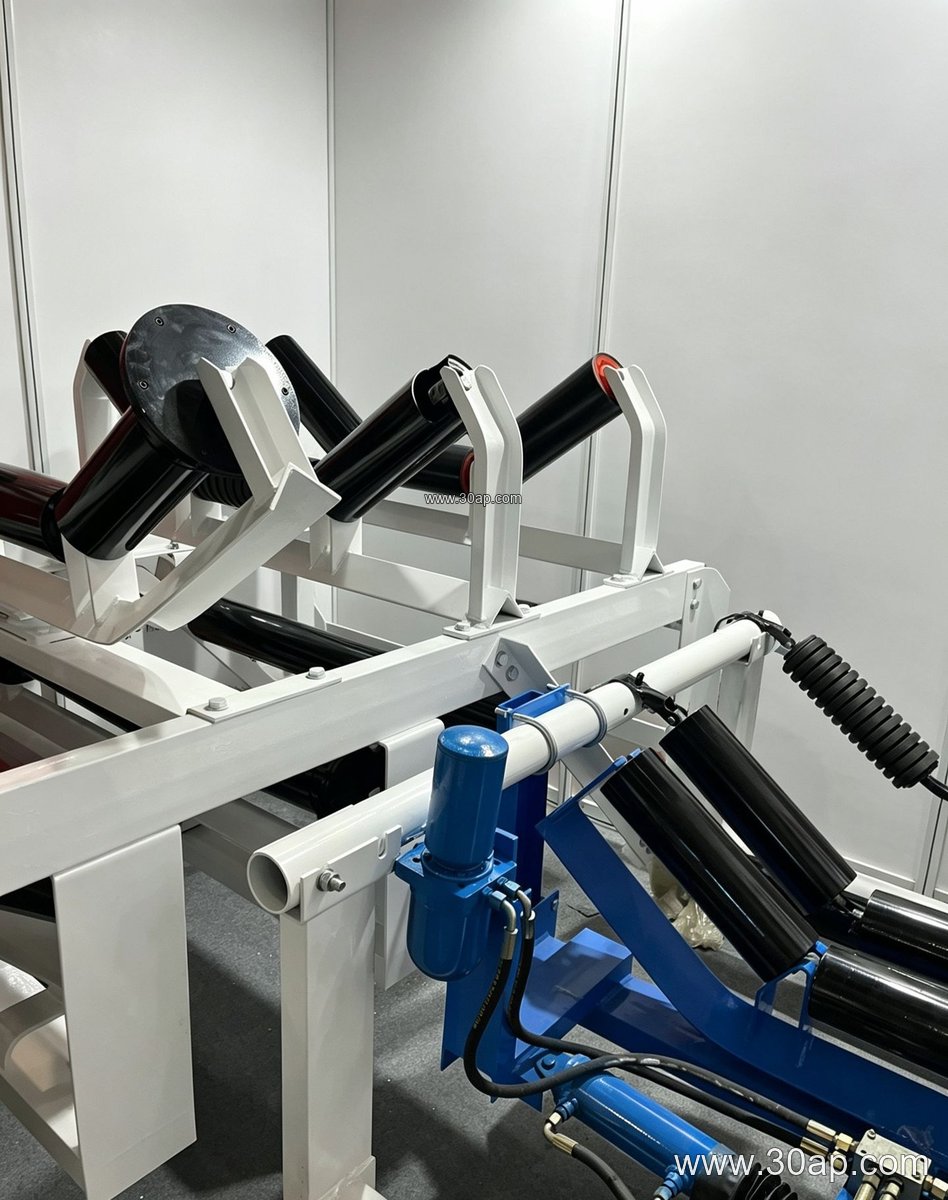
The pulley works together with the conveyor belt, the idler roller sets, and the conveyor bracket that fixes it to the frame. If any of these parts is out of alignment, belt tracking suffers, so the pulley should be treated as one part of a system, not as a standalone item. Buyers looking at a conveyor pulley for a washdown area of a food plant or a fertilizer handling line usually ask for stainless steel for exactly this reason.
Construction Details That Affect Performance
Most stainless steel pulleys use a rolled or welded shell, two end discs, and a through shaft. Common shell diameters run from Ø200 to Ø1800, and shaft diameters are typically Ø50 to Ø200 depending on torque and load. The shaft size must be calculated from the actual drive load, not copied from the belt width. A B800 pulley and a B1400 pulley can both use a Ø500 shell, but their shafts and bearing housings will differ.
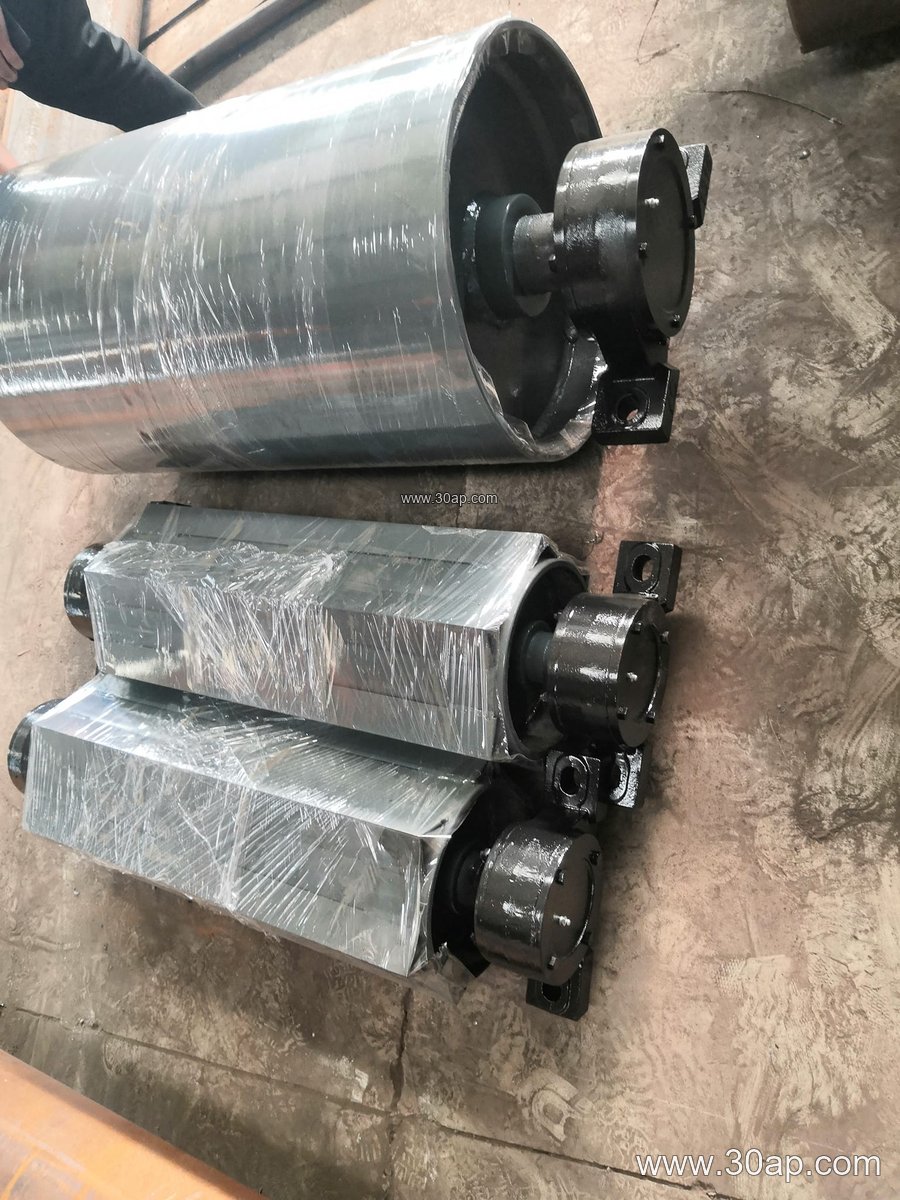
Surface treatment is a major decision. Plain shells suit light duty and clean belts. Rubber lagging, applied by cold bonding or hot vulcanizing, improves grip and reduces slip. Diamond or herringbone patterns help shed water. Ceramic lagging is used where abrasion is severe. Lagging thickness is commonly 8, 10, 12, 15, or 20 mm, selected according to the duty.
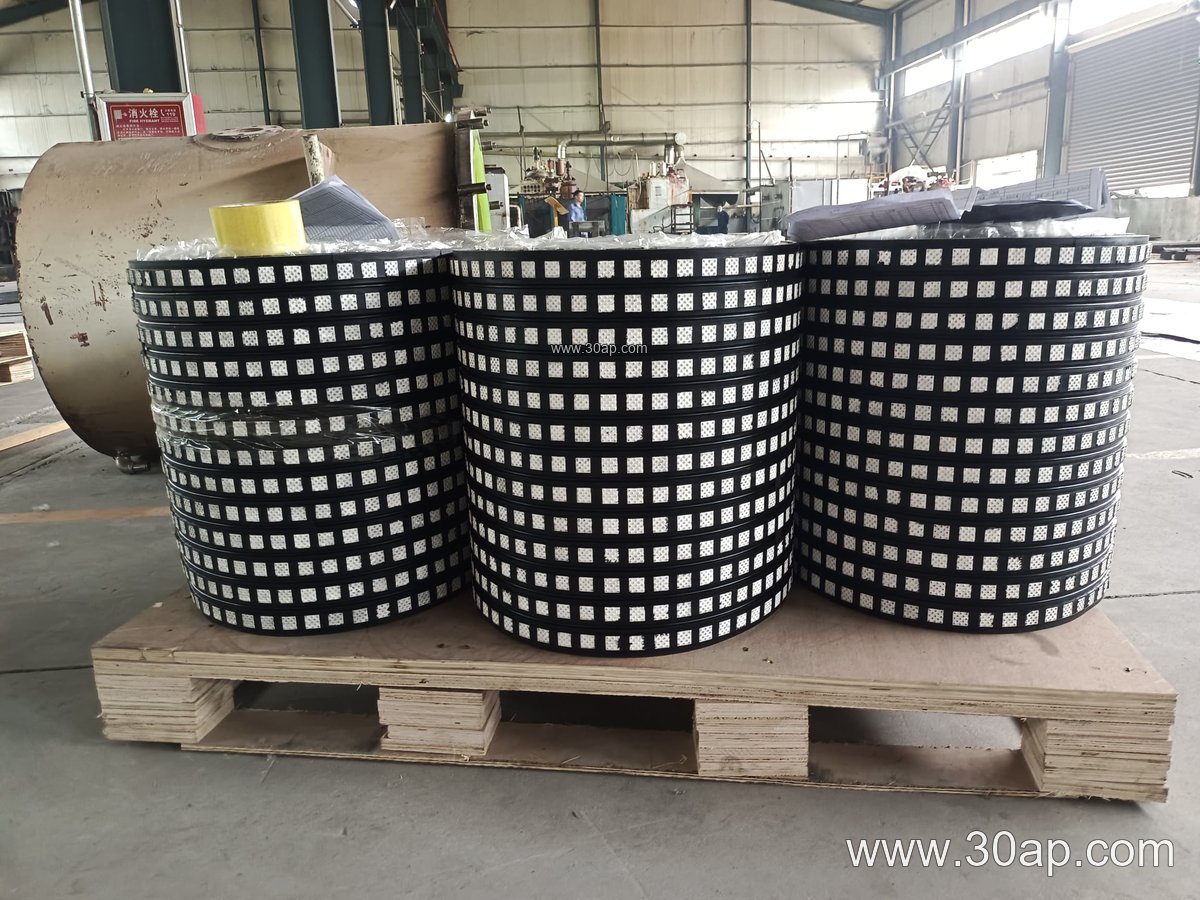
- Shell material: stainless steel grade chosen for the environment
- Lagging: plain, rubber, diamond, herringbone, or ceramic
- Bearing type: pillow block or flange, matched to the frame
- Shaft: sized for torque and radial load
Where Stainless Steel Pulleys Are Used
Stainless pulleys appear in cement plant clinker lines, power plant coal handling, and aggregate plants where dust and moisture combine. They are also common in fertilizer plants, grain silos, and recycling facilities. In a coal mining conveyor system, a stainless pulley may be specified for a washdown zone rather than the whole line, because the cost is hard to justify everywhere.
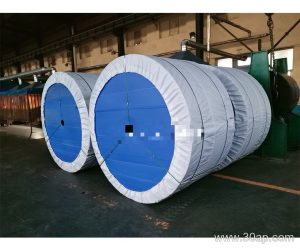
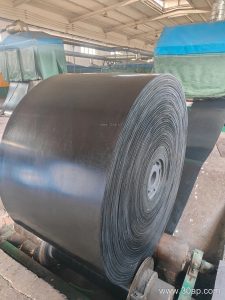
The pulley must match the belt it carries. A heavy-duty mining conveyor belt with a steel cord carcass demands a robust shell and a properly sized shaft. A lighter EP conveyor belt on a short transfer may run on a smaller drum. When the belt is a chevron conveyor belt or a corrugated sidewall conveyor belt, the pulley face and the belt profile must be checked so that cleats and sidewalls clear the drum.
Common Reference Dimensions
The table below gives typical combinations seen in project discussions. These are reference values, not fixed rules, and every final size should be confirmed by design calculation.
| Belt width | Typical face width | Example shell diameter |
|---|---|---|
| B400 | about 500 mm | Ø200 to Ø315 |
| B500 | about 600 mm | Ø250 to Ø400 |
| B650 | about 750 mm | Ø315 to Ø500 |
| B800 | about 950 mm | Ø400 to Ø630 |
| B1000 | about 1150 mm | Ø500 to Ø800 |
| B1200 | about 1400 mm | Ø630 to Ø1000 |
| B1400 | about 1600 mm | Ø800 to Ø1250 |
| B1600 | about 1800 mm | Ø1000 to Ø1400 |
Note that one belt width can accept several diameters. A B1200 line might use a B1200 x Ø1000 drive pulley at the head and a smaller bend pulley in the return run. The choice depends on wrap angle, belt tension, and the space available.
Buyer Checklist Before Ordering
First, confirm the pulley function. A drive pulley, a tail pulley, and a bend pulley are not interchangeable, and each has different load and grip requirements. Second, state the belt type and width, since an abrasion resistant conveyor belt, a heat resistant conveyor belt, or an oil resistant conveyor belt each places different demands on the lagging. Third, specify the shaft diameter from the calculated torque. Fourth, decide on lagging pattern and thickness. Fifth, check that the bearing housing fits the existing conveyor bracket.
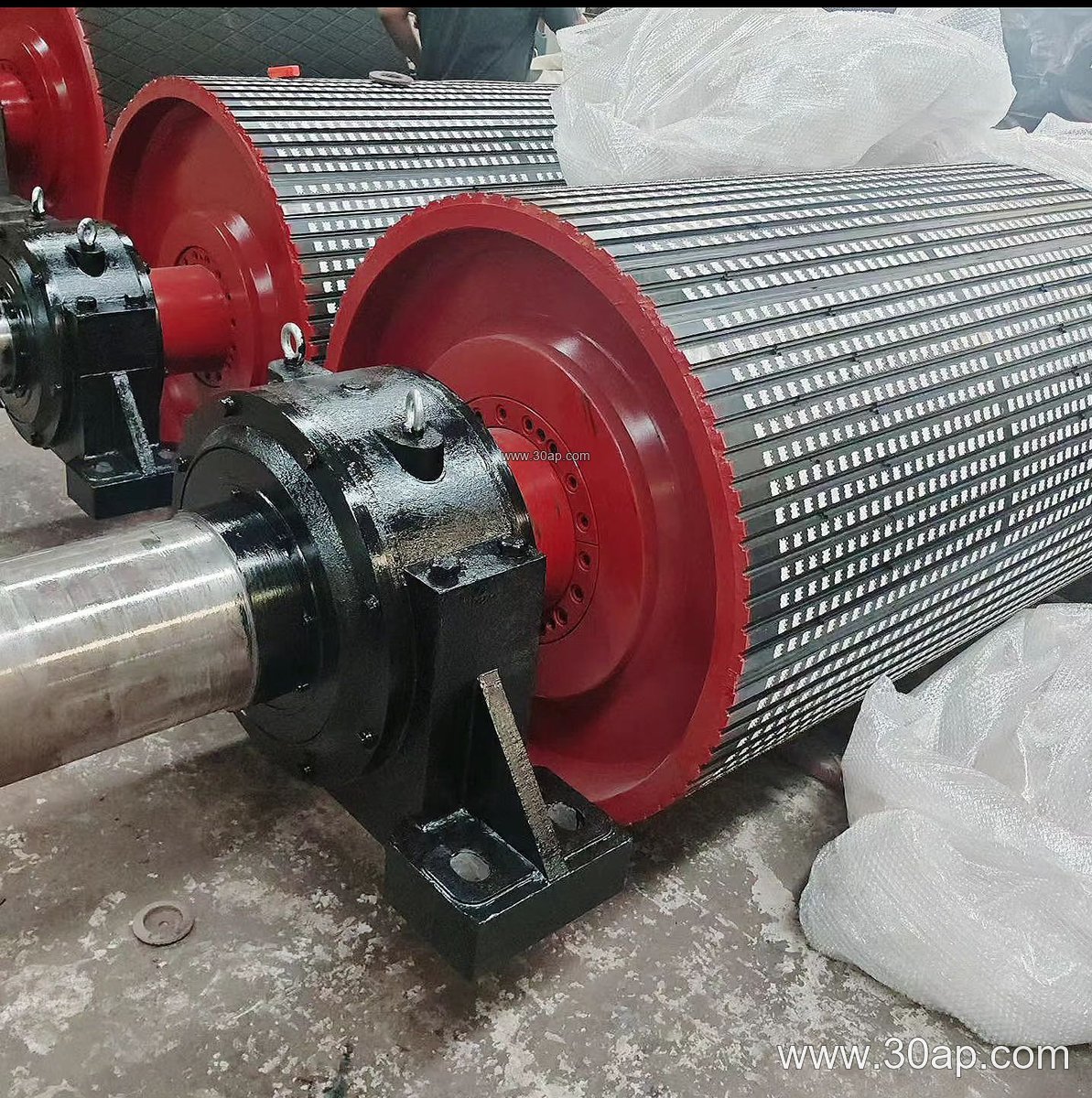
For corrosive service, confirm the stainless grade with the supplier and ask how welds are finished, because weld quality affects corrosion resistance. Keep spare idler rollers and a spare pulley on hand for critical lines; a seized pulley can damage an expensive belt within minutes.
Maintenance Notes
Inspect lagging wear, check bearing temperature, and verify belt tracking at each shutdown. Clean stainless surfaces periodically even though they resist corrosion, because sticky material can build up on the shell and change the effective diameter. Align the pulley with the belt and the idler roller frames to avoid edge damage.
For more information on matching pulleys with belts and rollers, visit www.example.com/conveyor-pulley or www.example.com/conveyor-belt. A well-chosen stainless steel pulley, correctly sized and maintained, will keep a conveyor line running in wet and dusty conditions for years.