What an Impact Idler Set Does
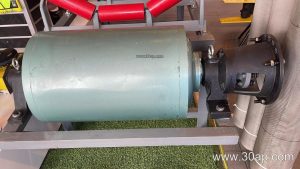
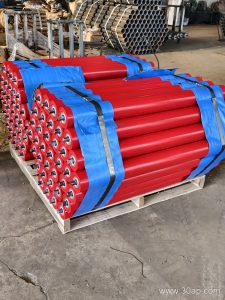
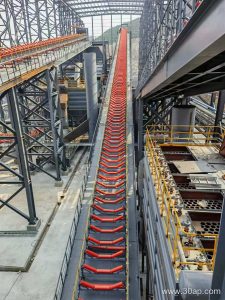
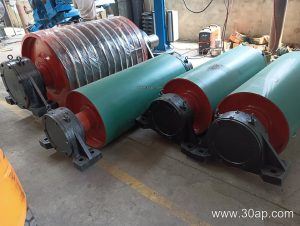
An Impact Idler Set is a group of heavy-duty idler rollers installed at the loading zone of a conveyor belt, designed to absorb the force of falling material and protect the belt from damage. In industries such as mining, quarrying, cement plants, and power generation, the point where crushed rock, ore, coal, or aggregate drops onto the belt experiences the highest shock and wear. Standard carrying idlers can fail quickly under this punishment, so operators specify impact idler sets to extend service life and reduce downtime. The set typically includes several idlers mounted in a frame, with rubber or other resilient rings on the roller surface to cushion the impact. For broader conveyor setup, you can pair these sets with a suitable conveyor bracket and conveyor pulley to complete the load zone.
Construction and Key Components
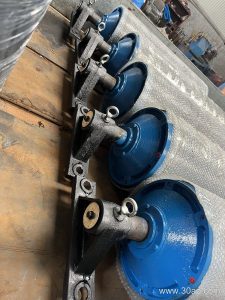
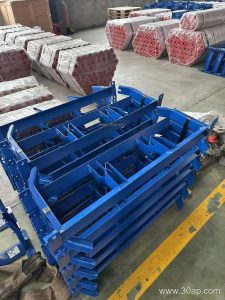
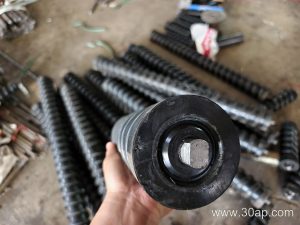
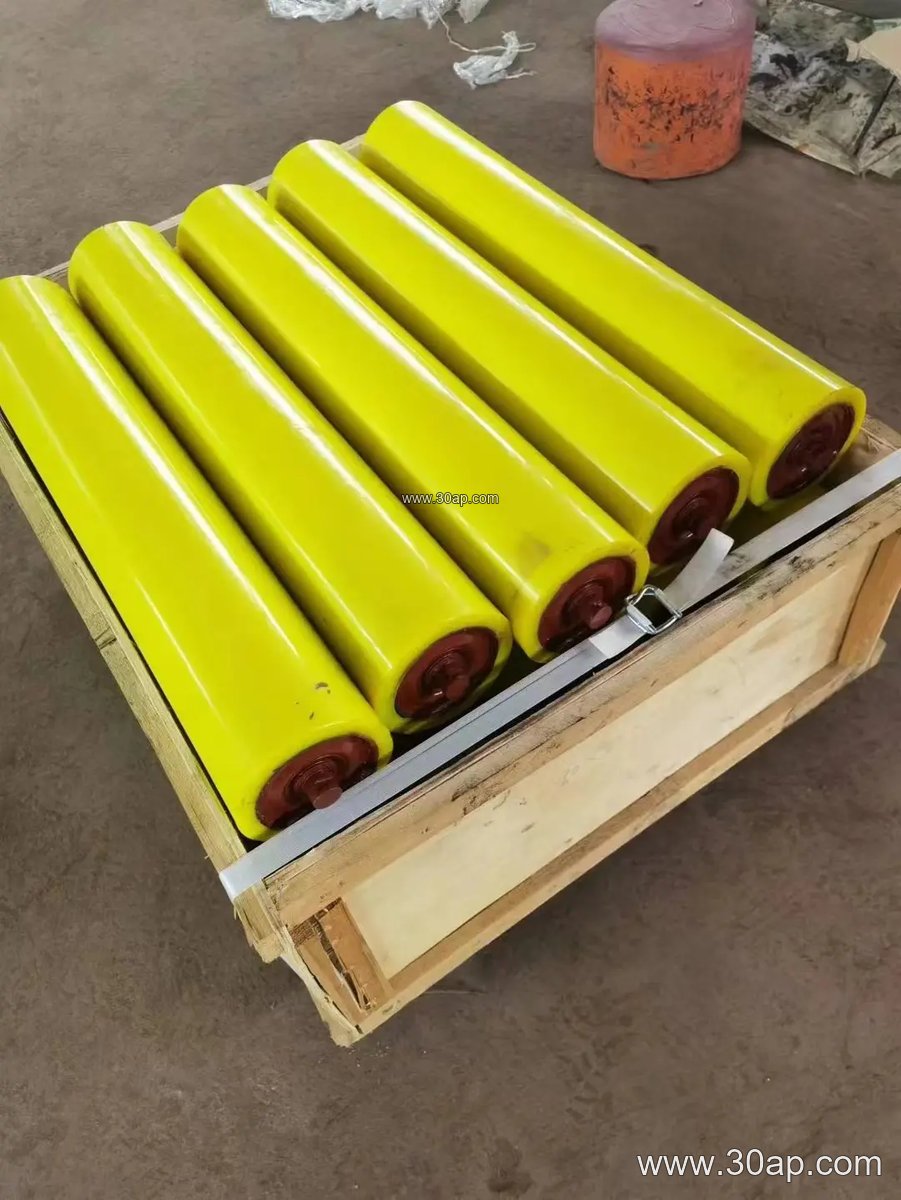
The impact idler set is built around a sturdy steel frame that holds two or three idler rollers in a trough shape. Each roller is fitted with impact-resistant rings—usually made of rubber—that deform under load and then recover, spreading the shock over a larger area of the belt. The idlers themselves use steel tubes and sealed bearings to keep out dust and moisture; common bearing sizes include 6204, 6205, 6305, 6306, 6308, and 6310, selected according to the roller diameter and load requirements. Roller diameters for impact sets often range from Ø89 to Ø159, and belt widths from B500 to B2000 are typical, though the exact combination depends on the conveyor design. Below is a reference table of common impact idler set sizes; note that these are examples, not fixed matches.
| Belt Width | Common Roller Diameter (mm) | Typical Trough Angle | Number of Idlers per Set |
|---|---|---|---|
| B500 | Ø89 | 20°–30° | 3 |
| B650 | Ø89–Ø102 | 30° | 3 |
| B800 | Ø102–Ø108 | 30°–35° | 3 |
| B1000 | Ø108–Ø127 | 35° | 3 |
| B1200 | Ø127–Ø133 | 35° | 3 |
| B1400 | Ø133–Ø159 | 35°–45° | 3 |
| B1600 | Ø159–Ø178 | 35°–45° | 3 |
| B1800 | Ø178–Ø194 | 35°–45° | 3 |
| B2000 | Ø194–Ø219 | 35°–45° | 3 |
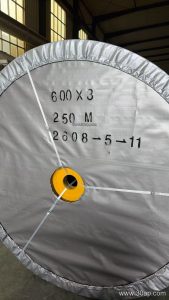
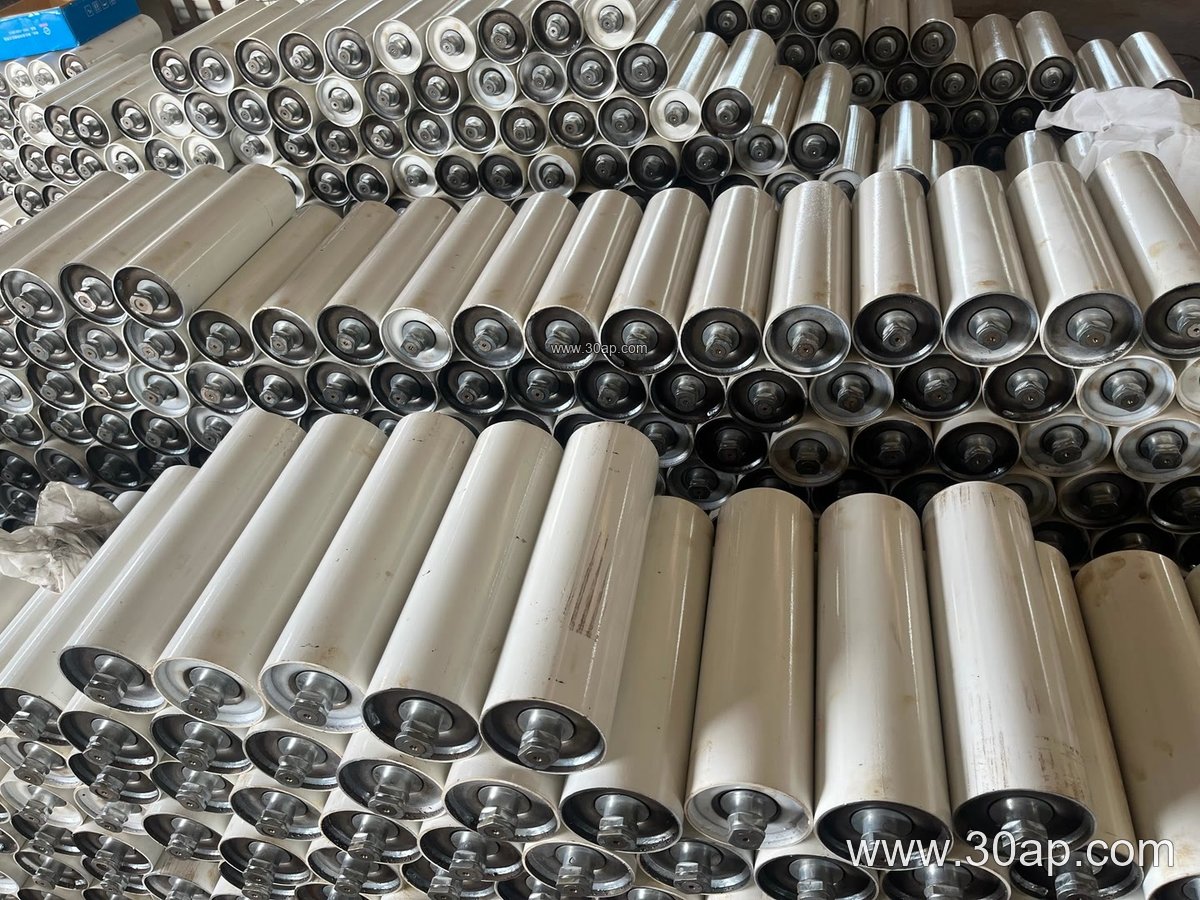
For a complete conveyor line, impact idler sets work alongside other components such as the conveyor pulley, conveyor bracket, and idler roller. If the conveyed material is abrasive, a high abrasion resistant conveyor belt may be used to further protect the belt surface. In coal mining, a flame retardant conveyor belt is often required for safety. The impact idler set itself does not replace these items but complements them at the critical loading point.
Where Impact Idler Sets Are Used
These sets are essential in any conveyor system where material is dropped from a chute, crusher, or transfer point. In a quarry or aggregate plant, they are placed under the crusher discharge to handle large, sharp rocks. In a coal washing plant or power plant coal yard, they protect the belt from the impact of coal lumps. Cement plants use them at clinker and limestone transfer points. The rubber rings on the idlers also help reduce material buildup and spillage by maintaining a smooth trough profile. When selecting an impact idler set, consider the maximum lump size, drop height, and throughput; these factors determine the required roller diameter and ring thickness.
Selection and Maintenance Tips
Buyers should match the impact idler set to the belt width and the conveyor’s load profile. A common mistake is to use standard carrying idlers at the load zone, which leads to frequent roller seizures and belt damage. Impact sets are available with different ring materials—rubber is standard, but oil-resistant or heat-resistant variants exist for special conditions. Maintenance involves periodic inspection of the rubber rings for wear or cracking, checking that the idlers rotate freely, and ensuring the frame remains aligned. In dusty environments, sealed bearings are critical; specify idlers with effective labyrinth seals. For harsh mining conditions, consider a heavy-duty mining conveyor belt in combination with impact idlers to maximize the system’s durability. The cost of an impact idler set is modest compared to the cost of belt replacement and production loss, making it a smart investment for any conveyor handling bulk materials.