What an Underground Coal Mining Conveyor Belt Does
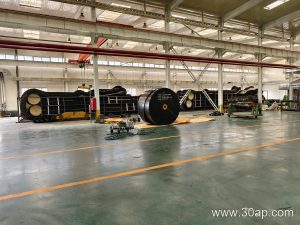
An underground coal mining conveyor belt is the load-carrying surface of a continuous haulage system that moves cut coal from the face, transfer points, and drift sections to the surface or to a preparation plant. Unlike a surface installation, this belt works in confined roadways with limited headroom, dust, moisture, and strict fire-safety expectations. The same product is often called an underground conveyor belt or a coal mining conveyor belt, and those names describe the duty rather than a single construction.
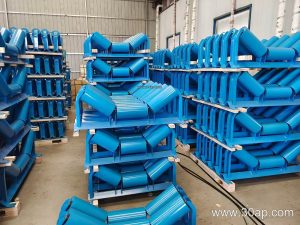
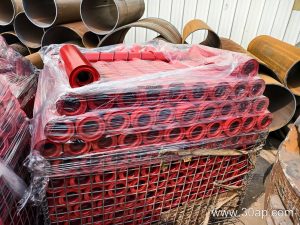
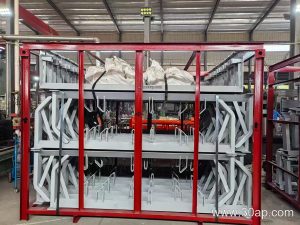
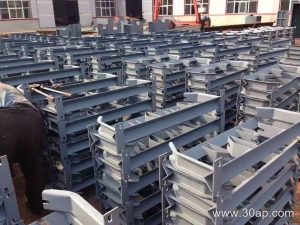
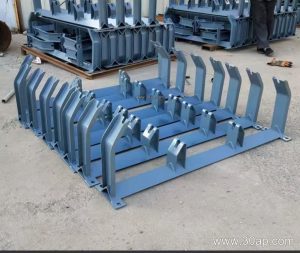
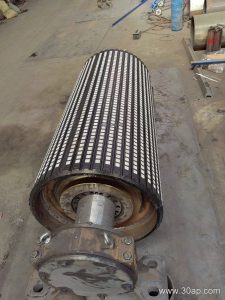
Because the belt runs over idler rollers and is trained by conveyor pulleys at the drive, tail, and bend positions, its geometry and cover quality must match the whole conveyor, not just the coal flow rate.
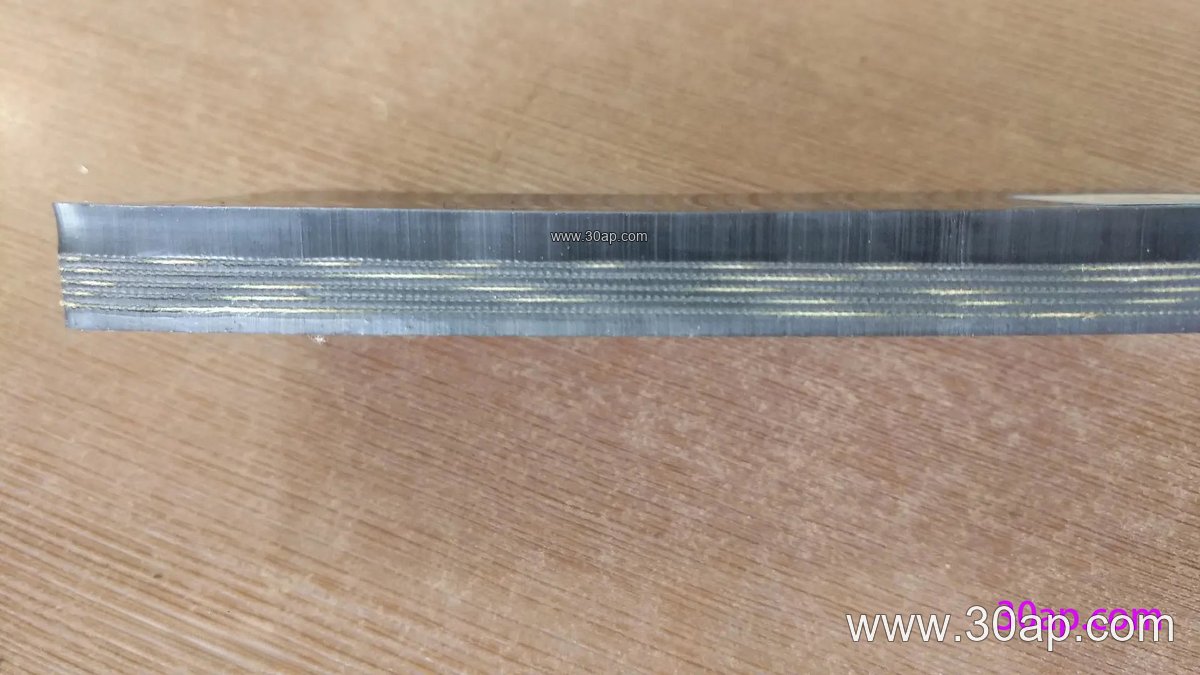
Construction of the Belt Body
The carcass carries tension, while the covers protect it from coal impact, abrasion, and moisture. Common carcass options for underground service include fabric-core designs and steel cord designs where tension demand is high.
- EP conveyor belt: polyester-polyamide fabric carcass, widely used for main haulage and panel belts.
- NN conveyor belt: nylon-nylon fabric carcass with good flexibility and fatigue resistance.
- Steel cord conveyor belt: used on long, high-tension trunk conveyors.
- PVG and PVC conveyor belt: solid-woven or fabric constructions with PVC or PVG covers, often chosen for flame-retardant underground duty.
Cover grades are selected by condition: abrasion resistant conveyor belt for sharp coal and rock, flame retardant conveyor belt and fire resistant conveyor belt for gassy roadways, anti-static conveyor belt to control static build-up, and oil resistant or heat resistant conveyor belt where the duty calls for it. A rubber conveyor belt with a multi-ply fabric core remains a practical choice for many medium-tension drifts.
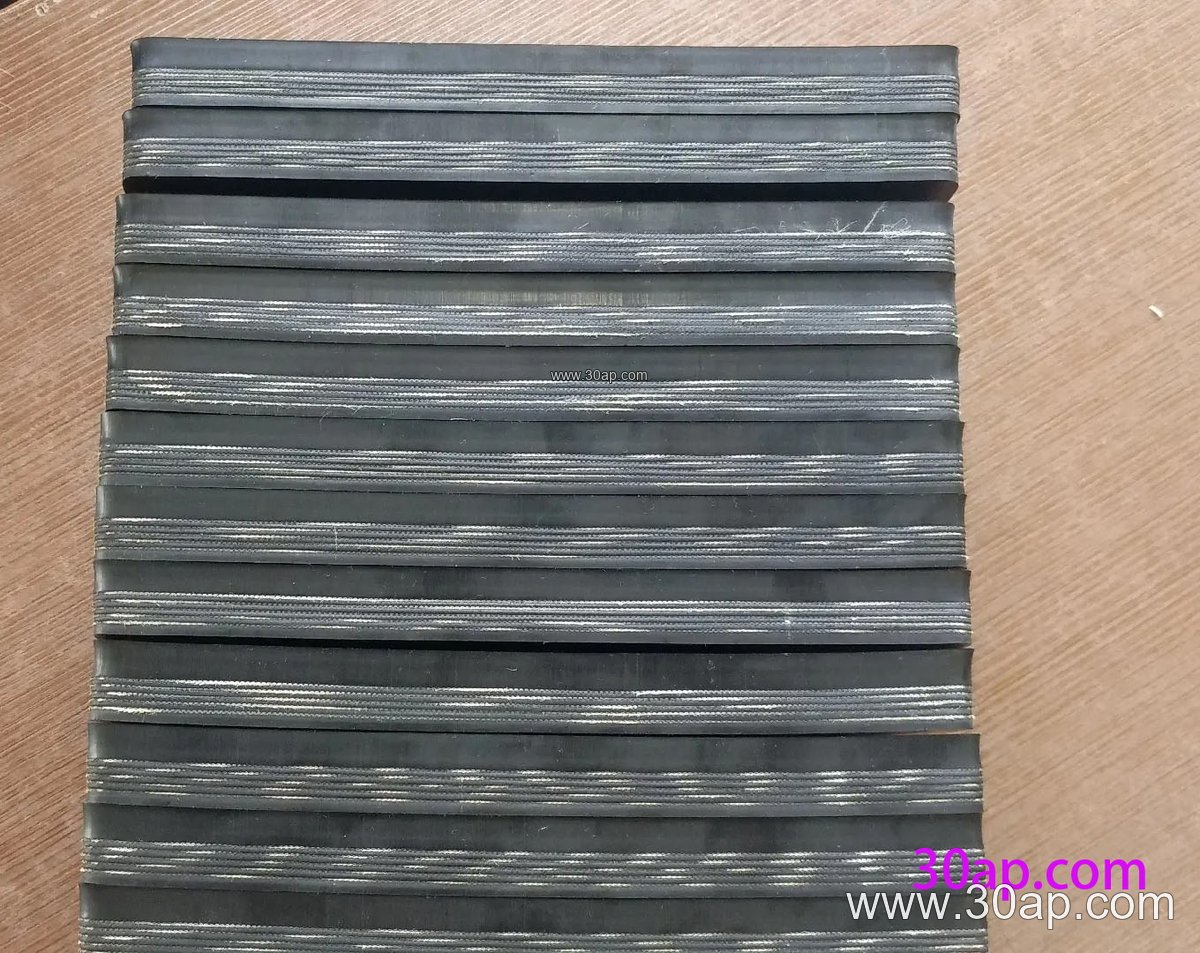
Typical Reference Data
The values below are common reference ranges, not fixed supply commitments. Final construction is determined by conveyor design, and one belt width does not dictate a single pulley diameter or shaft size.
| Parameter | Reference examples |
|---|---|
| Fabric strength grades | EP200, EP315, EP400, EP500, EP630, EP800, EP1000, EP1250 |
| Steel cord grades | ST1000, ST1250, ST1600, ST2000, ST2500 |
| Belt width | B650, B800, B1000, B1200, B1400, B1600, B1800 |
| Cover thickness | 4+2 mm, 5+2 mm, 6+2 mm, 8+3 mm |
| Carcass plies | 2 to 6 plies, by design |
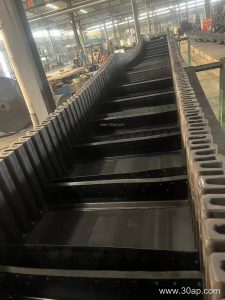
Special forms such as chevron conveyor belt, corrugated sidewall conveyor belt, and skirted conveyor belt are sometimes considered where incline angle or material spillage is a problem, but they are separate constructions and should not be substituted for a plain underground coal belt without a design review.
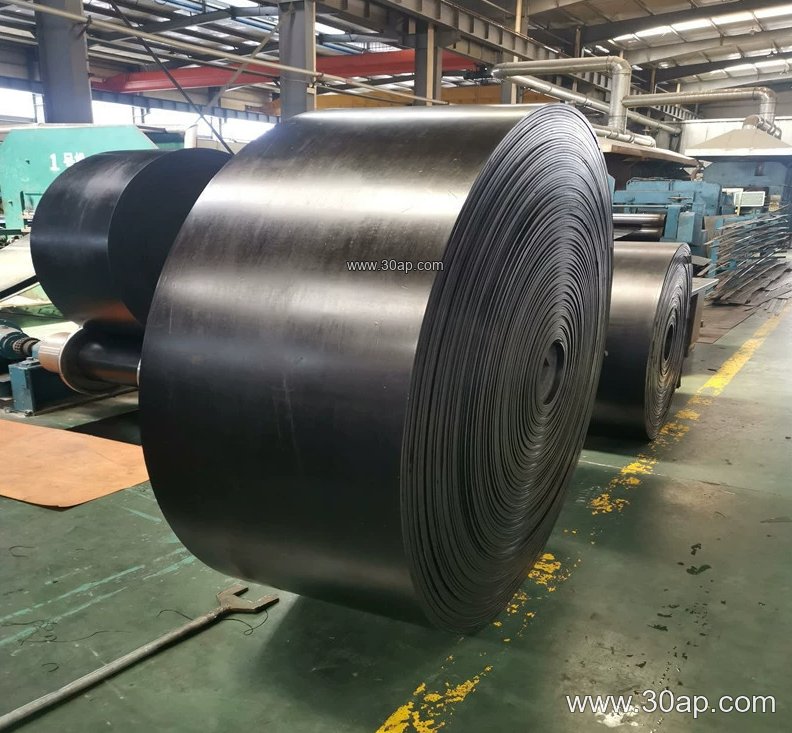
Where It Fits in the Mine Circuit
These belts appear in panel and gate road conveyors, drift conveyors, and trunk haulage linking the shaft or slope to the surface. The same heavy-duty mining conveyor belt approach is used in cement plants, power plant coal yards, and quarry or aggregate lines, though underground coal duty adds ventilation, methane, and dust considerations that surface stone crushing conveyors do not face.
For more on matching belt, idler roller, and conveyor pulley choices, see the technical notes at www.beltconveyorparts.com and the roller range at www.beltconveyorparts.com/idler-roller.
Buyer Checklist
- Confirm the required tension grade and width from the conveyor design, not from habit.
- State the fire and anti-static requirement clearly for gassy underground roadways.
- Match cover thickness to coal size, drop height, and water exposure.
- Check splice method and whether an endless conveyor belt is preferred for long runs.
- Review pulley and idler compatibility with the belt carcass and cover, including bend pulley loading.
- Ask for cover and carcass data in writing, since mill practice varies between suppliers.
A well-matched underground coal mining conveyor belt reduces downtime at transfer points and keeps haulage stable through the shift. Selection should always follow the conveyor design and the actual roadway conditions.