What an Impact Idler Bracket Does
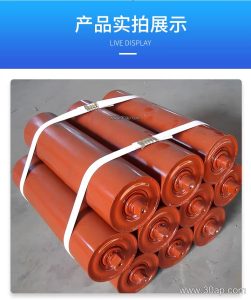
At a transfer point, the conveyor belt takes its hardest punishment. Rock, ore, clinker or coal drops onto the belt with sudden force, and ordinary carrying idlers may not absorb that energy well. An impact idler bracket is the support frame that holds impact idlers and rubber impact rings directly beneath the loading zone. Its job is to keep the rollers at the correct height and angle while cushioning the drop, protecting both the belt cover and the idler bearings.
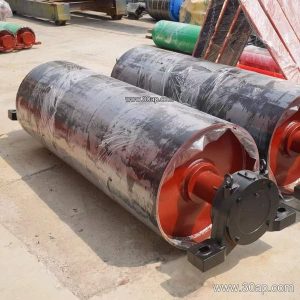
This bracket is not a pulley component. It works together with the conveyor belt and the idler roller set, and it is separate from the head drive pulley, the tail pulley or a bend pulley used for path changes. Confusing these parts leads to wrong spare orders and poor installation.
How the Bracket Is Built
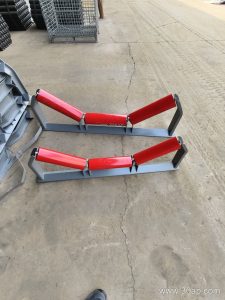
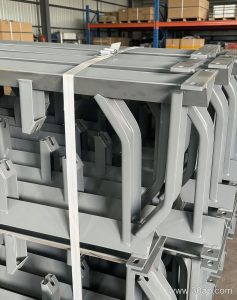
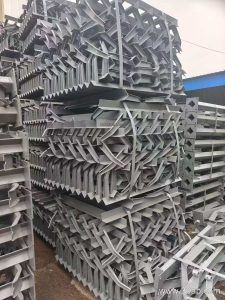
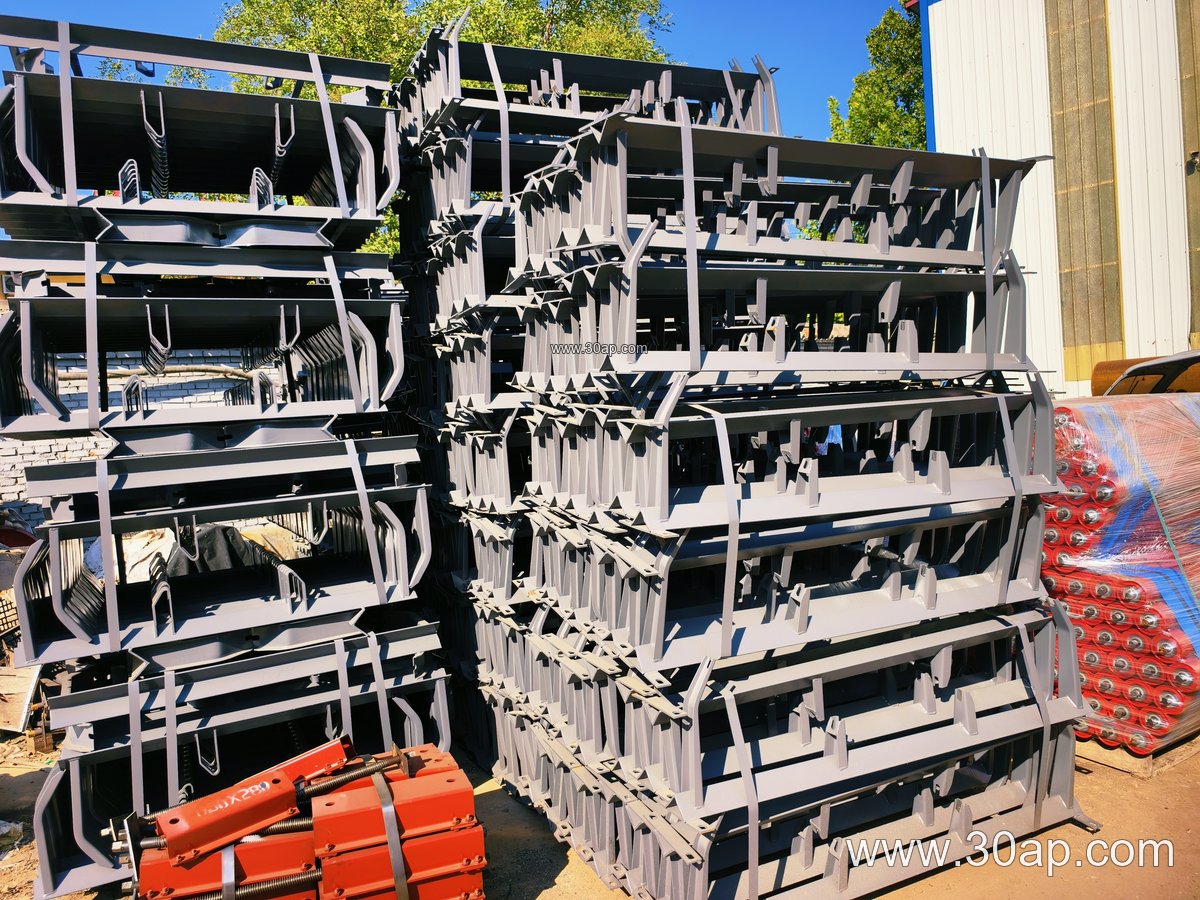
Most impact idler brackets are fabricated from angle steel, channel steel or folded steel plate. The frame usually includes a cross beam, two side supports and mounting holes that locate the idler shaft ends. Impact brackets are often made in a fixed trough form or with slotted and adjustable positions so the trough angle can be set on site.
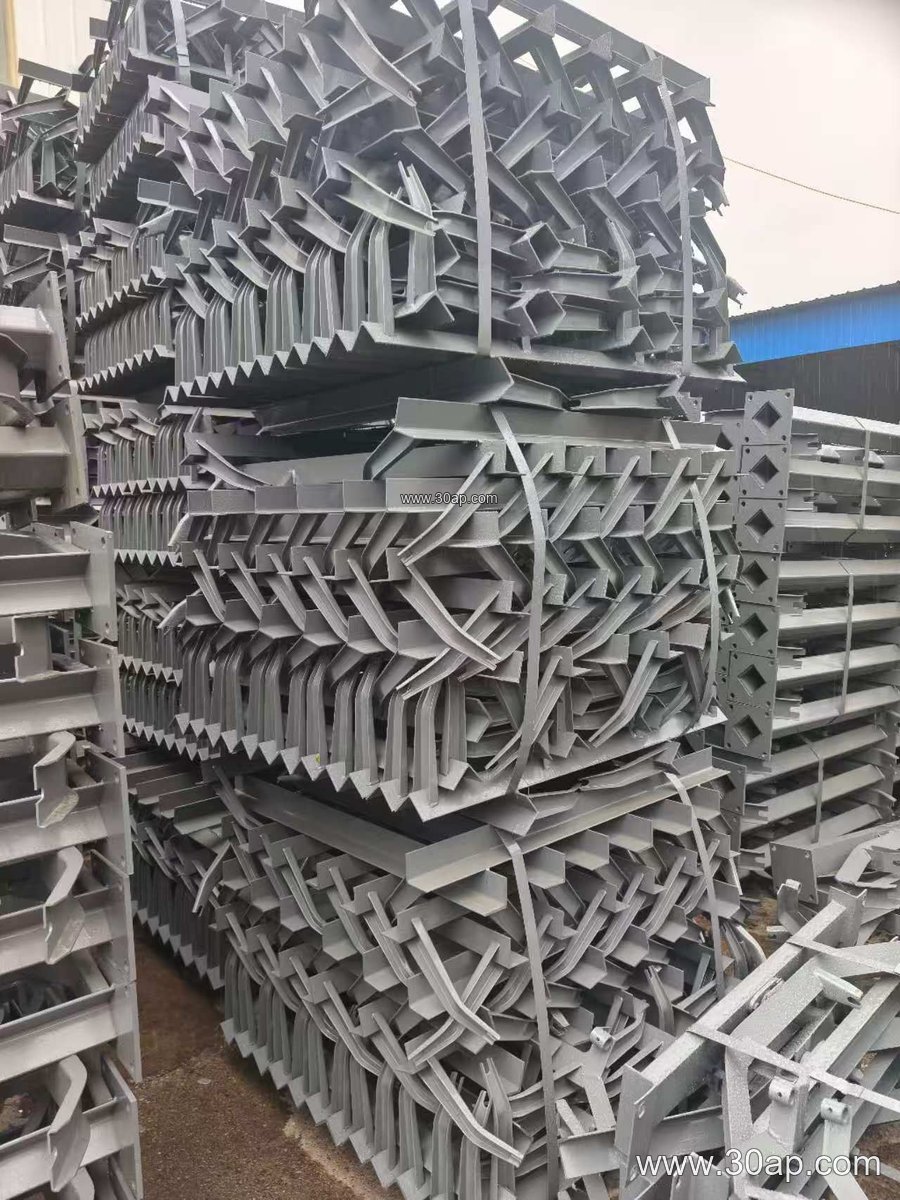
The bracket sits under the belt line at the loading point, frequently on a reinforced section of the conveyor frame. Because the load is dynamic, the welds, bolt holes and base plate need enough stiffness to resist vibration. A common arrangement uses a three-roller trough with impact rings, and the bracket is designed to match the idler diameter and the belt width rather than forcing a single universal fit.
Common Configurations and Reference Dimensions
Impact idler brackets appear in several forms, including fixed trough brackets, adjustable trough brackets and transition brackets near the loading area. The table below shows typical reference combinations; actual mounting hole spacing and beam length are determined by the conveyor design.
| Belt width | Typical trough angle | Reference idler diameter | Bracket note |
|---|---|---|---|
| B650 | 30 degrees | Ø89 | Light to medium loading |
| B800 | 35 degrees | Ø108 | Common quarry and aggregate duty |
| B1000 | 35 degrees | Ø133 | Adjustable or fixed frame |
| B1200 | 45 degrees | Ø133 | Heavy impact zone |
| B1400 | 35 degrees | Ø159 | Large lump material |
| B1600 | 45 degrees | Ø159 | Mine and port transfer points |
| B1800 | 35 degrees | Ø194 | High tonnage loading |
| B2000 | 45 degrees | Ø194 | Extra-wide belt support |
These values are reference data only. A 1200 mm belt does not have one fixed pulley diameter, and a given belt width can be paired with more than one trough angle or idler size depending on the conveyor layout.
Where It Is Used
The most common home for an impact idler bracket is the receiving point of a belt conveyor. In a quarry or stone crushing line, it sits under the crusher discharge where lump rock hits the belt. In a coal mining or coal handling plant, it is placed below the chute at the transfer tower. Cement plants use it under clinker and limestone drops, while power plant coal yards rely on it at bunker feeding points.
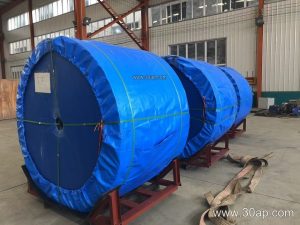
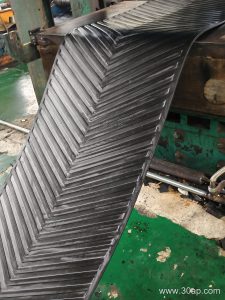
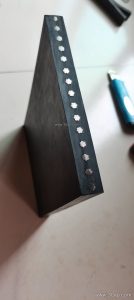
The belt itself is often a heavy-duty rubber conveyor belt, an abrasion resistant conveyor belt, or a flame retardant conveyor belt in underground coal mining conveyors. At the same loading zone, a fabric core conveyor belt such as an EP conveyor belt or NN conveyor belt may be protected by the same bracket arrangement, provided the frame and idler sizes are matched to the belt width and load.
Selection Points for Buyers
- Match the bracket to the belt width and the chosen trough angle; do not assume one angle fits all.
- Confirm the idler diameter and shaft end size before ordering, since the bracket holes must accept the impact idler.
- Check whether a fixed or adjustable bracket is needed for future maintenance and alignment.
- Consider the drop height and lump size; a transition bracket may be needed to ease the belt from flat to trough.
- Review the frame material and mounting details against the conveyor bracket already installed.
A well-chosen impact idler bracket reduces belt damage at the loading point and keeps the idler roller running true. For conveyors handling abrasive bulk material, pairing the correct bracket with a suitable impact resistant conveyor belt and quality conveyor pulley components gives a more reliable transfer station. Buyers can review bracket and conveyor belt options at www.example.com/conveyor-belt and idler data at www.example.com/idler-roller before finalizing the specification.