What the Head Pulley Does at the Discharge End
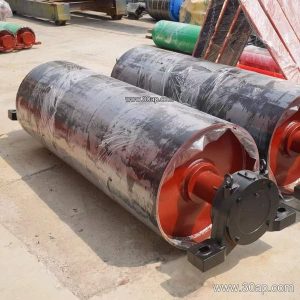
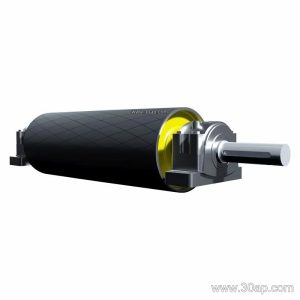
The conveyor head pulley is the drum at the delivery end of a belt conveyor, where the belt wraps around and discharges its load into the next process. In many plants it is also the drive pulley, transmitting torque from the gearbox to the belt through friction between the lagged shell and the belt cover. Because it sits at the transfer point, its diameter, lagging and balance affect both belt life and how cleanly material leaves the belt.
On a quarry conveyor or a power plant coal handling line, the head pulley is often the largest drum on the machine. It sets the belt path, works with the conveyor belt to generate traction, and must tolerate dust, fines and occasional impact from oversized lumps. A well-matched head pulley keeps the belt tracking straight and reduces spillage at the chute.
Construction and Surface Options
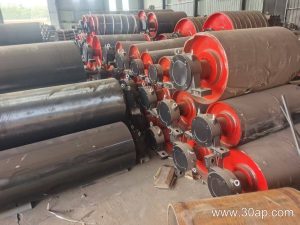
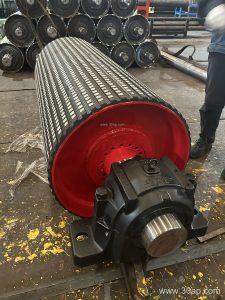
The assembly usually consists of a steel shell, two end discs, a shaft, bearing housings and a lagging layer. Shell thickness and shaft diameter are determined by torque and radial load, not by belt width alone. Common shaft sizes include Ø80, Ø100, Ø120, Ø140 and Ø160, but the final value follows the drive calculation.
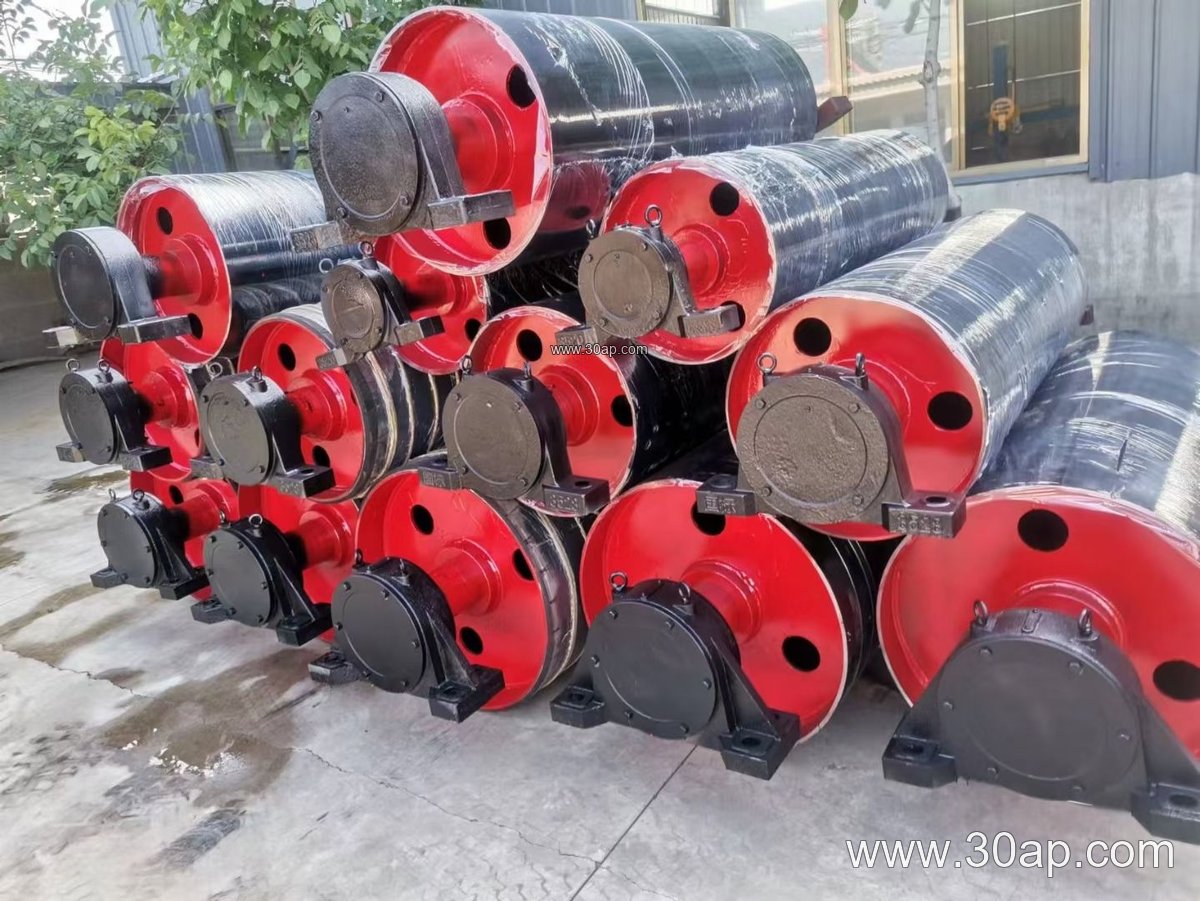
Lagging is where buyers have real choices. Plain (smooth) shells suit light duty. Rubber lagging, hot-vulcanized or cold-bonded, improves grip in wet or dusty conditions. Diamond and herringbone patterns help shed water and fines, while ceramic lagging is chosen where abrasion is severe. Typical lagging thicknesses are 8, 10, 12, 15 and 20 mm.
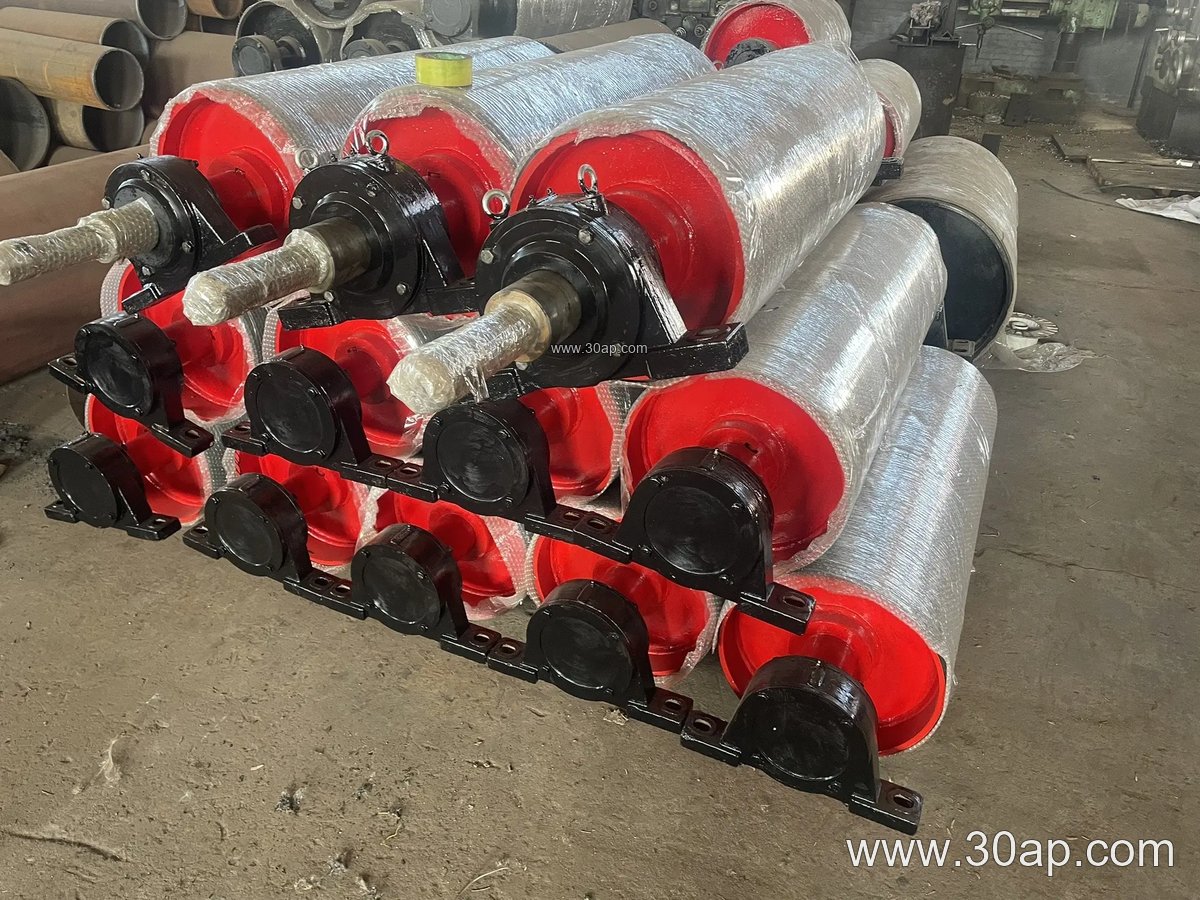
- Shell diameter: commonly Ø400, Ø500, Ø630, Ø800, Ø1000 or larger on main drives
- Face width: usually wider than the belt, for example about 1400 mm for a B1200 belt
- Surface: plain, rubber lagged, diamond, herringbone or ceramic
- Bearings: pillow block housings with grease or oil lubrication
Face width is normally slightly greater than belt width so the belt is fully supported. A B800 belt typically runs on a pulley face of about 950 mm, and a B1400 belt on about 1600 mm. These are reference figures; actual dimensions follow the conveyor design.
Where It Fits in the Plant
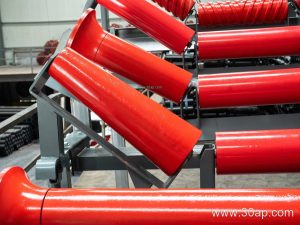
Head pulleys appear wherever a belt must discharge: crusher feed conveyors in a stone crushing plant, clinker transport in a cement works, coal yard belts at a power station, and ship loading lines at a port. In a sand and aggregate line, the head pulley at the screen feed point often carries an abrasion resistant conveyor belt and works alongside idler roller sets and conveyor bracket frames that keep the belt aligned.
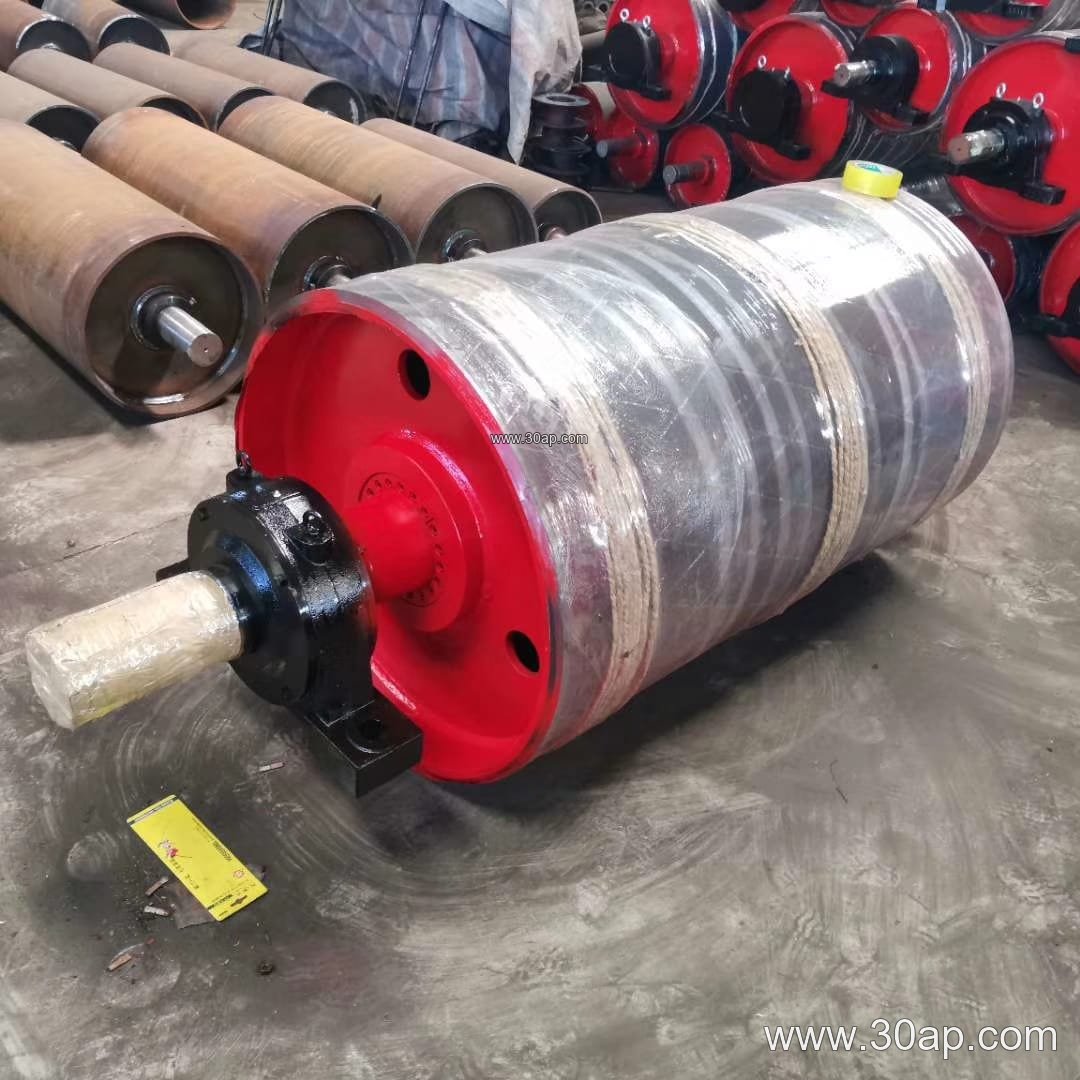
Compared with a bend pulley, which only changes belt direction with minimal wrap, the head pulley carries high tension and transmits drive force. That is why its lagging, bearing selection and shaft size deserve separate attention during procurement.
Selection Notes for Buyers
Start with the belt width, then confirm the required diameter from the belt manufacturer’s minimum pulley recommendation. A larger drum reduces bending stress in the belt carcass, which matters for steel cord conveyor belt and thick multi-ply fabric core conveyor belt constructions. Belt speed, wrap angle, starting torque and ambient conditions all influence the final choice.
Check that the lagging suits the duty. A flame retardant conveyor belt in an underground coal mining conveyor may call for anti-static lagging and careful earthing. A heat resistant conveyor belt carrying clinker needs a pulley that can cope with radiant heat. In food or grain handling, hygiene and cleanability may outweigh grip.
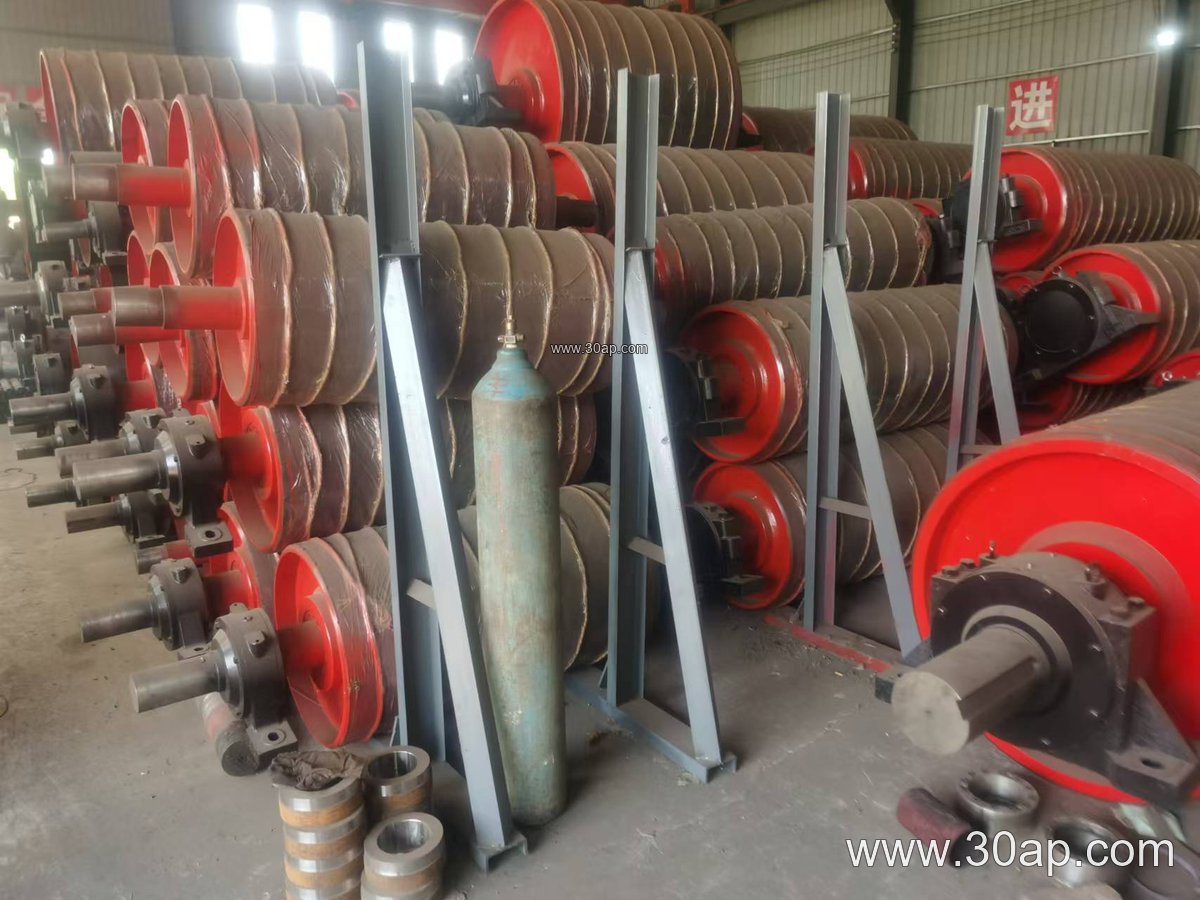
Ask for the shaft diameter, bearing type, balance grade and lagging thickness in writing. Confirm the face width against the actual belt, and check that the conveyor bracket and chute clearances allow removal of the pulley during maintenance.
Installation and Maintenance Checks
Alignment is critical. A head pulley set square to the belt centreline prevents edge wear and mis-tracking. After installation, check lagging wear at the discharge point, bearing temperature and grease condition. Worn diamond lagging loses grip and can allow belt slip, especially on wet belts.
Keep the discharge chute from building up material against the drum, and inspect the lagging surface for cuts or embedded stone. Re-lagging is often more economical than replacing the whole assembly when the shell and shaft remain sound.