What a Belt Conveyor Take-Up Pulley Does
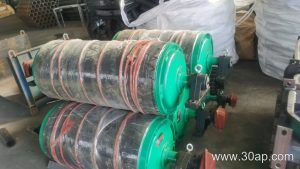
A belt conveyor take-up pulley is the drum that maintains working tension in the belt circuit. Mounted at the tensioning station, usually near the tail end, it moves along a guided travel path while the conveyor is adjusted or while the belt stretches under load. Without this movement, a slack belt would slip on the drive pulley, wander off the idler rollers, and spill material at transfer points. In a quarry, a coal preparation plant, or a cement clinker line, the take-up pulley is therefore a small component with a large effect on belt tracking and drive reliability.
The same drum is also called a tension pulley or take-up drum. It should not be confused with the drive pulley, tail pulley, or bend pulley, which perform separate duties in the same conveyor frame.
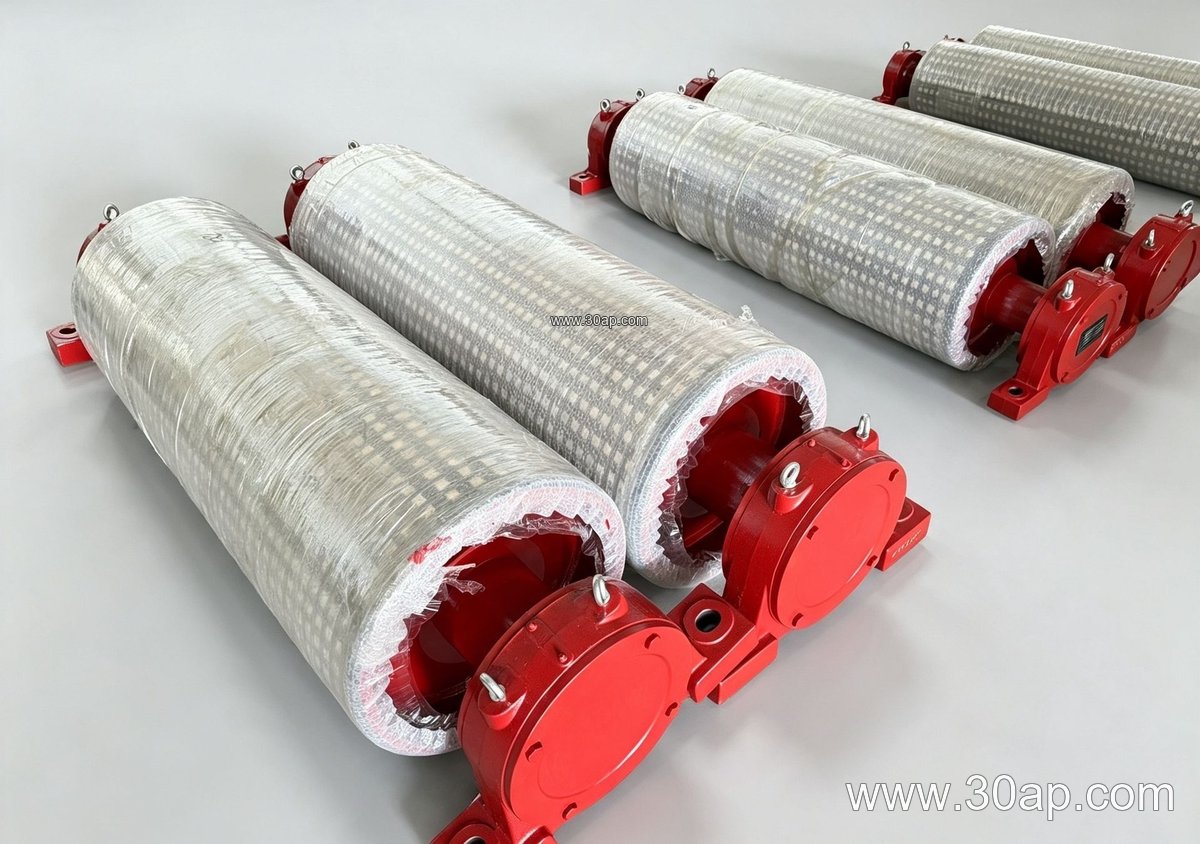
Construction and Surface Options
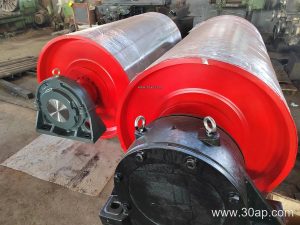
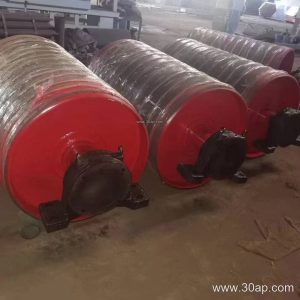
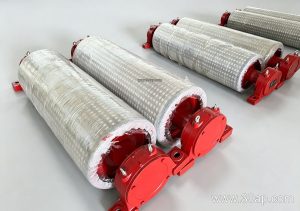
The take-up pulley is generally a welded steel drum with a shaft, hub, and bearing housings, designed to slide or pivot as tension changes. Depending on the belt width and load, it may run with a plain machined face or a rubber lagged face. Lagging helps grip the belt and reduces slip during tensioning, and common forms include flat rubber, diamond grooving, and ceramic tiles for abrasive service.
Because a take-up station often sits in a dusty or wet area, bearing sealing and corrosion protection matter as much as the shell. In a crusher conveyor line or a port bulk terminal, water ingress and fines are constant risks, so sealed housings and accessible grease points are practical choices.
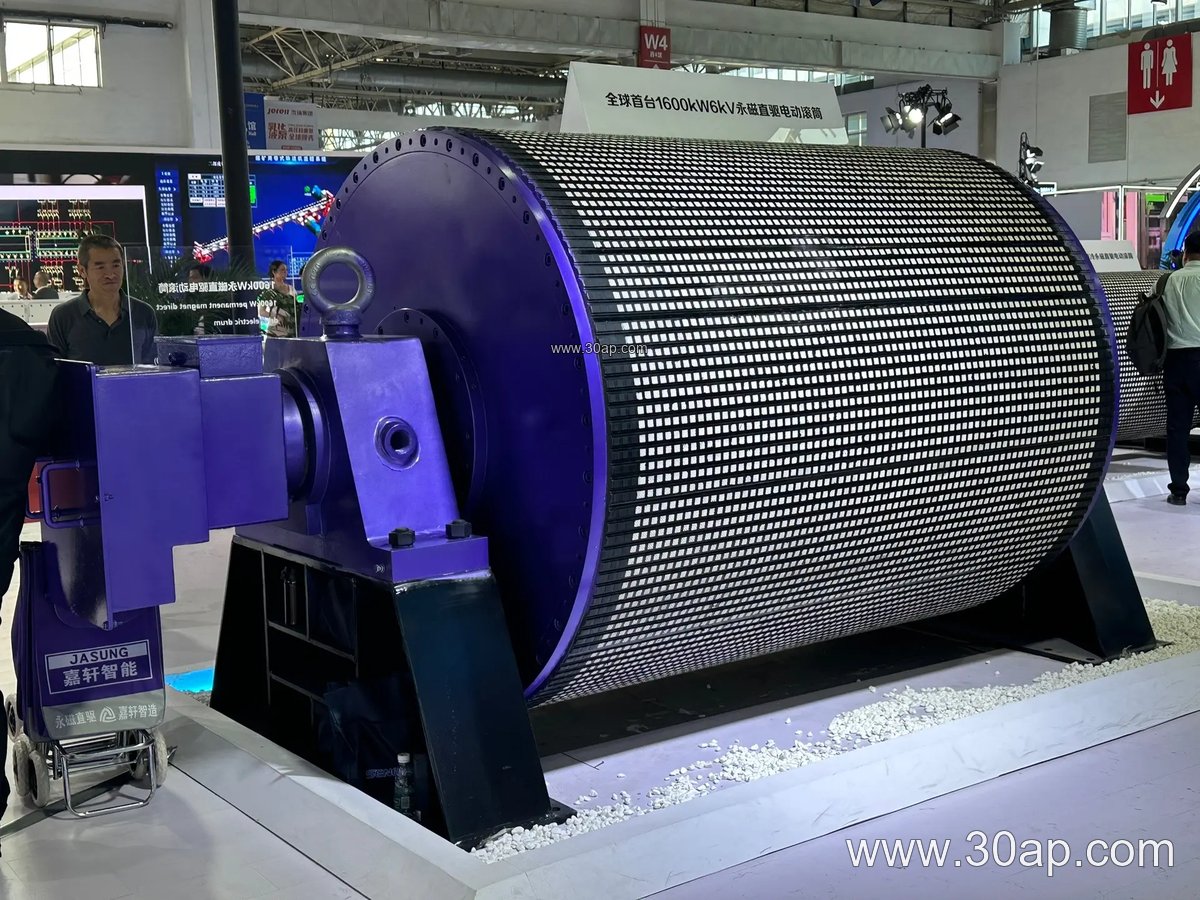
Where It Fits in the Conveyor Layout
Take-up stations are used in mining conveyors, aggregate plants, power plant coal handling, steel plant sinter lines, and fertilizer or grain silos. The pulley may travel horizontally on a carriage, swing on a pivoted arm, or be pulled by a counterweight. In long overland systems, a heavy-duty take-up pulley keeps the belt tension stable as ambient temperature changes and as the belt creeps. In a tunnel mucking conveyor, a compact screw or hydraulic take-up keeps the loop tight in a confined space.
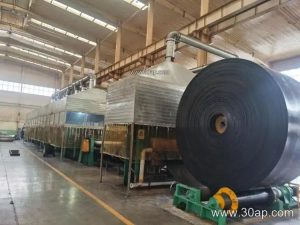
On the belt side, tension requirements depend on the belt construction. A heavy steel cord conveyor belt needs more take-up travel and higher tension than a lighter EP conveyor belt or NN conveyor belt, while a chevron conveyor belt or corrugated sidewall conveyor belt may need extra care to avoid edge contact at the tension pulley.
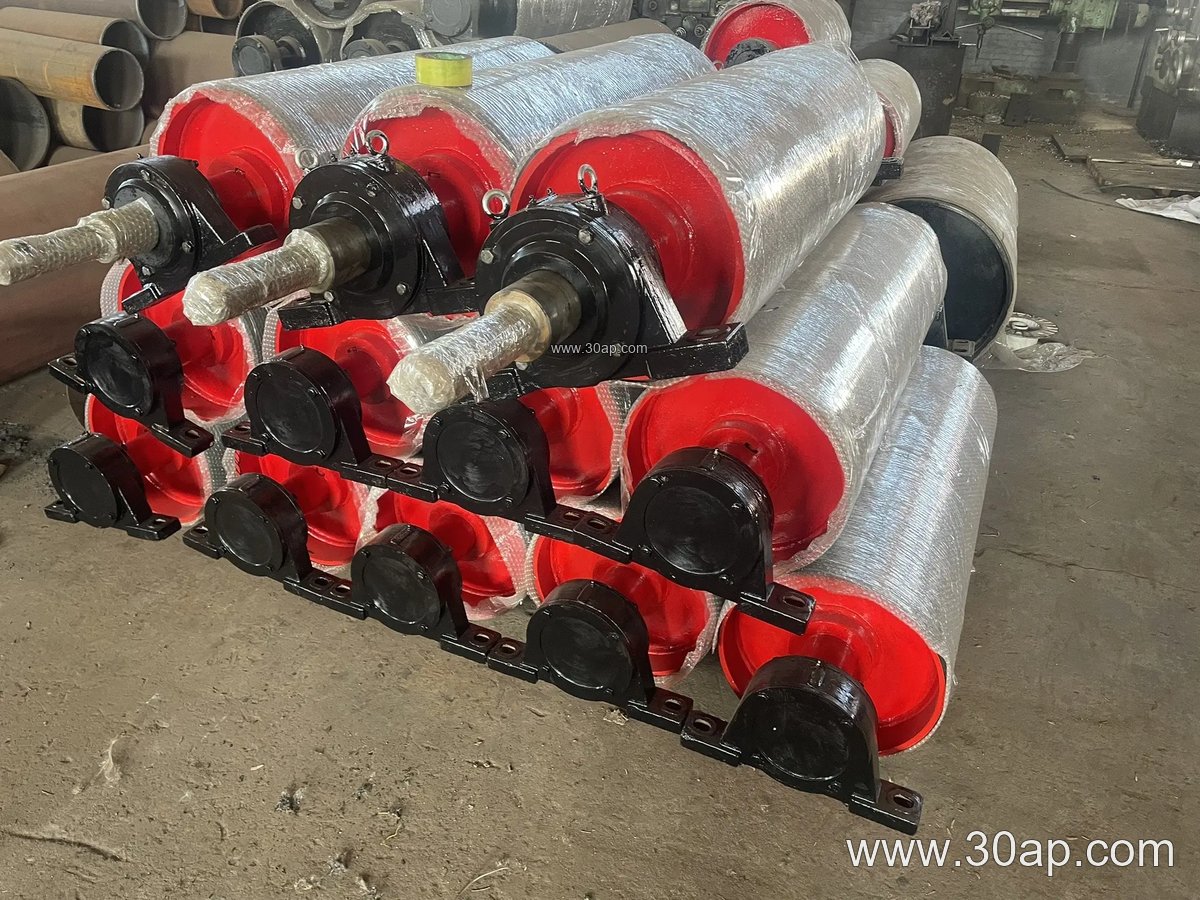
Sizing Reference for Buyers
The drum width should exceed the belt width so the belt is fully supported. Diameter and shaft size are set by belt tension, wrap angle, and torque rather than by belt width alone. The following values are common reference points, not fixed rules.
- Belt width B800: drum face about 950 mm, typical diameter range Ø400 to Ø630
- Belt width B1000: drum face about 1150 mm, typical diameter range Ø500 to Ø800
- Belt width B1200: drum face about 1400 mm, typical diameter range Ø630 to Ø1000
- Belt width B1400: drum face about 1600 mm, typical diameter range Ø800 to Ø1250
Lagging thickness is often 8 mm to 20 mm, selected by duty. Shaft diameters commonly range from Ø80 to Ø200 for these sizes, but final selection should follow the calculated load case. A B1200 x Ø1000 take-up pulley and a B800 x Ø500 unit can both be correct for their own conveyors.
Buyer Checklist
Confirm the belt width, the required take-up travel, and the tension at the pulley. Check whether the frame uses a sliding carriage, a pivot, or a screw, and match the bearing housing to that arrangement. Ask about lagging type and thickness, and whether the pulley is balanced for the expected belt speed. For abrasive ore or coke service, specify a wear-resistant lagging; for food or clean material, a plain or washable surface may be preferable. Also confirm that the pulley suits the conveyor bracket and that the shaft fits the bearing seat without shimming. A take-up pulley is not a replacement for a drive, tail, or bend pulley, and each position should be specified on its own terms.