What a V-Type Idler Bracket Does on a Conveyor
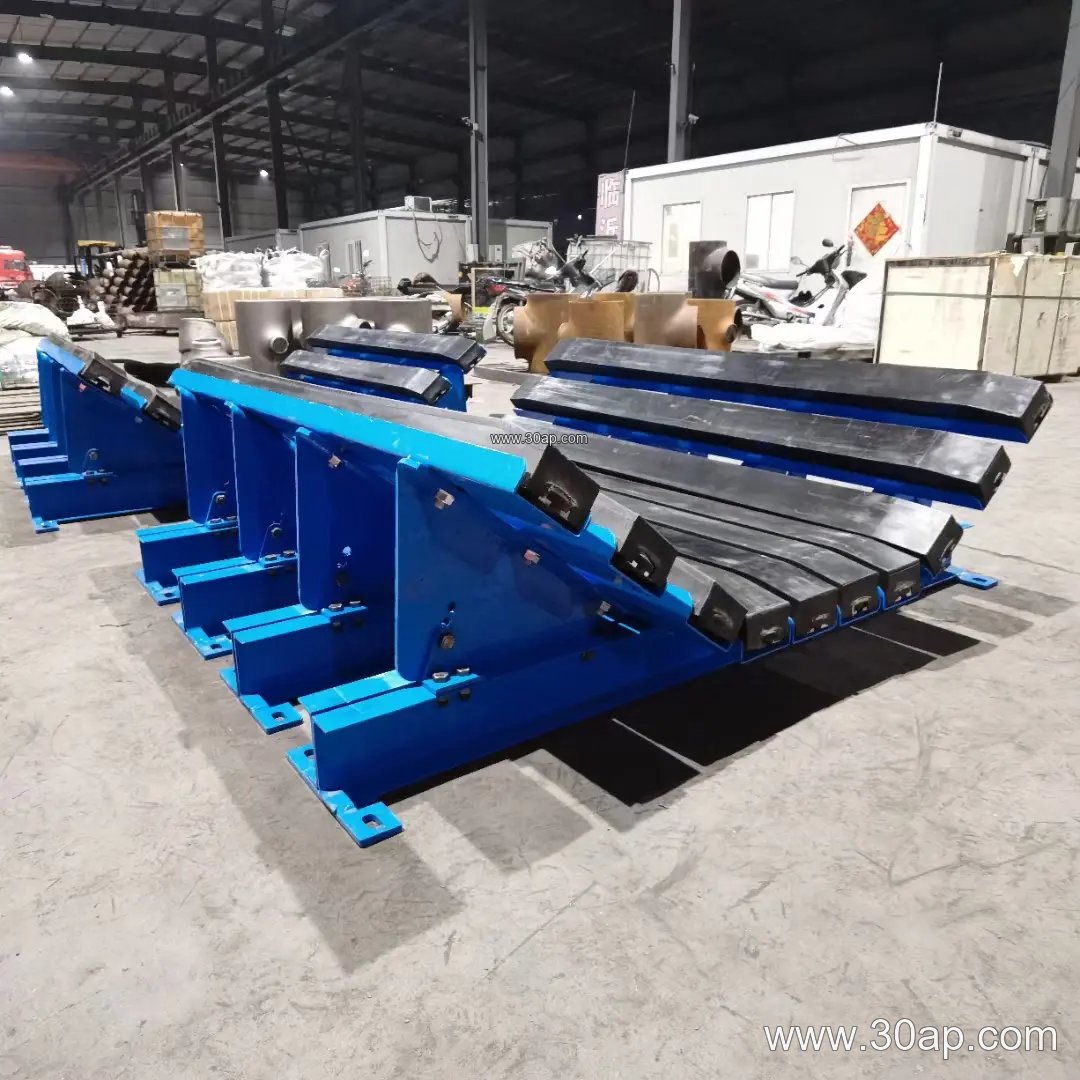
A V-Type Idler Bracket is the support frame that holds two return idler rollers in a shallow V arrangement beneath the carrying strand. Instead of a single flat return roller, the bracket positions the rollers so they form a trough that cradles the belt edge and encourages it to run centered. Maintenance crews in a limestone quarry, a cement plant, or a power plant coal yard often reach for this bracket when a plain flat return station lets the belt wander or when spilled material builds up around the return run.
The bracket is also known as a V-return idler frame or V-type return bracket. It is a distinct item from the troughing bracket on the carrying side, from the transition bracket near a conveyor pulley, and from self-aligning frames, although all of them belong to the same family of conveyor bracket hardware.
How the Bracket Is Built
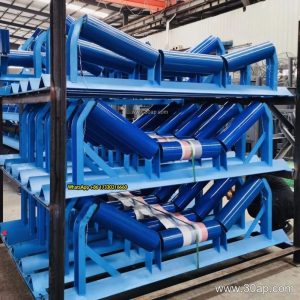
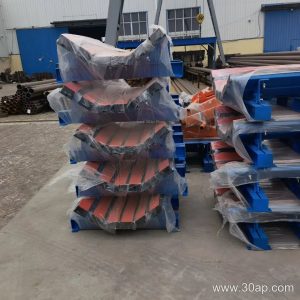
Most units are fabricated from angle steel, channel steel, or folded steel plate. Two inclined arms meet at a central low point, and each arm carries a mounting slot or bolt hole for one idler roller. The arms are usually set at a modest angle, often around 10 to 20 degrees from horizontal, so the belt sits in a gentle V rather than a deep trough. The base of the frame may include a cross member that bolts to the conveyor stringer.
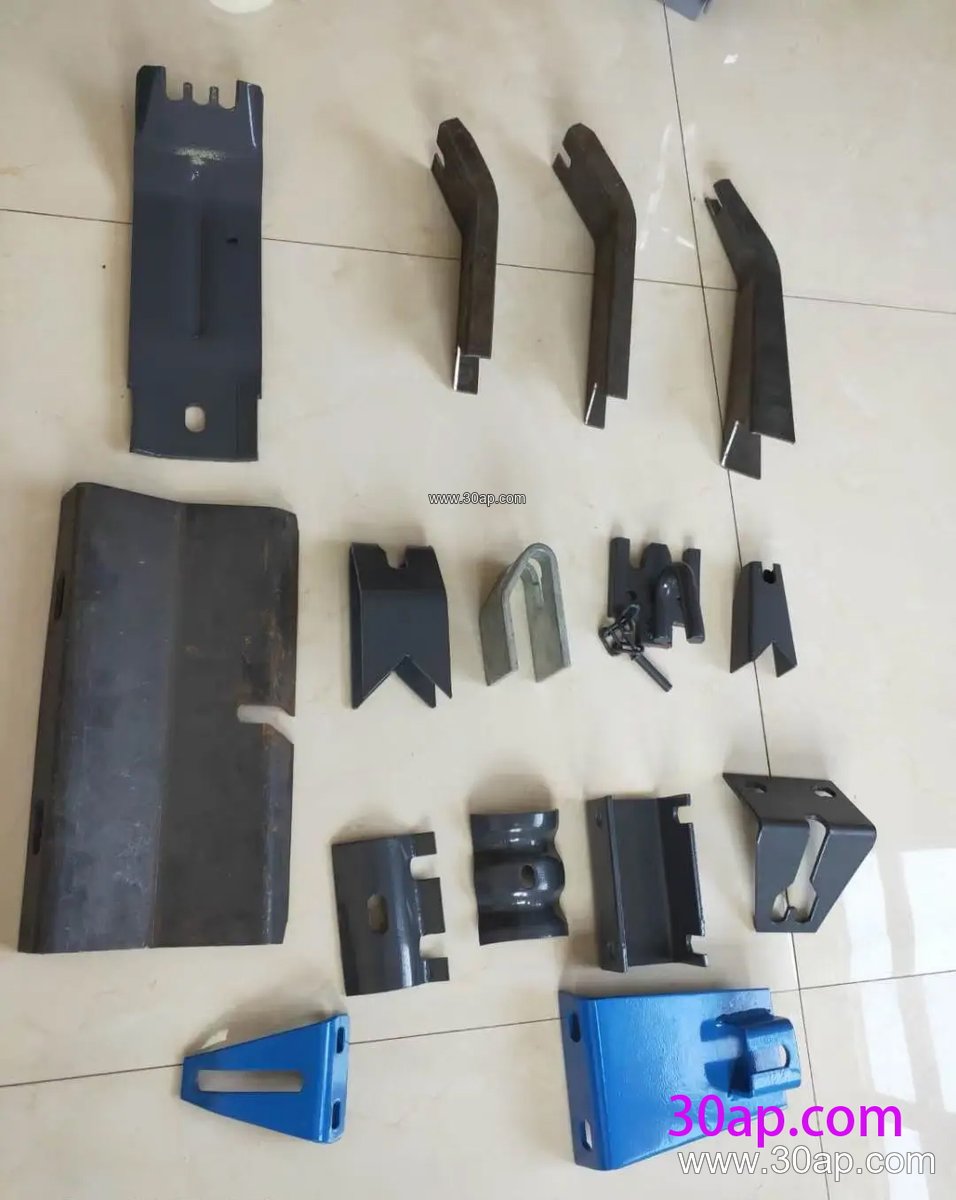
Build quality shows up in the details: consistent hole spacing, square weldments, and a finish that resists damp conditions in a wash plant or a tunnel portal. Because the frame sits under the return strand, it also needs enough clearance for material that drops from the belt.
Where It Fits in the Conveyor Layout
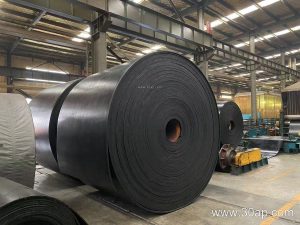
V-type frames are typically spaced along the return run between the drive pulley and the tail pulley. They are common in aggregate plants, crusher discharge conveyors, iron ore handling lines, and ship loading systems where belt tracking matters. A user may pair them with an abrasion resistant conveyor belt or a heavy-duty mining conveyor belt that carries sharp, dense material, since a centered belt wears more evenly on both edges.
They are not a substitute for a bend pulley, a drive pulley, or a tail pulley. Those components transmit power and change belt direction; the V bracket only supports and guides the return strand.
Points to Check Before Ordering
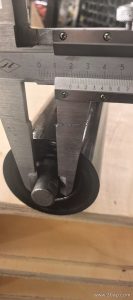
The bracket must match the belt width, the roller diameter, and the mounting pattern of the existing conveyor. Common belt widths in the reference range include B500, B650, B800, B1000, B1200, B1400, B1600, B1800, and B2000, while common return roller diameters include Ø89, Ø108, Ø133, Ø159, and Ø194. A B800 frame with Ø108 rollers and a B1200 frame with Ø133 rollers are both normal combinations, but the correct pairing depends on the conveyor design, not on a fixed rule. Installation hole spacing and cross member length vary with belt width and frame angle.
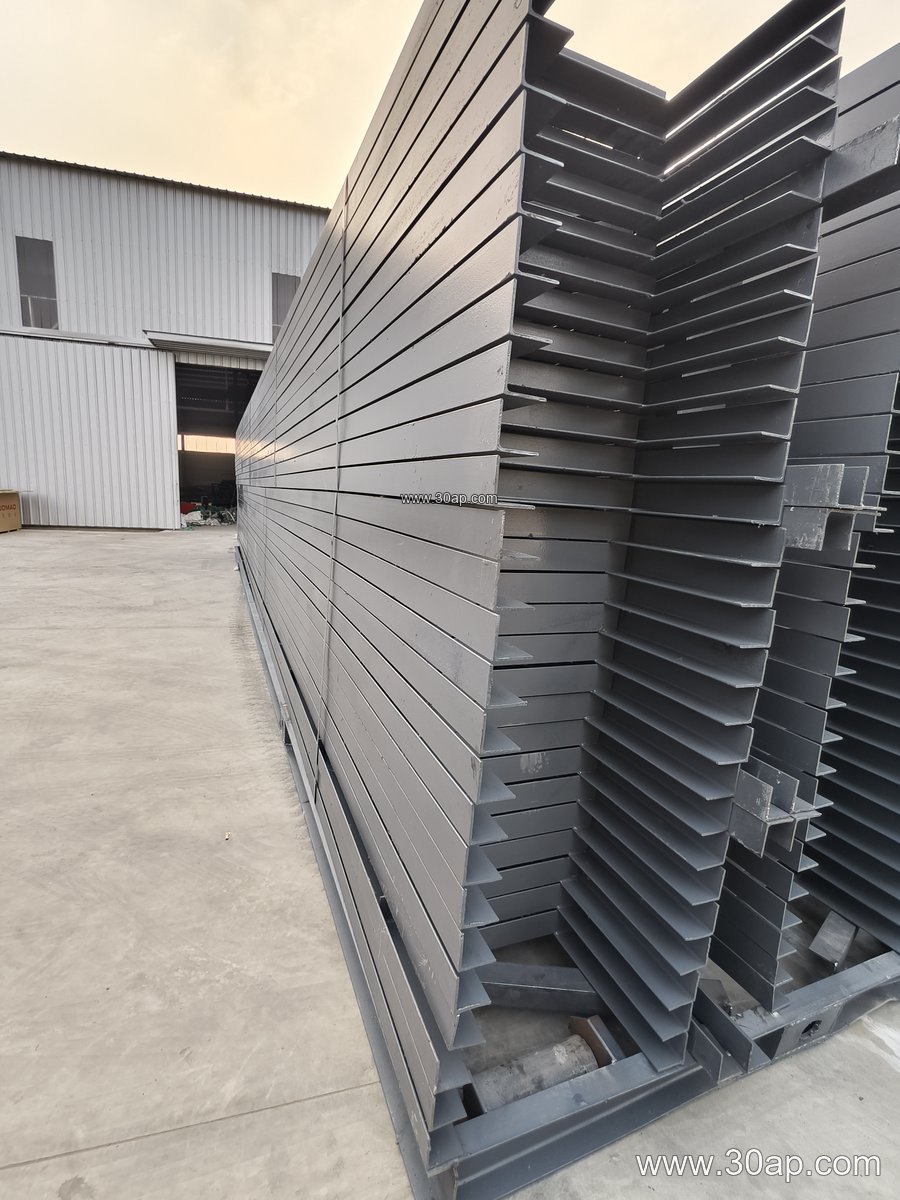
Buyers should confirm the roller shaft ends, the bolt hole centers, the stringer spacing, and the required clearance below the belt. In a coal mining conveyor belt system, flame retardant properties of the belt are a separate matter from the bracket material, so the two should be specified independently.
Installation and Maintenance Notes
- Align the frame square to the belt centerline so the V does not steer the belt to one side.
- Check that both rollers turn freely and sit at the same height.
- Clear spilled material from the V pocket during routine inspections.
- Retighten mounting bolts after the first weeks of operation.
When a belt on a quarry conveyor belt line or a cement conveyor belt line keeps drifting, inspect the V frames together with the rollers and the loading point rather than replacing the bracket alone.
Related Components in the Same System
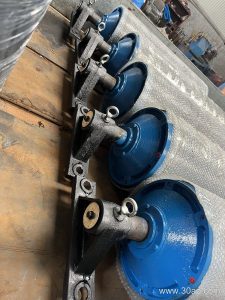
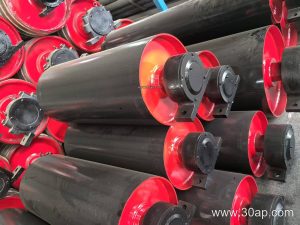
A complete return station usually combines the V-Type Idler Bracket with conveyor idler rollers, and the carrying side relies on troughing frames and, near the ends, on the conveyor pulley. For enquiries, state the belt width, roller diameter, frame angle, and mounting dimensions so the supplier can match the bracket to the existing conveyor bracket layout. Visit our site for conveyor bracket, idler roller and conveyor pulley references, and for belt options such as EP conveyor belt, NN conveyor belt, and steel cord conveyor belt.