What an Adjustable Conveyor Bracket Does
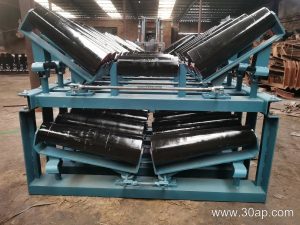
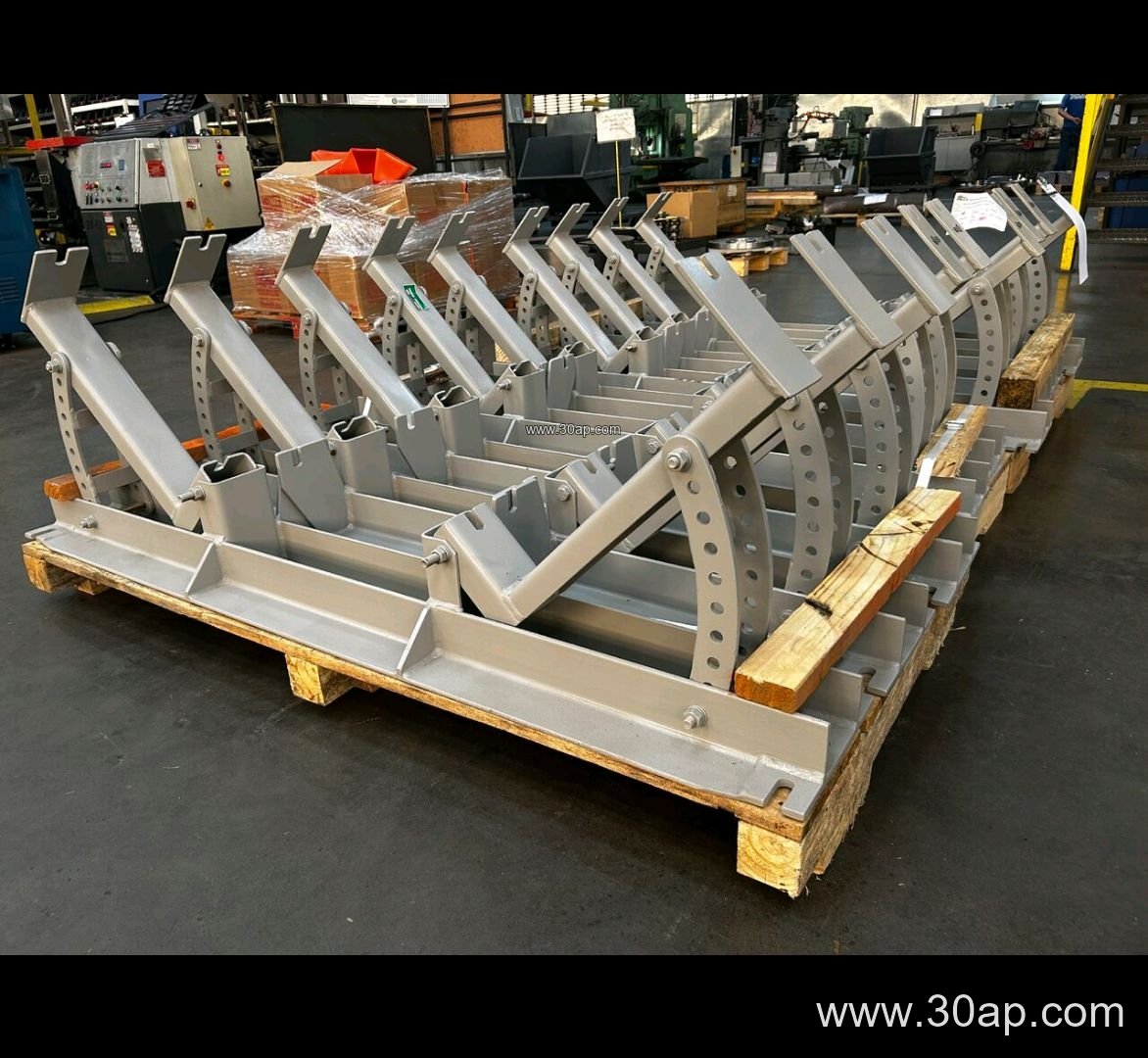
An adjustable conveyor bracket is a support component that holds idler rollers in place while allowing the trough angle or roller position to be changed after installation. Instead of welding a fixed cradle to the conveyor frame, maintenance teams can loosen the mounting bolts, rotate or slide the bracket, and lock it again at a new angle. This flexibility matters when a belt line handles more than one material, when a conveyor is rebuilt from a 30 degree profile to a deeper 45 degree trough, or when a quarry wants to fine-tune belt tracking without cutting steel. On sites where a single frame must serve different duty points, such as a limestone mine feeding both a crusher and a stockpile conveyor, the same adjustable bracket can be reset as operating conditions change.
Construction and Mounting Details
Most units are fabricated from angle steel, channel steel, or folded steel plate, then drilled or slotted so the idler roller frame can move through a defined arc. The bracket usually clamps to the main stringer or cross beam with bolts rather than permanent welds, which keeps the frame reusable. Adjustment is normally done through slotted holes or a pivoting plate, and a locking bolt or stop pin holds the chosen setting. Because the cross beam length and hole spacing follow the belt width and trough angle, these dimensions are determined per design rather than sold as one universal size. A bracket built for a B650 frame will not fit a B1400 structure, and the roller seat must match the shaft end of the idler it carries.
Where It Fits on the Conveyor
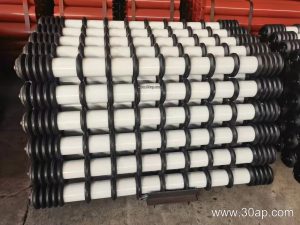
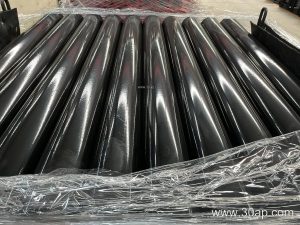
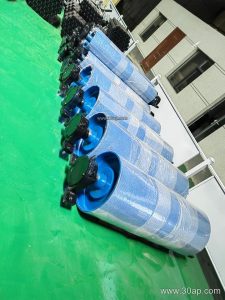
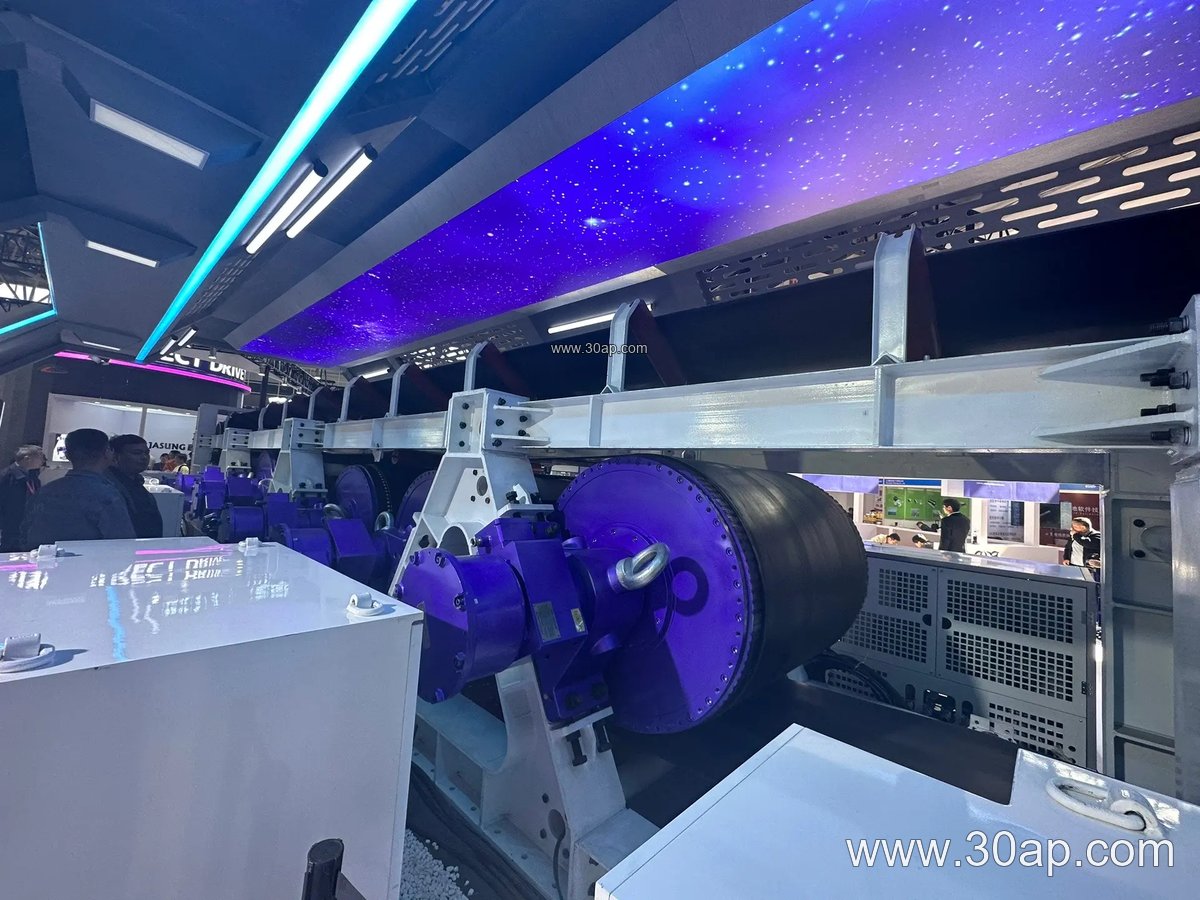
The bracket is most often used on the carrying side to set the trough angle of the upper idlers, but adjustable versions also appear on transition sections where the belt changes from flat to troughed, and on return-side brackets where V-shaped or flat return rollers need alignment. It works together with the conveyor belt, the conveyor pulley at the head or tail, and the idler roller set it supports. In a coal mining conveyor or a power plant coal handling line, a small angle change can reduce spillage at the transfer point; in a cement plant or aggregate conveyor, the same adjustment helps center a loaded belt before it reaches the next pulley. Bear in mind that drive pulleys, tail pulleys, and bend pulleys are separate components with their own supports, and an adjustable bracket does not replace any of them.
Common Reference Ranges
The figures below are typical reference values, not fixed combinations. Belt width, trough angle, and roller diameter are selected together with the conveyor design.
- Belt width: B500, B650, B800, B1000, B1200, B1400, B1600, B1800
- Trough angle: 20 degrees, 30 degrees, 35 degrees, 45 degrees
- Idler diameter: Ø89, Ø108, Ø133, Ø159, Ø194
- Forward tilt on tilting brackets: usually about 1.5 to 2 degrees
For example, a B800 frame at 35 degrees with Ø108 rollers is a common arrangement, and a B1200 line at 45 degrees with Ø133 rollers is another. Neither example locks a belt width to one angle or one roller size.
Adjustable Versus Fixed Brackets
A fixed bracket is simpler and cheaper, and it holds its angle permanently once installed. An adjustable bracket costs more and adds a small number of parts to check, but it allows later correction of trough shape, belt sag, and material spillage. In a sand and gravel line that changes product mix through the season, or in a steel plant where one conveyor is repurposed, the adjustable version avoids a full frame rebuild. Where the profile will never change, a fixed cradle remains the practical choice.
Buyer Checklist
- Confirm the belt width and the idler diameter the bracket must hold.
- State the required trough angle range, for example 20 to 45 degrees, rather than a single setting.
- Check the frame attachment method: bolt-on clamps, welded base, or hanger style.
- Match the roller seat to the shaft end of the idler roller, and confirm hole spacing against the cross beam.
- For dusty or wet duty, ask about the locking hardware and how easily it can be re-adjusted after years of service.
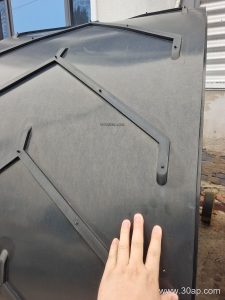
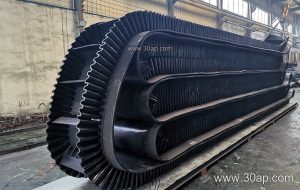
- Review the belt it serves: a heavy-duty mining conveyor belt and a lighter fabric core conveyor belt place different loads on the same bracket family.
Used with the right idler roller and a properly tensioned belt, an adjustable conveyor bracket is a small part that keeps a long conveyor line running straight. Matching it to the actual belt, angle, and roller size is the main task at the buying stage.