Why the Conveyor Bracket Deserves Your Attention
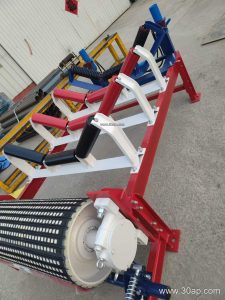
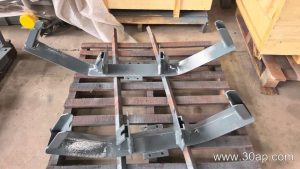
The conveyor bracket is the unassuming yet critical component that aligns rollers, absorbs vibration, and maintains belt tracking across every meter of your line. A faulty bracket can halt production faster than any motor failure.
Key Selection Criteria for Conveyor Brackets
- Material match: Choose galvanized steel for humid or corrosive environments, stainless steel for food-grade lines, and aluminum for lightweight, high-speed systems.
- Load rating: Verify the bracket’s static and dynamic load capacity against your heaviest conveyed item plus a 20% safety margin.
- Adjustability: Opt for slotted or multi-angle brackets when you need fine-tuning of roller height or belt tension without dismantling.
Purchasing and Installation Advice
Always request a dimensional drawing and sample bracket before bulk ordering. Check hole spacing compatibility with your existing frame. For retrofit projects, measure the actual roller shaft diameter—not the nominal size—to avoid costly mismatches. Tighten bolts to the manufacturer’s torque spec and re-check after the first 24 hours of operation.
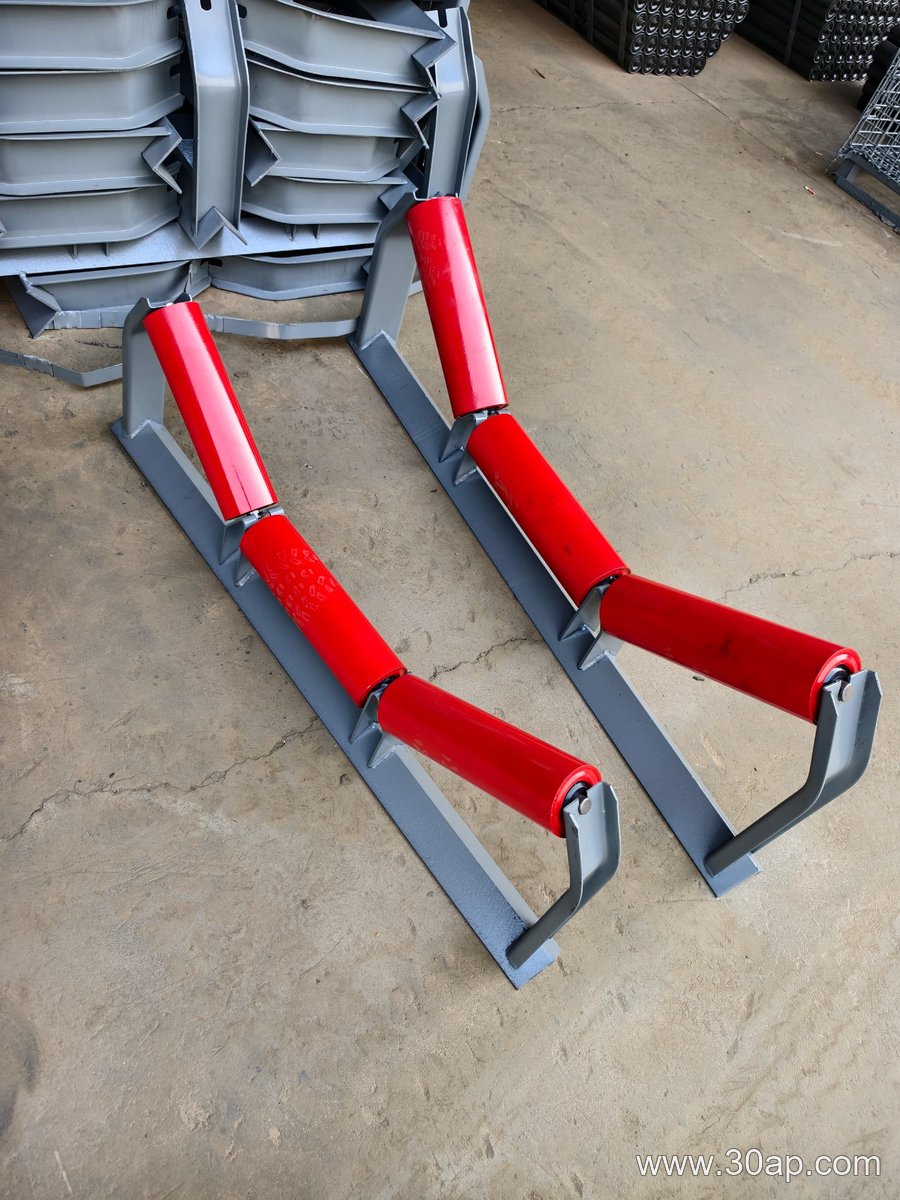
Invest in spare brackets for critical transfer zones. A spare bracket costing a few dollars can prevent a shutdown that costs hundreds per minute. Prioritize suppliers that offer both weld-on and bolt-on versions, and confirm lead times for custom powder-coated finishes if aesthetics matter on your factory floor.
Why the Right Conveyor Belt Determines System Efficiency
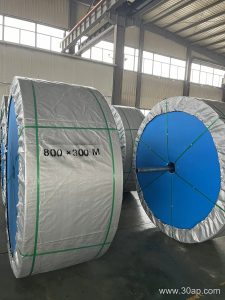
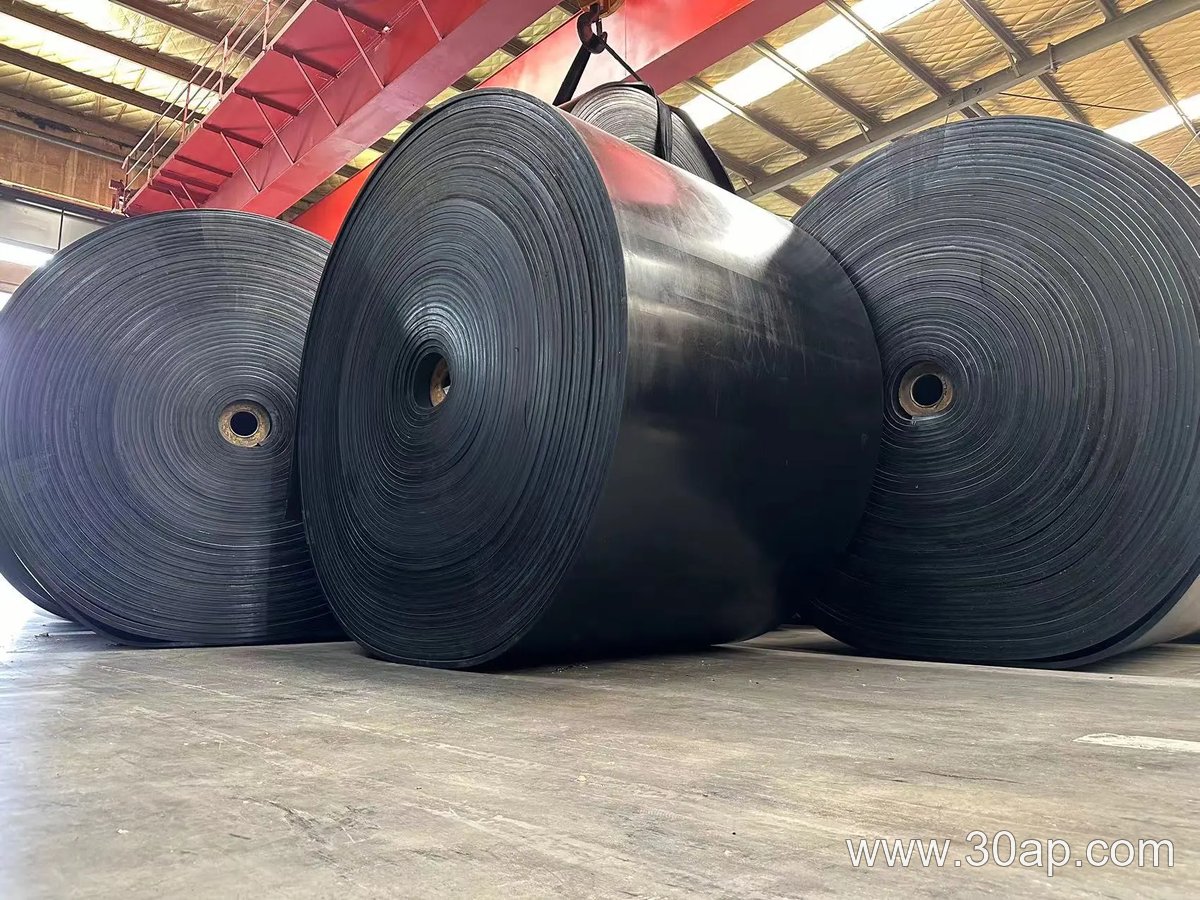
The conveyor belt is the single most critical wear component in any bulk handling or assembly line. Choosing the wrong belt leads to spillage, downtime, and inflated energy costs. Before purchasing, assess material abrasiveness, operating temperature, and required belt speed.
Core Belt Categories and Their Applications
- Rubber multi-ply belts: Best for heavy aggregate, ore, and sharp-edged loads; offer high impact resistance.
- PVC/PU monolithic belts: Ideal for food, packaging, and light logistics where hygiene and easy cleaning matter.
- Steel cord belts: Necessary for long-distance, high-tension conveyors above 500 meters.
- Modular plastic belts: Suited for curved paths and washdown environments with frequent layout changes.
Selection and Purchasing Advice
Request a belt tension calculation from the manufacturer based on your actual load per meter, not just nominal capacity. Verify the belt’s carcass breaking strength and splice method—finger splice for light belts, vulcanized endless for heavy duty. Always specify belt thickness and cover grade according to ISO 10247. Buy from suppliers who offer on-site splicing training and provide a written elongation guarantee below 1% at working tension.
Understanding the Idle Role: Why Idler Rollers Matter
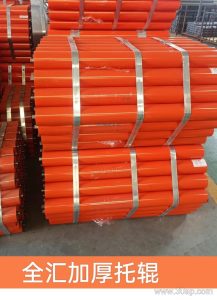
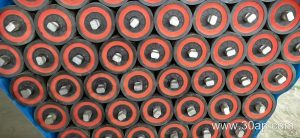
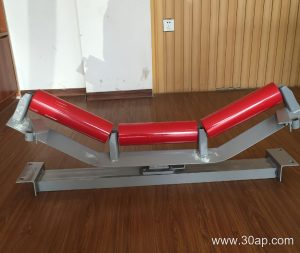
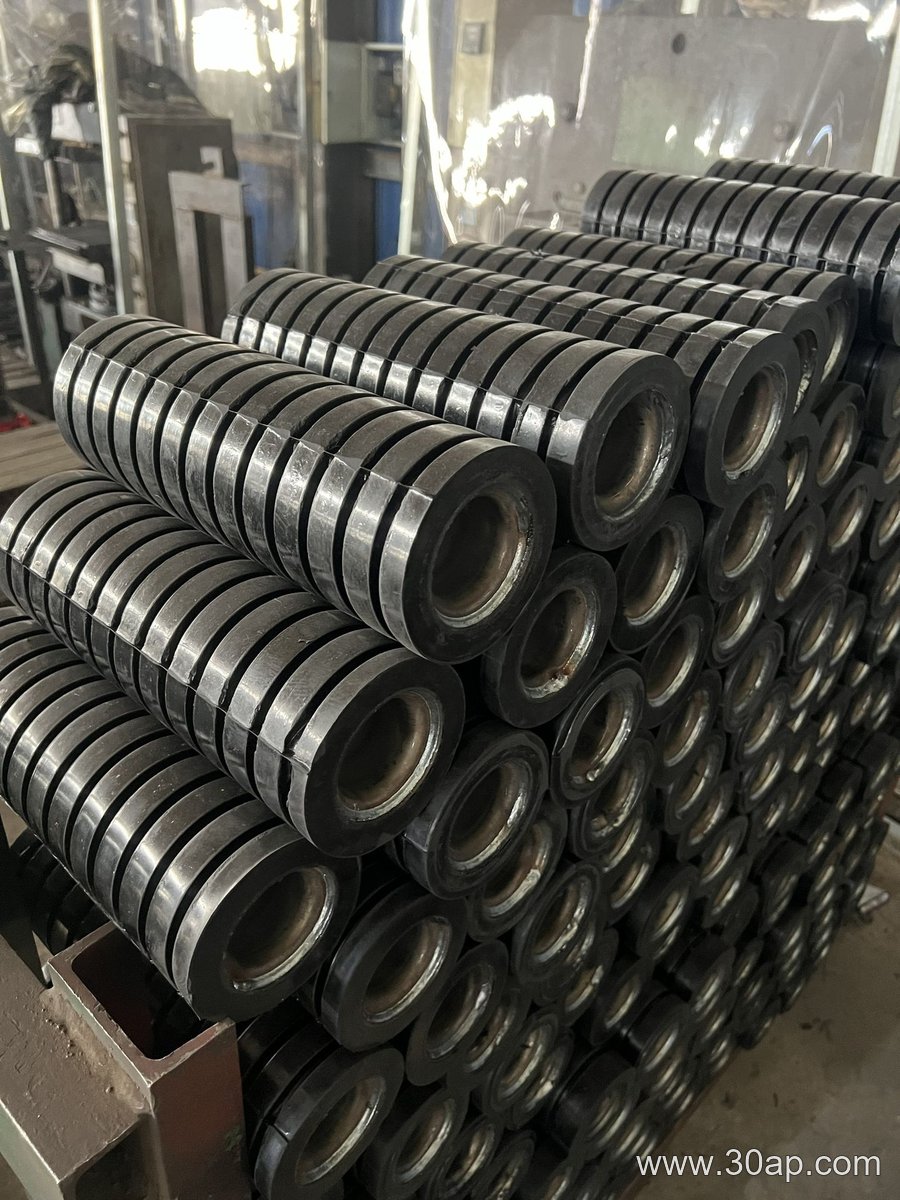
The idler roller is a cylindrical component that supports the conveyor belt and the material it carries, reducing friction and maintaining belt alignment. Without properly engineered idler rollers, even the strongest conveyor system suffers from premature wear, mistracking, and energy loss.
Key Factors in Choosing the Right Idler Roller
- Load capacity: Match the roller’s dynamic and static ratings to your actual material weight and belt speed.
- Diameter and shell thickness: Larger diameters reduce belt sag and impact stress; thicker shells extend service life in abrasive environments.
- Bearing and seal quality: Opt for sealed bearings with labyrinth or contact seals to prevent dust and moisture ingress.
- Frame compatibility: Ensure the idler roller’s shaft end type (tapered, spring-loaded, or round) fits your existing troughing or return frames.
Purchasing Advice for Long‑Term Value
When sourcing idler rollers, prioritize manufacturers that offer true tolerance control (ISO 1940/1941) and provide test data for radial runout. Request samples for pilot testing under your operating conditions, and verify that the roller’s rubber or steel surface is suitable for your belt type and temperature range. Always balance upfront cost against total cost of ownership—cheaper rollers often lead to more frequent downtime and belt damage.
Finally, consult with suppliers about maintenance intervals and spare part availability. A reliable idler roller is not just a spare; it is an investment in operational continuity.
Why the Conveyor Pulley Determines System Longevity
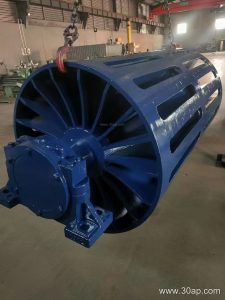
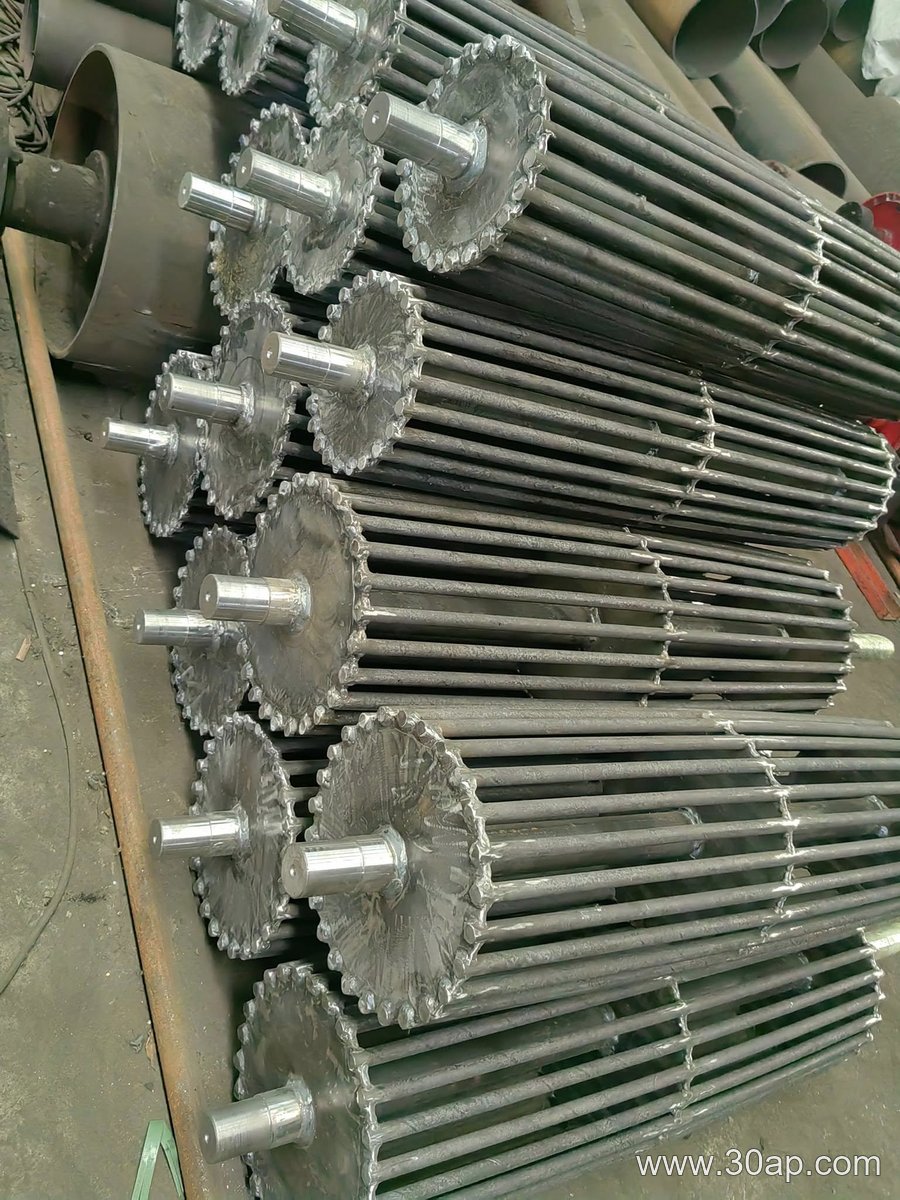
The conveyor pulley is not a passive roller—it is the drive and tension anchor of the entire belt line. A mis-specified pulley causes belt slippage, edge damage, and premature bearing failure, halting production for hours.
Key Design Factors for Heavy-Duty Pulleys
Choose based on belt tension, shaft load, and lagging needs. For head (drive) pulleys, specify a larger diameter to reduce belt stress. Tail and bend pulleys require correct crown profile for tracking.
- Lagging type: Ceramic for wet or high-slip zones; rubber for general use; plain steel only for low-tension, dry applications.
- Shaft and hub: Verify fatigue rating against start-up torque. Use keyed or locking assemblies—never rely on friction fit alone.
- Shell thickness: For abrasive materials (ore, gravel), double-wall or thicker shells resist wear and shell flex.
Purchasing Advice for Maintenance Teams
Always request the pulley’s critical dimensions: face width (belt width + 150–300 mm), bearing centers, and lagging durometer (Shore A 60–70 recommended). Check that end discs are fully welded and stress-relieved to prevent crack propagation under cyclic load.
Ask the supplier for a deflection calculation under real peak torque—not just nominal power. For retrofit projects, measure existing shaft keyway and hub bore before ordering. Finally, specify a spare pulley for every critical conveyor, as lead times for custom units often exceed six weeks.