What an Iron Ore Conveyor Idler Does
An iron ore conveyor idler is the rotating roller assembly that supports the conveyor belt and the ore load along the length of a bulk handling conveyor. In a typical iron ore transfer line, the belt may carry lump ore, sinter feed, or pellet fines, so the idler has to keep the belt tracking, limit sag between frames, and resist abrasion and dust. The idler roller itself is a simple component, but its condition affects belt life, drive power, and spillage throughout the plant.
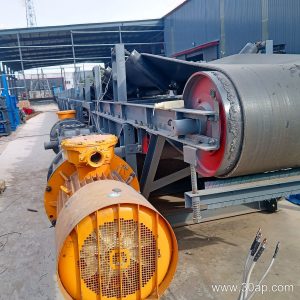
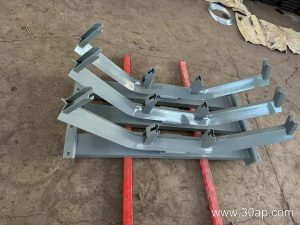
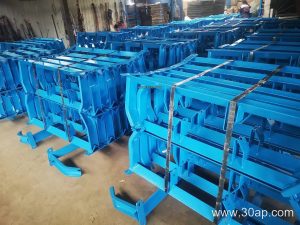
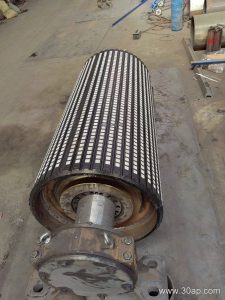
In practice, the idler works together with the conveyor belt, the conveyor pulley at the head and tail, and the conveyor bracket that fixes each station to the stringer. Drive, tail, and bend pulleys are separate components with different duties; they are not interchangeable with idlers. An idler only supports and guides the belt.
Construction and Common Roller Forms
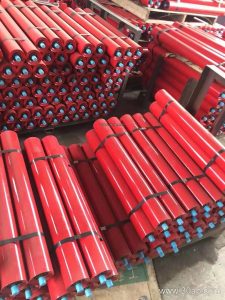
A standard idler roller usually combines a steel tube shell, a shaft, bearing housings, and a sealing arrangement. The shell may be plain steel, nylon-coated, ceramic-coated, or fitted with rubber rings. Bearing sizes such as 6204, 6205, 6305, 6306, 6308, and 6310 appear across the range, and the bearing is selected with the load and speed rather than with one fixed roller diameter.
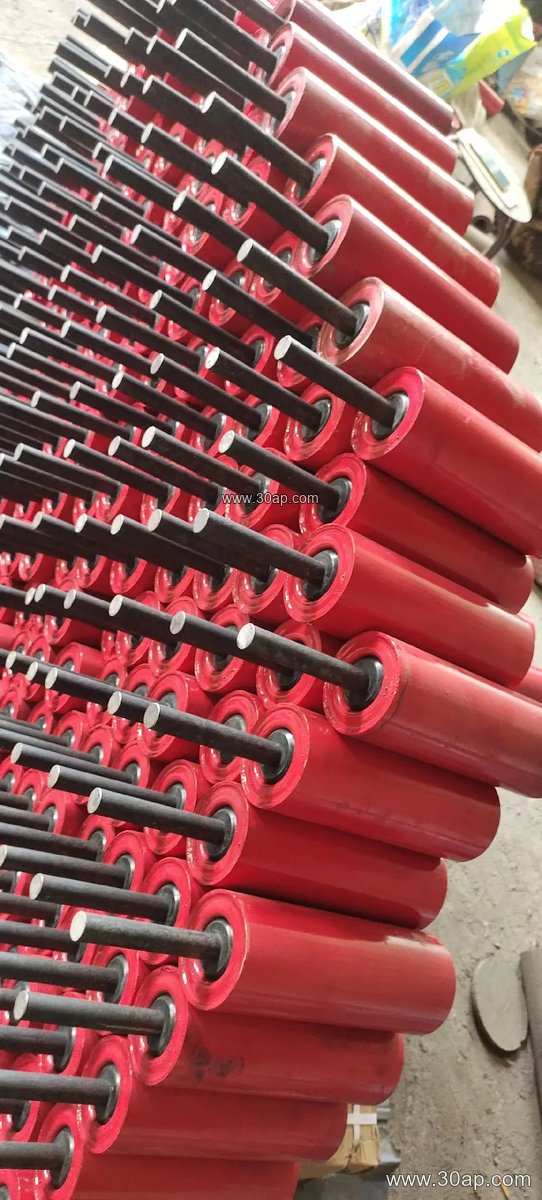
Troughing stations are commonly built as single-roller, two-roller, or three-roller assemblies. For a three-roll troughing set, common roller lengths are roughly 200 mm at B500, 250 mm at B650, 315 mm at B800, 380 mm at B1000, 465 mm at B1200, 530 mm at B1400, 600 mm at B1600, 670 mm at B1800, and 750 mm at B2000. These are examples only; side rollers and center rollers can differ, and final dimensions follow the conveyor design.
| Item | Common reference values |
|---|---|
| Roller diameter | Ø63, Ø76, Ø89, Ø102, Ø108, Ø127, Ø133, Ø159, Ø178, Ø194, Ø219 |
| Belt width | B400 to B2400 |
| Trough angle | 20°, 30°, 35°, 45° |
| Roller surface | Steel tube, nylon, ceramic, rubber ring |
| Bearing | 6204, 6205, 6305, 6306, 6308, 6310 |
Where the Idler Fits in Iron Ore Handling
Iron ore duties vary from mine to port. At an iron ore mine or crushing circuit, impact idlers and rubber-ring impact rollers are often placed under the loading point to absorb the drop of lump ore. Along the main haul, three-roll troughing idlers at 35° or 45° keep a heavy load centered on the belt. On the return strand, flat return idlers or V-return idlers support the empty belt, while training idlers help correct misalignment on long runs.
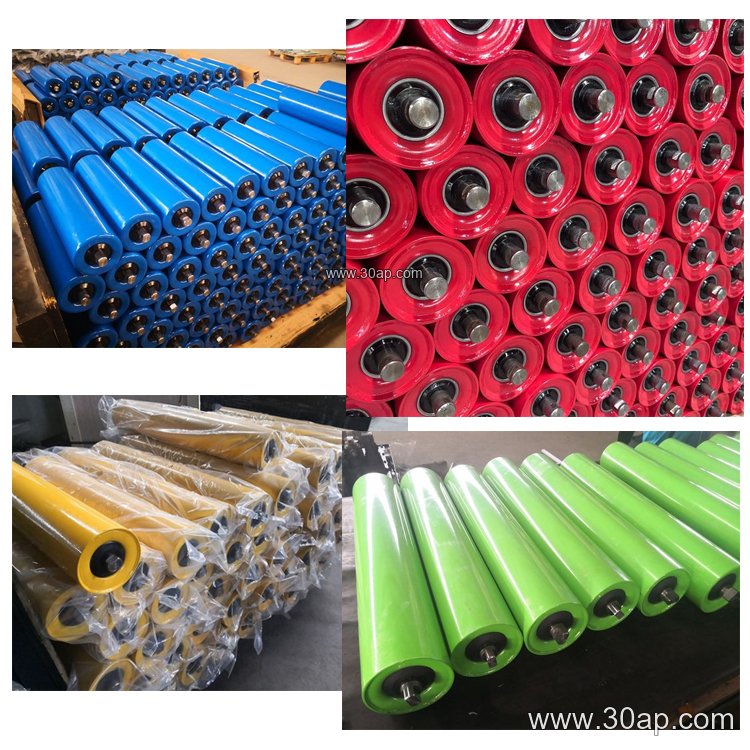
The same idler family appears in a sinter plant, a pelletizing facility, a steel plant stockyard, and a port shiploading line. Where the conveyor handles hot sinter or clinker, heat-resistant belt grades and heat-tolerant idler arrangements may be considered together. In dusty or wet conditions, sealed bearing housings and good frame alignment matter as much as the roller shell. A heavy-duty mining conveyor belt paired with properly spaced idlers usually gives more stable operation than an oversized belt on under-supported frames.
Selection Points for Buyers
Buyers should start with the belt width, the trough angle, the belt speed, and the tonnage per hour, then confirm the roller diameter and shaft size with the conveyor designer. A wider belt does not automatically require one particular pulley diameter, and shaft diameter should not be guessed from belt width alone. The idler spacing on the carrying side is normally tighter than on the return side, and transition idlers are used near pulleys to avoid over-stressing the belt edge.
- Check the load: lump ore, fines, and sinter feed behave differently at the loading point.
- Confirm the environment: dust, moisture, heat, and oil all affect seal and bearing choice.
- Review the frame: bracket height, stringer spacing, and mounting hole pattern must match.
- Plan maintenance: spinning resistance, seal condition, and shell wear are the usual inspection points.
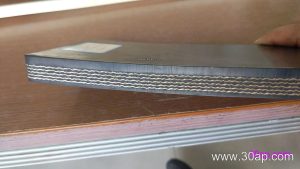
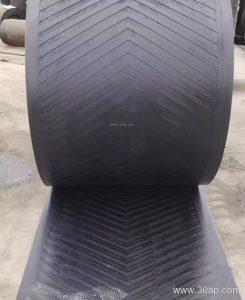
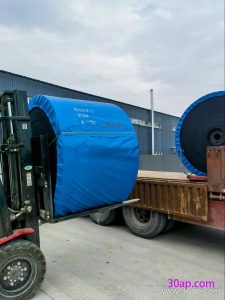
For a complete iron ore conveyor, the idler is only one part of the system. Matching it with a suitable ore conveyor belt, a well-aligned conveyor pulley, and rigid conveyor brackets reduces belt edge damage and spillage. Plants that handle abrasive ore often specify abrasion-resistant belt covers and robust idler seals; operations with flammable dust may also review flame-retardant belt grades. The goal is a balanced conveyor where the idler, belt, and pulley work as one train rather than as separate parts.