What Makes a Belt Thick
A thick conveyor belt is a heavy-duty belt whose total cross-section, cover rubber and carcass together give it the mass and stiffness needed for abrasive, hot or high-impact loads. Thickness is not one number: it is the sum of top cover, bottom cover and the fabric or steel reinforcement between them. In practice, a belt may be called thick because of a large cover gauge, a multi-ply carcass, or both. Buyers should ask for cover thickness and carcass construction separately, because a 10 mm cover over two plies behaves very differently from the same cover over five plies.
The same heavy-duty product is often described as a thick rubber conveyor belt, and the two names refer to the same article. The exact construction is set by the application, not by the name alone.
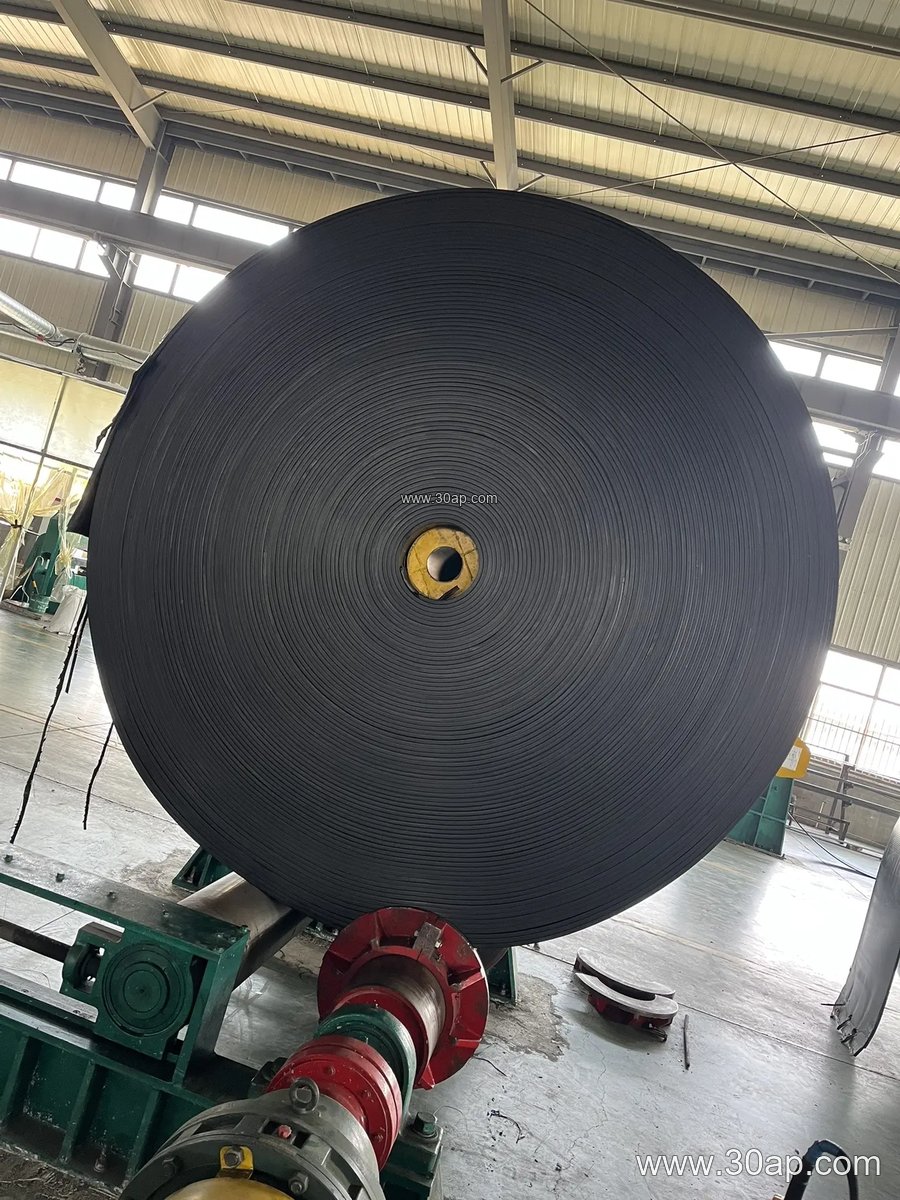
Construction and Common Specifications
Most thick belts use a fabric core or a steel cord core. Fabric types include EP conveyor belt (polyester warp, nylon weft) and NN conveyor belt (nylon warp and weft). EP carcasses are common where low stretch and good troughability matter, while NN grades are valued for impact absorption. Steel cord conveyor belt is chosen for very long runs and high tension. Cover compounds can be abrasion resistant, heat resistant, oil resistant, flame retardant, anti-static or cold resistant, and the cover gauge usually grows with the duty.
Typical reference values are listed below. These are common ranges, not fixed supply promises, and final figures are confirmed by design.
| Item | Common Reference |
|---|---|
| Fabric strength grades | EP200, EP315, EP400, EP500, EP630, EP800, EP1000, EP1250, EP1600, EP2000 |
| Steel cord grades | ST1000, ST1250, ST1600, ST2000, ST2500, ST3150 |
| Belt widths | B500, B650, B800, B1000, B1200, B1400, B1600, B1800, B2000 |
| Cover combinations | 3+1.5, 4+2, 5+2, 6+2, 8+3 mm |
| Fabric plies | usually 2 to 6 layers |
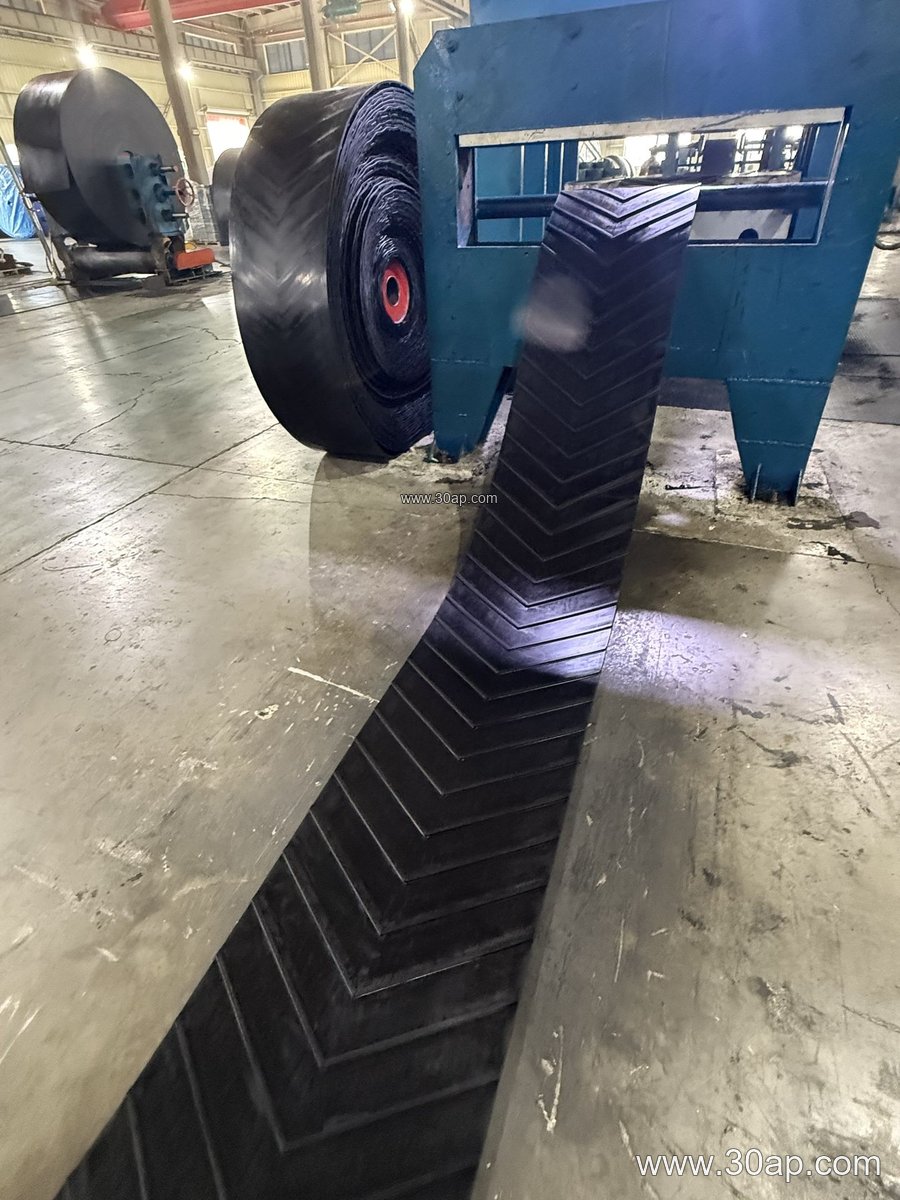
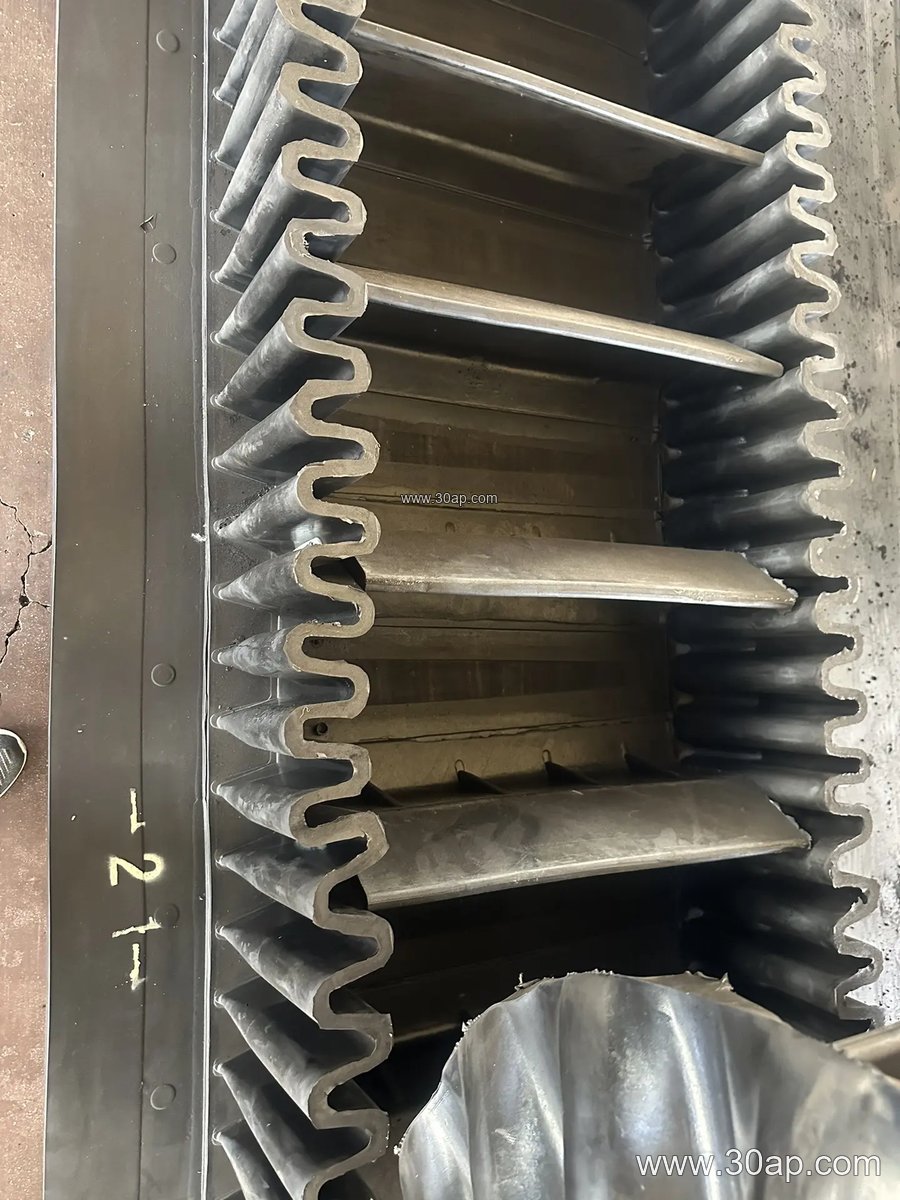
Surface forms such as chevron conveyor belt or corrugated sidewall conveyor belt add features that change effective thickness at the edges or center, so they are specified separately from the base belt.
Where Thick Belts Earn Their Cost
Heavy industries are the natural home. In mining, a thick belt carries ore and rock from crusher to stockpile, where sharp edges and drop points punish thin covers. Coal mining and underground coal mining conveyors usually combine flame retardant and anti-static properties with a robust cover. Cement plants handle clinker and limestone at high temperature, so a heat resistant conveyor belt with a thicker top cover is often specified. Power plants move coal and ash, quarries and sand making plants handle aggregate, and steel plants and ports deal with sinter, pellets and bulk cargo.
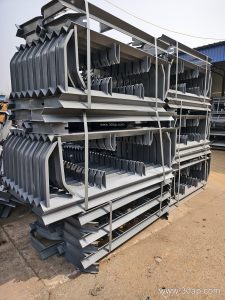
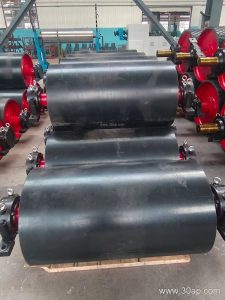
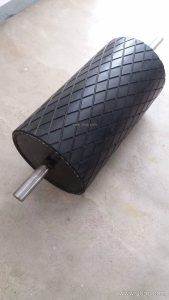
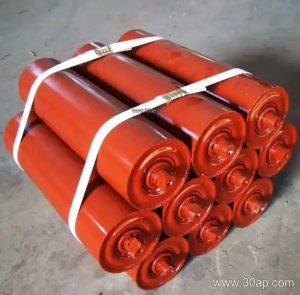
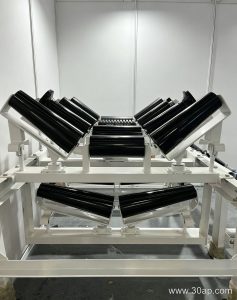
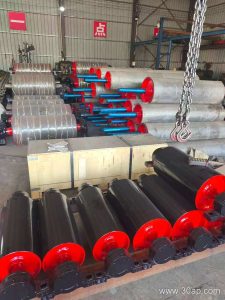
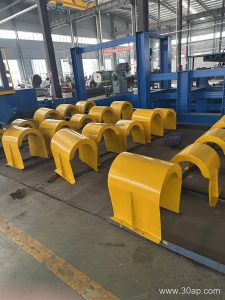
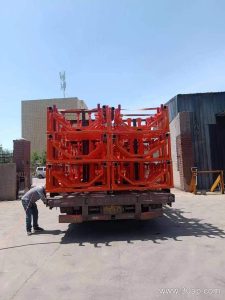
The supporting hardware matters as much as the belt. A conveyor pulley at the drive, tail and bend positions must be sized for the belt tension and load, and each pulley type has its own role; they are not interchangeable. Idler roller spacing, trough angle and conveyor bracket condition affect how a stiff, thick belt trains on the structure. A belt that is too thick for small pulleys may resist flexing, so pulley diameters and belt thickness should be checked together rather than assuming one width matches one pulley size.
Buyer Checklist
- State the material, lump size, temperature and whether oil, acid or flame exposure exists.
- Give the belt width, center distance, incline and expected tension so the strength grade can be confirmed.
- Confirm cover thickness and carcass plies separately, and ask for the total belt thickness.
- Check pulley diameters and idler roller geometry against the proposed belt stiffness.
- For underground work, specify flame retardant and anti-static requirements in the inquiry.
- Consider splice method and whether an endless conveyor belt is preferred for the installation.
Finally, match the belt to the whole conveyor, not just the headline number. A thick belt on well-aligned pulleys, sound brackets and correctly spaced rollers will run longer than a heavier belt forced onto undersized components. Buyers who describe the duty clearly usually receive a construction that fits the job.