What an Adjustable Conveyor Bracket Does
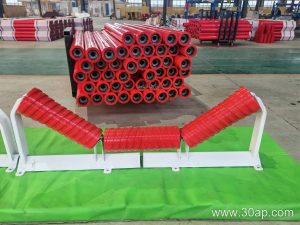
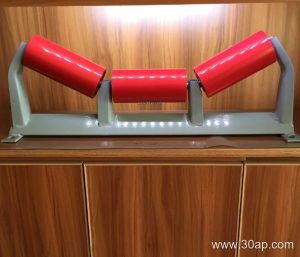
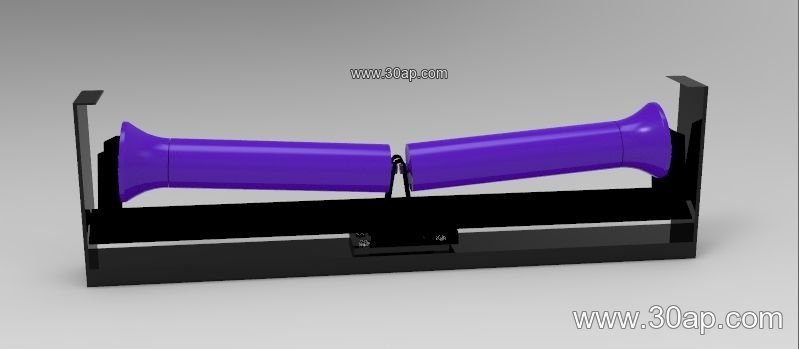
An adjustable conveyor bracket is a support component that holds idler rollers at a trough angle which can be changed on site. Instead of welding a fixed frame for one profile, the bracket uses slotted or pivoting arms so maintenance teams can shift the angle of the side rollers to suit the material being carried. This matters in plants where a single conveyor line handles different loads, or where the belt profile has to be fine-tuned after installation. The bracket is part of the conveyor structure, not the belt itself, but it directly affects how the conveyor belt tracks and how much material the trough can contain.
Also called an adjustable idler bracket or variable-angle support bracket, the part is usually bolted to the conveyor stringer rather than welded, so it can be repositioned without cutting steel. For operators sourcing replacement parts, check the roller diameter and belt width before ordering: a B800 frame and a B1200 frame use different crossbeam lengths, and mounting hole spacing changes with both width and trough angle.
Construction and Common Materials
Most adjustable brackets are fabricated from angle steel, channel steel, or folded steel plate, then drilled or slotted for the roller shaft. The adjustable arm often carries a series of holes or an elongated slot, letting the fitter set 20, 30, 35, or 45 degree trough angles. A locking bolt or clamp holds the setting once the angle is confirmed. Some designs add a small forward tilt of about 1.5 to 2 degrees to help the belt centre itself.
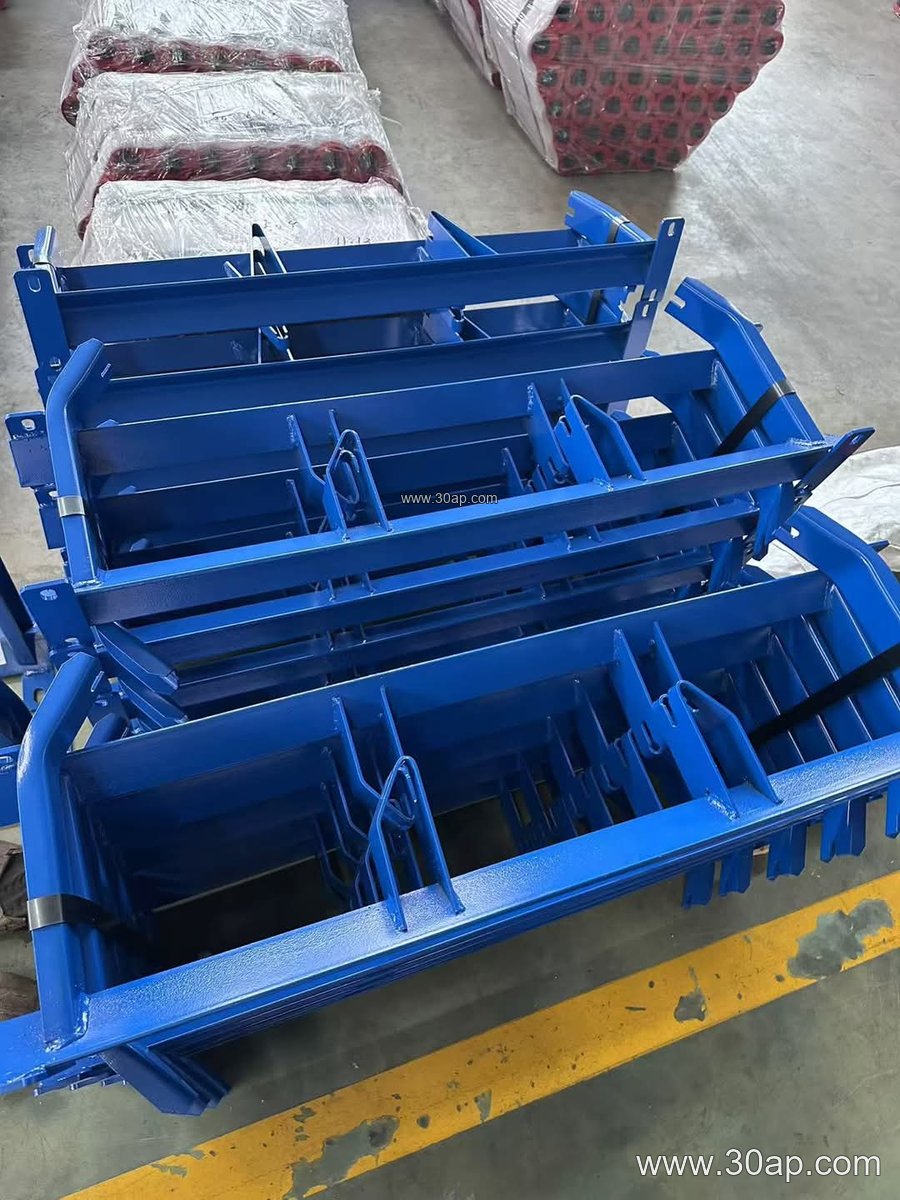
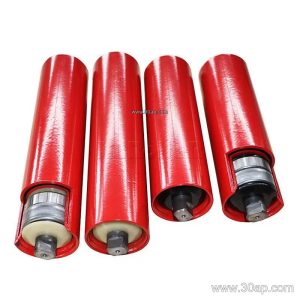
Because the bracket carries the weight of the roller and the loaded belt, the steel thickness and bolt grade matter. In dusty or wet conditions, galvanised or painted finishes are common. The bracket should be matched to the roller shaft diameter, commonly Ø89, Ø108, Ø133, Ø159, or Ø194, so the shaft seats correctly without shimming.
Typical Sizes and Reference Data
The table below shows common reference combinations. These are typical values for planning, not fixed rules; final dimensions are set by the conveyor design.
- Belt width: B500, B650, B800, B1000, B1200, B1400, B1600, B1800, B2000, B2200
- Trough angle: 20°, 30°, 35°, 45° (adjustable within range)
- Roller diameter: Ø89, Ø108, Ø133, Ø159, Ø194
- Forward tilt: usually about 1.5° to 2°
- Materials: angle steel, channel steel, folded plate
Example pairings seen in practice include B800 with 35° and Ø108, B1200 with 45° and Ø133, and B650 with 30° and Ø89. A wide belt does not force one angle or one roller size; the bracket is chosen from the load, belt speed, and material characteristics.
Where It Fits in a Conveyor Line
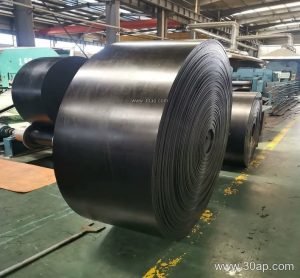
Adjustable brackets are most often used on the carrying side, where the trough shape controls material spillage. They suit transfer points in a quarry, a limestone mine, or a sand and gravel line where the feed changes between shifts. In a cement plant, the same bracket can be reset when a different raw mix is run. In a coal handling system, flame retardant conveyor belt and anti-static belt grades are common, and the bracket angle may be adjusted to reduce spillage at loading zones.
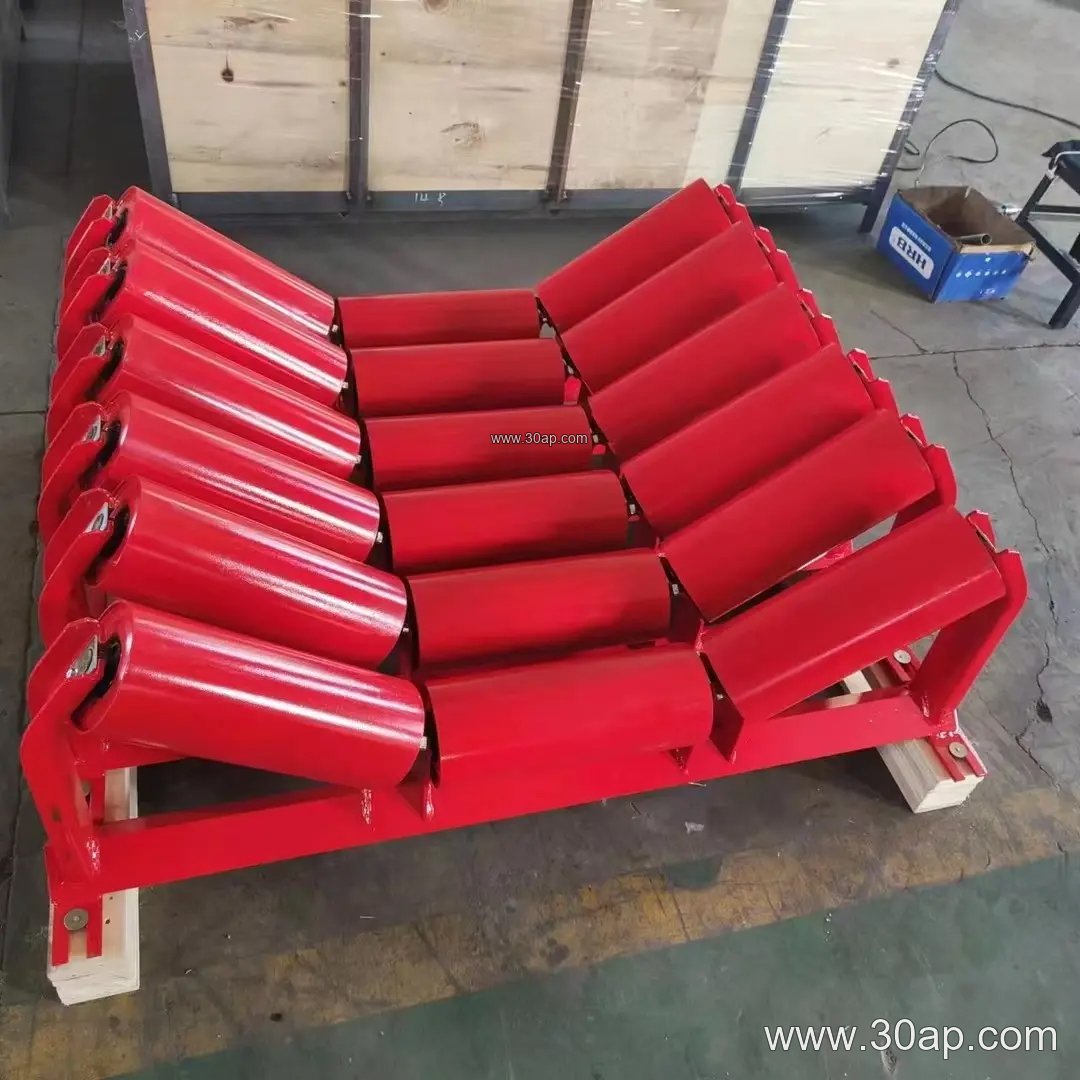
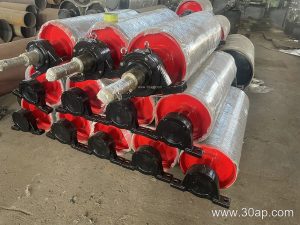
They are also useful on mobile or reconfigurable conveyors, and on lines where an idler roller has been replaced with a different diameter. The bracket is not a substitute for a bend pulley or a tail pulley; those are separate components with their own mounting. A fixed trough bracket is cheaper and stiffer, while the adjustable type trades some rigidity for flexibility.
Selection and Maintenance Notes
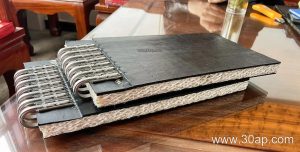
Before ordering, confirm the belt width, the roller diameter, the required trough angle range, and the mounting hole pattern on the stringer. Check that the bracket material suits the environment, especially in wash plants or coastal ports. During service, inspect the locking bolts for looseness, since a bracket that drifts out of angle will affect belt tracking and may cause edge damage. Pair the bracket with well-balanced rollers and a correctly tensioned belt; an EP conveyor belt or steel cord conveyor belt behaves differently under load, so the angle setting should follow the belt manufacturer’s guidance.
For bulk material conveyors, keep a small stock of spare brackets and bolts, and record the angle used for each product so changeovers are quick. Whether the site is a power plant coal yard, a crushing and screening circuit, or a fertiliser warehouse, the adjustable conveyor bracket is a small part that keeps the trough profile under control.