What a Tapered Idler Does
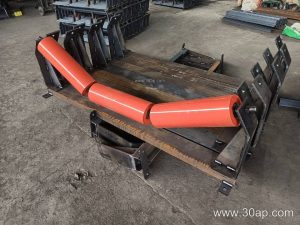
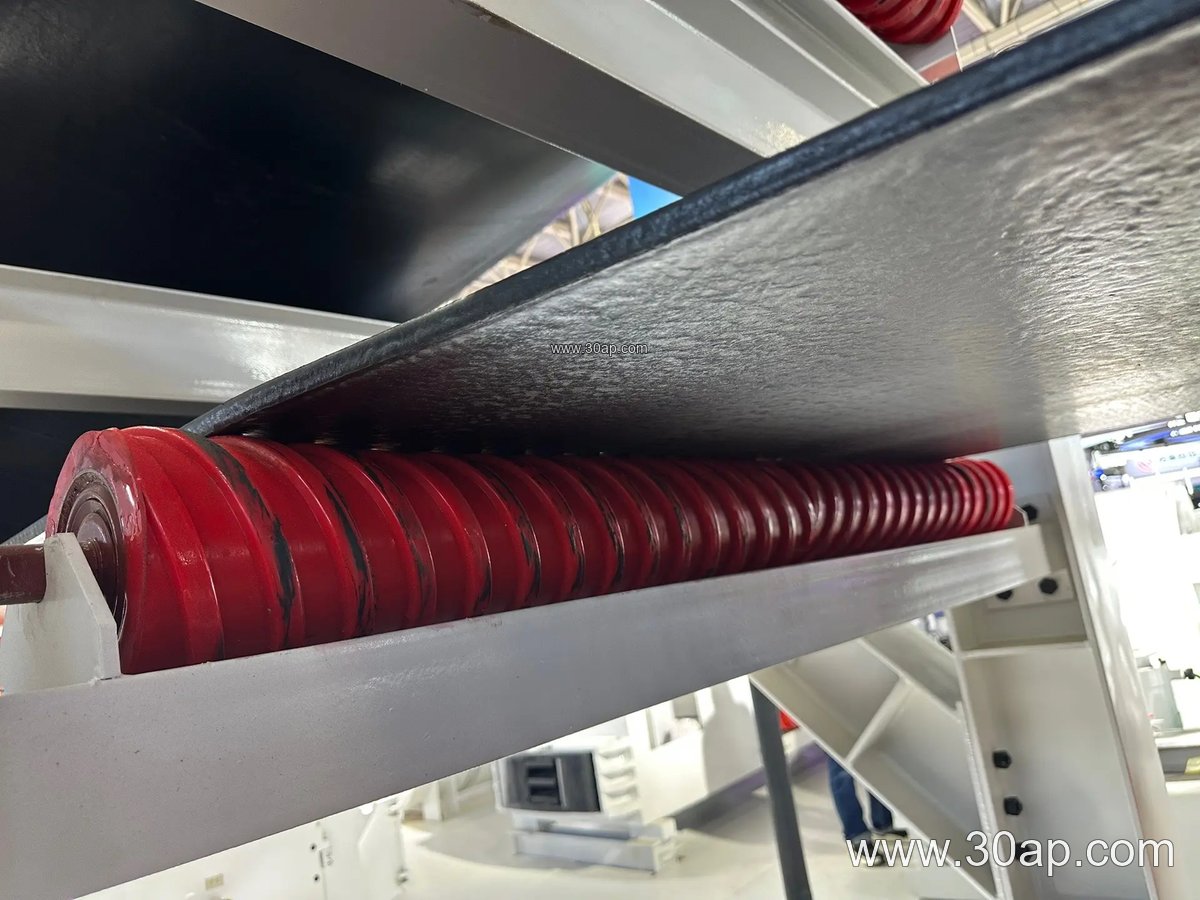
A tapered idler is a self-aligning carrying or return roller whose shell is machined as a cone rather than a straight cylinder. Because the cone’s small end and large end travel at different surface speeds, the roller gently steers a drifting conveyor belt back toward the center line. In a quarry or an aggregate line, where material loading is rarely perfectly centered, this small steering effect keeps the belt from rubbing the frame and spilling stone.
The same product is often called a cone-shaped self-aligning roller or a conical aligning idler. Both names describe the same component; the tapered form is the defining feature, not the mounting position.
How the Tapered Roller Is Built
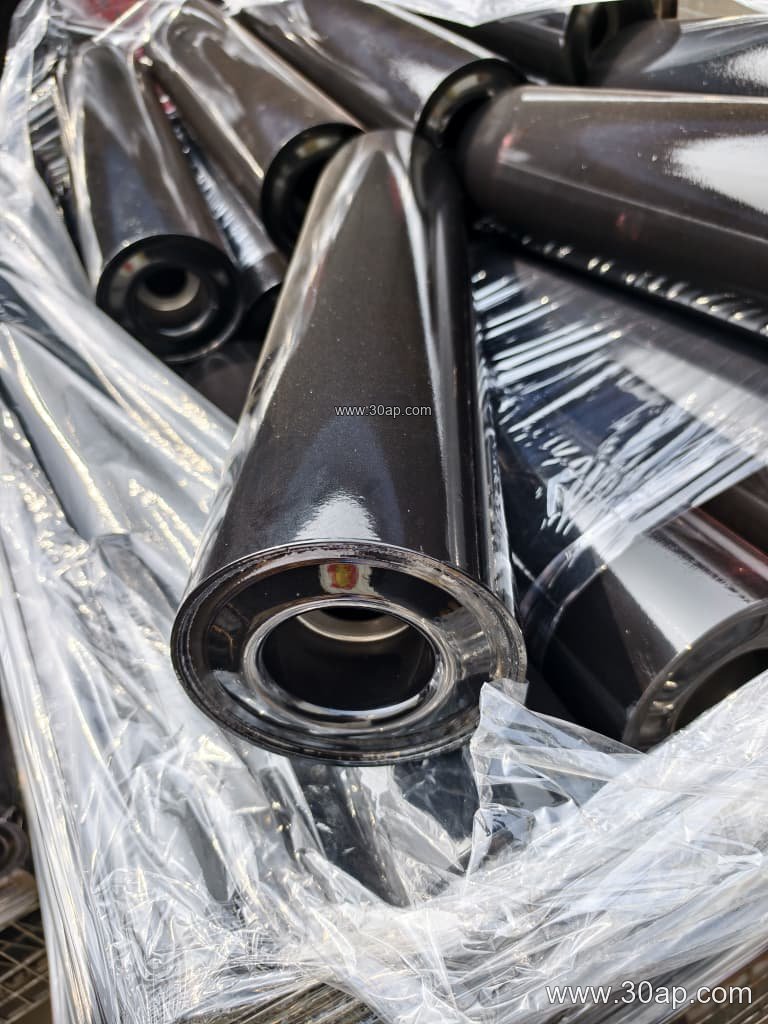
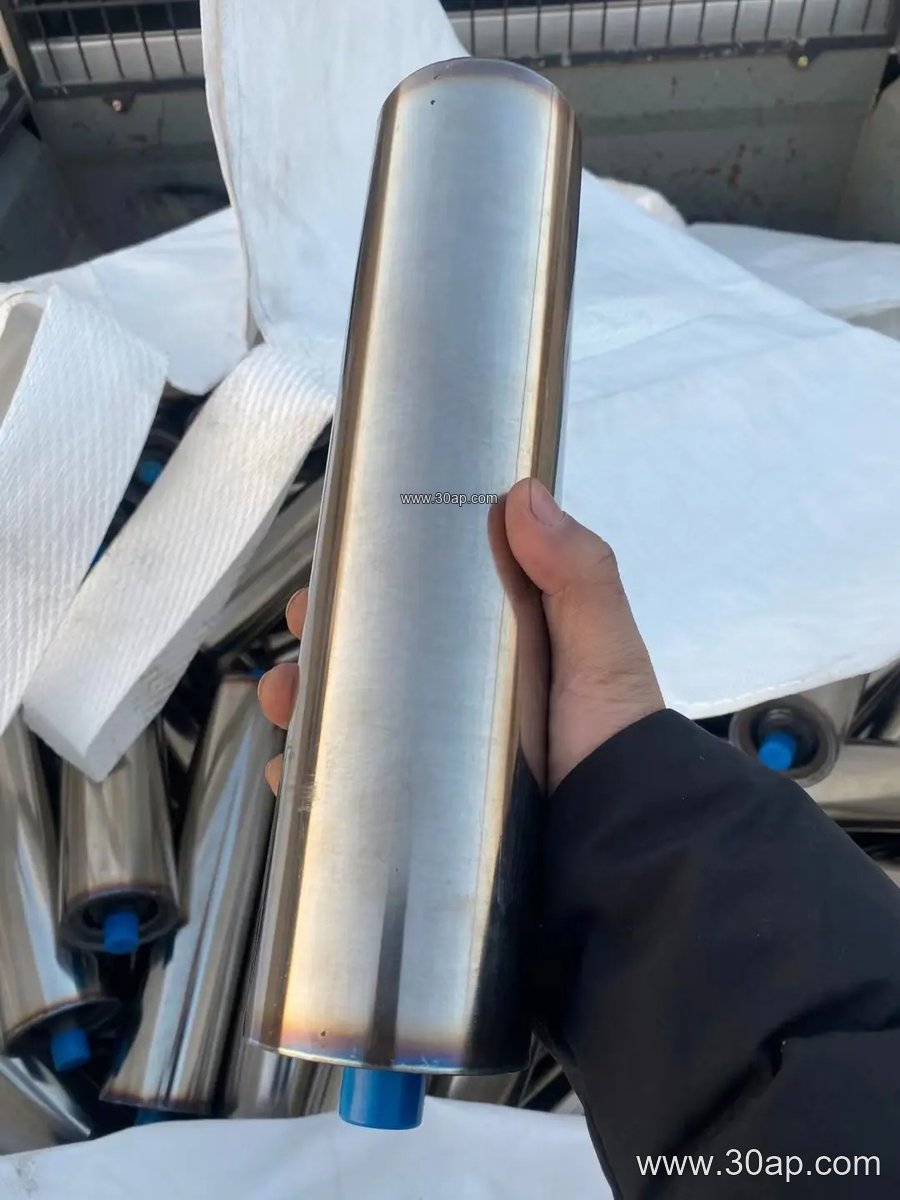
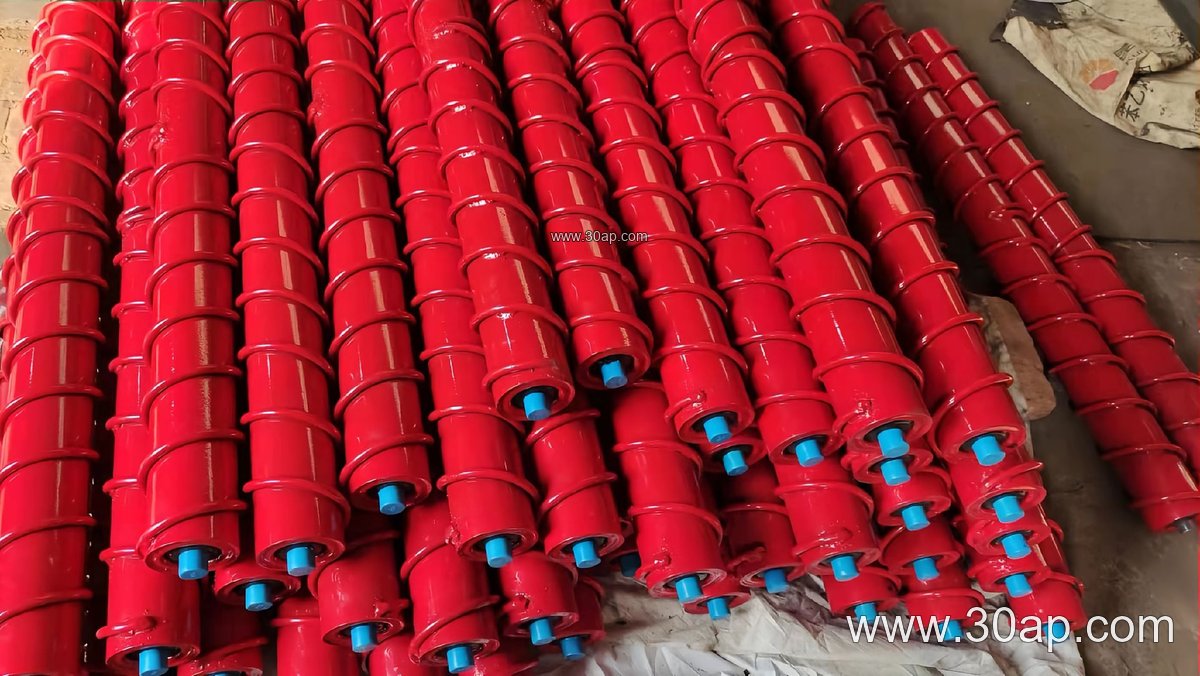
The shell is usually a welded steel tube turned to a taper, fitted with end discs and a through shaft. Roller faces may be plain steel, nylon, ceramic, or rubber-covered, depending on whether the belt is abrasive or wet. Bearings are commonly 6204, 6205, 6305, 6306, 6308 or 6310, selected by load and shaft size rather than by belt width alone.
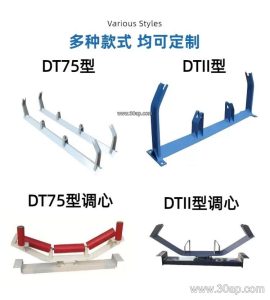
A tapered idler normally works in pairs, mounted on a pivoting frame so the pair can swing and correct the belt. The frame is bolted to a conveyor bracket that matches the stringer spacing. Sealing matters here: in a stone crushing plant, fine dust finds every gap, so labyrinth seals and good grease retention extend service life far more than a thicker shell does.
Where It Fits on the Conveyor
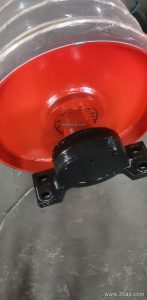
Alignment rollers are placed on the carrying side, usually after the load point where a belt is most likely to shift, and on the return strand where a flat belt tends to wander. They are not a substitute for a drive pulley, tail pulley, or bend pulley; those components transmit power and change belt direction, while a tapered idler only corrects tracking.
Typical duty includes limestone and iron ore handling, coal washing plants, cement kilns and clinker lines, power plant coal yards, and port shiploading systems. On a long overland run, a few well-placed aligning idlers can reduce edge damage on an abrasion resistant conveyor belt, and on a coal mining conveyor belt they help keep the belt clear of structure in narrow galleries.
Common Dimensions and Matching
Sizes follow the belt and the frame design. The table below shows typical reference values; actual roll length, taper and shaft diameter are set by the conveyor designer.
- Roller diameter options: 63, 76, 89, 102, 108, 127, 133, 159, 178, 194, 219 mm
- Belt width range: B400 to B2400, with B650, B800, B1000, B1200 and B1400 seen most often
- Trough angle on adjacent carrying sets: 20, 30, 35 or 45 degrees
- Common bearing numbers: 6204, 6205, 6305, 6306, 6308, 6310
A wider belt does not force one fixed pulley or roller diameter. A B1000 belt may run with 108 mm or 133 mm rollers depending on load and frame height, and shaft size follows the calculated load, not the belt width alone.
Buyer Checklist
- Confirm the belt width and the existing bracket hole pattern before ordering.
- State the material: wet aggregate, abrasive ore, or fine cement dust each call for a different seal and face.
- Check whether the frame pivots freely; a stiff frame defeats the taper.
- Ask for the taper angle and roll length as drawings, not just a diameter.
- For hot clinker or sinter, confirm the bearing grease rating suits the temperature.
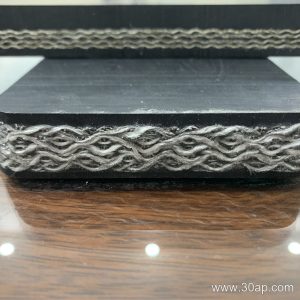
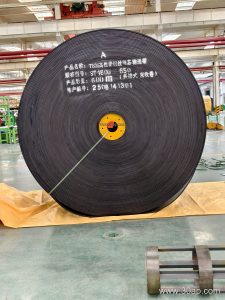
On a Fabric Core Conveyor Belt line running at moderate tension, a pair of tapered idlers is usually enough at each problem zone. On a Steel Cord Conveyor Belt with high tension, alignment should be checked together with pulley alignment, because a tapered roller cannot correct a badly skewed drive pulley.
Installation and Upkeep
Mount the pair square to the belt center line and let the rollers touch the belt lightly. Over-tightening the frame causes edge wear. Inspect for seized bearings, flattened rubber rings, and dust-packed seals; a roller that no longer spins freely will drag and polish the belt cover. Keep spare rollers on hand for the load zone, where impact and spillage shorten life.
For more on matching rollers to belts and pulleys, see the conveyor component notes at www.beltconveyorparts.com/tapered-idler and the belt selection pages at www.beltconveyorparts.com/conveyor-belt.