What a Steel Plant Conveyor Belt Has to Handle
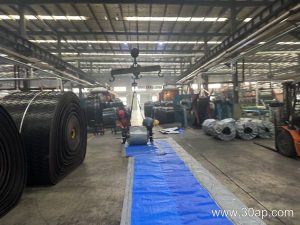
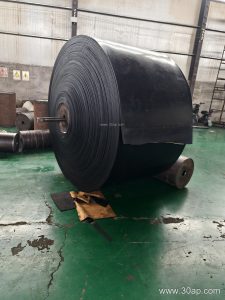
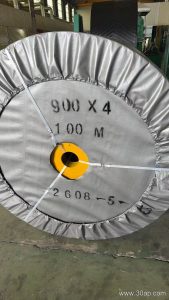
A steel plant conveyor belt works in one of the harshest material handling environments in heavy industry. Sinter, pellets, coke, limestone, iron ore, slag and hot finished products all pass over the same conveying line at different stages, and each stream brings its own challenge. A belt that carries damp ore from the stockyard may also need to survive abrasive sinter dust, oily mill scale and occasional hot lumps. That is why the belt specified for a steel plant is rarely a general-purpose product; it is usually a Steel Plant Conveyor Belt built around the specific duty of the line it serves.
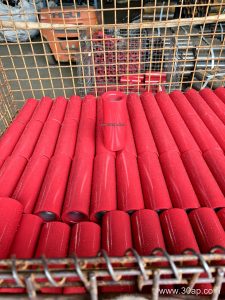
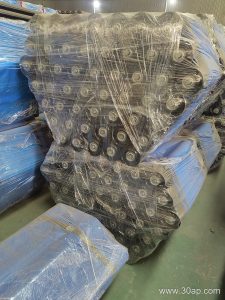
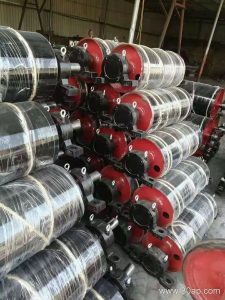
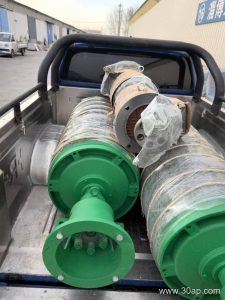
These belts sit inside a wider conveying system. The belt rides on idler rollers, wraps the head and tail pulleys, and is supported by conveyor brackets and frames that keep alignment stable under heavy loads. A weak point anywhere in that chain shows up as belt damage, so buyers should think about the whole conveyor, not just the rubber.
Construction and Common Belt Types
The carcass does most of the load carrying. In a steel plant, two families dominate:
- Fabric core belts such as EP conveyor belt and NN conveyor belt, built with polyester or nylon plies. EP1000 and EP1250 are common strength grades for main sinter and ore lines, while lighter EP200 to EP630 constructions suit transfer and additive belts.
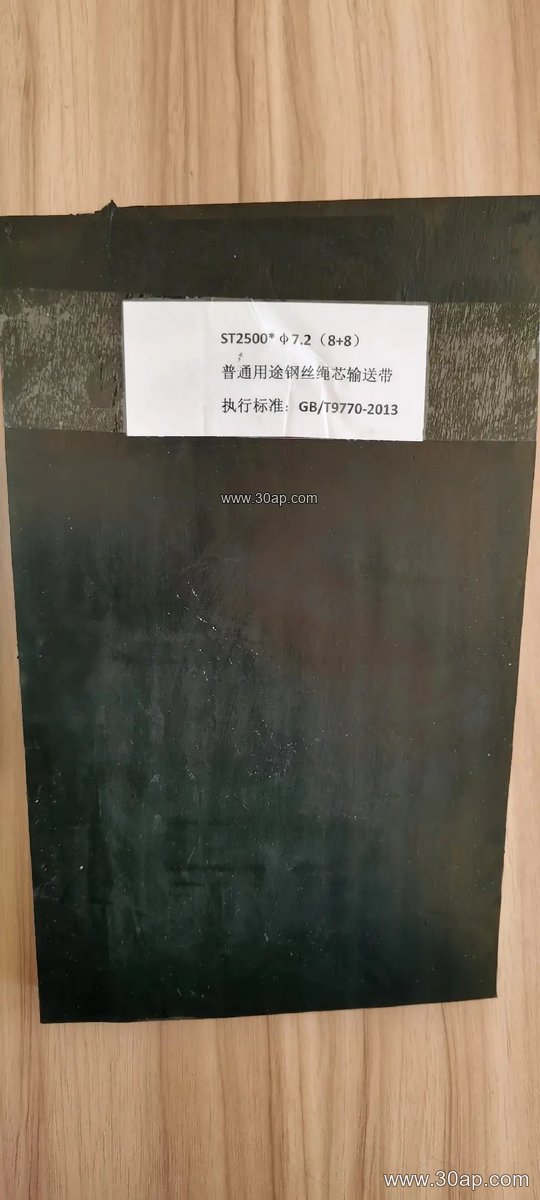
- Steel cord conveyor belt for long, high-tension routes. ST1600, ST2000 and ST2500 are typical selections where a single flight covers a long distance without transfer points.
Cover compounds are chosen by condition rather than fashion. Heat resistant conveyor belt grades handle sinter and coke discharge; abrasion resistant conveyor belt covers protect against ore and slag; oil resistant conveyor belt covers resist mill scale and lubricant contamination; flame retardant conveyor belt and anti-static conveyor belt constructions are used where fire risk or dust ignition is a concern. For enclosed routes, a pipe conveyor belt can reduce spillage and dust escape.
Reference Data for Early Planning
The values below are indicative reference ranges, not fixed specifications. Final construction is confirmed by the belt manufacturer against the conveyor design.
| Parameter | Common Reference Range | Typical Use in a Steel Plant |
|---|---|---|
| Belt width | B650, B800, B1000, B1200, B1400, B1600, B1800, B2000 | Narrow belts for additives; wide belts for ore and sinter main lines |
| Fabric strength grade | EP200, EP315, EP400, EP500, EP630, EP800, EP1000, EP1250 | General material handling and medium-tension routes |
| Steel cord grade | ST1000, ST1250, ST1600, ST2000, ST2500 | Long overland and high-tension main conveying |
| Cover thickness | 3+1.5, 4+2, 5+2, 6+2, 8+3 mm | Thicker top cover for impact and abrasion zones |
| Carcass plies | 2 to 6 plies | More plies for heavier duty fabric belts |
For example, an EP1000 1200mm belt and an EP1250 1800mm belt may both appear in the same plant, but on different lines with different tension and tonnage demands. Belt width and pulley diameter are separate design decisions; a given width does not dictate one pulley size.
Where It Fits in the Plant
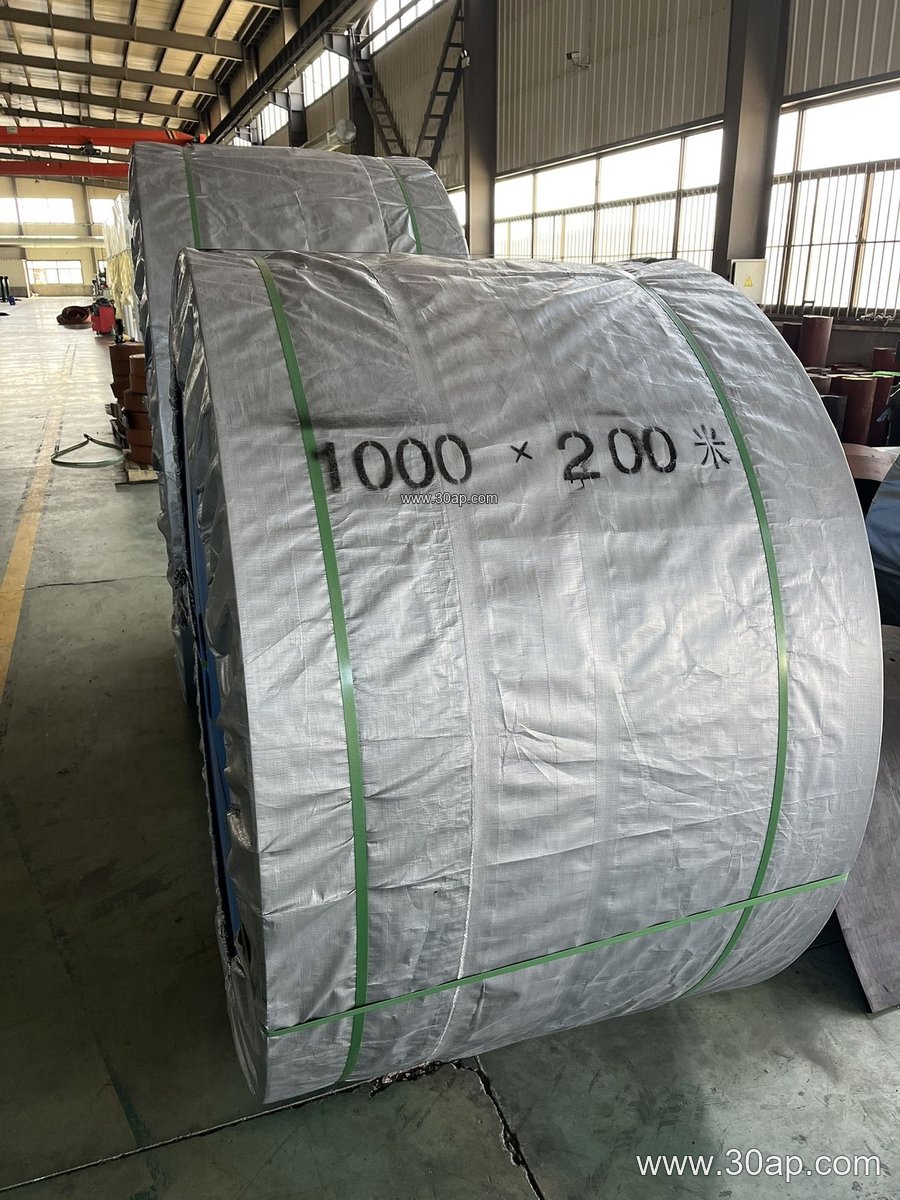
Steel plant belts appear at the ore yard, the sinter plant, the coke oven battery, the blast furnace charging system, the converter and continuous casting area, and the slag processing yard. Similar heavy-duty belts are also found in cement plants, power plants, coal mining, quarry and aggregate operations, and port ship loading terminals. In all of these, the belt works with conveyor pulleys, idler rollers and conveyor brackets to keep bulk material moving without interruption.
For more on matching belts to conveying equipment, see www.example.com/conveyor-belt and www.example.com/idler-roller. Related references on pulley and bracket selection are available at www.example.com/conveyor-pulley.
Buyer Checklist
- Identify the material, temperature range and presence of oil, chemicals or flame risk before choosing the cover compound.
- Match the carcass grade to the calculated tension, not to the belt width alone.
- Confirm impact zones and transfer points; consider impact resistant or thicker covers where lumps fall from height.
- Check the condition of idlers, pulleys and brackets, since misalignment accelerates belt wear.
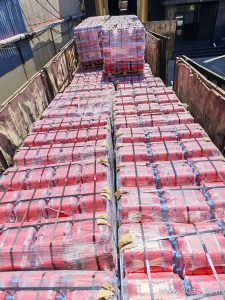
- Plan splicing, storage and spare belt strategy, especially for long steel cord routes.
A well-chosen steel plant conveyor belt is a maintenance decision as much as a purchasing one. When the belt, rollers and pulleys are specified together, uptime improves and replacement costs stay predictable.