What a Parallel Idler Bracket Does
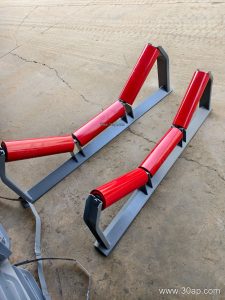
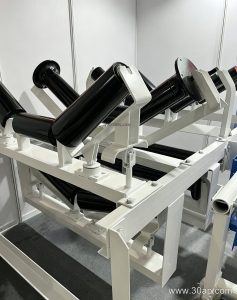
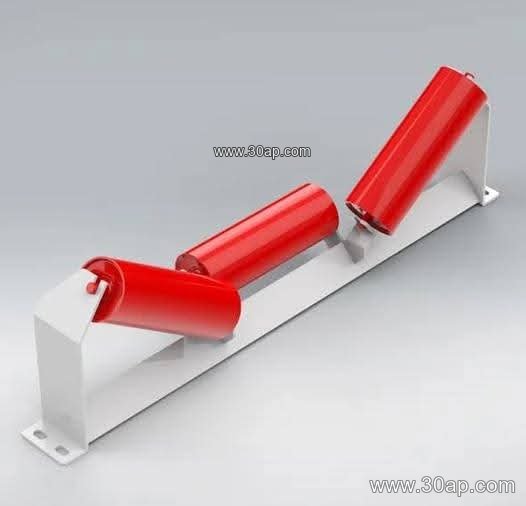
The parallel idler bracket is the structural component that holds conveyor idler rollers in a parallel orientation, either horizontally on the return side or at a fixed angle on the carrying side. Often called a parallel idler frame or parallel roller bracket, this bracket keeps the idler roller axis parallel to the belt surface in flat and low-angle configurations. While many troughing brackets set rollers at 20°, 30°, 35°, or 45°, the parallel version is used where the belt runs flat or where a parallel return run is required. In a quarry conveyor or a cement plant transfer point, this bracket ensures the belt stays supported without inducing extra edge tension.
Construction and Materials
Most parallel idler brackets are fabricated from angle steel, channel steel, or folded steel plate. The bracket typically includes a base plate or mounting feet, a crossbeam, and one or more slots or holes for idler roller shafts. The design allows the idler roller to sit parallel to the conveyor belt, which is especially important on the return strand where belt sag must be controlled. Surface treatment may include painting or galvanizing, depending on the environment—whether it is a coal mining conveyor system, a power plant coal handling line, or a port bulk terminal.
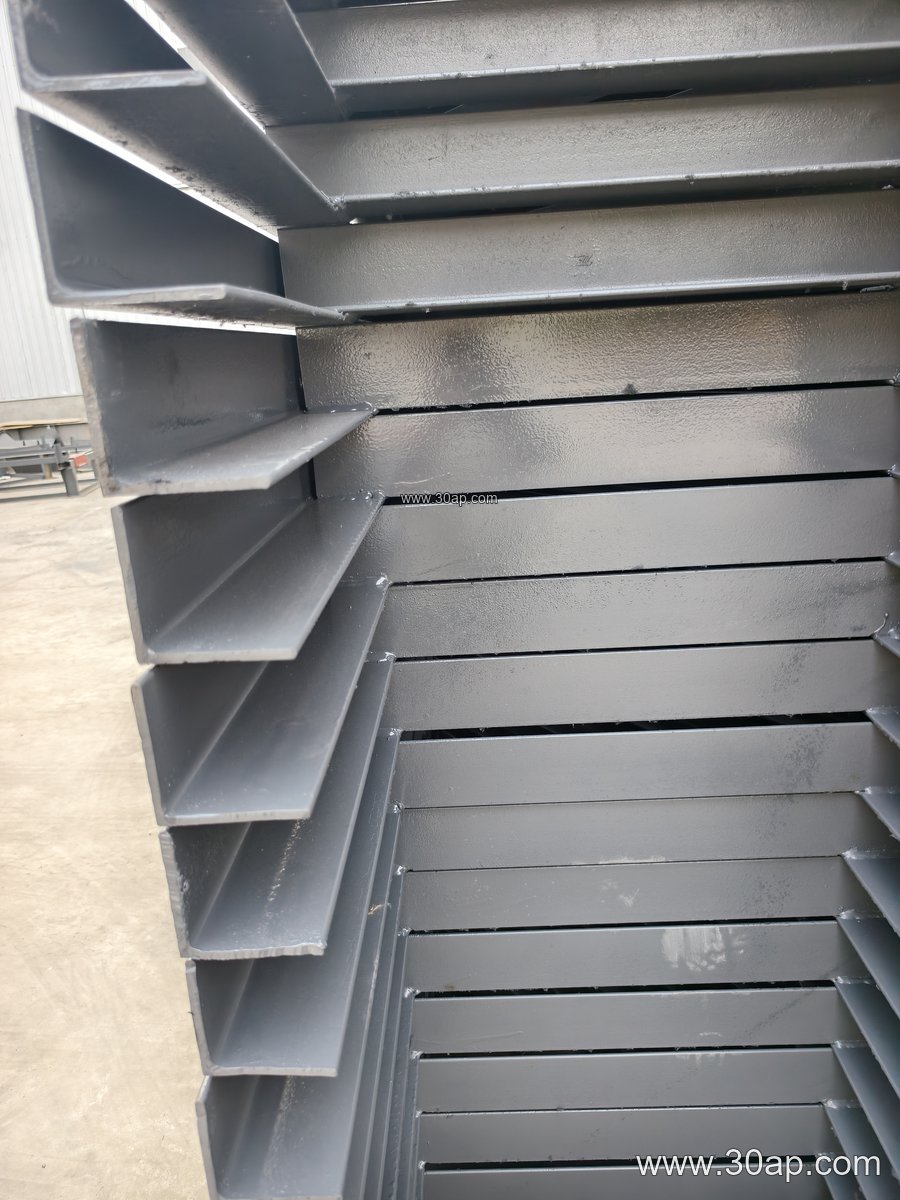
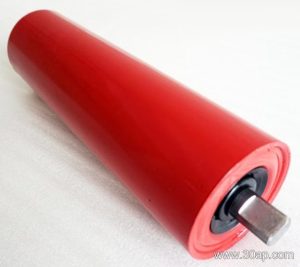
Common belt widths for these brackets include B500, B650, B800, B1000, B1200, B1400, B1600, and B1800. The bracket dimensions—such as mounting hole spacing and crossbeam length—are determined by belt width, idler diameter, and the specific conveyor design. Roller diameters frequently used with parallel brackets are Ø89, Ø108, Ø133, Ø159, and Ø194. These are reference ranges, not fixed pairings; a B800 belt might use Ø108 or Ø133 rollers depending on load and belt speed.
Where It Fits in a Conveyor System
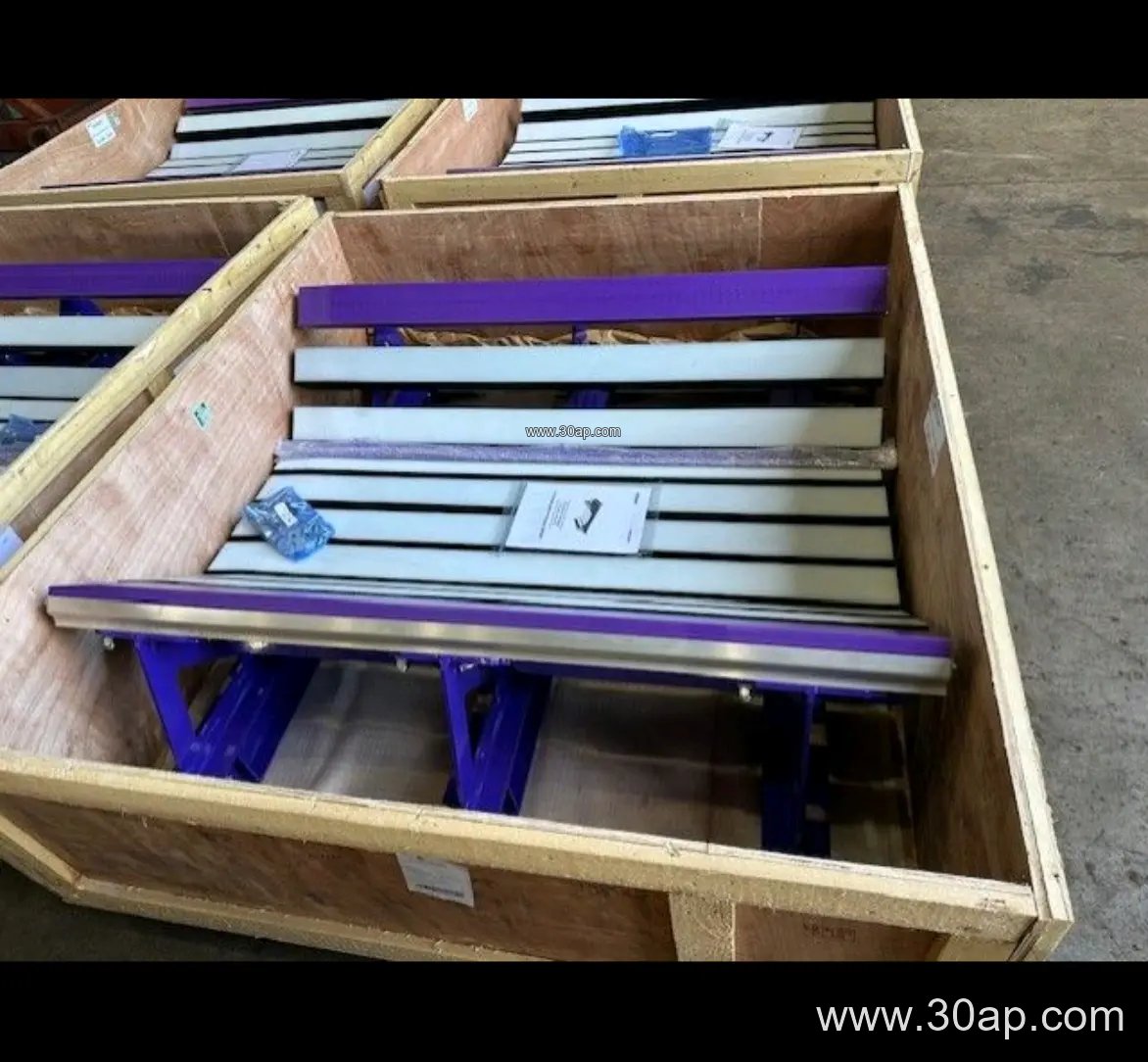
Parallel idler brackets are common on the return side of a conveyor belt, where they support the empty belt and help maintain alignment. They are also used on the carrying side in flat-belt applications or at transition zones where the belt changes from flat to troughed. In a sand and gravel plant, for instance, a parallel bracket after the head pulley helps guide the belt into the bend pulley without excess wear. In an iron ore or copper ore operation, heavy-duty parallel brackets may be paired with impact-resistant or abrasion-resistant conveyor belts to handle lump sizes and sharp edges.
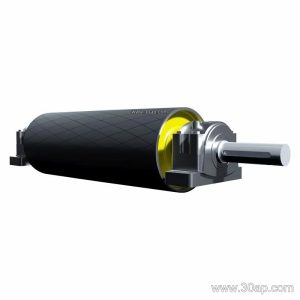
These brackets are not interchangeable with troughing brackets, V-return brackets, or self-aligning brackets. Each has a distinct role: a troughing bracket forms the belt into a trough, a V-return bracket supports the belt in a V shape, and a self-aligning bracket corrects belt misalignment. The parallel bracket simply holds the idler roller parallel to the belt line, providing stable support where a flat profile is needed. It also works alongside conveyor pulleys—drive pulley, tail pulley, and bend pulley—each of which has its own function in the belt path.
Selection and Maintenance Notes
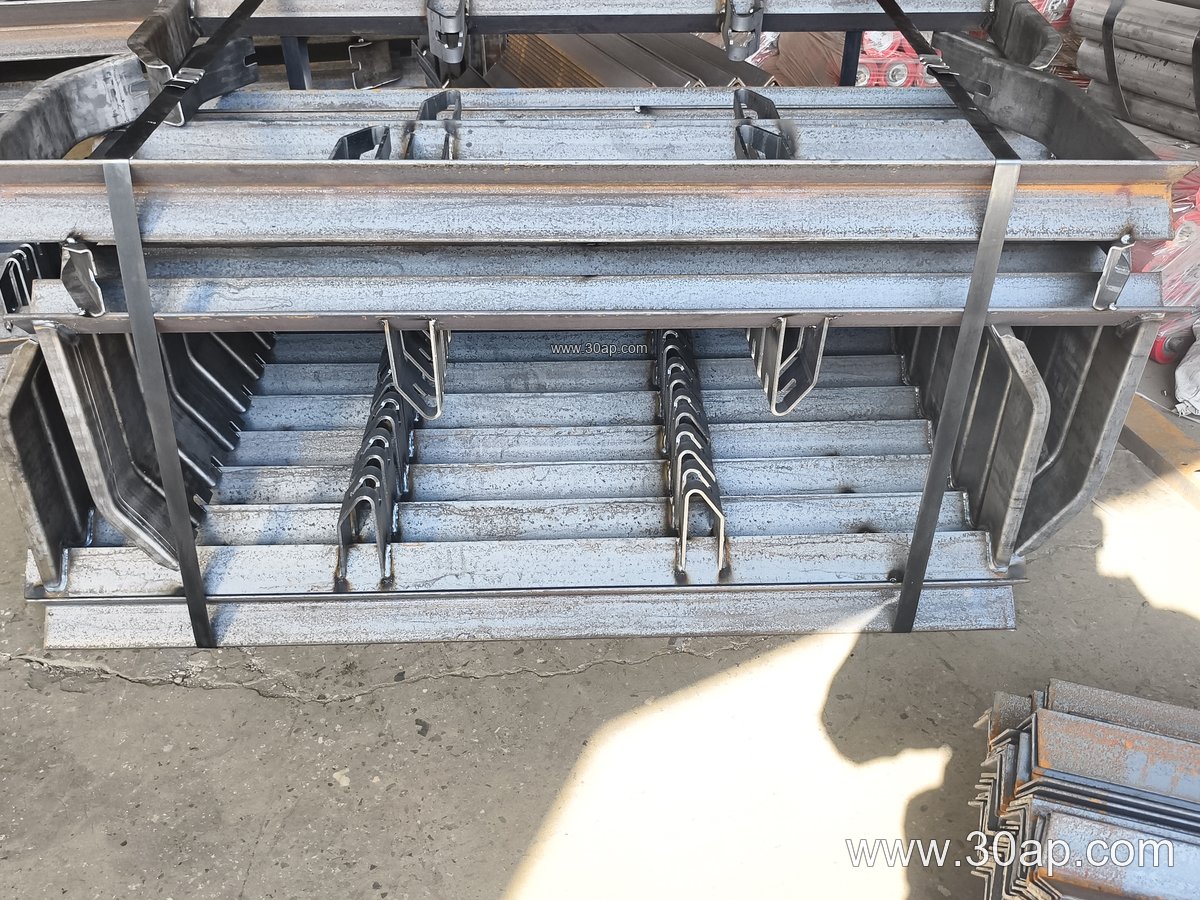
When choosing a parallel idler bracket, buyers should confirm the belt width, the idler roller diameter, and the mounting interface on the conveyor stringer. The bracket must match the roller shaft size and the hole spacing of the conveyor frame. For harsh environments—such as a coal mining conveyor system or a fertilizer plant—corrosion-resistant finishes and robust steel thickness are worth specifying. In a stone crushing line, the bracket should be checked for buildup of dust and fines, which can cause the idler roller to seize and wear the belt.
Inspection points include loose mounting bolts, bent crossbeams, and worn idler rollers. Replacing a worn idler roller early prevents belt damage and reduces the risk of a belt tracking problem. Whether the conveyor handles EP conveyor belt, steel cord conveyor belt, or a flame retardant conveyor belt for underground mining, the parallel idler bracket plays a quiet but essential support role. Matching the bracket to the belt width and roller size, and keeping it aligned during installation, will extend the service life of the entire conveyor line.