What Is a Parallel Return Idler
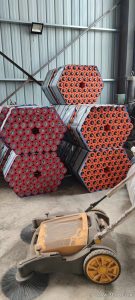
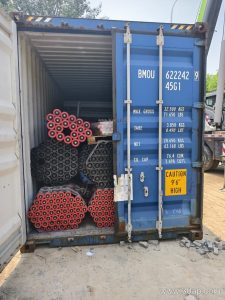
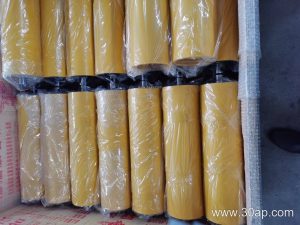
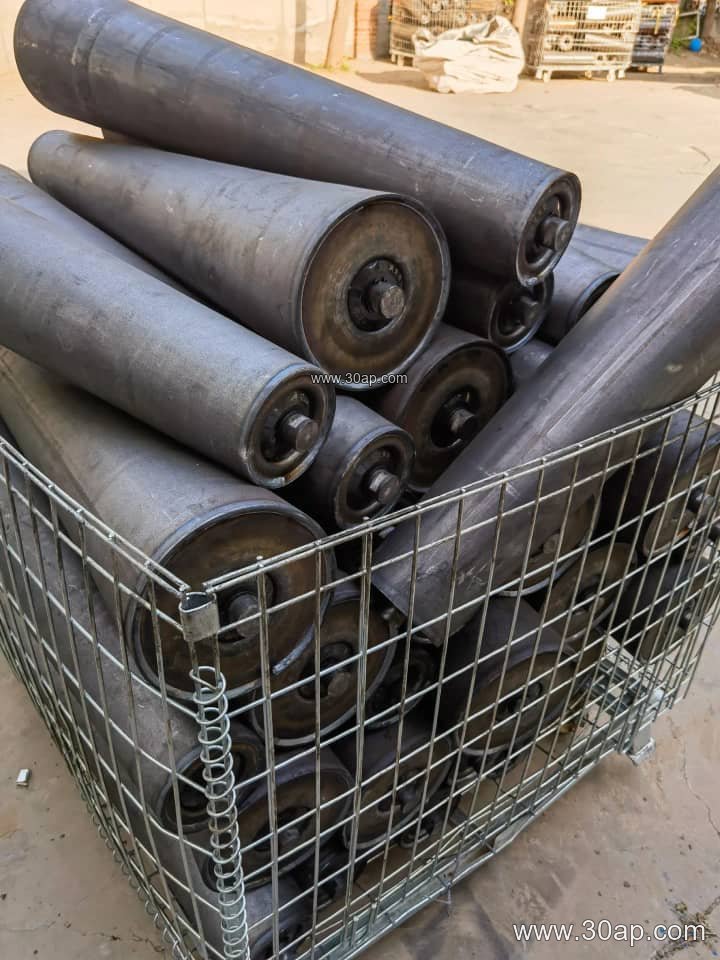
A parallel return idler is a type of idler roller used on the return strand of a conveyor belt. Unlike a V-shaped return idler, the parallel return idler has a straight, flat roller surface that supports the belt as it travels back to the tail pulley. This flat configuration helps maintain belt stability and reduces the risk of belt misalignment on the return run. In many conveyor systems, the parallel return idler is also called a flat return idler or a plain return roller, and it is a common component in bulk material handling operations across mining, cement, and power generation industries.
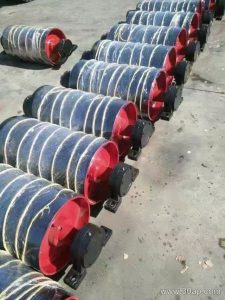
The parallel return idler works in conjunction with other conveyor components such as the conveyor pulley, conveyor bracket, and the conveyor belt itself. Its simple design makes it a reliable choice for supporting the empty side of the belt, especially in applications where material carryback is minimal or where a flat support surface is preferred.
Construction and Key Components
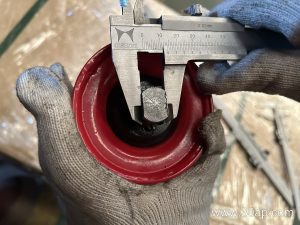
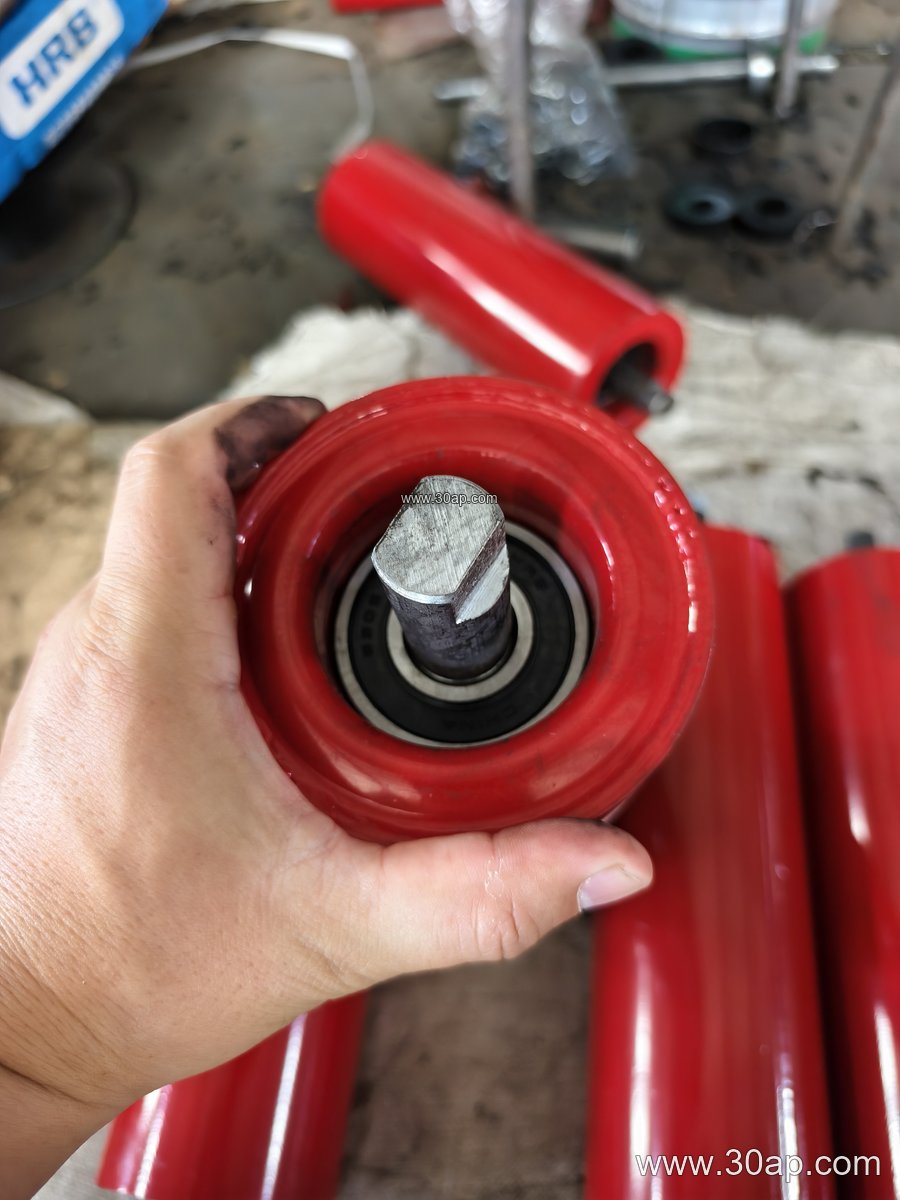
A typical parallel return idler consists of a steel tube shell, bearing housings, and a shaft. The roller surface may be plain steel, or it can be fitted with rubber rings for added protection in certain environments. Common roller diameters include Ø89, Ø102, Ø108, Ø127, and Ø133 mm, though larger sizes like Ø159 mm are also available for heavier belt widths. The bearings are often sealed to prevent dust and moisture ingress, with common bearing numbers such as 6204, 6205, 6305, and 6306 used depending on the load and roller size.
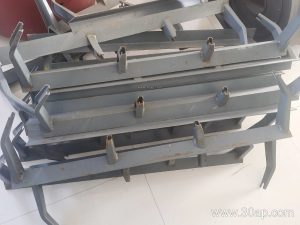
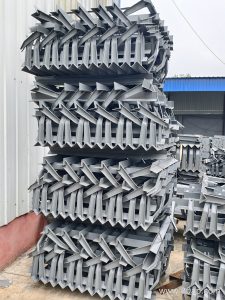
The idler is mounted on a conveyor bracket that attaches to the conveyor frame. The length of the roller is matched to the belt width; for example, a parallel return idler for a B800 belt may have a roller length around 315 mm, while a B1200 belt might use a roller length near 465 mm. These are typical reference values, and actual dimensions should be confirmed with the conveyor design. The parallel return idler is distinct from other return idler types like the V-type or spiral return idler, each serving specific belt training or cleaning functions.
Where It Fits in a Conveyor System
Parallel return idlers are installed along the return run of the conveyor, between the drive pulley and the tail pulley. They support the belt after it has discharged material at the head pulley and before it loops back to the loading point. In a quarry or aggregate conveyor line, these idlers help keep the belt from sagging and reduce unnecessary wear on the belt edges. In a coal mining conveyor system, they are often used in combination with flame retardant conveyor belt and fire resistant conveyor belt to maintain safe operation.
The parallel return idler is not a substitute for drive, tail, or bend pulleys, which have different roles in power transmission and belt direction changes. Instead, it is a supporting component that works alongside the conveyor pulley and conveyor bracket to ensure smooth belt travel. In cement plants and power plant coal handling systems, parallel return idlers are frequently specified for their durability and low maintenance requirements.
Selection and Maintenance Considerations
When selecting a parallel return idler, buyers should consider the belt width, the expected load, and the operating environment. The roller diameter and bearing size should be chosen to handle the belt weight and any material buildup. For abrasive conditions, such as in iron ore or copper ore handling, a roller with a wear-resistant shell or rubber rings may extend service life. In cold climates, cold resistant conveyor belt may be used, and the idler bearings should be suitable for low temperatures.
Regular inspection of the parallel return idler is important to detect bearing noise, roller seizure, or shell wear. Lubrication schedules and seal integrity should be checked according to the manufacturer’s recommendations. Maintaining proper alignment of the idler with the belt helps prevent edge damage and extends the life of the conveyor belt. In dusty environments like a stone crushing plant or a cement plant, sealed bearings are particularly beneficial.
Typical Applications and Related Equipment
Parallel return idlers are found in a wide range of industries. In a sand and gravel plant, they support the return side of the conveyor belt after the discharge point. In a port ship loading facility, they help maintain belt tension on long overland conveyors. The idler works with various conveyor belt types, including EP conveyor belt, NN conveyor belt, and steel cord conveyor belt, depending on the tension and load requirements. For high-abrasion applications, an abrasion resistant conveyor belt may be paired with durable idlers to reduce overall maintenance costs.
Other conveyor components such as the conveyor pulley and conveyor bracket are equally important for system reliability. The parallel return idler, while simple, plays a key role in keeping the belt running smoothly and efficiently. Buyers should ensure that the idler specifications match the conveyor design and that the selected model is appropriate for the belt width and operating conditions.