What a Fire Resistant Conveyor Belt Is
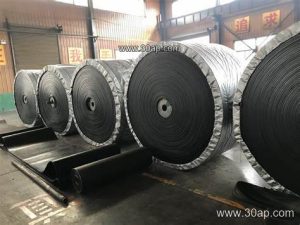
A fire resistant conveyor belt is a rubber conveyor belt designed to resist ignition and limit flame spread in environments where sparks, hot material, or combustible dust are present. It is also called a flame retardant conveyor belt, and both terms describe the same product family. These belts are common in coal mining, power plants, cement kilns, and any bulk handling system where fire risk must be controlled.
Unlike standard rubber belts, the cover compound and core are formulated to self-extinguish after the ignition source is removed. This makes the belt a critical safety component in underground coal mining conveyor belts and surface coal handling systems.
Construction and Materials
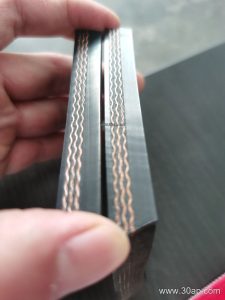
Most fire resistant belts use a fabric core or steel cord reinforcement. The rubber cover is blended with flame suppressants, and the core can be EP, NN, or steel cord depending on tension requirements. For example, an EP conveyor belt with fire resistant properties might use EP100 or EP200 fabric, while high-tension systems may use a steel cord conveyor belt with ST1000 or ST1250 ratings. PVC and PVG belts are also available in fire resistant versions for underground applications.
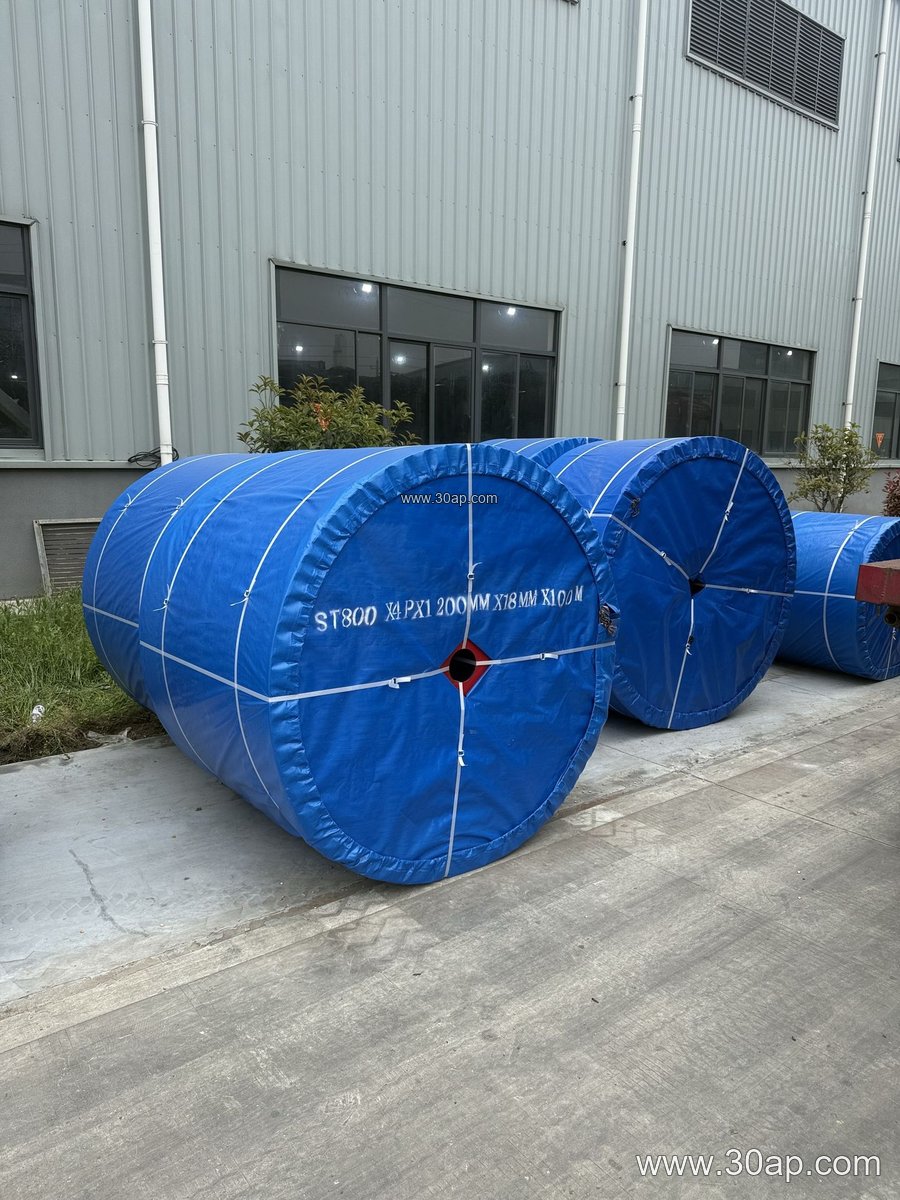
Typical cover thicknesses include 3+1.5 mm, 4+2 mm, and 6+2 mm, with 2 to 6 fabric plies. These values are common references and should be confirmed with the manufacturer for each project.
Where Fire Resistant Belts Are Used
These belts are essential in coal mining conveyor belts, underground mining conveyors, and power plant coal handling. They also appear in cement plants, steel plants, and port facilities where dust and heat are present. In quarry and aggregate operations, a fire resistant belt may be specified near crushers or transfer points where sparks can occur. Other subtypes like abrasion resistant conveyor belts or heat resistant conveyor belts address different risks, but they do not replace fire resistance where flame spread is the primary concern.
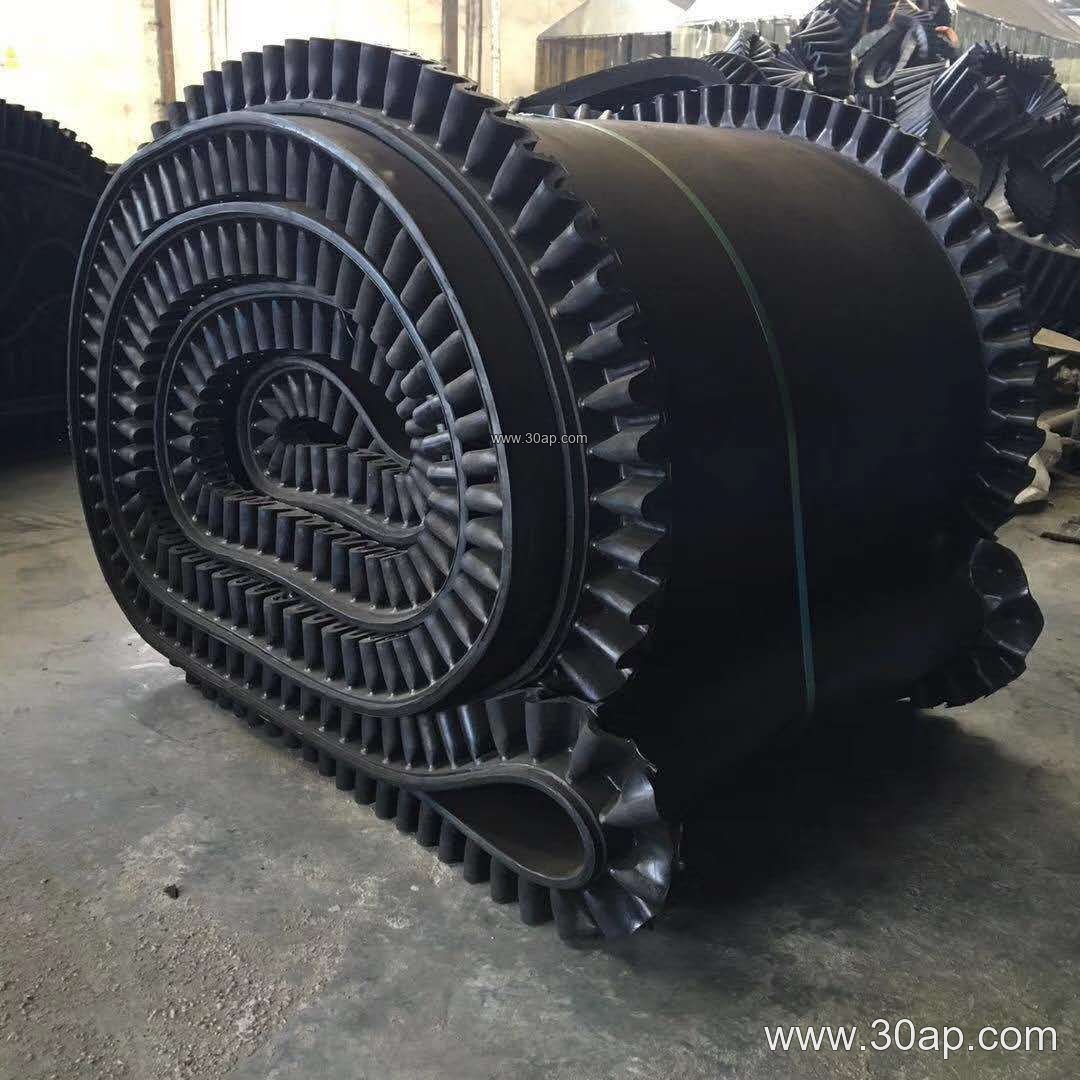
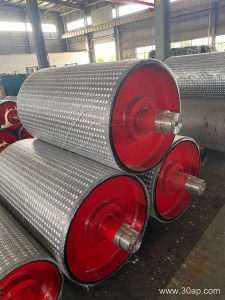
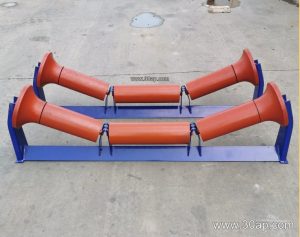
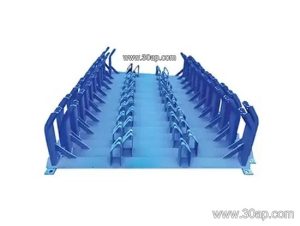
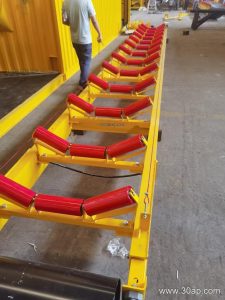
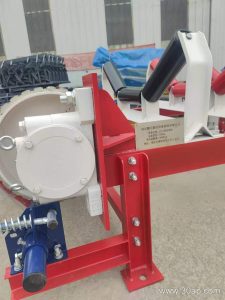
Supporting equipment such as idler rollers, conveyor pulleys, and conveyor brackets must be compatible with the belt’s fire safety requirements. Drive pulleys, tail pulleys, and bend pulleys each play a role in keeping the belt running smoothly, but they are not interchangeable and should be selected based on the conveyor design.
Key Specifications to Consider
Buyers should review tensile strength, cover thickness, and belt width. Common widths include B500, B650, B800, B1000, B1200, B1400, B1600, B1800, and B2000. Strength grades for fabric belts include EP200, EP315, EP400, EP500, EP630, EP800, EP1000, EP1250, EP1600, and EP2000. Steel cord belts may be rated ST1000 to ST3150. The table below shows representative combinations; actual supply depends on the manufacturer and application.
| Type | Common Strength Grades | Typical Widths | Cover Thickness (mm) |
|---|---|---|---|
| EP fabric | EP200–EP2000 | B500–B2000 | 3+1.5 to 8+3 |
| NN fabric | NN100–NN400 | B500–B1600 | 3+1.5 to 6+2 |
| Steel cord | ST1000–ST3150 | B800–B2000 | 5+2 to 8+3 |
| PVC/PVG | PVG800, PVG800S | B650–B1400 | 2+1 to 4+2 |
These are reference values; no single width is tied to a specific pulley diameter, and shaft sizes must be engineered separately.
Selection and Maintenance Tips
Choose a fire resistant conveyor belt that matches the material being conveyed, the ambient temperature, and the risk of static electricity. In coal mining, anti-static and flame retardant properties are often required together. Check that the belt’s cover grade suits the abrasion level of the material; a high abrasion resistant conveyor belt may be needed for sharp rock or ore. For hot materials, a heat resistant conveyor belt is a different product and should not be substituted for fire resistance.
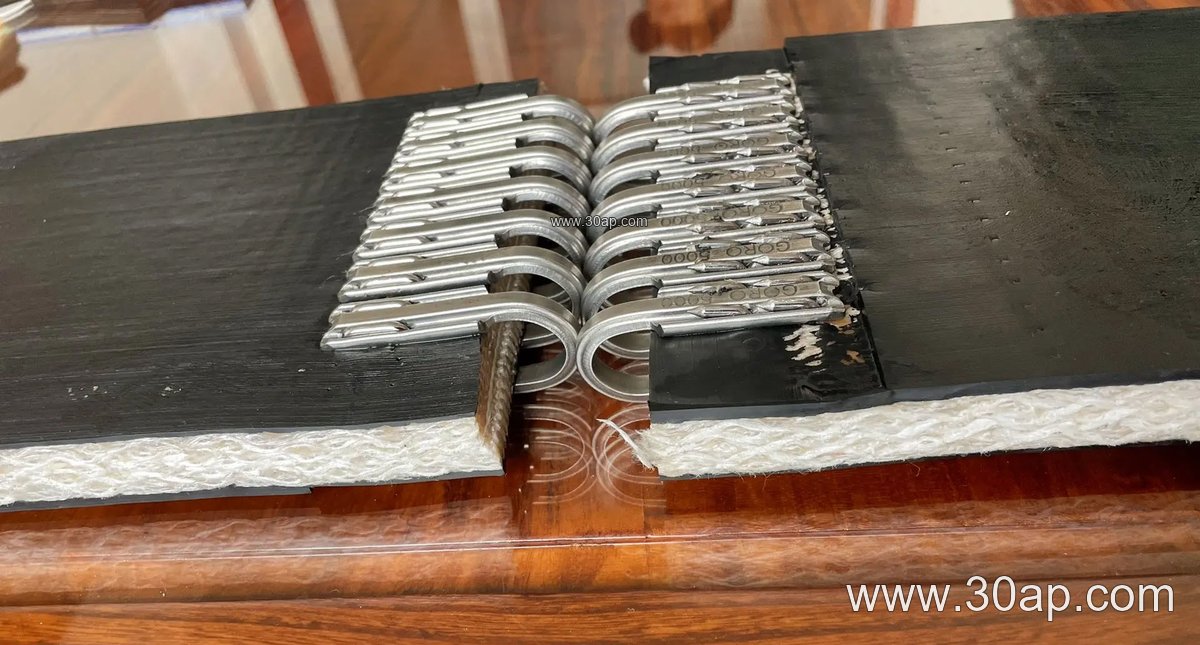
Regular inspection of idler rollers, conveyor pulleys, and brackets helps prevent friction heating that can damage any belt. Keep the belt tension correct and avoid material buildup on pulleys. Store belts away from heat sources and chemicals. When splicing, use the manufacturer’s recommended method to preserve flame resistance.
For more information on fire resistant conveyor belts and related components, visit our site at belttech.example.com or contact our team. Keywords: fire resistant conveyor belt, flame retardant conveyor belt, underground coal mining conveyor belt.