Conveyor Bracket Essentials for Industrial Buyers
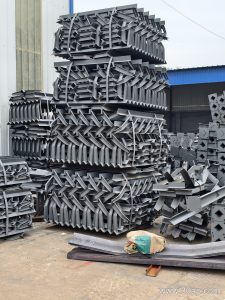
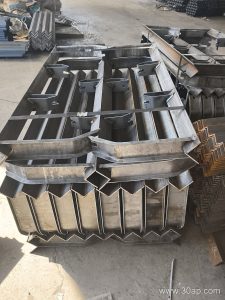
The conveyor bracket is the critical mounting component that secures rollers, idlers, and drives to your frame. Without a precisely engineered bracket, even the best belt or chain system will misalign, vibrate, and fail prematurely. This guide focuses on selecting the right conveyor bracket for your specific load and environment.
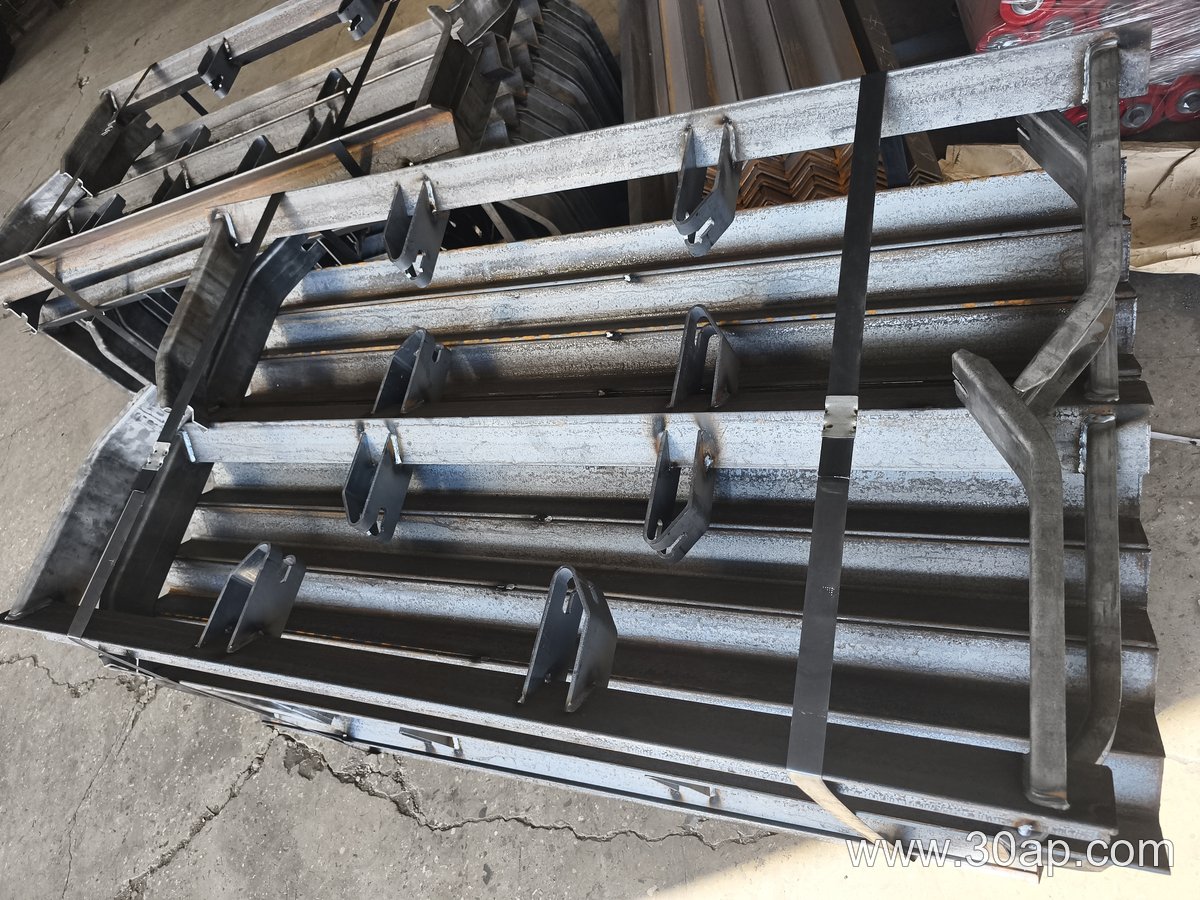
Key Selection Criteria
- Load rating: Always match the bracket’s dynamic capacity to your maximum expected payload, including surge loads.
- Material finish: Choose galvanized or stainless steel for washdown or corrosive zones; painted carbon steel suits dry indoor lines.
- Adjustability: Slotted or multi-hole brackets allow fine tuning of roller height and belt tracking without custom machining.
Purchasing Advice
Verify hole spacing against your existing frame cross-members. Ask your supplier for a deflection chart at your operating speed. For high-cycle or impact loads, opt for a heavy-duty bracket with reinforced gussets. Finally, stock at least 10% spare brackets to minimize downtime during emergency swaps.
Conveyor Belt Fundamentals for Reliable Operations
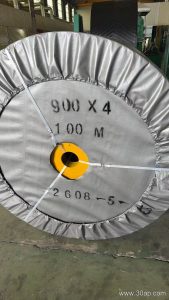
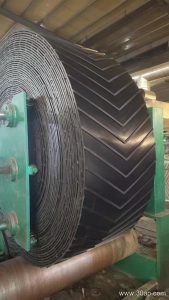
A conveyor belt is the backbone of material handling, directly impacting throughput and maintenance costs. Selecting the correct belt requires evaluating core factors: material type, load weight, speed, and environmental conditions.
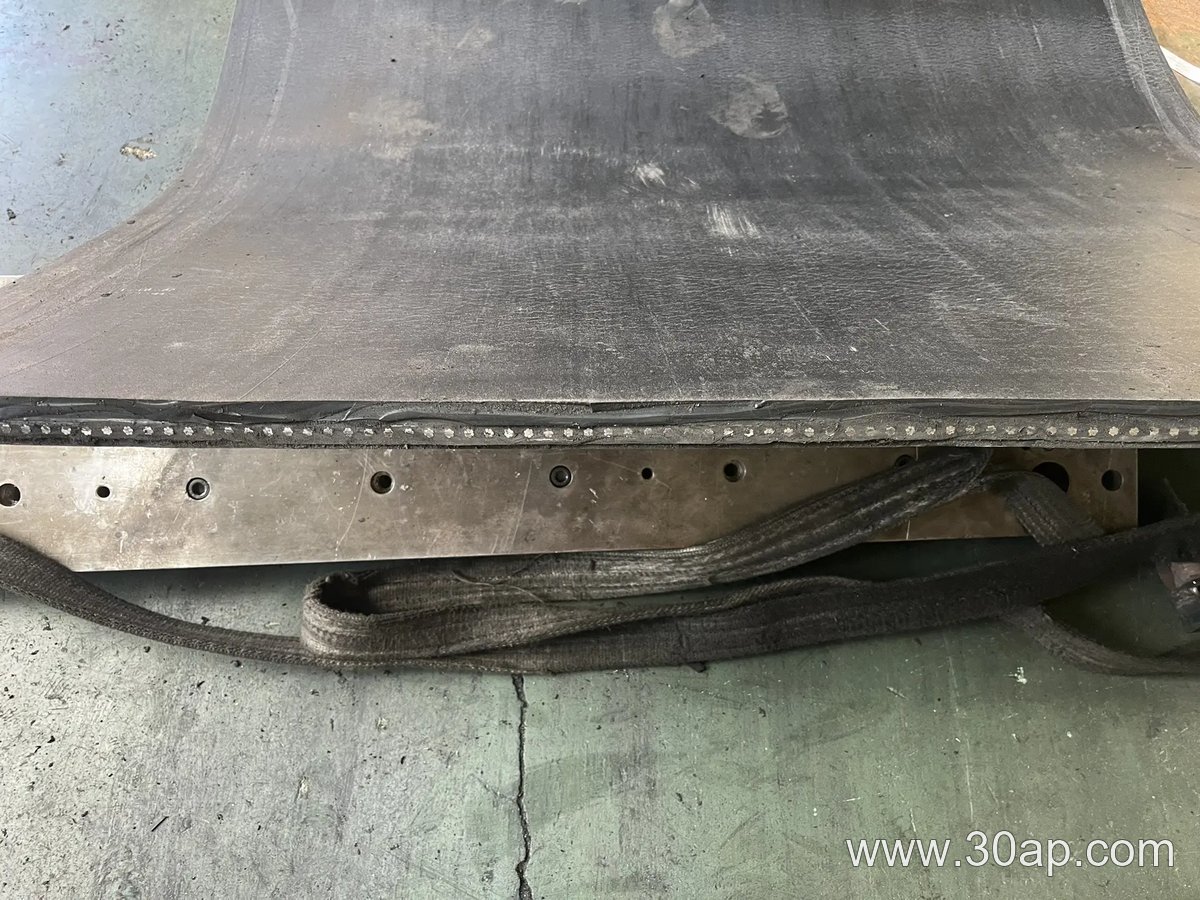
Key Selection Criteria
- Determine belt surface: rubber for abrasion, PVC for food-grade, or steel cord for high tension.
- Assess operating temperature and chemical exposure to avoid premature wear.
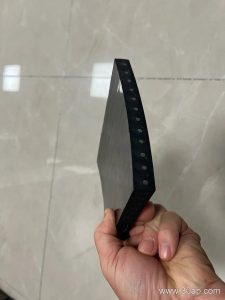
- Verify belt thickness and carcass strength against impact and troughing angles.
Purchasing Advice
Always measure existing belt specifications or use OEM drawings. Request samples and test under real load. Compare total cost of ownership—not just price—including splicing kits, idler spacing, and energy consumption. Choose a supplier offering technical support and fast delivery for replacements.
Idler Roller: The Backbone of Reliable Bulk Material Handling
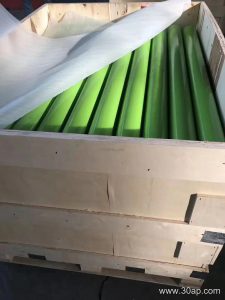
The idler roller is the unsung hero of any conveyor system. Its primary role is to support the belt and bulk material, minimizing friction and preventing belt sagging. Without properly selected idlers, you risk premature belt wear, increased energy consumption, and costly downtime.
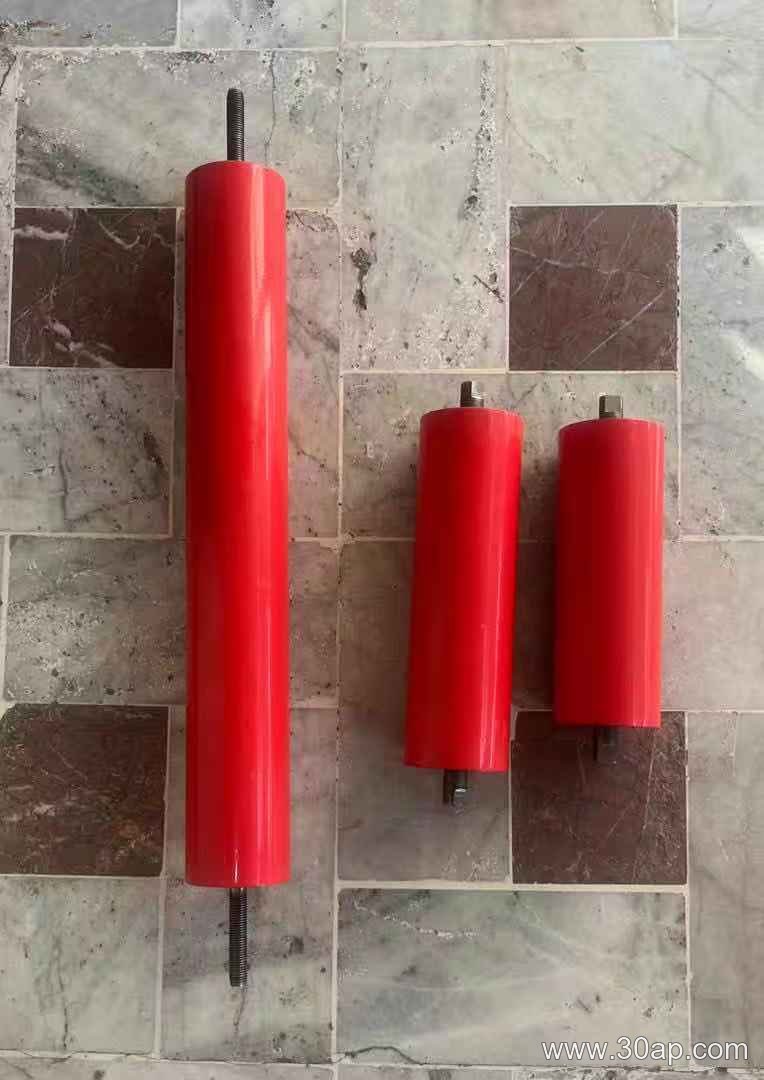
Key Selection Factors for Industrial Idler Rollers
- Load and Belt Width: Match roller diameter and wall thickness to your material weight and belt speed. Heavier loads demand larger troughing angles (20°, 35°, 45°) and heavier-duty bearings.
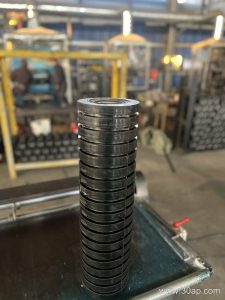
- Environment: For dusty, wet, or corrosive conditions, choose sealed bearings and rubber disc or polyurethane-coated rollers to resist buildup and abrasion.
- Spacing and Alignment: Calculate correct idler spacing (usually 1–1.5 m for top run) to avoid belt flex fatigue. Use self-aligning idlers on long, straight runs to prevent belt mistracking.
- Maintenance Access: Opt for quick-change or drop-in idler frames to reduce replacement time. Always verify shaft ends and frame compatibility with your existing structure.
Purchasing Advice for Long-Term Value
Do not buy solely on initial price. Check the idler roller’s runout (max 0.5 mm) and bearing life rating (L10 hours). Ask for a manufacturer’s test report and warranty. For high-impact zones, request impact idlers with rubber rings. Finally, keep a small stock of spare rollers for critical conveyors to avoid unplanned halts.
Understanding the Conveyor Pulley’s Core Role
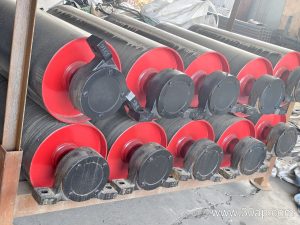
The conveyor pulley is the mechanical heart of any belt conveyor, driving motion, redirecting the belt, and maintaining tension. Choosing the wrong pulley leads to belt slippage, misalignment, and costly downtime.
Key Types and Their Applications
- Drive (head) pulleys: Mounted at the discharge end; require high-grip lagging (ceramic or rubber) for torque transfer.
- Return (tail) pulleys: At the loading end; often crowned to aid belt tracking.
- Snub and bend pulleys: Increase wrap angle or change belt direction; smaller diameters but must match belt rating.
Selection Criteria for Industrial Buyers
- Shaft and hub sizing: Calculate live load, dead weight, and starting torque to avoid fatigue failure.
- Lagging material: Choose ceramic for wet or high-tension conditions; smooth rubber for dry, light-duty lines.
- Bearing housing and seals: Specify spherical roller bearings with labyrinth seals for dusty environments.
- Diameter vs. belt flex: Never undersize—minimum diameter is dictated by belt carcass and splice type.
Purchasing and Maintenance Advice
Always request dynamic balancing certificates and verify crown profile tolerance (±0.5 mm). Inspect pulley face for weld defects and check runout during installation. Schedule quarterly lubrication and monthly tracking checks—replacing a worn pulley costs 10x more than preventive service.
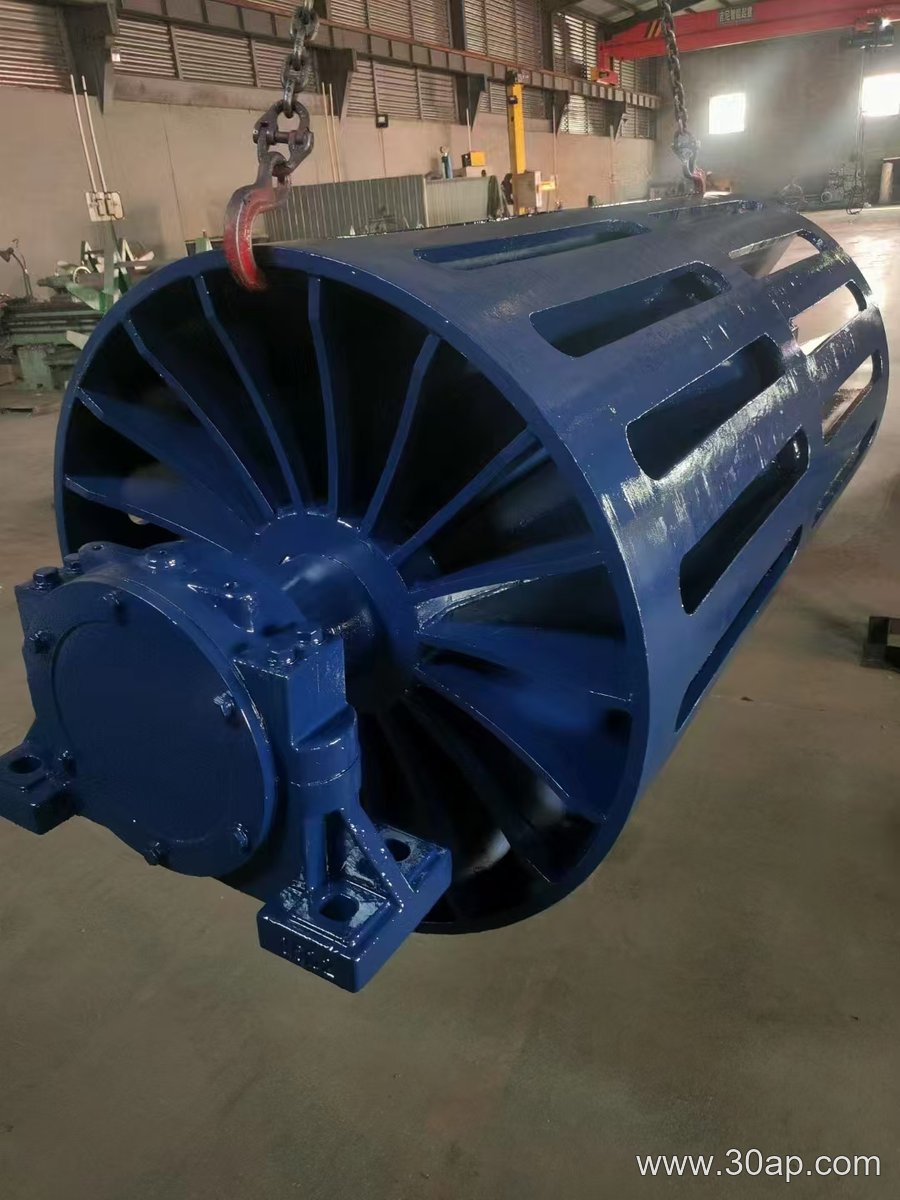
For replacement, measure existing shaft centers, hub bore, and face width; order with a spare lagging kit. Partner with a manufacturer that offers finite element analysis (FEA) for custom loads.