What Is a 1600mm Diameter Conveyor Pulley?
In high-capacity bulk handling systems, a 1600mm diameter conveyor pulley is a large rotating drum that drives, tensions, or redirects the belt. Often simply called a 1600mm pulley, it is a critical component in heavy-duty conveyors where belt tensions and material loads are substantial. This pulley size is commonly found in applications such as iron ore mining, coal preparation plants, and large cement works.
The 1600mm diameter refers to the outer diameter of the drum, which influences belt wrap angle, pulley rotational speed, and overall system torque requirements. It is not a universal fit for every belt width; instead, it is selected based on engineering calculations for belt tension, power, and space constraints.
Construction and Design Features
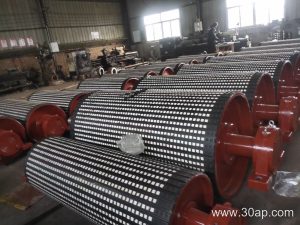
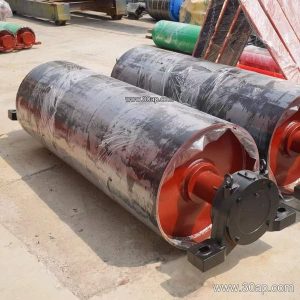
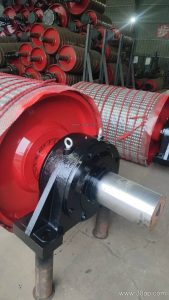
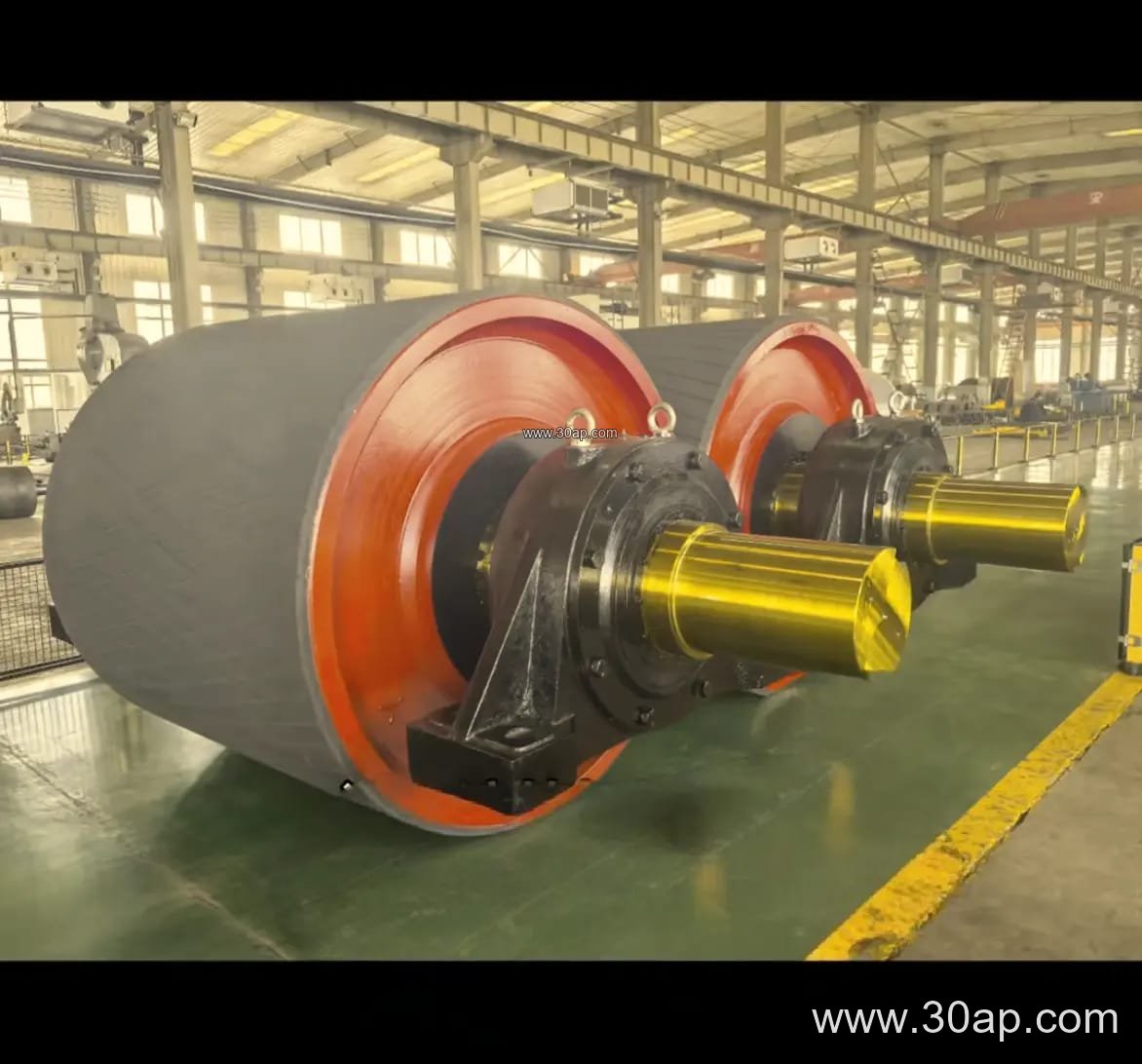
A 1600mm diameter conveyor pulley is typically fabricated from steel, with a cylindrical shell, end discs, and a shaft. The shell may be machined for balance and then covered with a lagging material to improve traction and protect the belt. Common surface options include plain finish, rubber lagging (cold-bonded or hot-vulcanized), diamond grooving, herringbone grooving, and ceramic lagging. Lagging thickness often ranges from 8 mm to 20 mm depending on the application.
The shaft diameter is determined by torque and load requirements, not simply by belt width. For a pulley of this size, shaft diameters in the range of Ø160 to Ø200 may be considered, but final sizing must be confirmed by the conveyor designer.
Key structural elements include:
- Reinforced shell with internal stiffening rings for rigidity.
- Hub and shaft connection via keyways or shrink discs.
- Bearing housings and seals suitable for dusty or wet environments.
- Mounting brackets that interface with the conveyor frame.
Where It Is Used in the Industry
This large pulley is often employed as a drive pulley or tail pulley in high-tonnage operations. In a copper mine, it might serve as the head pulley driving a steel cord conveyor belt over long distances. In a coal-fired power plant, a 1600mm diameter conveyor pulley can be part of the coal handling system, working with flame retardant conveyor belts to ensure safe operation.
Other typical settings include:
- Quarries and aggregate plants handling abrasive rock.
- Cement plants transporting clinker or raw meal.
- Port bulk terminals for ship loading and unloading.
- Steel mills moving sinter or pellets.
In these environments, the pulley must withstand constant exposure to dust, moisture, and varying loads. Proper lagging selection—such as abrasion-resistant rubber for rocky materials or oil-resistant rubber for oily cargo—helps extend service life.
Selection and Application Notes
When choosing a 1600mm diameter conveyor pulley, engineers consider the belt width, belt speed, and the required tension. For instance, a B1600 conveyor belt may use a pulley face width of approximately 1800 mm, but the diameter is not fixed by the belt width alone. The pulley diameter affects the belt’s bending stress and the drive’s torque capacity. A larger diameter reduces belt bending but increases space and cost.
Buyers should specify:
- Belt width and type (e.g., EP conveyor belt, NN conveyor belt, or steel cord conveyor belt).
- Lagging material and thickness (e.g., 12 mm diamond rubber or 15 mm ceramic).
- Shaft diameter and hub connection method.
- Bearing type and sealing arrangement.
- Balancing grade and run-out tolerances.
It is also important to match the pulley to the conveyor’s idler rollers and brackets for smooth operation. In a typical mining conveyor belt system, the 1600mm pulley works in harmony with impact idlers at the loading point and return rollers along the return strand.
Maintenance and Operational Tips
Regular inspection of the pulley surface and lagging is recommended. Worn lagging reduces traction and can lead to belt slippage. Check for loose bolts, cracks in the shell, and bearing condition. In dusty plants, keep the pulley area clean and ensure that seals are intact. For conveyors handling hot materials, use heat resistant conveyor belts and monitor pulley temperature.
Proper alignment of the pulley with the belt path prevents edge damage and extends the life of both the pulley and the conveyor belt. Lubricate bearings according to the manufacturer’s schedule, and replace worn lagging before it affects performance.
Summary
A 1600mm diameter conveyor pulley is a robust, application-specific component for heavy-duty conveyors. Its size, construction, and lagging options make it suitable for demanding industries, but correct selection depends on a thorough analysis of belt tensions, loads, and environmental conditions. Buyers should work closely with conveyor engineers to ensure the pulley integrates seamlessly with the entire system, including belts, idlers, and brackets.