What an Anti-Impact Idler Does
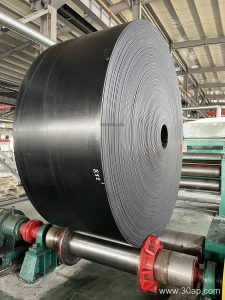
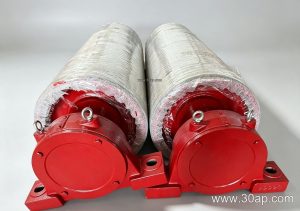
An anti-impact idler is a special type of idler roller installed at conveyor loading points where material drops onto the belt. Its main job is to absorb the shock of falling rock, ore, or aggregate and protect the conveyor belt from damage. Also called an impact idler or buffer idler, this product is essential in industries such as mining, quarrying, cement plants, and power plant coal handling. Without proper impact protection, the conveyor belt can suffer cuts, punctures, and rapid wear, leading to costly downtime. For reliable belt support, visit conveyor belt solutions and idler roller ranges designed for tough conditions.
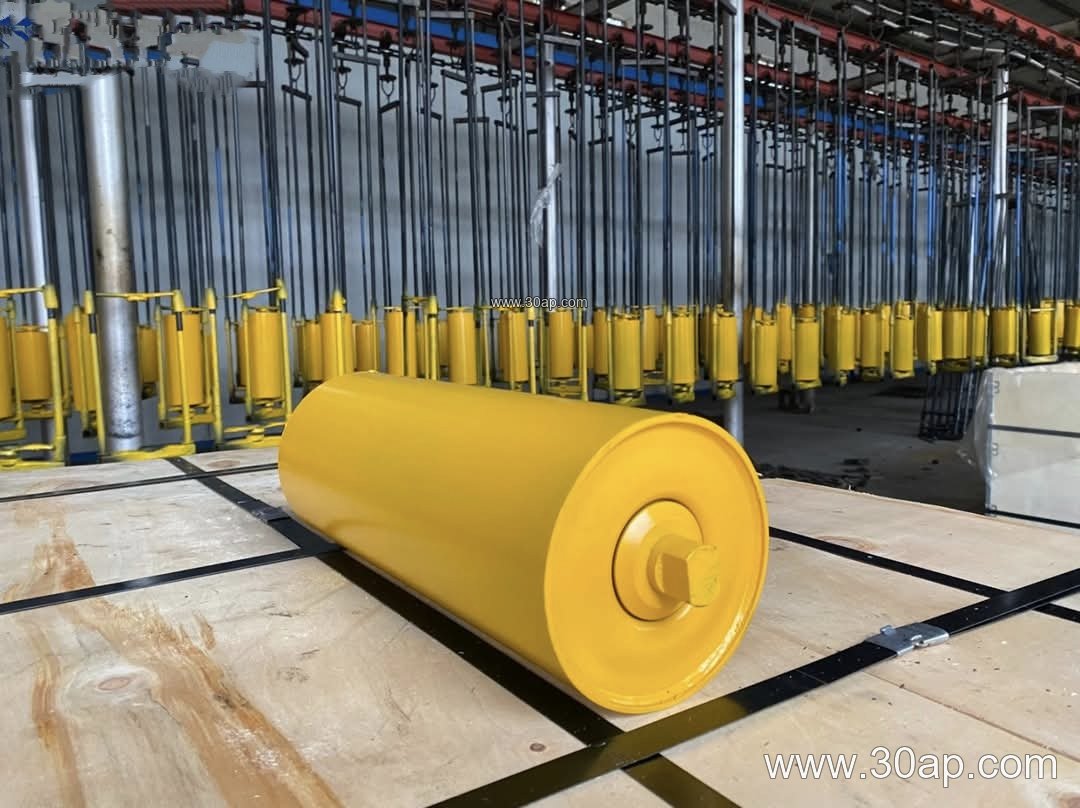
Construction and Key Features
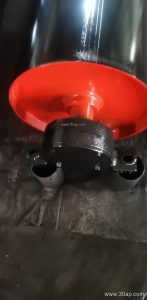
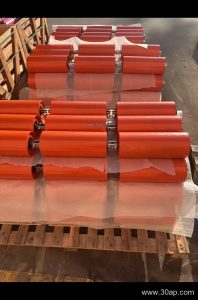
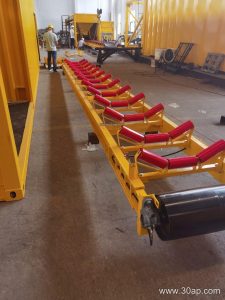
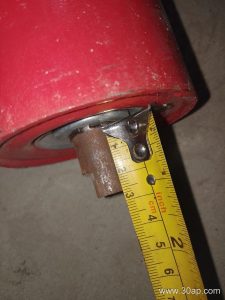
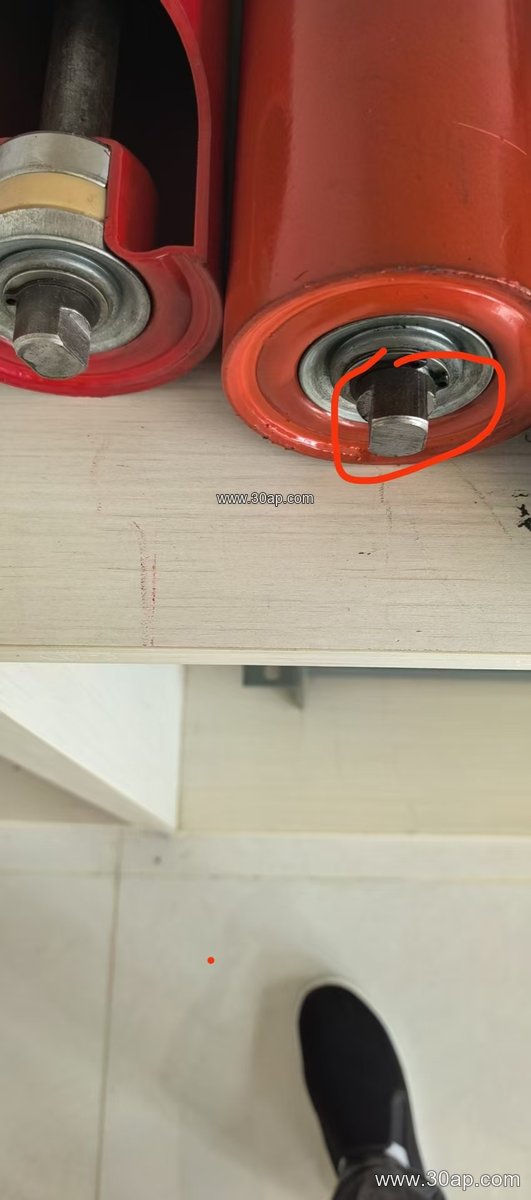
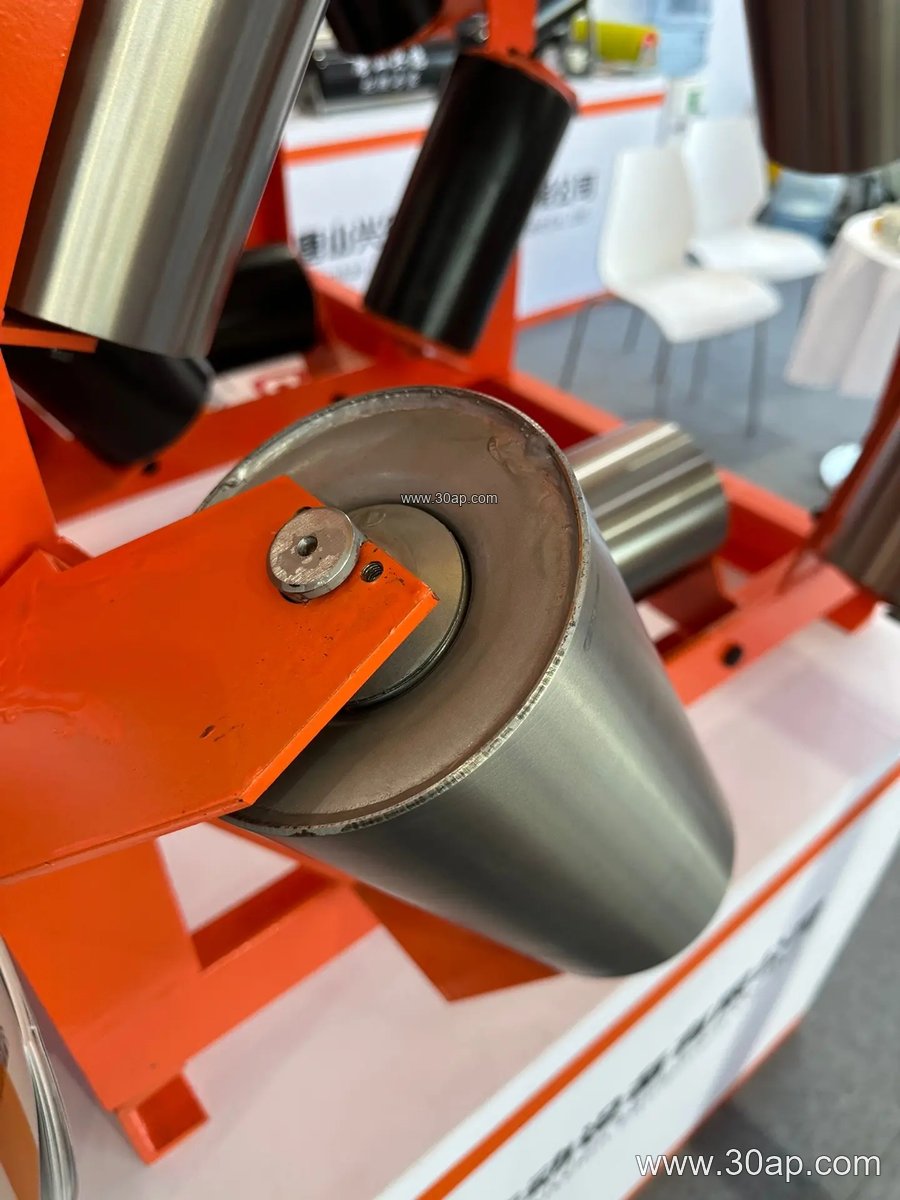
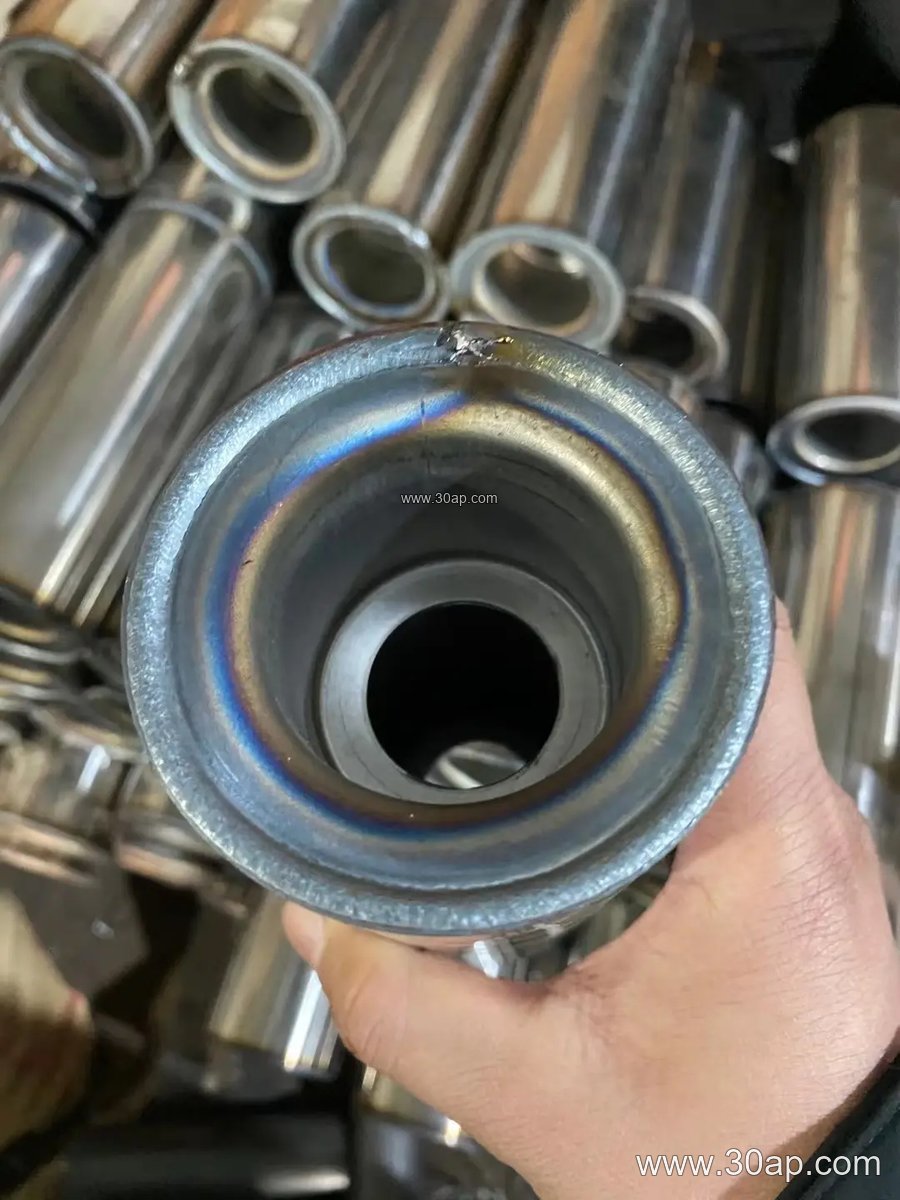
An anti-impact idler typically uses a steel tube body fitted with rubber rings or a rubber disc surface. These rubber rings are the key to shock absorption—they compress under impact and then recover, reducing stress on the belt and the idler frame. The idler shaft runs through sealed bearings, often 6204, 6205, 6305, or 6306 depending on the load, and the roller surface may be smooth steel, nylon, or ceramic for different wear situations. The rubber rings can be arranged in various patterns, and the roller diameter commonly ranges from Ø89 to Ø159 for impact applications, though larger sizes like Ø178 or Ø219 may be used in extreme conditions. Common belt widths served include B500, B650, B800, B1000, B1200, B1400, B1600, and B1800. The idler is mounted on a sturdy conveyor bracket or frame that can handle repeated shock loads.
Where Anti-Impact Idlers Are Used
These idlers are found at transfer points in mines, quarries, and aggregate plants. In a coal mining conveyor system, for example, the anti-impact idler sits directly under the loading chute to cushion the fall of coal. In a limestone quarry or iron ore plant, it protects the belt from sharp, heavy lumps. Cement plants also use them at clinker loading points, and power plants rely on them in coal handling sections. The product works alongside other conveyor components such as the conveyor pulley at the drive end and various idler rollers along the carrying and return sides. For projects requiring high abrasion resistance, pairing impact idlers with an abrasion resistant conveyor belt or a EP conveyor belt can extend service life.
Selection and Sizing Considerations
Choosing the right anti-impact idler involves matching the roller diameter and belt width to the application. The table below shows common reference values; actual dimensions should be confirmed with the conveyor design.
| Belt Width (mm) | Typical Impact Idler Diameter (mm) | Common Bearing |
|---|---|---|
| B500 | Ø89 | 6204 |
| B650 | Ø89–Ø108 | 6205 |
| B800 | Ø108–Ø133 | 6305 |
| B1000 | Ø133–Ø159 | 6306 |
| B1200 | Ø159–Ø178 | 6308 |
| B1400 | Ø178–Ø194 | 6310 |
| B1600 | Ø194–Ø219 | 6310 |
Note that these are common examples, not fixed rules. The impact idler should be selected based on lump size, drop height, throughput, and belt speed. The trough angle (20°, 30°, 35°, or 45°) also affects the idler arrangement; impact idlers are often supplied in three-roll trough sets with rubber rings on all rolls. For heavier duty, a heavy-duty conveyor belt combined with properly sized impact idlers improves system reliability.
Buying Advice and Maintenance
When purchasing anti-impact idlers, check the rubber ring quality—it should be resilient and resistant to cuts and aging. Ensure the bearings are well sealed against dust and water, especially in washdown or underground environments. The idler frame and brackets should be robust enough to withstand continuous shock. Regular inspection of rubber rings for wear or damage is recommended; replace worn rings promptly to maintain cushioning performance. Also verify that the idler diameter and bearing size suit your conveyor speed and load. For harsh environments, consider idlers with ceramic or nylon surface options. In coal mining or underground operations, flame retardant and anti-static properties may be required for the entire conveyor system, including the belt and idlers. Always consult the conveyor designer for exact specifications.