What Is a Conveyor Belt Pulley
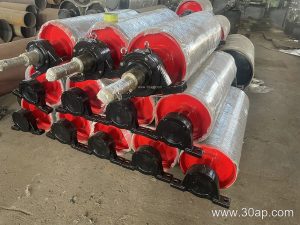
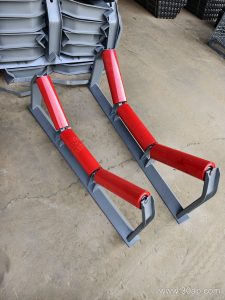
A conveyor belt pulley is a cylindrical rotating component that supports and drives the conveyor belt. It is often called a conveyor pulley or drum pulley. Unlike an idler roller, which only supports the belt along its carrying run, a pulley transmits power, changes belt direction, or maintains tension. Drive pulleys, tail pulleys, and bend pulleys each serve distinct functions and are not interchangeable. The pulley works together with the conveyor belt, idler rollers, and conveyor brackets to keep bulk material moving smoothly in industries such as mining, cement, power generation, and aggregate processing.
Construction and Key Components
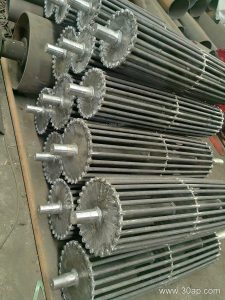
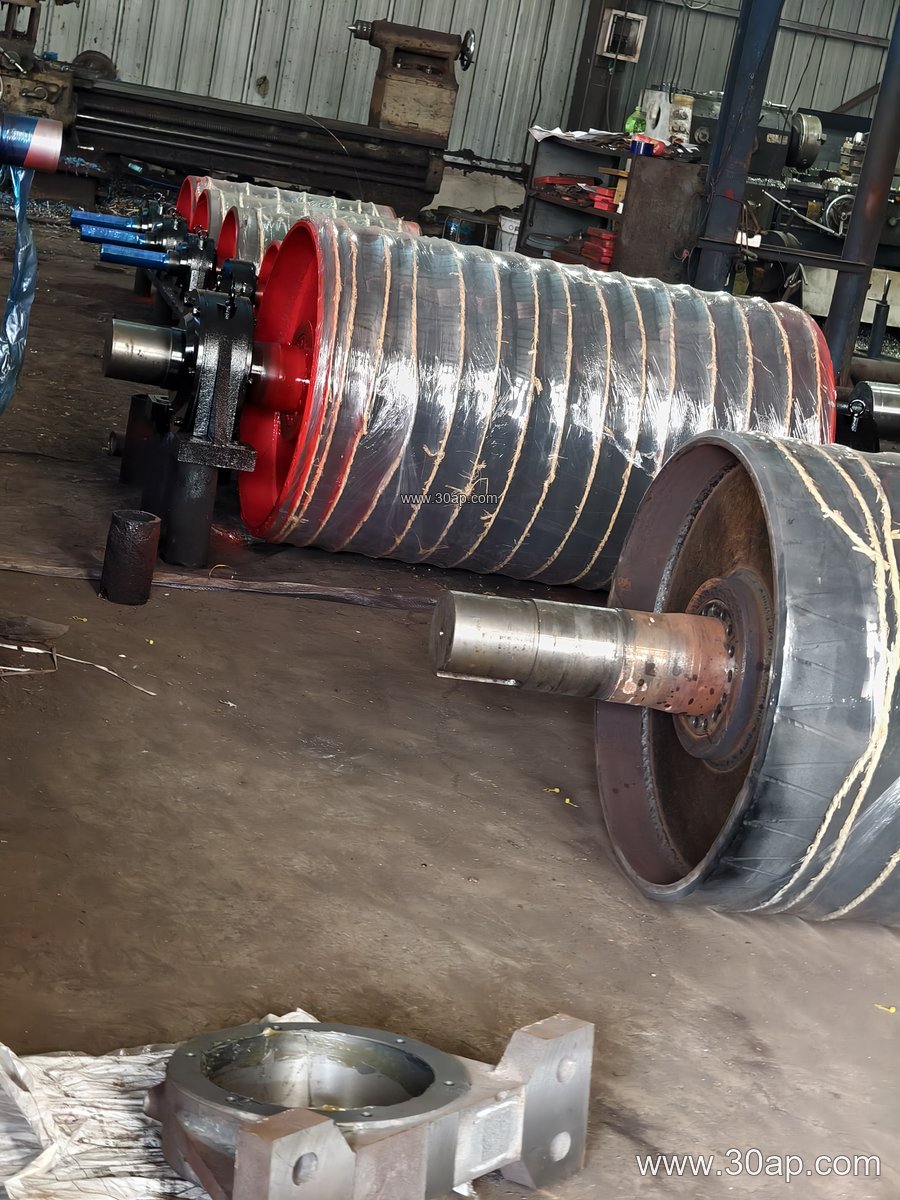
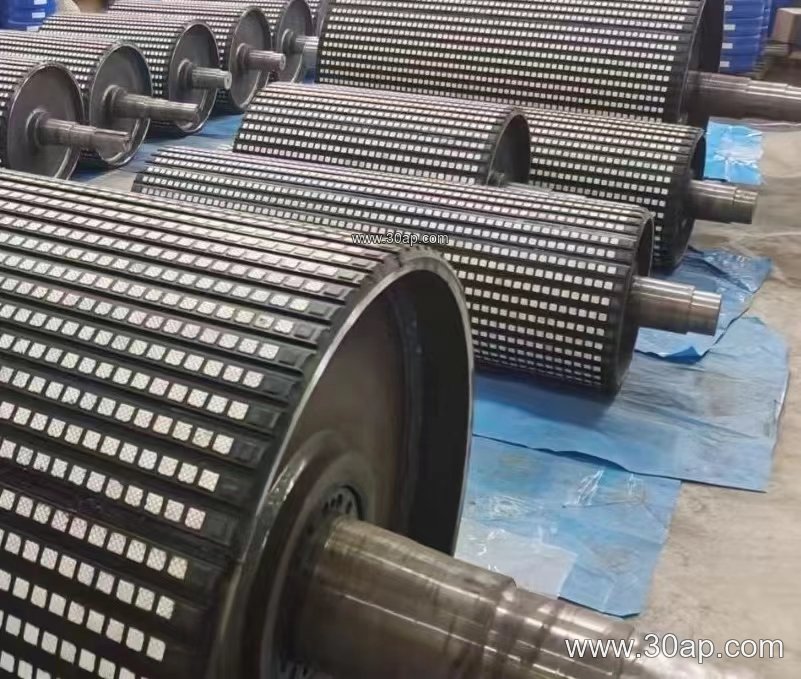
A typical pulley consists of a cylindrical shell, end discs, a shaft, and bearing housings. The shell can be plain or covered with rubber, ceramic, or other materials to improve grip or wear resistance. Common surface forms include smooth, cast rubber, cold-bonded rubber, hot-vulcanized rubber, diamond grooved, herringbone grooved, and ceramic lagging. Lagging thickness often ranges from 8 mm to 20 mm depending on the application. The shaft diameter is determined by torque and load, with common sizes such as Ø50, Ø80, Ø120, Ø160, and Ø200 mm. Pulley face width is usually slightly wider than the belt width; for example, a B800 belt may use a pulley face around 950 mm, while a B1200 belt may use about 1400 mm. These are reference examples, not fixed rules.
Main Types and Their Roles
Drive pulleys, also called head pulleys, are located at the discharge end and transmit power to the belt. Tail pulleys are positioned at the feed end and redirect the belt. Bend pulleys change the belt path, often in tensioning systems, while take-up pulleys maintain proper belt tension. Wing pulleys are used in aggressive applications to shed material. Electric pulleys integrate the motor inside the drum, saving space. Each type has a specific function and should not be substituted for another without careful engineering review.
Where Conveyor Belt Pulleys Are Used
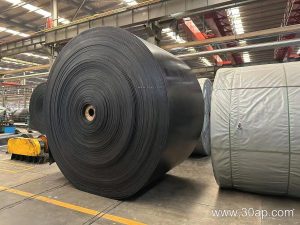
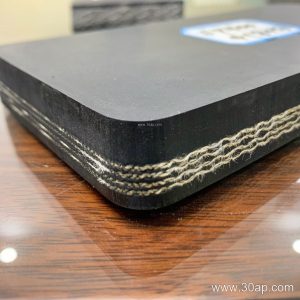
These pulleys are essential in quarry and aggregate lines, coal washing plants, cement clinker handling, power plant coal conveying, and port bulk terminals. In a typical stone crushing plant, a drive pulley at the head end powers the belt, while a bend pulley helps route the belt through a tensioning device. The pulley must match the conveyor belt specifications, including width, tension rating, and cover type. For heavy-duty mining applications, abrasion resistant conveyor belts and steel cord conveyor belts often require pulleys with robust lagging and large shaft diameters.
Selection and Sizing Considerations
Choosing the right conveyor belt pulley involves several factors. Belt width is one starting point but does not dictate a single pulley diameter. For instance, a B650 belt might work with a Ø400 pulley in one system and a Ø500 pulley in another, depending on belt speed, load, and tension. Common diameter options include Ø200, Ø250, Ø315, Ø400, Ø500, Ø630, Ø800, Ø1000, and larger. Face width should exceed belt width to prevent edge damage. Lagging type should suit the environment: diamond grooved for wet conditions, ceramic for high abrasion, and plain for general use. Shaft diameter is calculated from torque and radial loads, not simply from belt width. Buyers should provide belt tension, speed, material characteristics, and environmental conditions to the pulley manufacturer.
Maintenance and Buyer Tips
Regular inspection of lagging wear, shaft alignment, and bearing condition helps prevent unplanned downtime. Replace lagging when it becomes glazed or worn unevenly. Ensure the pulley is compatible with the conveyor belt splice type and that the belt tracking remains correct. For harsh applications such as iron ore or copper ore handling, consider pulleys with reinforced shells and high-abrasion lagging. When sourcing, ask for drawings showing shell diameter, face width, shaft size, bearing type, and lagging specification. Avoid assuming that a pulley for a 1200mm wide belt automatically fits a 1400mm belt; always verify the actual load and tension requirements.