What a Fixed Conveyor Bracket Does
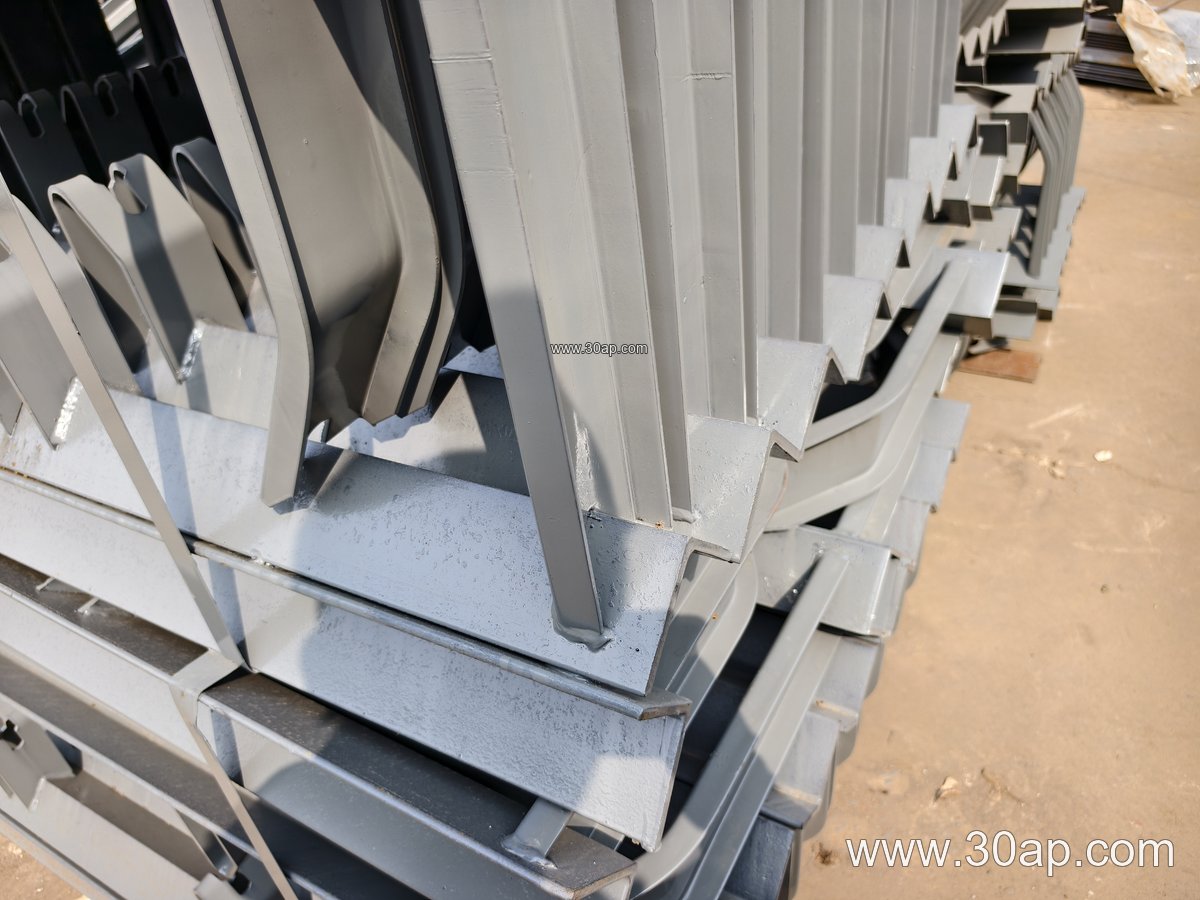
A fixed conveyor bracket is the rigid support that holds idler rollers at a set position along a conveyor frame. Unlike adjustable versions, it locks the roller angle and height in place, giving the belt a consistent path. In a quarry or a coal mining operation, this stability matters because constant vibration can shift less rigid components.
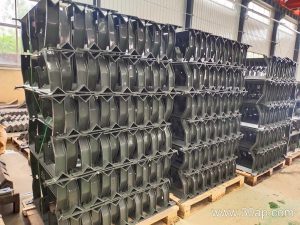
The bracket itself is usually a fabricated steel assembly. Common materials include angle steel, channel steel, and folded steel plate. The design must match the conveyor belt width and the roller diameter it carries, but the exact dimensions are determined by the conveyor designer, not by a single universal rule.
How It Is Built and Where It Fits
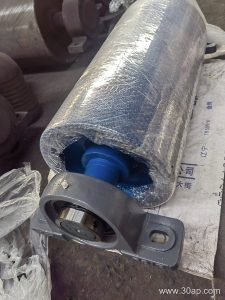
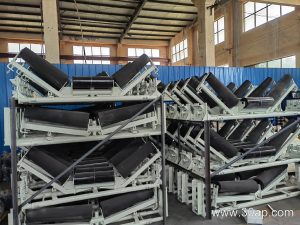
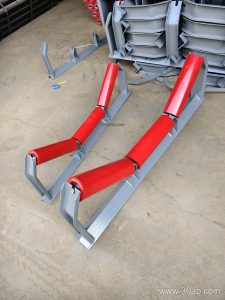
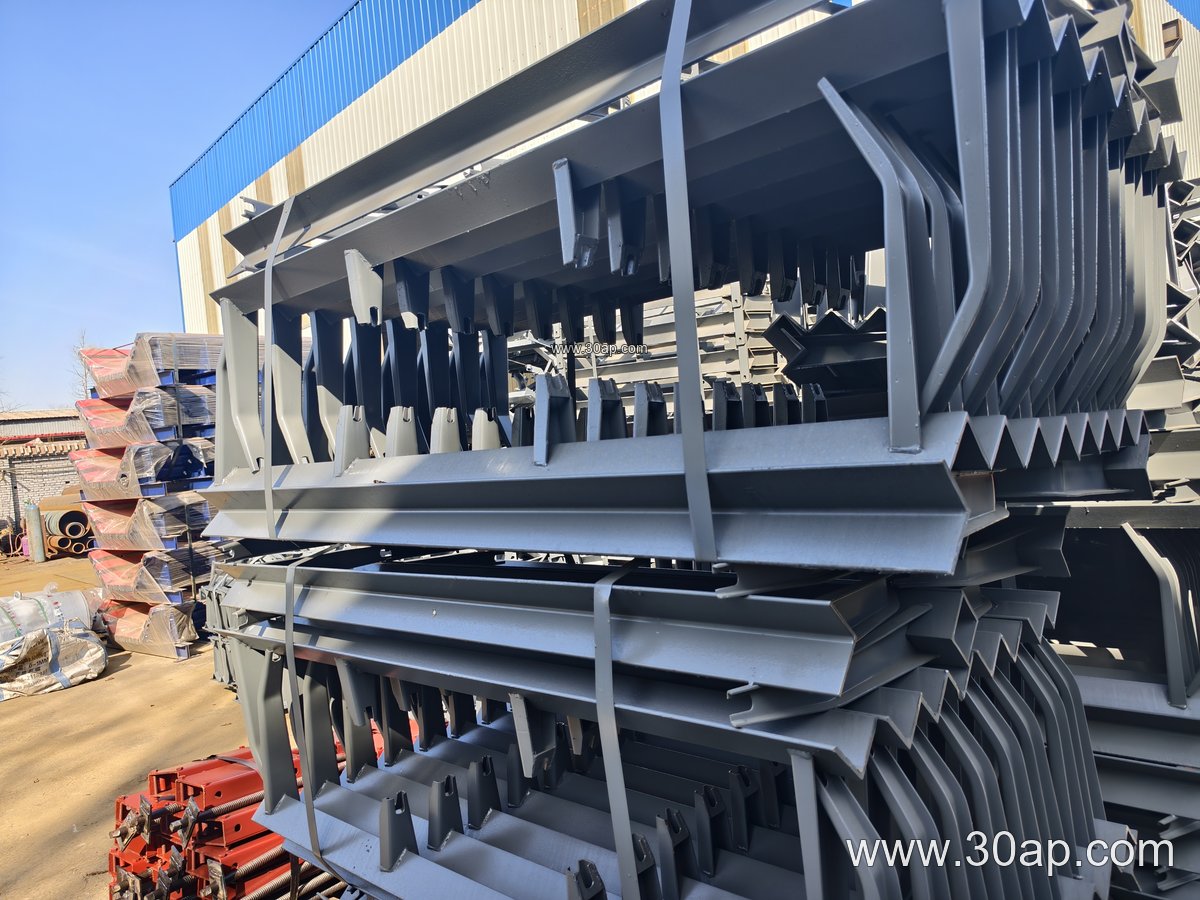
A typical fixed bracket for carrying idlers has a horizontal crossbeam and two or three mounting points. The trough angle is fixed during fabrication—often 20, 30, 35, or 45 degrees. For return idlers, a flat or V-shaped bracket may be used. The bracket bolts to the conveyor stringer, and the idler roller sits in the bracket’s slots or cradle.
Installation position depends on the idler type. Carrying brackets go on the load side, return brackets on the return side. Transition brackets near the head or tail pulley help guide the belt smoothly. Fixed brackets are also used in impact zones with buffer idlers, but the bracket itself does not absorb shock—that is the roller’s job.
Matching Belt Width, Trough Angle, and Roller Diameter
There is no fixed rule that one belt width must use one trough angle or one roller diameter. A B800 conveyor might run at 30 degrees with Ø89 rollers in a light-duty sand plant, while a B1200 conveyor in an iron ore mine could use 45 degrees and Ø133 rollers. The bracket’s mounting hole spacing and crossbeam length change with belt width and trough angle, so these are always specified per project.
Common belt widths for fixed brackets include B500, B650, B800, B1000, B1200, B1400, B1600, and B1800. Roller diameters often range from Ø89 to Ø194. The bracket must be ordered with the correct combination for the conveyor’s design, not assumed from a single dimension.
Fixed vs. Adjustable and Other Bracket Types
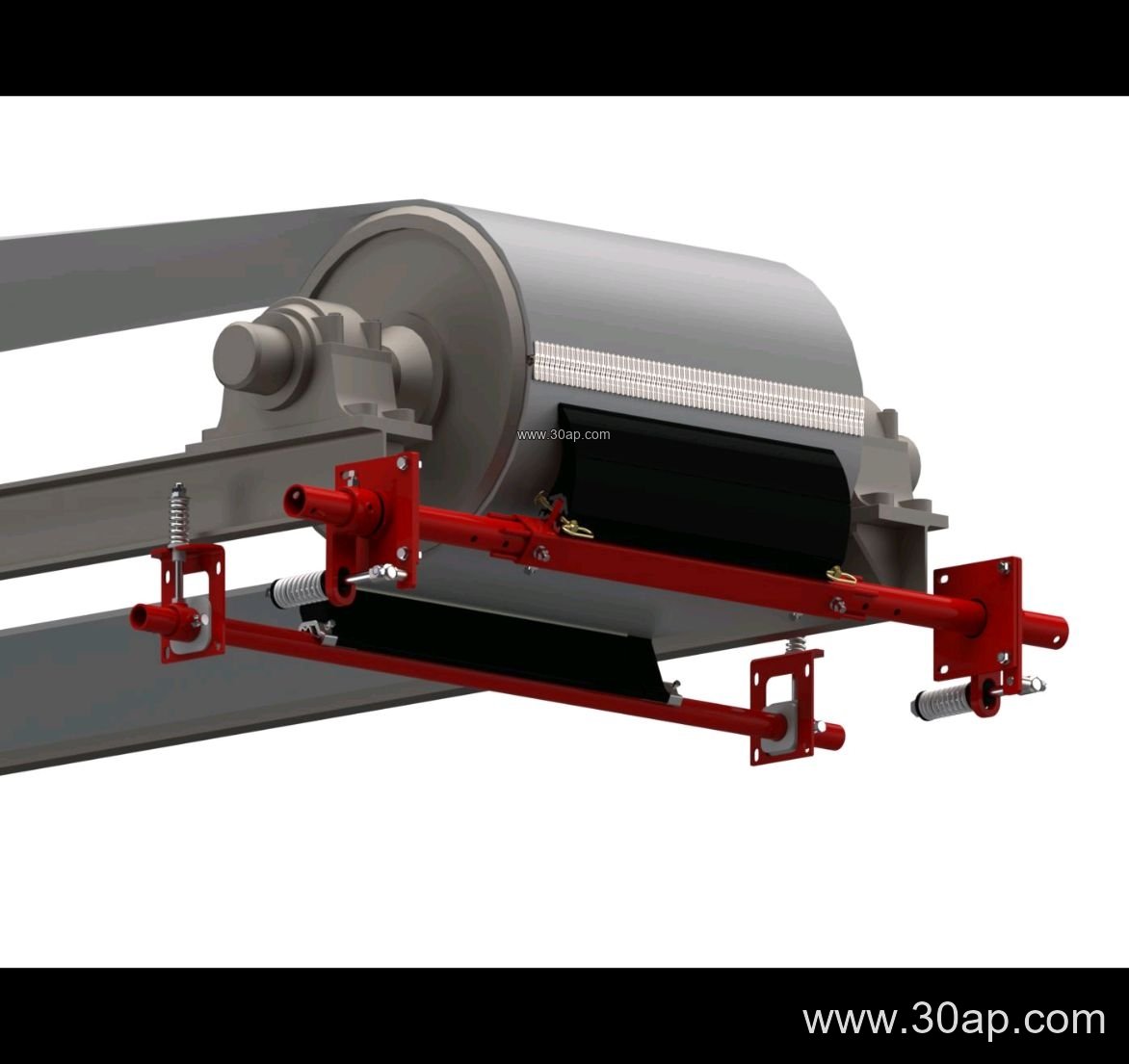
An adjustable bracket allows the trough angle to be changed between, say, 20 and 45 degrees. A fixed bracket does not. That makes fixed brackets simpler and often more rigid, but less flexible if the conveyor’s duty changes. Other subtypes—such as self-aligning brackets, forward-leaning brackets, and spiral roller brackets—serve specific tracking or cleaning functions and are not interchangeable with a standard fixed carrying bracket.
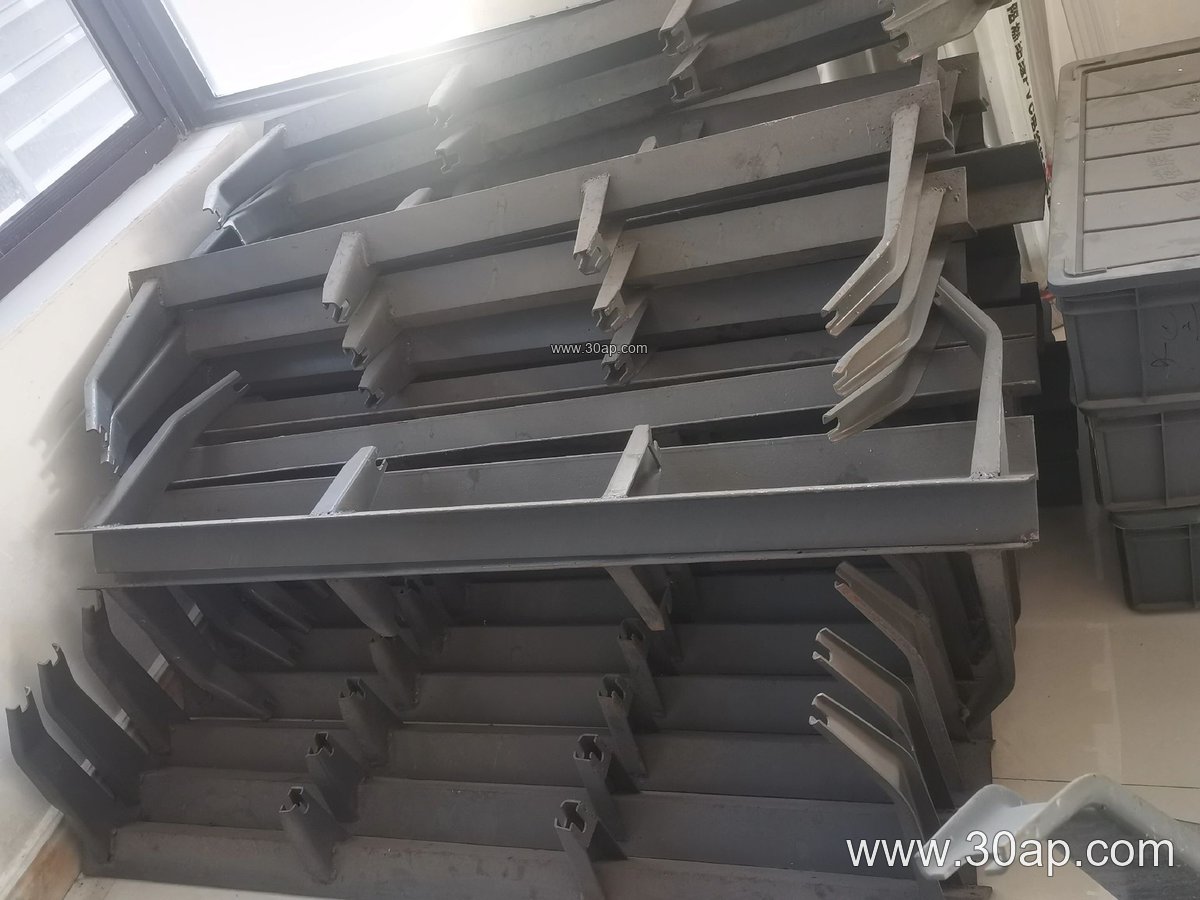
When specifying, state the bracket type clearly: carrying bracket, return bracket, transition bracket, or impact bracket. Each has a different role, and a fixed carrying bracket cannot replace a return bracket.
Industries and Operating Conditions
Fixed conveyor brackets appear in many bulk handling settings. In a cement plant, they support idlers under clinker and raw meal belts. In a power plant coal yard, they hold rollers on long overland conveyors. Sand and gravel lines, crushing and screening plants, and port ship-loading systems also use them. The bracket material and coating should suit the environment—dust, moisture, or occasional washdown.
In mines, a heavy-duty fixed bracket may be paired with a flame retardant conveyor belt or an abrasion resistant conveyor belt to handle rough conditions. The bracket does not contact the belt directly, but its alignment affects belt training and wear.
Buyer Checklist
- Confirm the conveyor belt width and the idler roller diameter the bracket will carry.
- Specify the trough angle if it is a carrying bracket, and note that it is fixed.
- State the mounting hole spacing or provide the conveyor frame drawing.
- Choose the material and surface treatment for the site—painted steel, galvanized, or otherwise.
- Order brackets by type and position; do not substitute a carrying bracket for a return bracket.
For a reliable conveyor line, the fixed conveyor bracket is a small but critical part. Pair it correctly with the conveyor pulley, idler roller, and conveyor belt, and it will keep the belt running true for the life of the installation.