What a High-Angle Conveyor Idler Does
A high-angle conveyor idler is a specialized idler roller designed to support the conveyor belt on steep inclines, typically where the belt runs at angles beyond what standard troughing idlers can handle. These idlers help maintain proper belt tracking, prevent material spillage, and reduce the risk of belt slip on slopes. In industries such as mining, quarrying, and aggregate processing, high-angle conveyors are often used to transport bulk materials up steep grades, and the idler assembly plays a critical role in keeping the belt stable and the load contained.
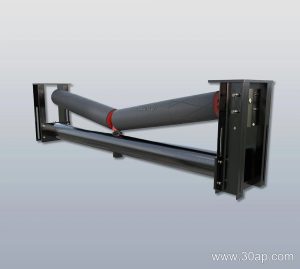
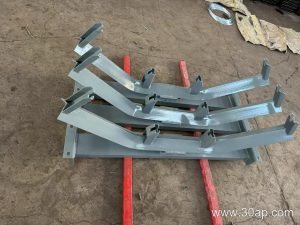
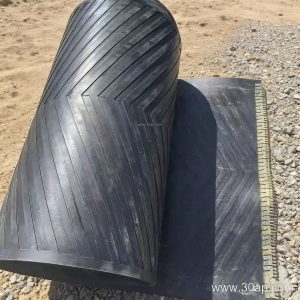
Unlike standard troughing idlers, high-angle conveyor idlers often incorporate features such as increased trough angles, side rollers with special profiles, or additional hold-down rollers to keep the belt in contact with the idler under the forces of gravity and material weight. The design must account for the tendency of material to slide back on steep inclines, so the idler assembly may be paired with chevron or skirting belts to improve grip.
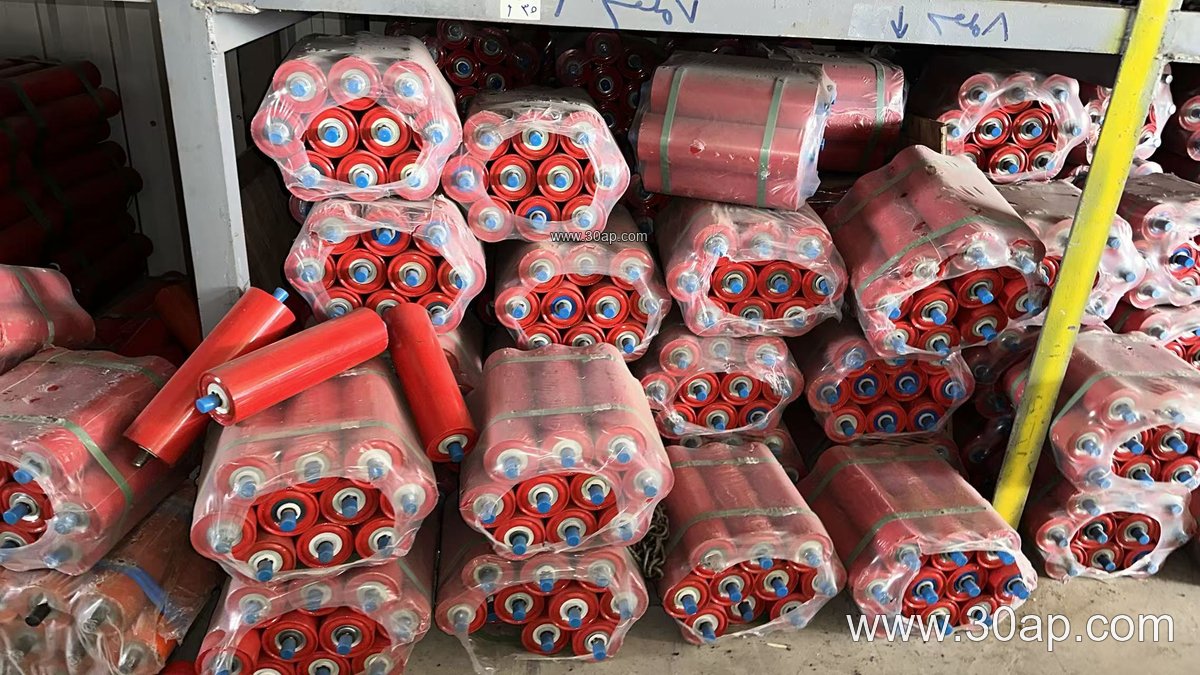
Construction and Key Components
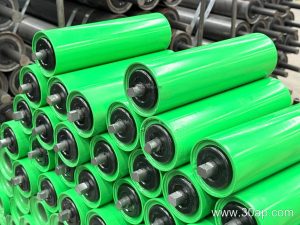
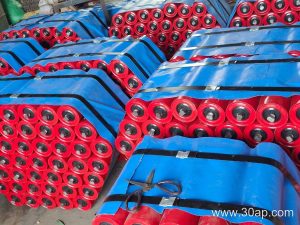
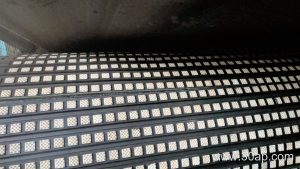
The construction of a high-angle conveyor idler generally follows the same principles as other idler rollers, but with modifications for steep-angle service. The main components include the roller shell, bearing housing, shaft, and sealing arrangement. Roller shells are commonly made of steel tube, and may be coated with rubber or ceramic for added grip or wear resistance. Bearings such as 6205 or 6306 are often used, depending on the load and diameter. Sealing is critical in dusty environments like coal mines or cement plants to prevent premature bearing failure.
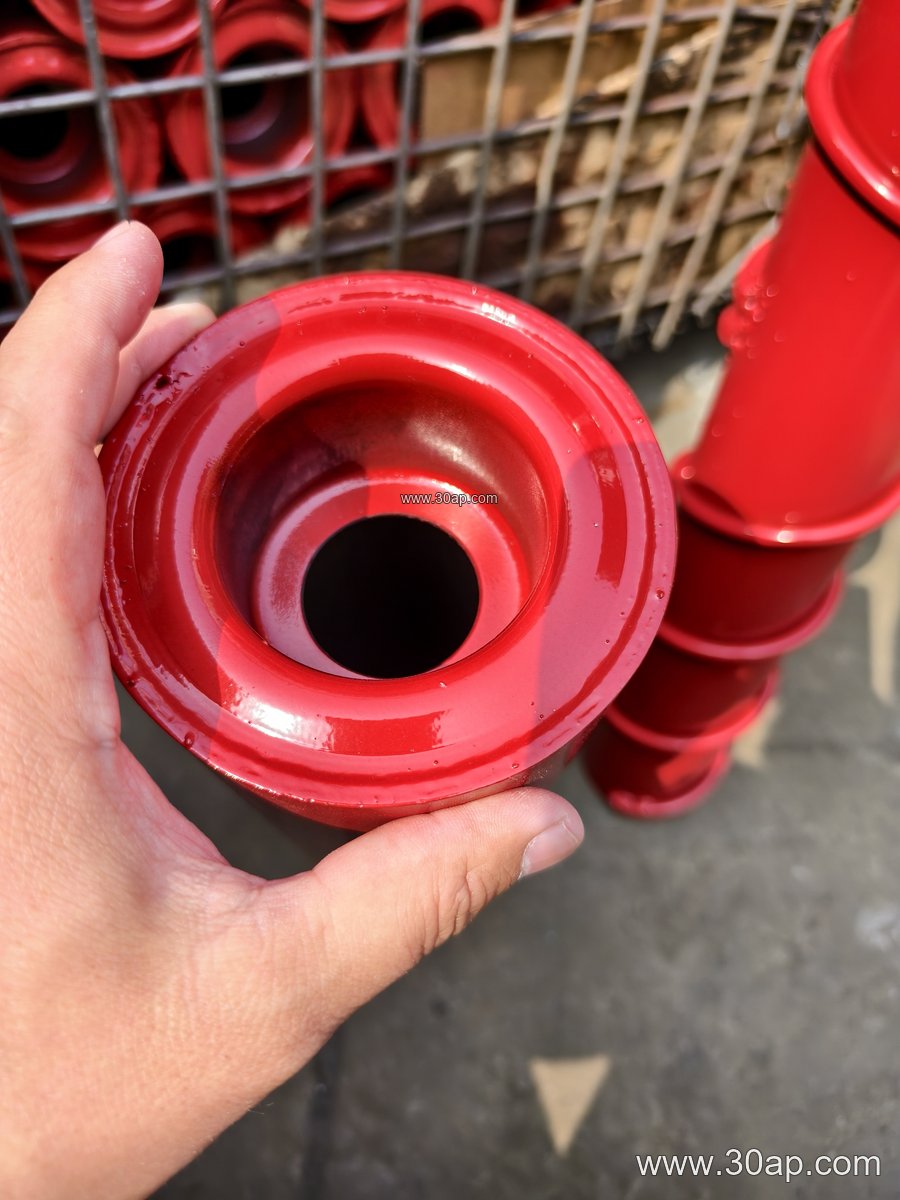
Common roller diameters for high-angle applications include Ø89, Ø108, Ø127, Ø133, and Ø159 mm, though larger diameters may be selected for heavy-duty mining conveyor belts. The idler length varies with belt width and trough configuration; for example, a three-roll troughing set for a 1000 mm belt may use rolls around 380 mm long, while a 1400 mm belt might use rolls near 530 mm. These are typical references, and actual dimensions should be confirmed with the conveyor design.
Where High-Angle Idlers Are Used
High-angle conveyor idlers are frequently found in quarry conveyor belts and mining conveyor belts where steep inclines are unavoidable. In a limestone quarry, for instance, a high-angle conveyor may lift crushed rock from the pit to the primary stockpile. In coal mining conveyor belts, especially underground mining conveyor belts, steep gradients require idlers that can keep the belt from sagging and material from rolling back. Other applications include cement plant conveyor belts feeding raw mills, power plant conveyor belts handling coal, and port conveyor belts for ship loading where space is limited and steep angles are needed.
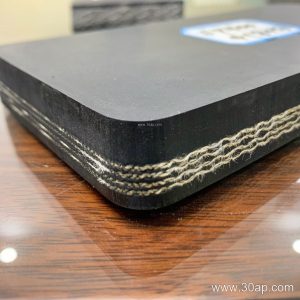
When selecting a high-angle idler, it is important to consider the conveyor belt type. A chevron conveyor belt or a corrugated sidewall conveyor belt can improve material retention on steep slopes, and the idler must be compatible with the belt’s profile. For abrasive materials such as iron ore or copper ore, abrasion resistant conveyor belts and heavy-duty idlers with reinforced shells are recommended. In underground coal mining, flame retardant conveyor belts and anti-static properties are often required, and the idler seals should be effective against fine coal dust.
Selection and Maintenance Tips
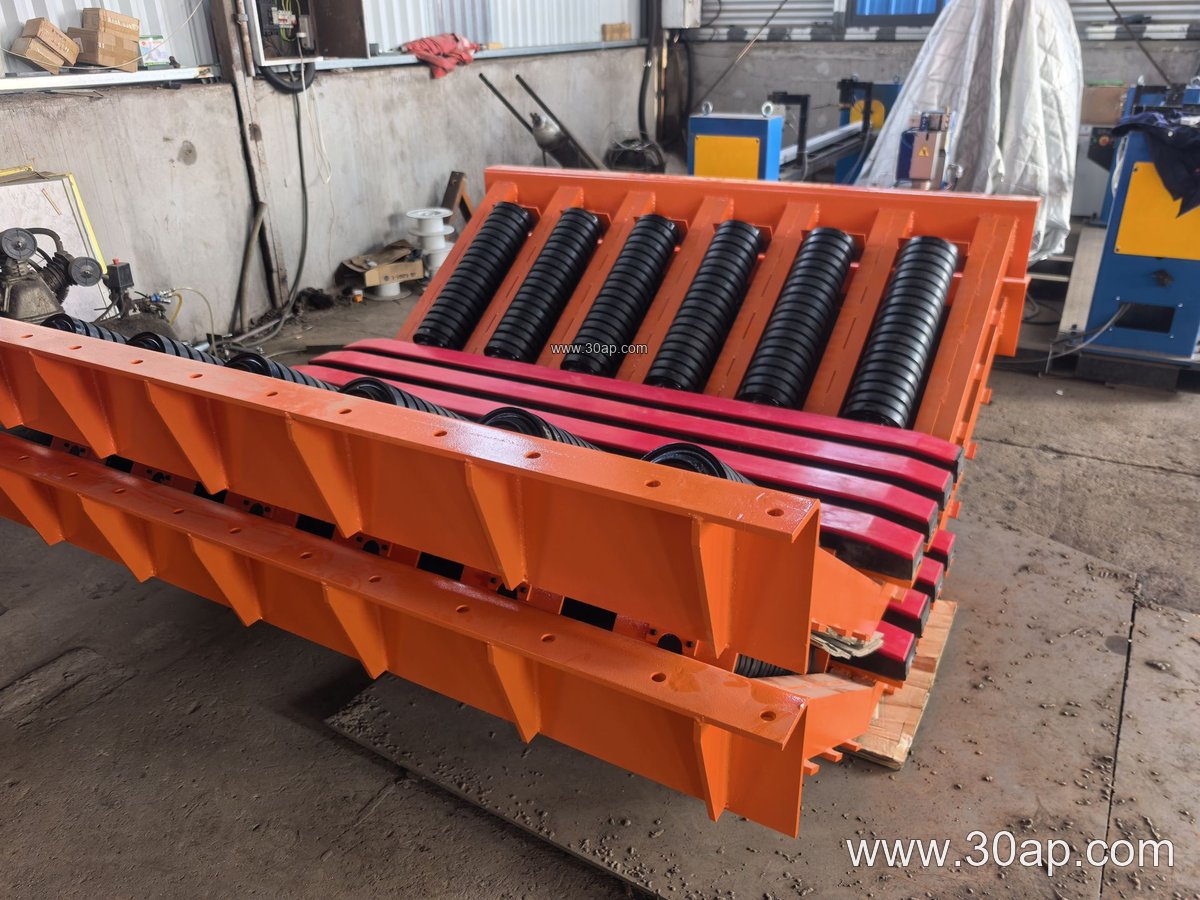
Buyers should match the idler diameter and bearing size to the belt width, speed, and load. A common mistake is to use standard troughing idlers on a steep incline without considering the increased load on the idler bearings and the tendency for the belt to misalign. High-angle idlers may need a larger shaft or reinforced brackets to withstand the additional forces. The conveyor bracket and pulley alignment also affect belt tracking on inclines, so a complete system review is advised.
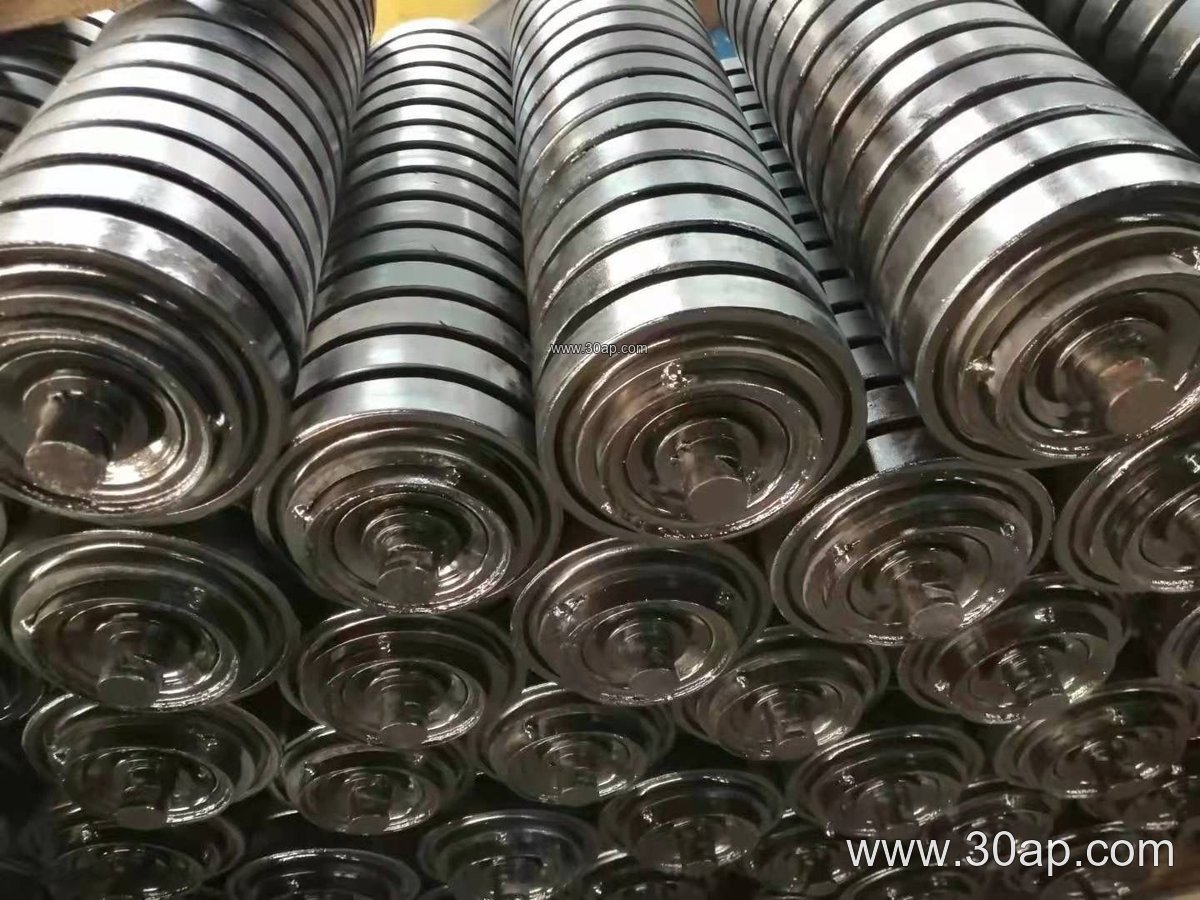
Maintenance involves regular inspection of idler rotation, seal condition, and shell wear. In dusty environments like sand making plants or stone crushing operations, idlers should be checked for material buildup that can cause belt misalignment. Lubrication-free sealed bearings are common, but seals can degrade over time, especially in high-temperature applications such as cement kilns or sinter plants, where heat resistant conveyor belts are used. Keeping idlers turning freely helps extend belt life and reduces energy consumption.
Typical Reference Dimensions
The table below gives common examples of idler sizes for different belt widths. These are for reference only and should not be taken as fixed combinations.
| Belt Width | Common Roll Length (three-roll trough) | Typical Roller Diameter Range |
|---|---|---|
| B500 | 200 mm | Ø63–Ø89 mm |
| B650 | 250 mm | Ø76–Ø108 mm |
| B800 | 315 mm | Ø89–Ø127 mm |
| B1000 | 380 mm | Ø108–Ø133 mm |
| B1200 | 465 mm | Ø108–Ø159 mm |
| B1400 | 530 mm | Ø127–Ø159 mm |
| B1600 | 600 mm | Ø133–Ø178 mm |
| B1800 | 670 mm | Ø159–Ø194 mm |
| B2000 | 750 mm | Ø159–Ø219 mm |
For high-angle service, the trough angle may be increased to 35 or 45 degrees to deepen the material cross-section. Some designs use a two-roll V-shaped idler set for better belt centering on steep inclines. Always consult the conveyor designer to confirm the idler configuration for your specific belt width, speed, and material characteristics.