What a Heavy-Duty Steel Conveyor Bracket Does on a Working Line
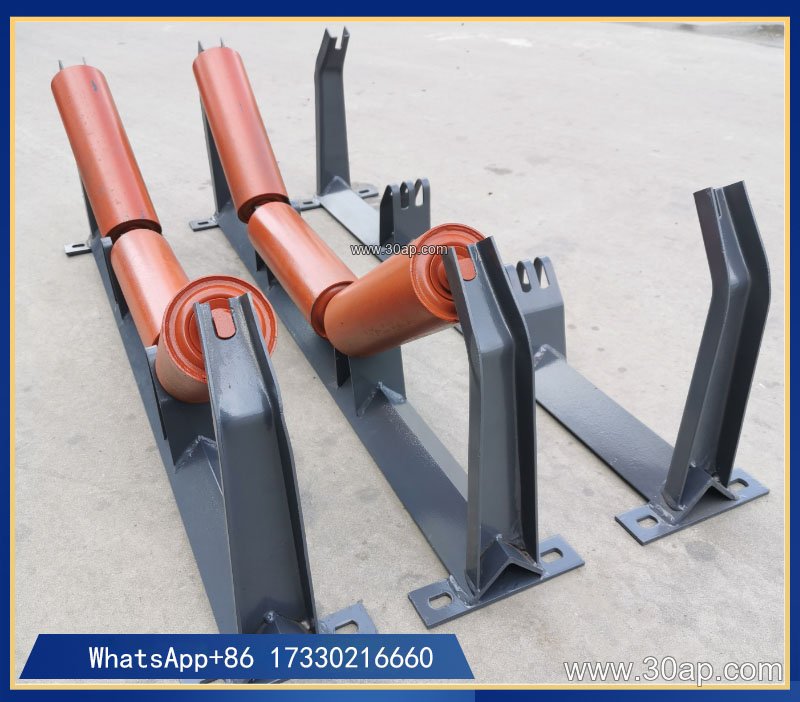
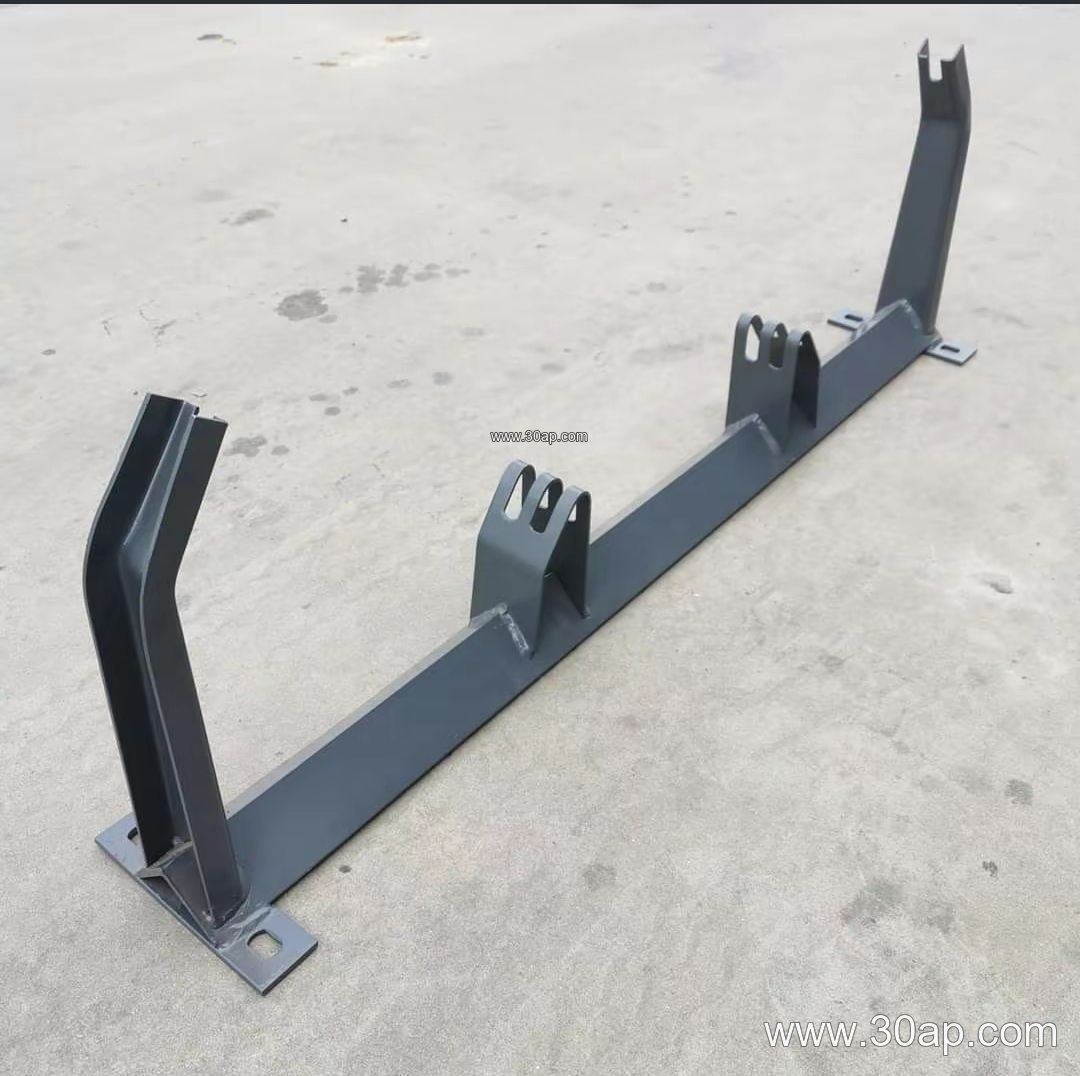
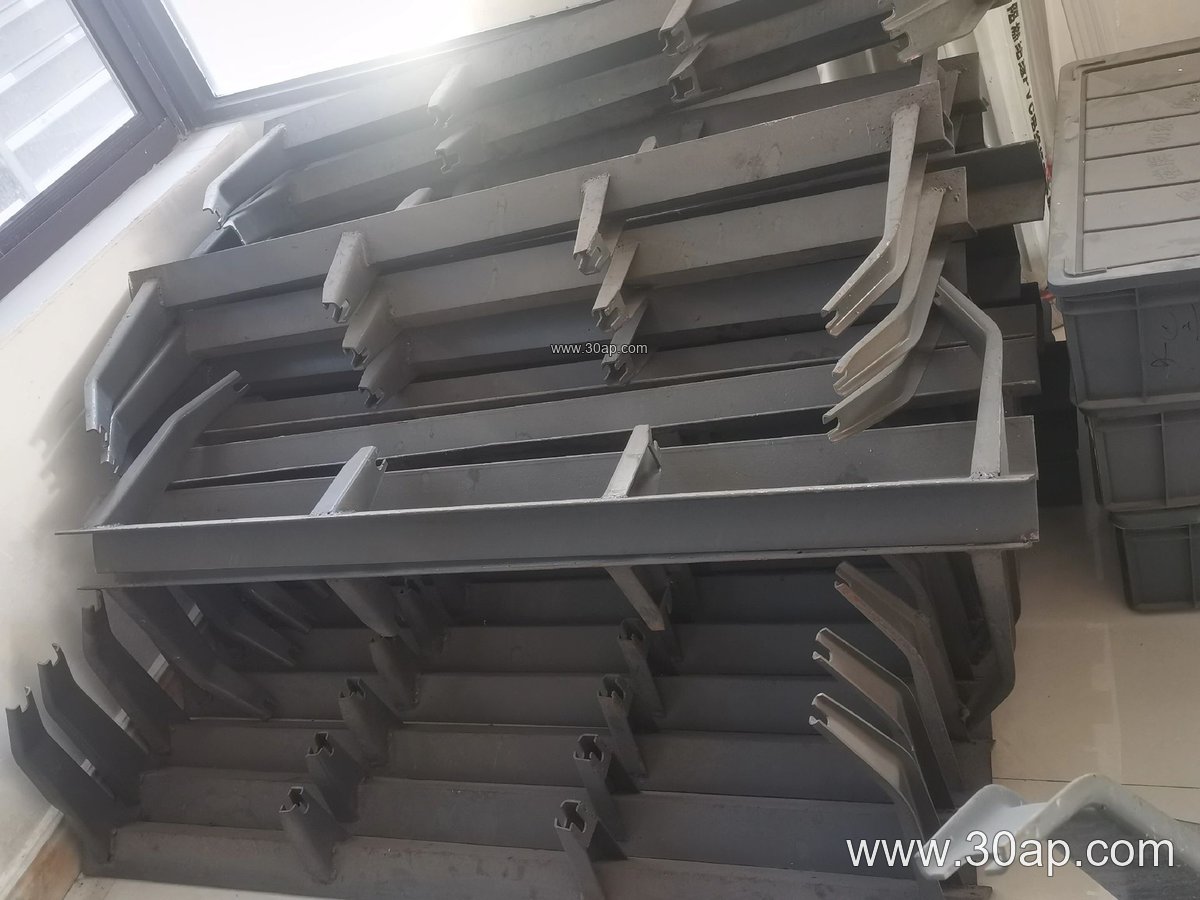
A Heavy-Duty Steel Conveyor Bracket is the structural element that holds a idler roller in position under the belt, keeping the trough shape and load path stable. In a quarry, a limestone mine, or a cement plant, the bracket is often the part that decides whether a idler roller stays aligned after months of grit, vibration, and impact. It carries the roller shaft, sets the trough angle, and transfers the load into the conveyor frame. When engineers talk about a heavy-duty steel conveyor bracket, they usually mean the same item as a heavy-duty conveyor idler support bracket, and the two terms describe one structural product, not different hardware.
How the Bracket Is Built
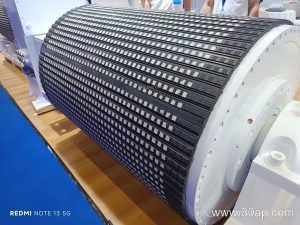
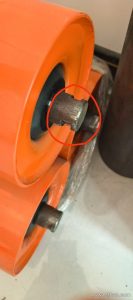
Most units are fabricated from angle steel, channel steel, or folded steel plate. The material thickness and the weld pattern are chosen for the load and the service environment. On a crushing and screening line, a heavy-duty steel conveyor bracket may be reinforced at the mounting holes where the idler roller shaft sits, because that is where wear and fatigue appear first. Hot-dip galvanizing or a heavy paint system is common where moisture and dust are present. The bracket does not work alone: it pairs with the conveyor belt, the idler roller, and the conveyor pulley to form the complete carrying side of the machine.
Common Bracket Types and Where They Sit
- Trough bracket and upper trough bracket for the carrying side, setting the trough angle.
- Transition bracket near the head or tail, easing the belt from flat to troughed.
- Return bracket and V-return bracket for the empty side.
- Impact bracket under the loading point, often combined with impact rollers.
- Self-aligning bracket and forward-leaning bracket to help control belt tracking.
- Adjustable bracket, which allows the trough angle to be changed on site.
Each type has its own mounting position, so a return bracket should not be swapped for a trough bracket, and a self-aligning bracket is not a substitute for a transition bracket. The table below shows typical reference combinations; these are common examples, not fixed rules, and the final figures are confirmed by design.
Reference Sizes for Heavy-Duty Steel Conveyor Brackets
| Belt width | Trough angle | Idler roller diameter | Typical bracket form |
|---|---|---|---|
| B500 | 20 degrees | Ø89 | Upper trough bracket |
| B650 | 30 degrees | Ø89 | Upper trough bracket |
| B800 | 35 degrees | Ø108 | Trough bracket |
| B1000 | 35 degrees | Ø108 | Trough bracket, transition bracket |
| B1200 | 45 degrees | Ø133 | Trough bracket, impact bracket |
| B1400 | 35 degrees | Ø133 | Trough bracket, return bracket |
| B1600 | 45 degrees | Ø159 | Trough bracket, V-return bracket |
| B1800 | 35 degrees | Ø159 | Trough bracket, adjustable bracket |
| B2000 | 45 degrees | Ø194 | Trough bracket, self-aligning bracket |
| B2200 | 35 degrees | Ø194 | Trough bracket, transition bracket |
A belt width does not lock the design to a single trough angle or a single roller diameter, and the shaft size should come from the roller and load calculation rather than from belt width alone. Hole spacing and crossbeam length usually change with belt width and trough angle, so the bracket drawing must match the frame.
Matching the Bracket to the Belt and the Job
On a coal mining conveyor or an underground coal mining conveyor, flame retardant conveyor belt and anti-static conveyor belt are common, and the bracket layout has to leave room for the belt edge and for tracking correction. At a power plant coal yard, a steel cord conveyor belt may run at higher tension, so the heavy-duty steel conveyor bracket needs a stiffer crossbeam and sound anchoring. In a sand and gravel plant, an abrasion resistant conveyor belt handles the wear, while the bracket handles the shock from falling stone; an impact resistant conveyor belt plus an impact bracket is a sensible pairing at the transfer point. For a fertilizer or grain silo application, a food grade conveyor belt or an oil resistant conveyor belt may be used, and a cleanable, well-painted bracket helps keep the structure tidy.
Where the belt is troughed deeply, forward-leaning brackets of about 1.5 to 2 degrees can assist centering. Where fines and water collect, a V-return bracket keeps the return belt cleaner. On a pipe conveyor belt line, the bracket design follows a different panel geometry entirely, so it should not be treated as a standard trough bracket.
What Buyers Should Check Before Ordering
- Belt width, trough angle, and roller diameter as a combined set, not as separate items.
- Mounting hole pitch and crossbeam length against the actual frame drawing.
- Steel section and plate thickness, plus the finish for the site conditions.
- Whether the position needs a fixed bracket, an adjustable bracket, or a self-aligning bracket.
- Spare parts: brackets at the loading point wear faster than those on the return side.
For coal, ore, cement, or aggregate duty, the right heavy-duty steel conveyor bracket keeps the idler roller square, protects the conveyor belt edge, and reduces unplanned stops. Buyers who compare bracket drawings with their conveyor pulley and idler roller data usually avoid the costly mismatch that shows up only after the line is running.