What a Heavy-Duty Steel Conveyor Bracket Does
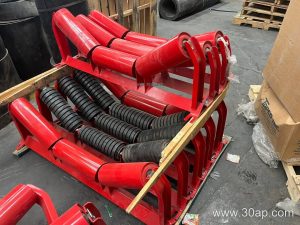
On a belt conveyor, the idler frame is often overlooked until something bends. A heavy-duty steel conveyor bracket is the structural support that carries idler rollers, holds the belt in its trough shape, and keeps the whole line aligned under load. In a quarry or a cement plant, a standard light bracket may be fine on a short transfer, but where a wide belt moves dense material all day, the bracket becomes a load-bearing component that must resist vibration, impact, and corrosion.
This article looks at how these brackets are built, where they are used, and what to check before ordering. It is about the bracket itself, not the pulley or the belt, although all three must work together.
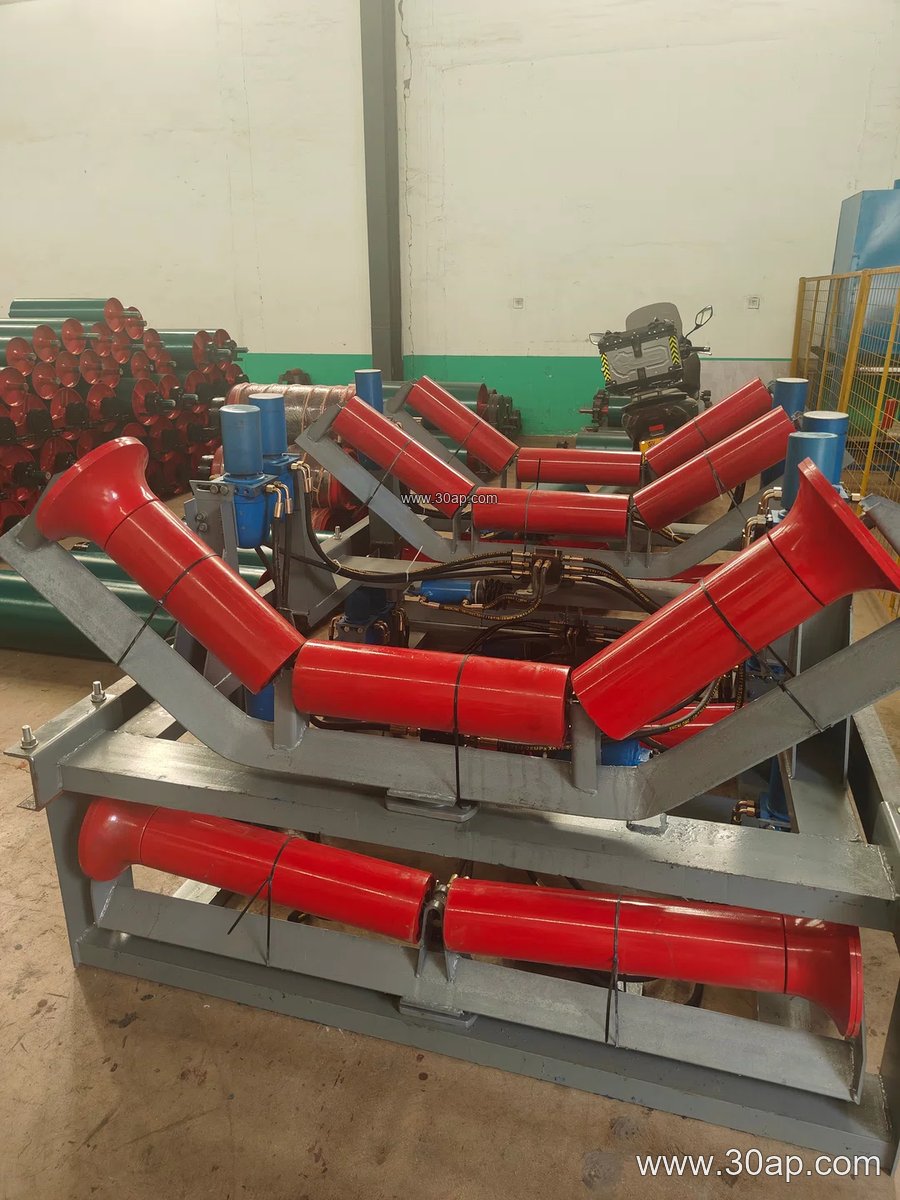
Construction and Materials
Most heavy-duty steel conveyor brackets are fabricated from angle steel, channel steel, or folded steel plate. The choice depends on the load and the mounting method. Angle steel is common for lighter carrying frames, while channel and folded plate give more stiffness for wide belts and high-impact zones. Welds should be continuous at load points, and holes are usually punched or drilled to match the idler roller shaft and the conveyor frame.
Surface treatment matters in wet or dusty plants. A painted or galvanized finish helps in coal preparation and power plant coal handling, where moisture and fines accumulate. Buyers should confirm the material thickness and the welding quality rather than relying on a nominal description alone.
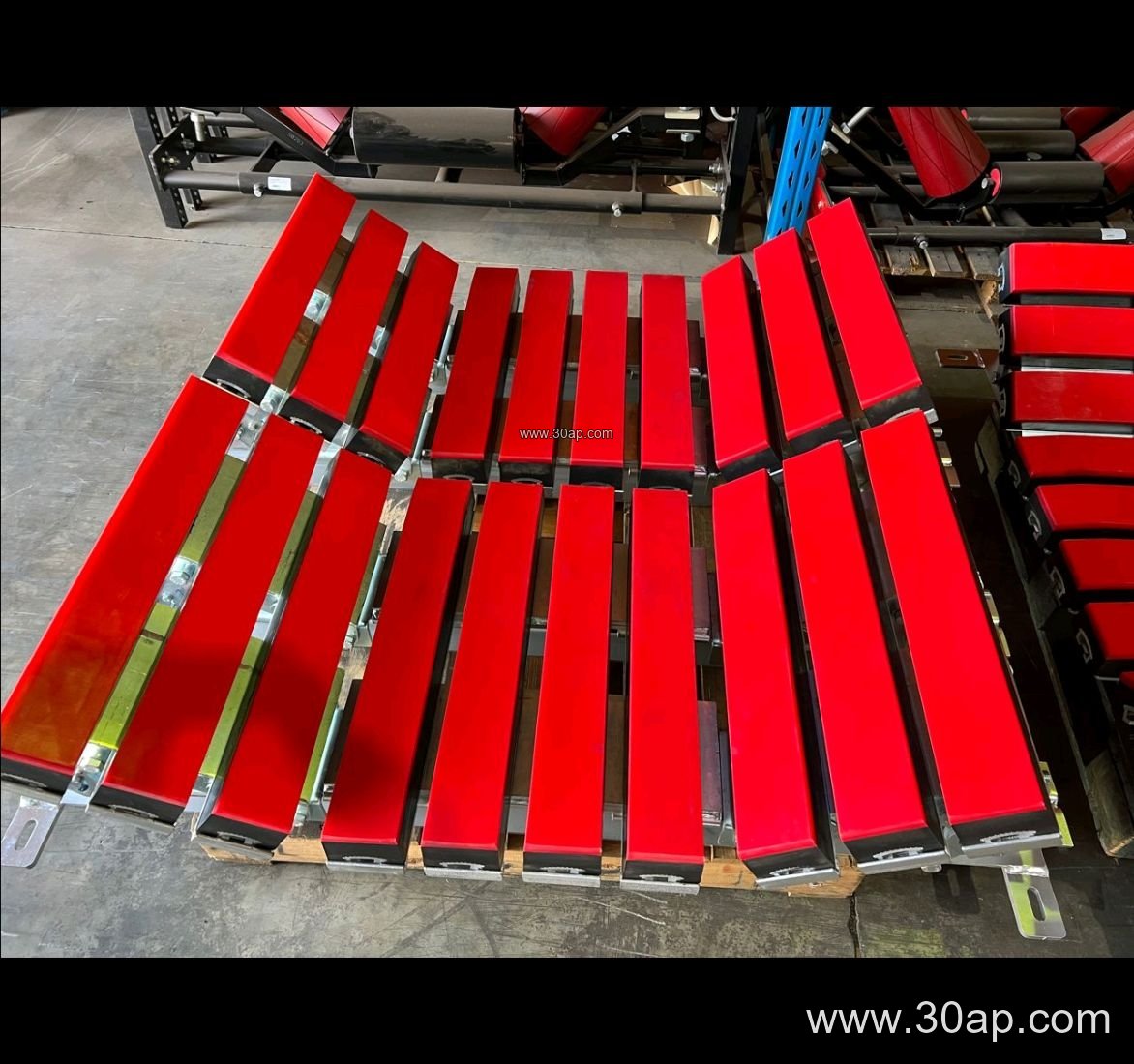
Common Types and Where They Sit
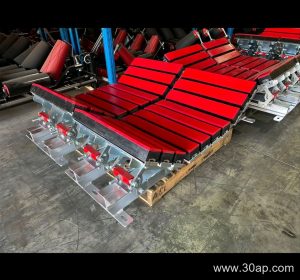
The carrying side usually uses a troughing bracket that sets the belt into a 20, 30, 35, or 45 degree trough. The return side often uses a flat or V-return bracket. Transition brackets guide the belt from flat to troughed, and impact brackets sit under loading points to absorb shock. Self-aligning and forward-tilted designs help keep the belt centered on long runs.
Adjustable brackets allow the trough angle to be changed on site, which is useful when a line is commissioned or when material characteristics change. Fixed brackets are simpler and stiffer. Neither is universally better; the decision follows the belt width, the material, and the maintenance approach.
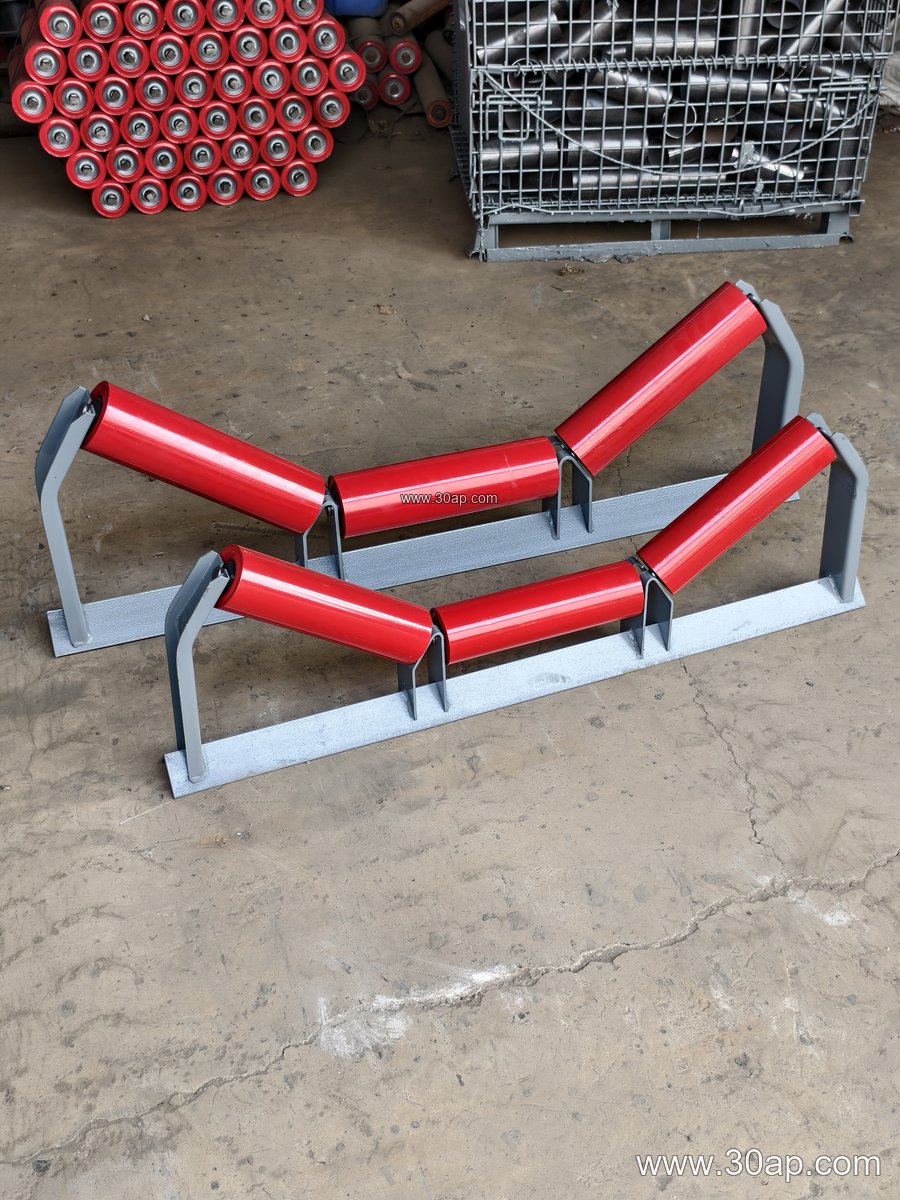
Matching Bracket, Belt, and Roller
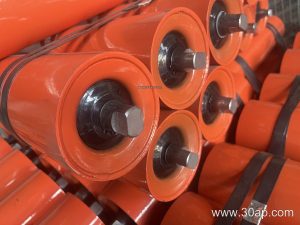
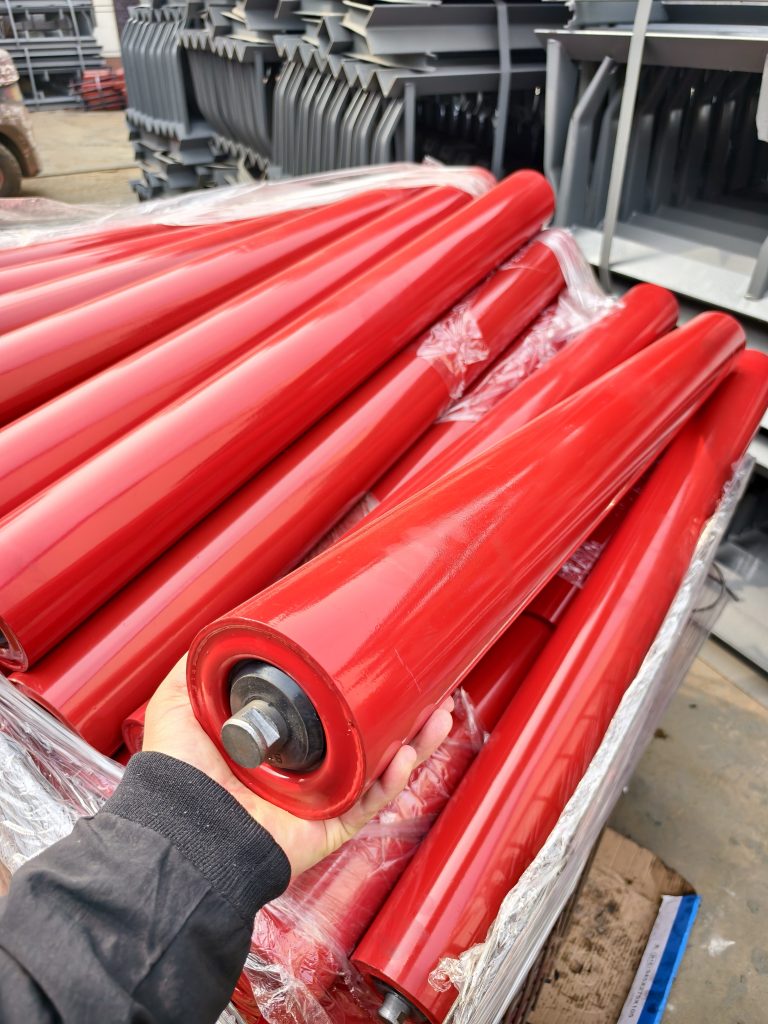
Bracket selection is not a single-number decision. A B800 belt with a 35 degree trough and Ø108 rollers is a common combination, but a B1200 line with 45 degree troughing and Ø133 rollers is equally normal. A B650 conveyor with 30 degree troughing and Ø89 rollers may suit a smaller aggregate line. These are reference examples, not fixed rules. Installation hole spacing and beam length vary with belt width and trough angle, so the bracket should be confirmed against the actual frame drawing.
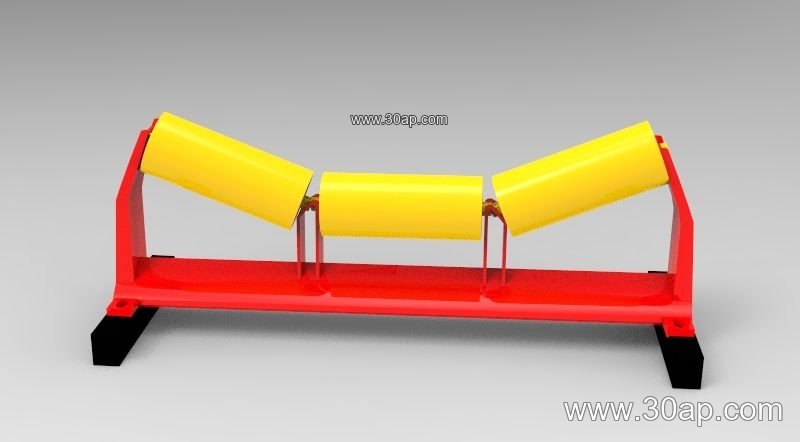
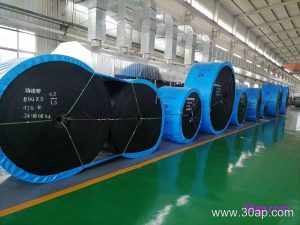
The belt itself influences the choice. A heavy abrasion resistant conveyor belt running over a crusher discharge puts more stress on impact brackets than a smooth EP conveyor belt on a clean transfer. In coal mining, a flame retardant conveyor belt is often paired with robust frames and self-aligning brackets to reduce spillage and belt wander.
Typical Service Environments
Heavy-duty steel conveyor brackets appear in stone crushing and screening lines, where dust and shock loads are constant. In cement plants they support clinker and raw material belts. In power plant coal handling and washing plants, corrosion resistance and alignment matter. Ports and ship loading systems use wide belts where bracket stiffness controls belt sag. The same bracket family also appears in iron ore and copper ore handling, fertilizer plants, and tunnel spoil removal.
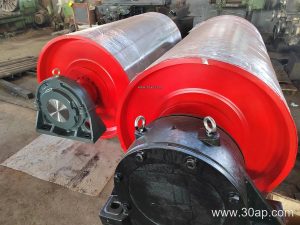
In every case, the bracket works with the conveyor pulley, the idler roller, and the belt, not in isolation. A weak bracket shows up as belt misalignment, premature roller failure, or spillage at transfer points.
Buyer Checklist
- Confirm belt width and trough angle before ordering; do not assume one size fits all.
- Check roller shaft diameter and mounting hole spacing against the frame drawing.
- Ask for material thickness and finish, especially for wet or corrosive service.
- Decide between fixed and adjustable brackets based on commissioning needs.
- Match impact brackets to loading conditions, not just to belt width.
For related components, buyers often review the conveyor belt, idler roller, and conveyor pulley specifications together with the bracket drawing. A bracket that fits the frame and the roller is the one that lasts.