What a 1400mm Diameter Conveyor Pulley Is
A 1400mm diameter conveyor pulley is a large-diameter drum used to drive, tension, or redirect a conveyor belt in demanding bulk material handling systems. At this size, the pulley is typically found in high-capacity installations where belt tensions are substantial and the pulley must transmit significant torque without excessive belt stress. While drive, tail, and bend pulleys serve distinct functions, this article focuses on the 1400mm diameter conveyor pulley as a heavy-duty component, often specified for main drive or high-tension tail positions in quarry, cement, and power plant conveyors.
Because of its large diameter, this pulley reduces the bending stress on the conveyor belt as it wraps around the drum. It is commonly paired with wide belts, such as 1400mm or 1600mm wide conveyor belts, and may be used in systems handling abrasive materials like limestone, clinker, or coal. For operators in the aggregate or mining sector, a 1400mm diameter pulley can be a critical part of the head drive or tensioning arrangement.
Construction and Design Features
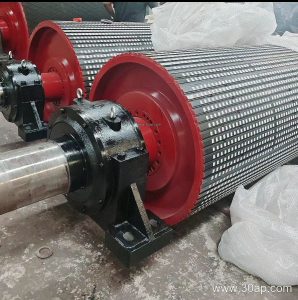
The construction of a 1400mm diameter conveyor pulley typically involves a welded steel shell, end discs, and a shaft sized to the torque and load requirements. Common shaft diameters for pulleys of this size may range from Ø160 to Ø200, though the final shaft size is determined by the conveyor designer based on belt tension and bending moments. The pulley face width is usually wider than the belt to allow for misalignment; for example, a B1400 belt might run on a pulley with approximately 1600mm face width.
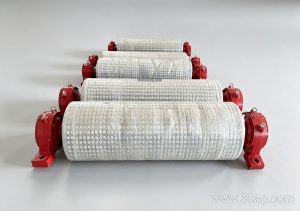
Surface options include plain steel, rubber lagging, and ceramic lagging. Rubber lagging in thicknesses of 10mm, 12mm, or 15mm is often chosen to improve friction between the pulley and the conveyor belt, especially in wet or dusty conditions. Diamond or chevron grooving can help with water drainage and material shedding. For high-abrasion applications, such as those found in iron ore or copper ore handling, ceramic lagging may be specified to extend pulley life.
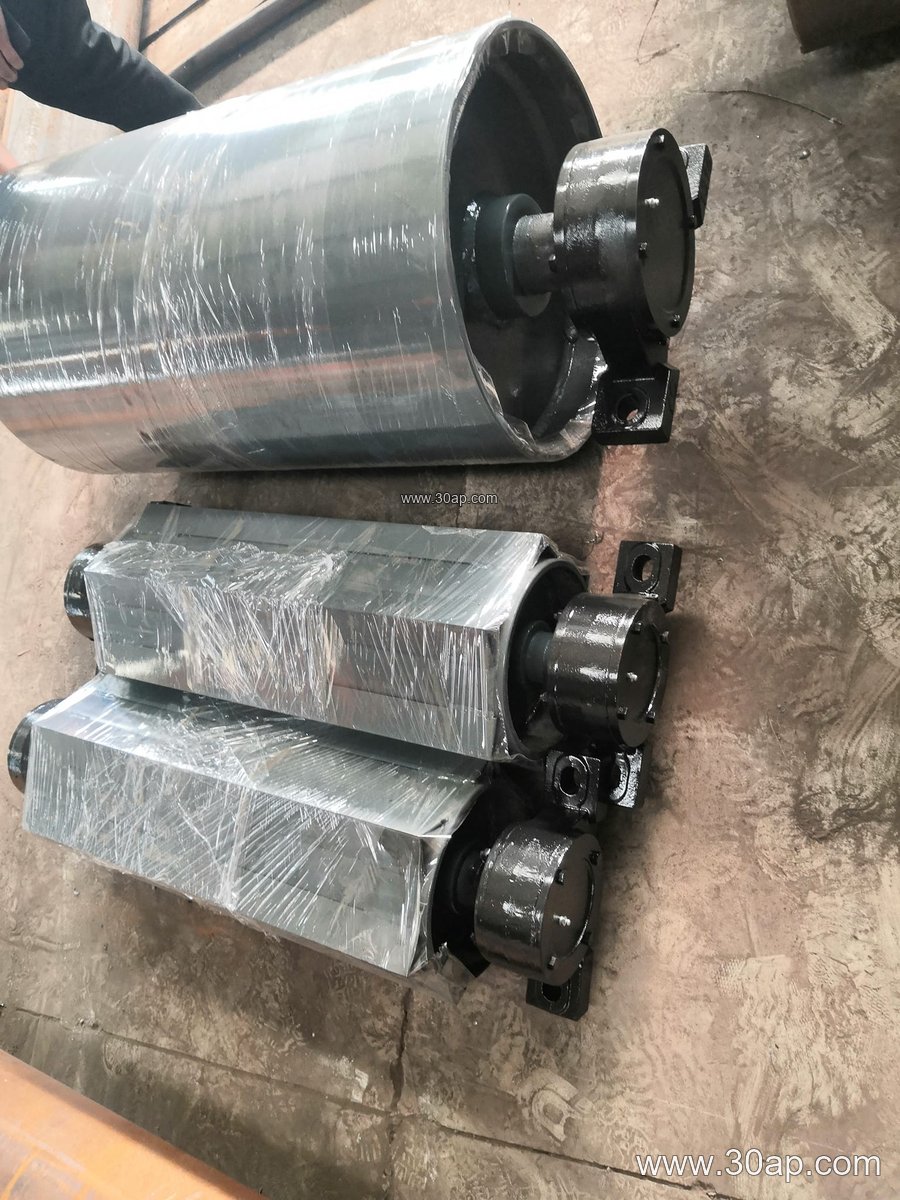
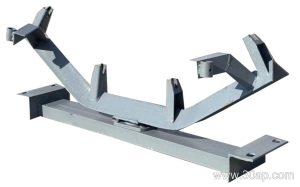
The pulley is usually supported by conveyor brackets that are bolted to the conveyor frame. These brackets must be sturdy enough to handle the dynamic loads from the belt and material. When selecting a 1400mm diameter pulley, engineers also consider the type of conveyor belt it will run with—whether an EP conveyor belt, a steel cord conveyor belt, or a flame retardant conveyor belt for underground coal mining—as the belt’s flexibility and tension rating affect the pulley design.
Typical Applications and Industries
Large-diameter pulleys are common in the cement industry, where long overland conveyors transport raw meal or clinker. In a cement plant, a 1400mm diameter conveyor pulley might serve as the main drive pulley at the head of a belt conveyor, working in conjunction with idler rollers and a heavy-duty abrasion resistant conveyor belt. The pulley’s size helps handle the high belt tensions required for long distances.
In the power plant sector, coal handling systems often use wide belts and large pulleys to move fuel from stockpile to boiler. A 1400mm diameter pulley could be part of a coal conveyor that uses a fire resistant conveyor belt or an anti-static conveyor belt to meet safety requirements. Similarly, in quarry and aggregate operations, this pulley size may be found on primary or secondary conveyors that carry crushed stone and gravel, often paired with an EP conveyor belt or a multi-ply fabric core conveyor belt.
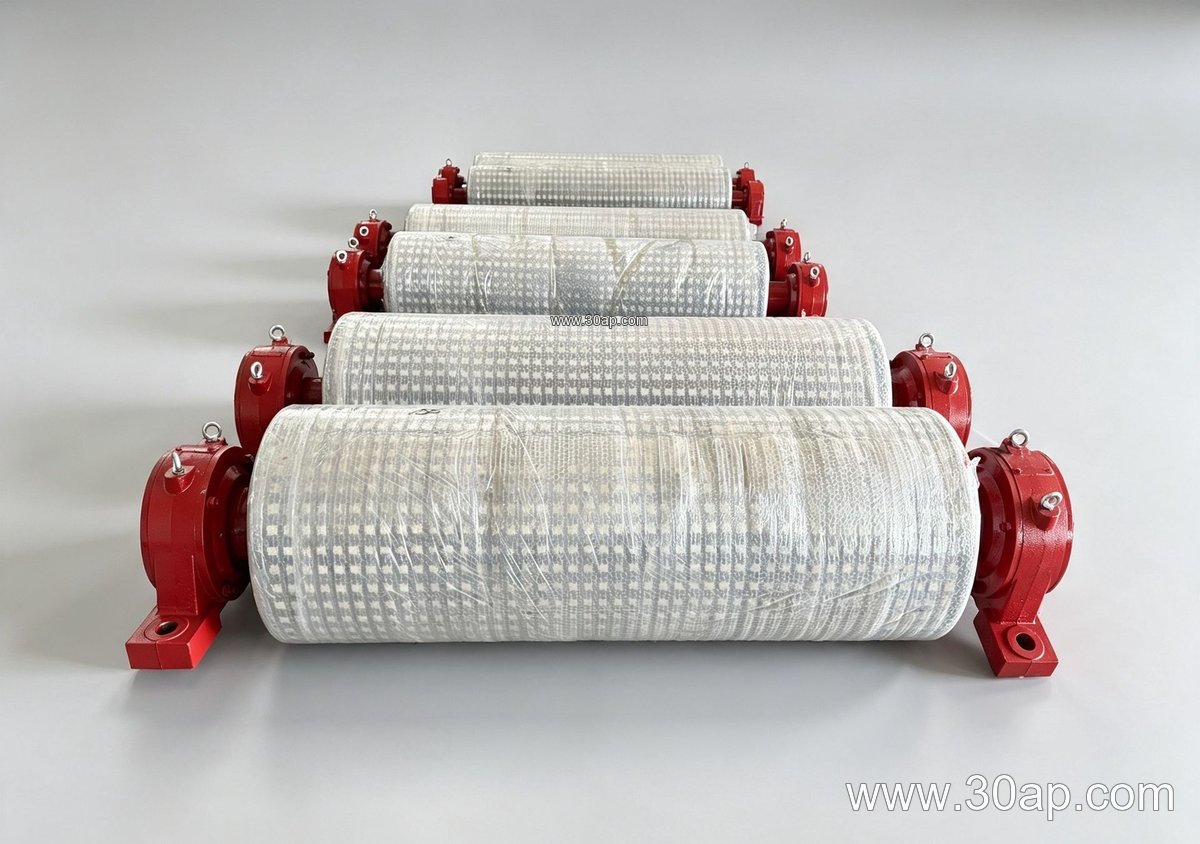
Other industries include port bulk terminals, where ship loading conveyors may require large pulleys to handle high capacities, and steel plants, where sinter or pellet conveyors operate in harsh conditions. In each case, the 1400mm diameter conveyor pulley is selected to match the belt width, speed, and tension of the system, not as a universal solution but as a component engineered for specific duty.
Specification Considerations for Buyers
When specifying a 1400mm diameter conveyor pulley, buyers should provide the belt width, belt type, and operating tension to the pulley manufacturer. The pulley face width should be wider than the belt; for a B1200 belt, a face width of about 1400mm is typical, while a B1400 belt might use a 1600mm face. The shaft diameter is not determined by belt width alone—it must be calculated from the torque and radial loads. Common shaft sizes for this pulley diameter range from Ø140 to Ø200, but the final value depends on the application.
Lagging selection is another key decision. For abrasive materials like sand or ore, a rubber lagging with 12mm or 15mm thickness may be appropriate. In coal mining, flame retardant conveyor belts and anti-static properties are critical, and the pulley lagging should be compatible with these requirements. The pulley should also be balanced for the intended belt speed to avoid vibration.
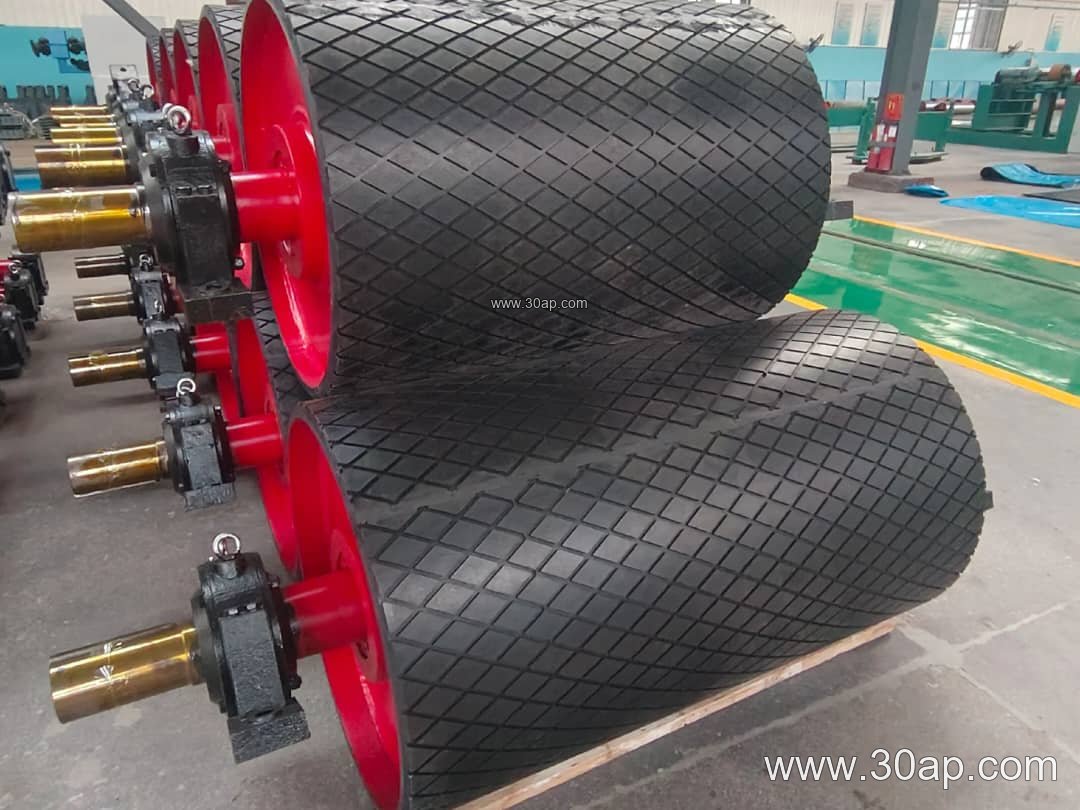
Maintenance is relatively straightforward: periodic inspection of lagging wear, checking for loose bolts on the conveyor bracket, and verifying shaft alignment can prevent unplanned downtime. Lubrication of bearings should follow the manufacturer’s recommendations. Because a 1400mm diameter pulley is a significant investment, buyers should request a detailed drawing and material certificates to ensure the pulley meets the conveyor’s design life.
For more information on conveyor pulleys and related components, visit our site at www.example.com/conveyor-pulley. Our range includes options for various belt widths and industrial applications.
Matching the Pulley to the Conveyor Belt
The interaction between the pulley and the conveyor belt is crucial. A 1400mm diameter pulley provides a larger contact arc, which can improve traction and reduce belt slip when used as a drive pulley. This is particularly beneficial when the belt is a high-strength conveyor belt or a steel cord conveyor belt that requires careful handling. However, the pulley diameter must be compatible with the belt’s minimum pulley diameter requirement, which is often specified by the belt manufacturer to prevent excessive bending stress.
In systems using a pipe conveyor belt or a corrugated sidewall conveyor belt, the pulley design may need special consideration for cleats or sidewalls. While a 1400mm diameter pulley is not typically used with small-radius pipe conveyors, it can be found in large-scale bulk material conveyor belts where the belt is flat and wide. For chevron conveyor belts, the pulley should be lagged to maintain good contact without damaging the cleats.
Ultimately, the 1400mm diameter conveyor pulley is a robust component suited to heavy-duty applications where reliability and longevity are paramount. By understanding its construction, typical uses, and specification factors, buyers can make informed decisions for their conveyor systems.