What a Large Drive Pulley Does
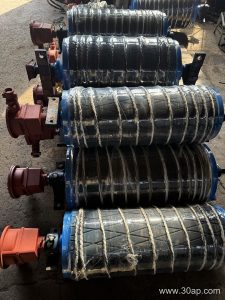
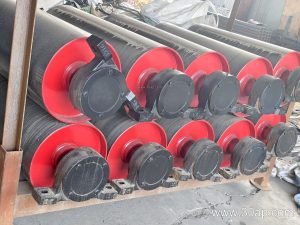
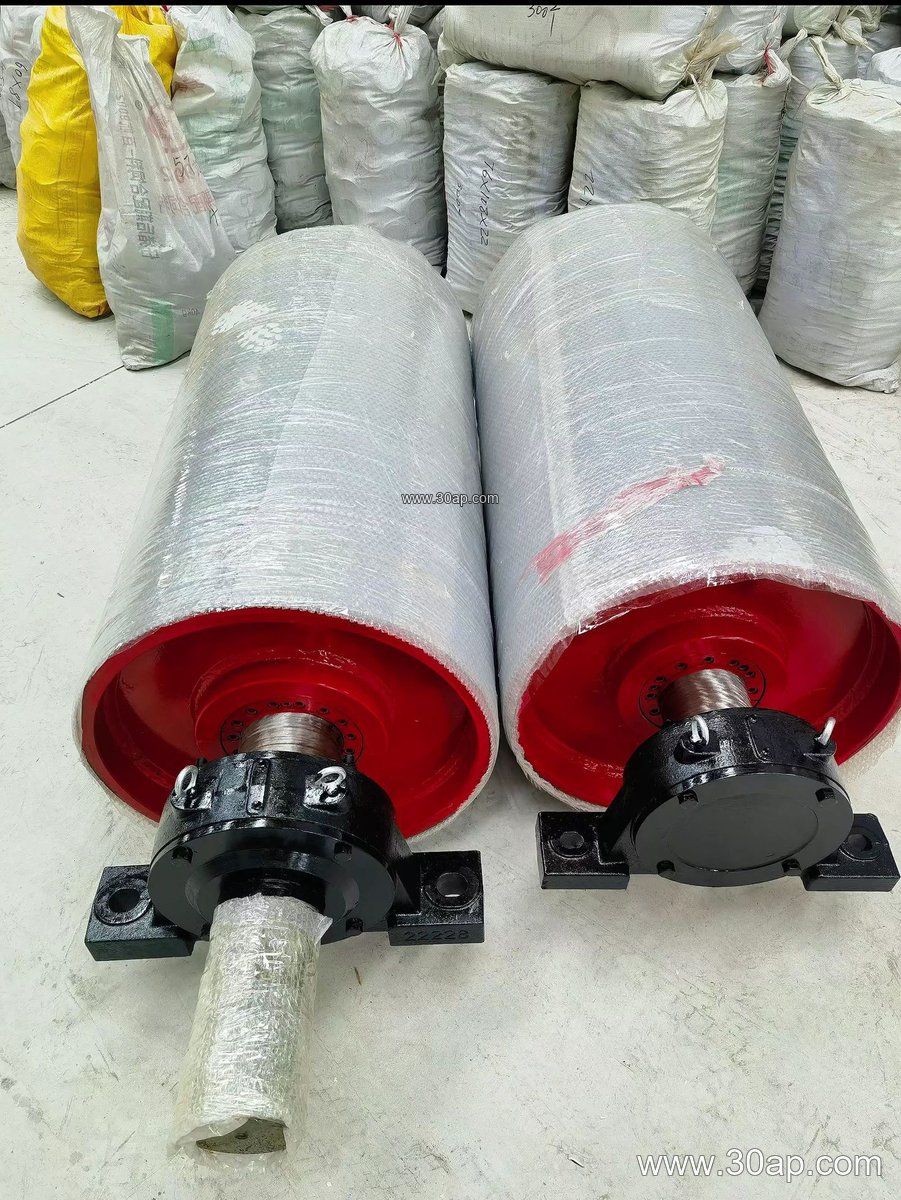
A large drive pulley is the powered drum at the head of a conveyor that transfers torque to the belt and keeps bulk material moving. In quarry and aggregate lines, it is often the single largest rotating component on the conveyor frame. The same product is also called a head pulley or head drum, and those names refer to this driven drum, not to a tail pulley or a bend pulley, which serve different positions and duties.
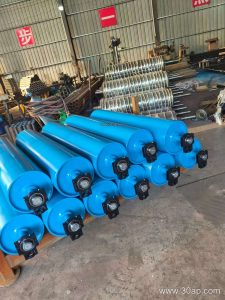
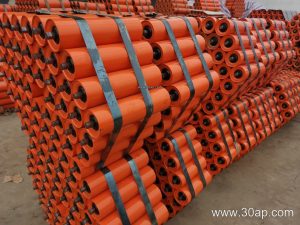
Because it carries the full driving force, a large drive pulley must match the conveyor belt width, the expected tension, and the duty cycle. It works together with the conveyor belt, idler rollers, and conveyor brackets to form a stable transport path.
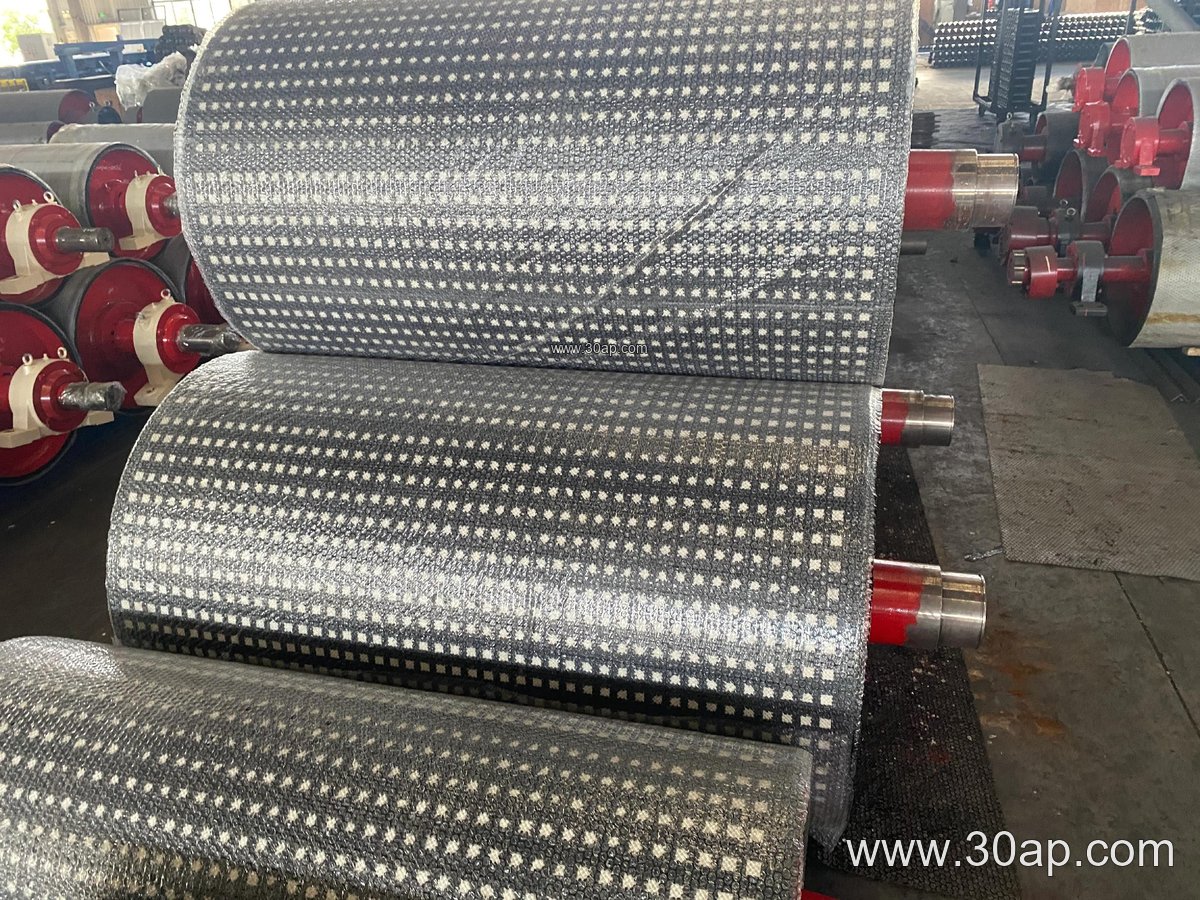
Construction and Surface Options
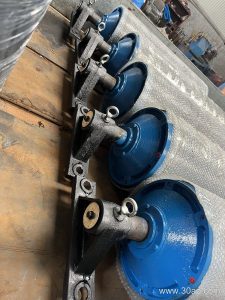
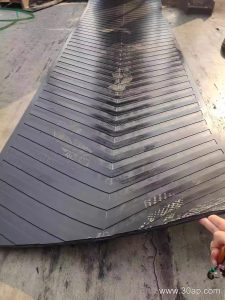
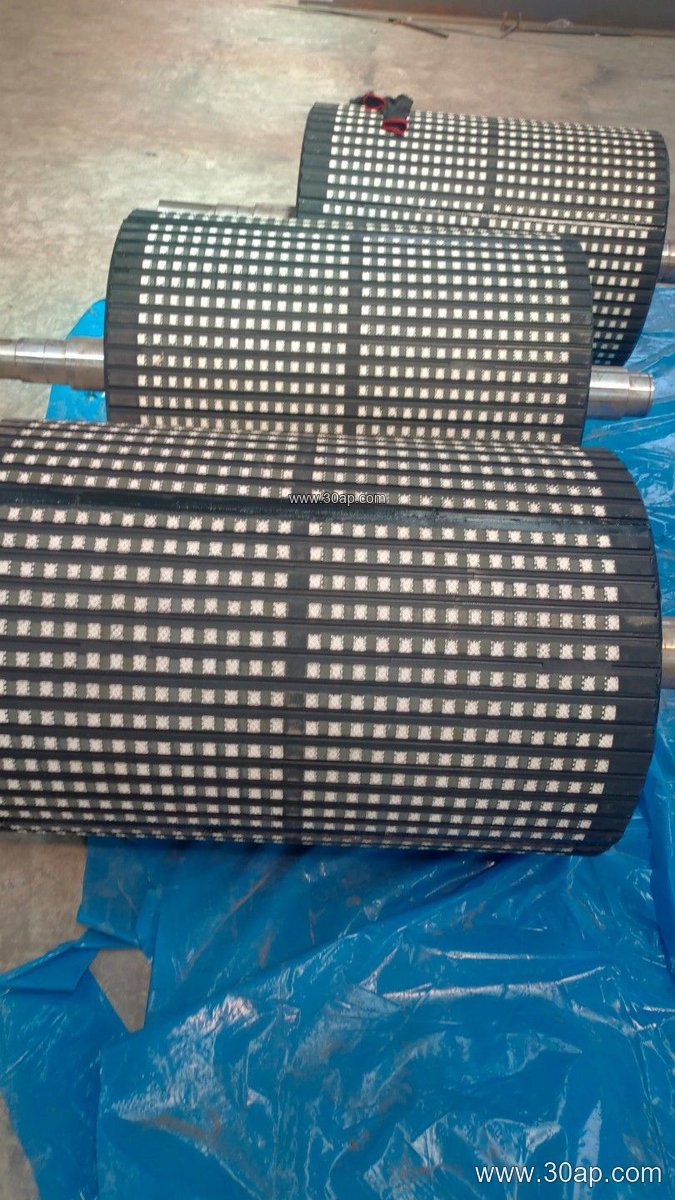
The drum body is usually a welded steel shell with end discs and a shaft, machined for balance and concentricity. Surface treatment is selected for grip and wear life. Common surface forms include plain, cast rubber, cold-bonded rubber, hot-vulcanized rubber, diamond grooving, herringbone grooving, and ceramic lagging. Lagging thickness is commonly 8, 10, 12, 15, or 20 mm, depending on the application.
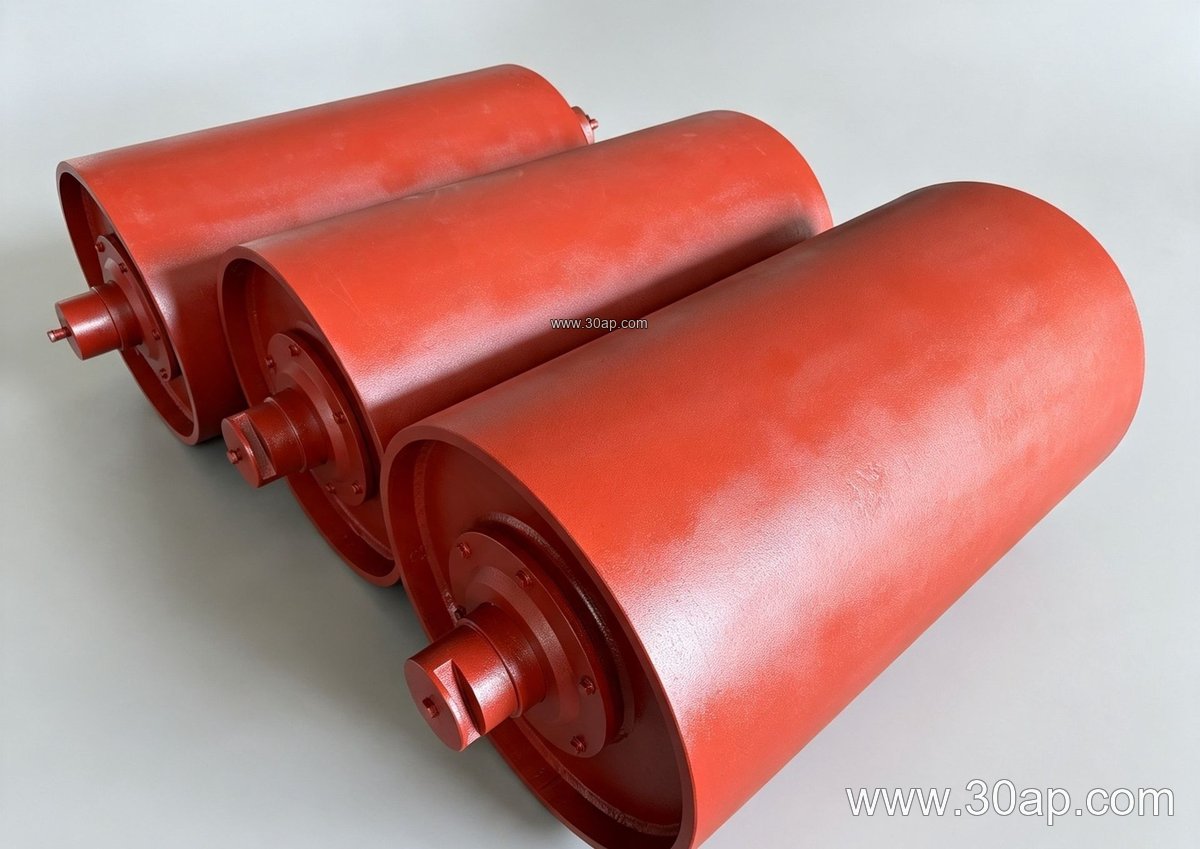
For a large drive pulley, diamond or herringbone lagging helps shed water and fines in wet or dusty service. Ceramic lagging is often considered where slip and abrasion are both concerns. The pulley shell width is usually greater than the belt width, for example about 1400 mm for a B1200 belt or about 1800 mm for a B1600 belt. Diameter and shaft size are determined by torque, belt tension, and bearing load, not by belt width alone.
Where It Fits in the Plant
Large drive pulleys appear in a range of bulk handling operations. In a limestone quarry or stone crushing line, they drive primary and secondary conveyors that carry blasted rock and screened aggregate. In a coal washing plant or power plant coal yard, they handle continuous flow under dusty conditions. Cement plants use them on clinker and raw material conveyors, while port bulk terminals rely on them for ship loading and stockyard belts.
The drive pulley is normally installed at the discharge end, where the belt unloads. It should not be confused with a bend pulley used to change belt direction, or a tail pulley at the loading end. Each position has its own load profile and lagging requirement.
Matching the Pulley to the Belt and Duty
Selection starts with the conveyor belt specification. A heavy-duty mining conveyor belt or a high abrasion resistant conveyor belt may require a larger drum diameter to reduce bending stress in the carcass. Steel cord conveyor belts and thick fabric core belts generally need larger diameters than thin EP or NN belts. The table below shows common reference combinations, not fixed rules.
| Belt width | Common pulley diameter | Typical shell width |
|---|---|---|
| B800 | Ø500 to Ø800 | about 950 mm |
| B1000 | Ø630 to Ø1000 | about 1150 mm |
| B1200 | Ø800 to Ø1000 | about 1400 mm |
| B1400 | Ø800 to Ø1250 | about 1600 mm |
| B1600 | Ø1000 to Ø1400 | about 1800 mm |
For a large drive pulley on an EP conveyor belt or a steel cord conveyor belt, the shaft diameter is commonly selected from a range such as Ø100, Ø120, Ø140, Ø160, Ø180, or Ø200 mm after torque and bearing calculations. Do not assume a shaft size from belt width alone.
Buyer Checklist
- Confirm the belt type and duty: abrasion resistant conveyor belt, heat resistant conveyor belt, flame retardant conveyor belt, or oil resistant conveyor belt each affect lagging choice.
- Check pulley position: head, tail, bend, take-up, or snub. A large drive pulley is a head drum, not a substitute for other positions.
- Review lagging thickness and pattern against wet, dusty, or high-torque conditions.
- Verify shell width, diameter, and shaft dimensions against the conveyor frame and bearing housings.
- Plan maintenance access for lagging wear inspection and bearing lubrication.
Inspect lagging and shaft alignment regularly, especially in abrasive service such as iron ore or copper ore handling. A well-matched large drive pulley keeps the conveyor belt tracking stable and reduces unplanned stops in quarry, cement, and power plant operations.