What a Five-Roll Idler Bracket Does
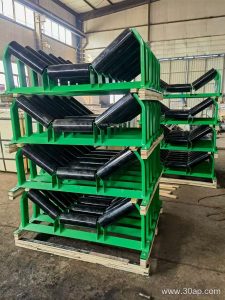
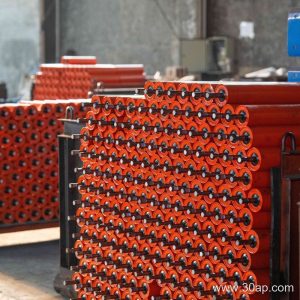
A five-roll idler bracket is the support frame that holds five carrying idler rollers under the belt. Instead of the usual three rolls, this bracket arranges two outer rolls, two intermediate rolls, and one center roll. The extra rolls spread the load over more contact points, which helps on wide belts and on lines that carry heavy bulk material. It is a support component, not a rotating part, so it does not move; its job is to keep the idler rollers in the correct trough position so the conveyor belt keeps a stable profile.
In a quarry, a cement plant, or a power plant coal yard, the bracket sits on the carrying side of the conveyor frame. It is often paired with a sturdy conveyor bracket system and matched to the belt width and the load per meter.
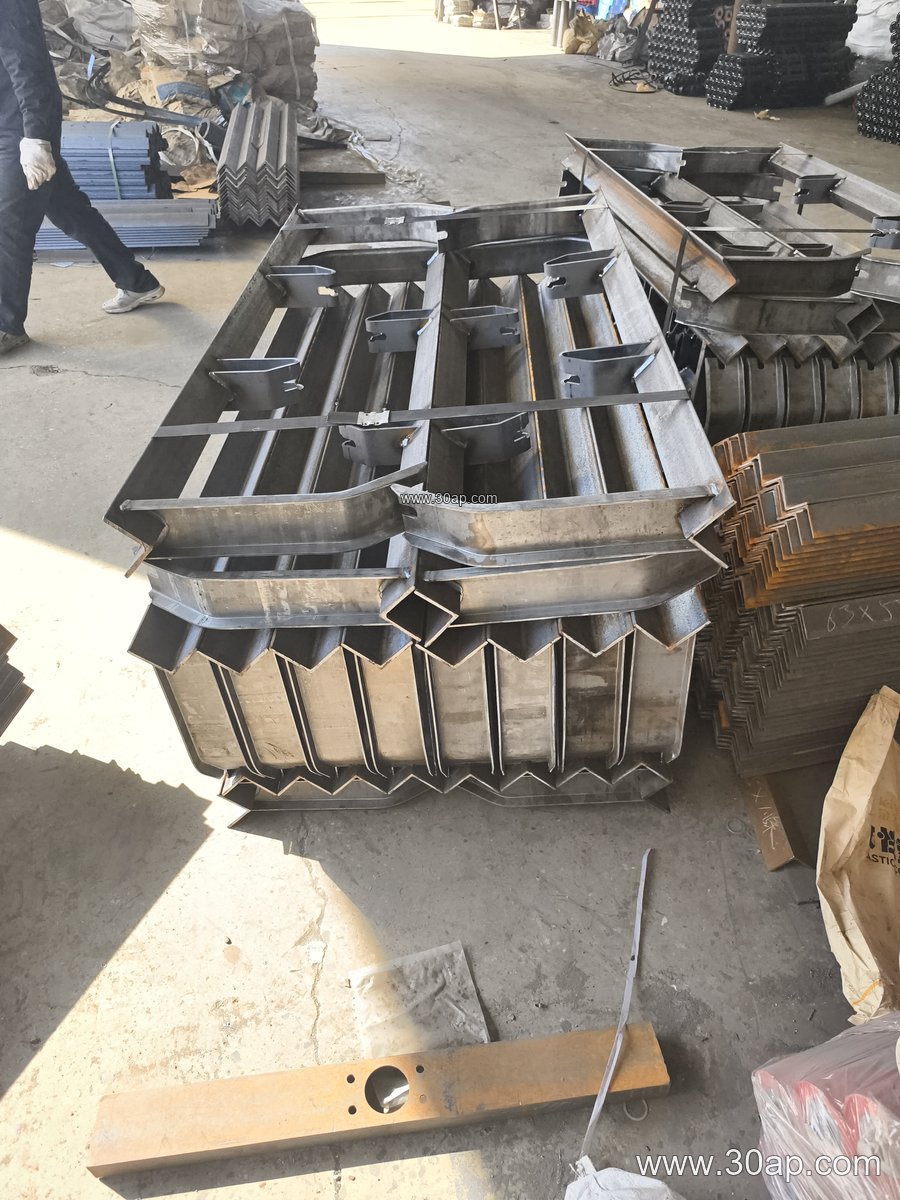
How the Frame Is Built
Most units are welded or bolted from angle steel, channel steel, or folded steel plate. The bracket has a cross beam and a set of mounting plates or slots where each idler roller attaches. The trough angle of each roll pair is fixed at manufacture or, in an adjustable version, can be set on site. Common trough angles for five-roll designs are 20, 30, 35, and 45 degrees, with the outer rolls usually set at a larger angle than the intermediate ones. Materials and welds should suit the dust and moisture of the site, and painted or galvanized finishes are typical for outdoor installation.
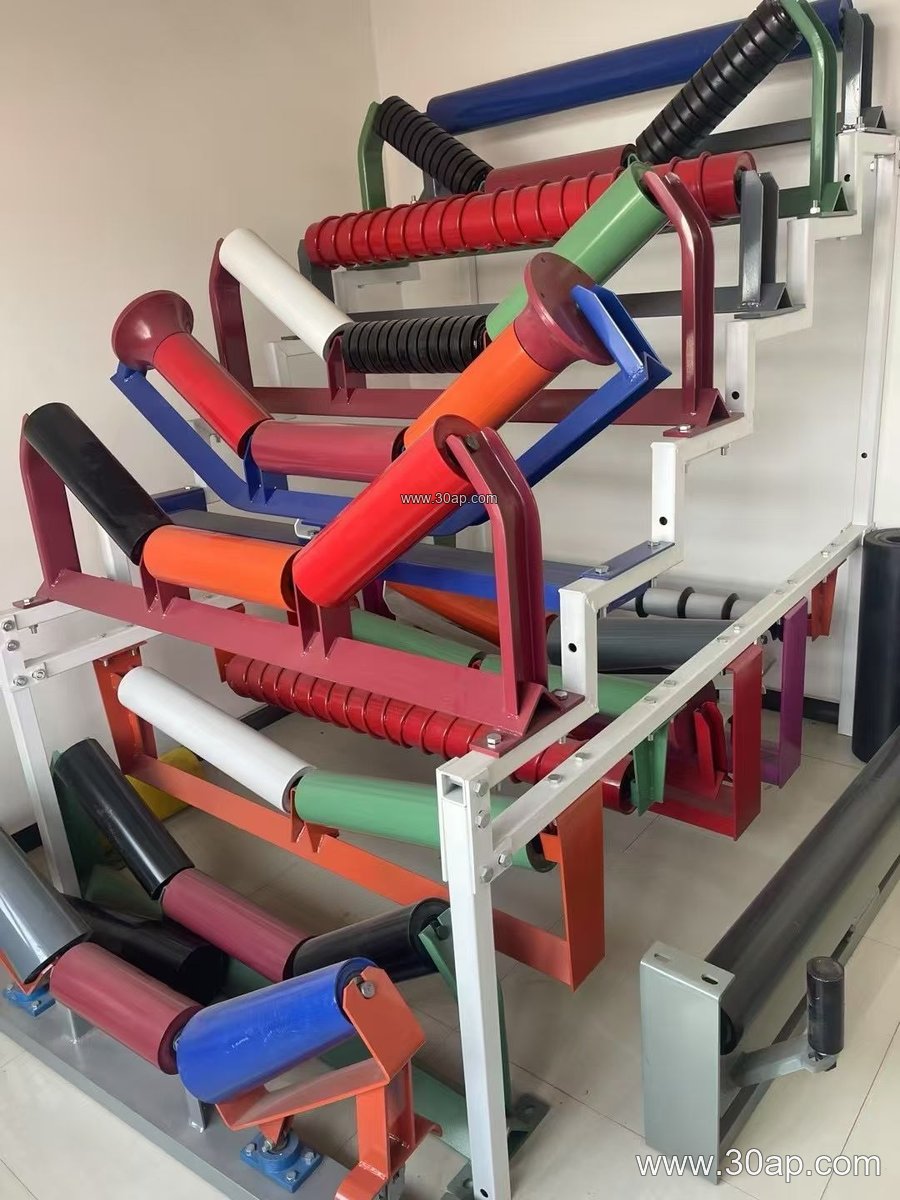
Matching Belt Width, Trough Angle, and Roll Diameter
Five-roll brackets are usually chosen for wider belts, from around B1000 up to B2000 or B2200, because the extra rolls help control belt sag and edge stress. Roll diameter is selected by load and belt speed rather than by belt width alone. The table below lists common reference combinations; these are examples, not fixed rules.
| Belt Width | Trough Angle | Roll Diameter | Typical Use |
|---|---|---|---|
| B1000 | 35 degrees | Ø108 | Aggregate and sand lines |
| B1200 | 35 degrees | Ø133 | Cement plant clinker transport |
| B1400 | 45 degrees | Ø133 | Iron ore and heavy bulk |
| B1600 | 45 degrees | Ø159 | Port ship loading conveyors |
| B1800 | 35 degrees | Ø159 | Coal yard and stockpile lines |
| B2000 | 30 degrees | Ø194 | Large throughput mining conveyors |
The mounting hole spacing and cross beam length change with belt width and trough angle, so they should be confirmed against the conveyor drawing rather than assumed.
Where It Fits on the Conveyor
The bracket is normally installed on the carrying run, between the tail pulley area and the head discharge. It is not a substitute for a bend pulley or a drive pulley, which change belt direction or transmit power. On long overland lines, five-roll brackets are often placed in the load zone and along sections with high belt tension. In a coal washing plant or a limestone mine, they may be combined with impact idler brackets near the feed point and with self-aligning brackets on long straight runs.
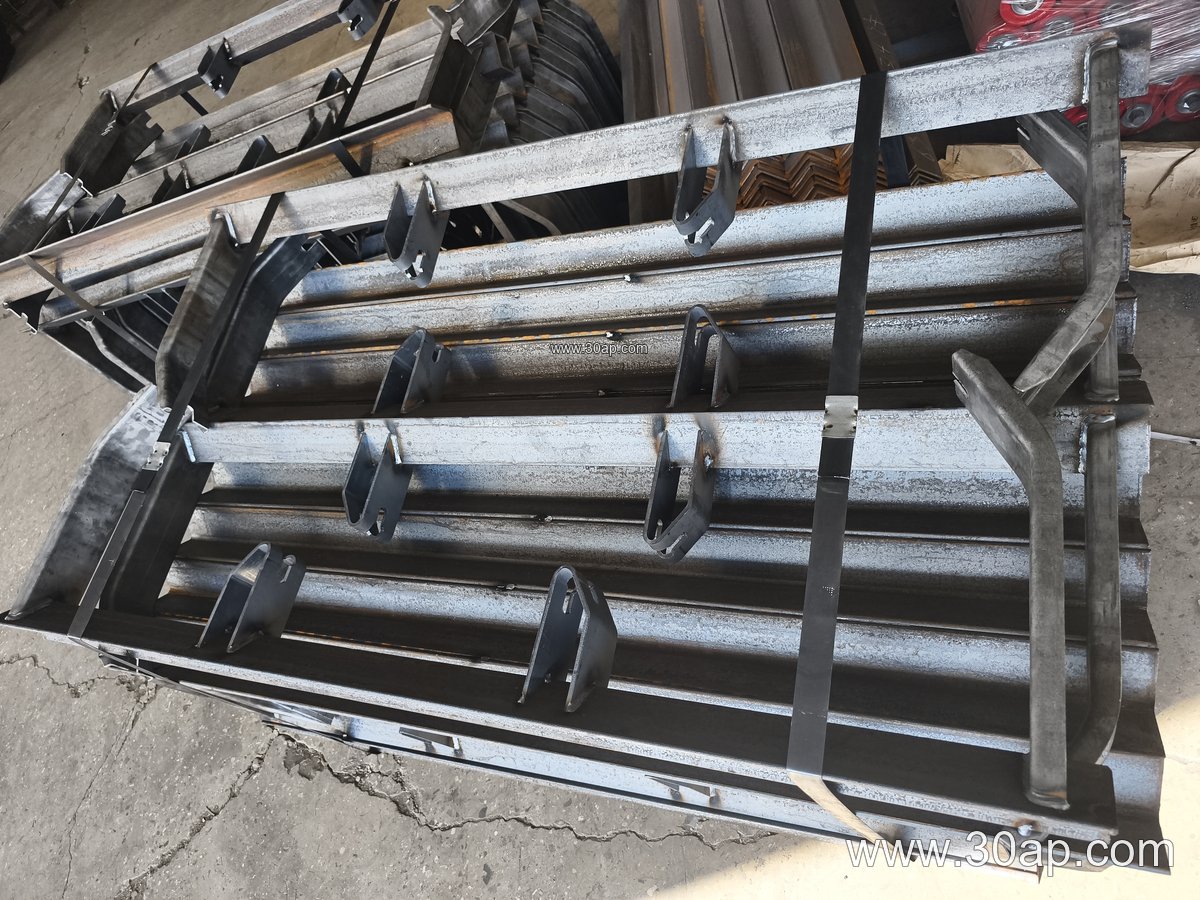
Return side support is a separate matter: V-return brackets or flat return brackets handle the empty belt. A five-roll bracket belongs to the carrying side only.
Buyer Checklist
- Confirm belt width and the required trough angle before ordering.
- Check the idler roller diameter and the shaft end type used by the existing rollers.
- Ask whether the frame is fixed or adjustable, since adjustable versions allow small changes in trough angle on site.
- Review the steel grade, plate thickness, and finish for the site environment.
- Verify hole spacing and beam length against the conveyor frame drawing.
- Consider the belt type in service, such as an abrasion resistant conveyor belt or a heat resistant conveyor belt, because load and temperature affect roller and bracket choice.
A well-matched five-roll idler bracket keeps the belt profile steady, reduces edge wear, and helps the idler roller bearings run cooler under wide, heavy loads.