What a Stainless Steel Idler Is
A stainless steel idler is a conveyor idler roller whose shell, and often its end caps and shaft, are made from stainless steel rather than painted carbon steel. It supports the conveyor belt on the carrying and return sides of a conveyor, letting the belt travel with low resistance while keeping the load stable. In wet, salty, or chemically exposed plants, this stainless steel idler roller is chosen less for strength than for its ability to resist rust and staining over years of service.
The idler is one component in a longer assembly that includes the conveyor belt, the conveyor pulley at the head and tail, and the conveyor bracket that fixes each idler frame to the stringer. A stainless steel idler does not change the conveyor layout; it simply replaces a carbon steel roller in positions where corrosion would shorten service life.
How the Roller Is Built
A typical unit is built around a seamless or welded stainless tube, with bearing housings pressed into each end. The shaft is usually stainless as well, and the bearings sit behind a sealed cover so that washdown water and fine dust cannot reach the races. Shell thickness, shaft diameter, and bearing size are all selected by the conveyor designer, not fixed by belt width alone.
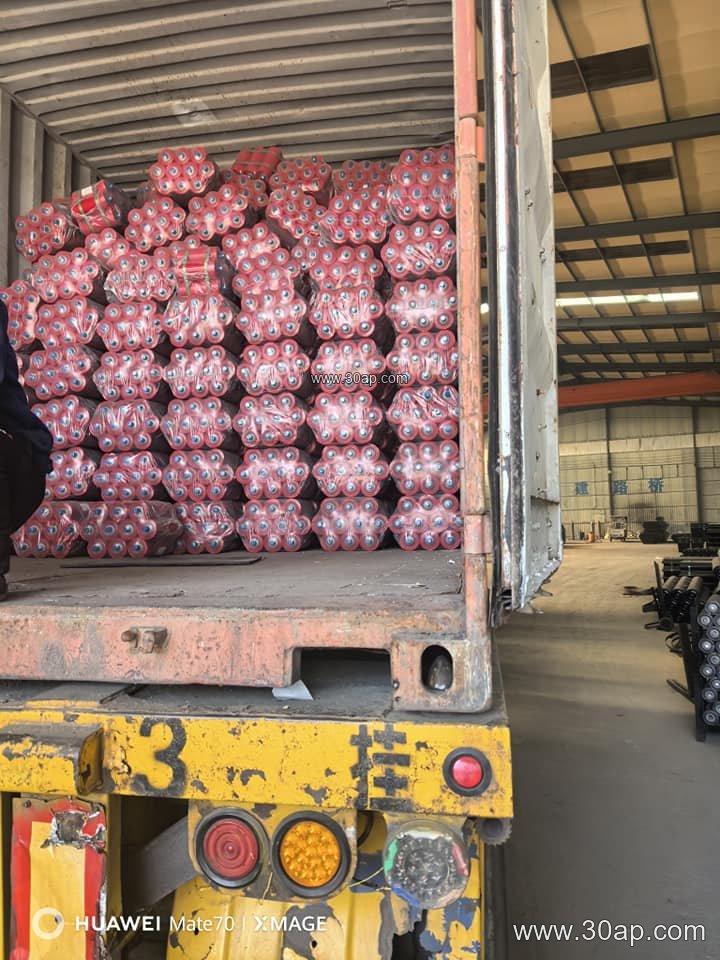
Common roller diameters include Ø63, Ø76, Ø89, Ø102, Ø108, Ø127, Ø133, Ø159, Ø178, and larger sizes for heavy frames. Bearing choices such as 6204, 6205, 6305, 6306, 6308, or 6310 appear depending on load and speed. The same bearing number can serve more than one roller diameter, so a buyer should read the full idler drawing rather than matching numbers on their own.
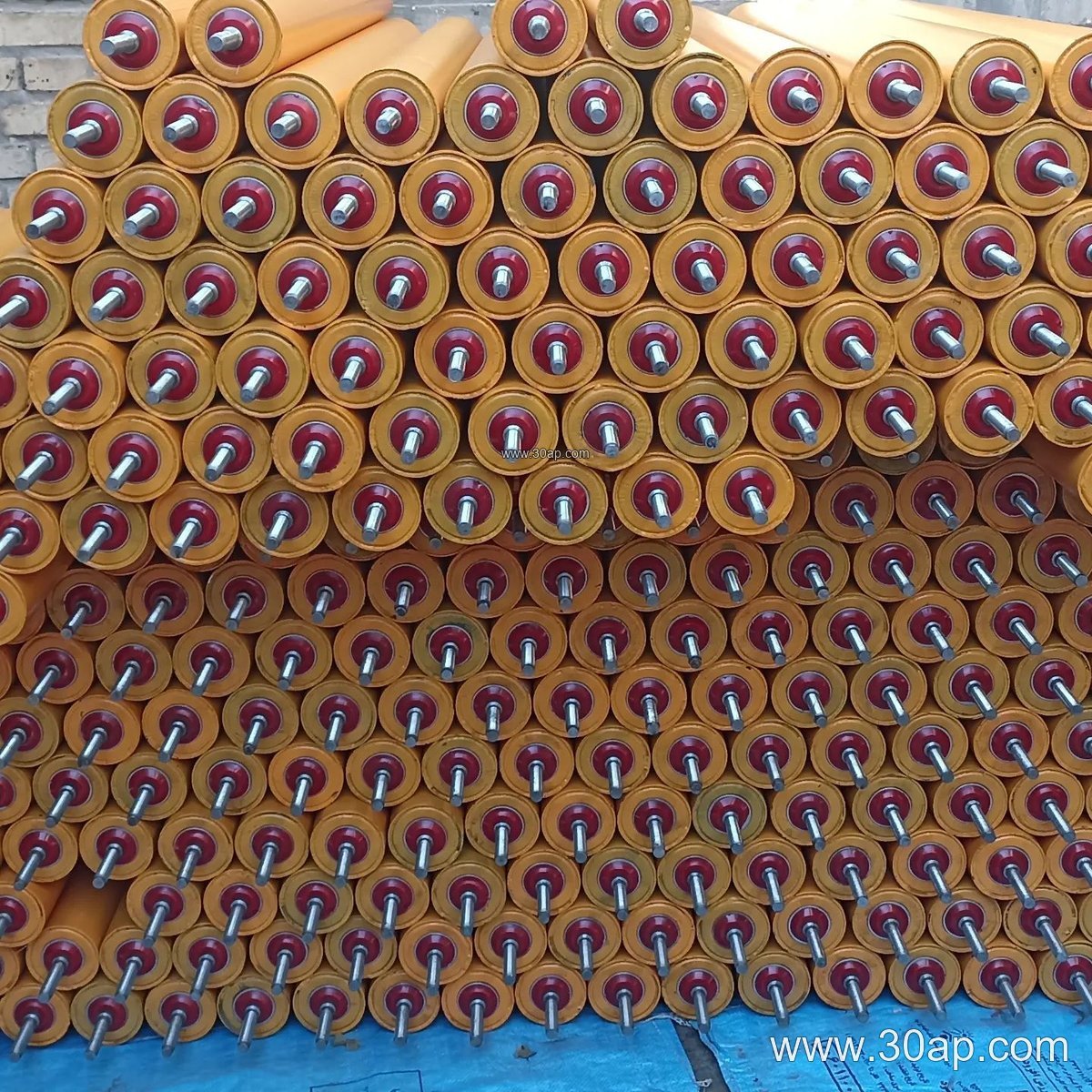
Common reference dimensions
The table below shows typical examples only. Final dimensions follow the conveyor design, trough angle, and idler frame type.
- B500 belt, three-roll troughing set: roller length about 200 mm
- B650 belt: about 250 mm
- B800 belt: about 315 mm
- B1000 belt: about 380 mm
- B1200 belt: about 465 mm
- B1400 belt: about 530 mm
- B1600 belt: about 600 mm
- B1800 belt: about 670 mm
- B2000 belt: about 750 mm
Side rollers and centre rollers in a troughing set can differ in length, so these figures should be treated as reference data, not a fixed match between one belt width and one pulley diameter.
Where Stainless Steel Idlers Fit
Corrosion drives the decision more than tonnage. A fertilizer plant handling damp granular product, a tunnel project with constant groundwater, or a food processing line that is hosed down daily all put ordinary painted rollers under stress. In those places a stainless idler roller keeps turning when a mild steel shell would have scaled and seized.
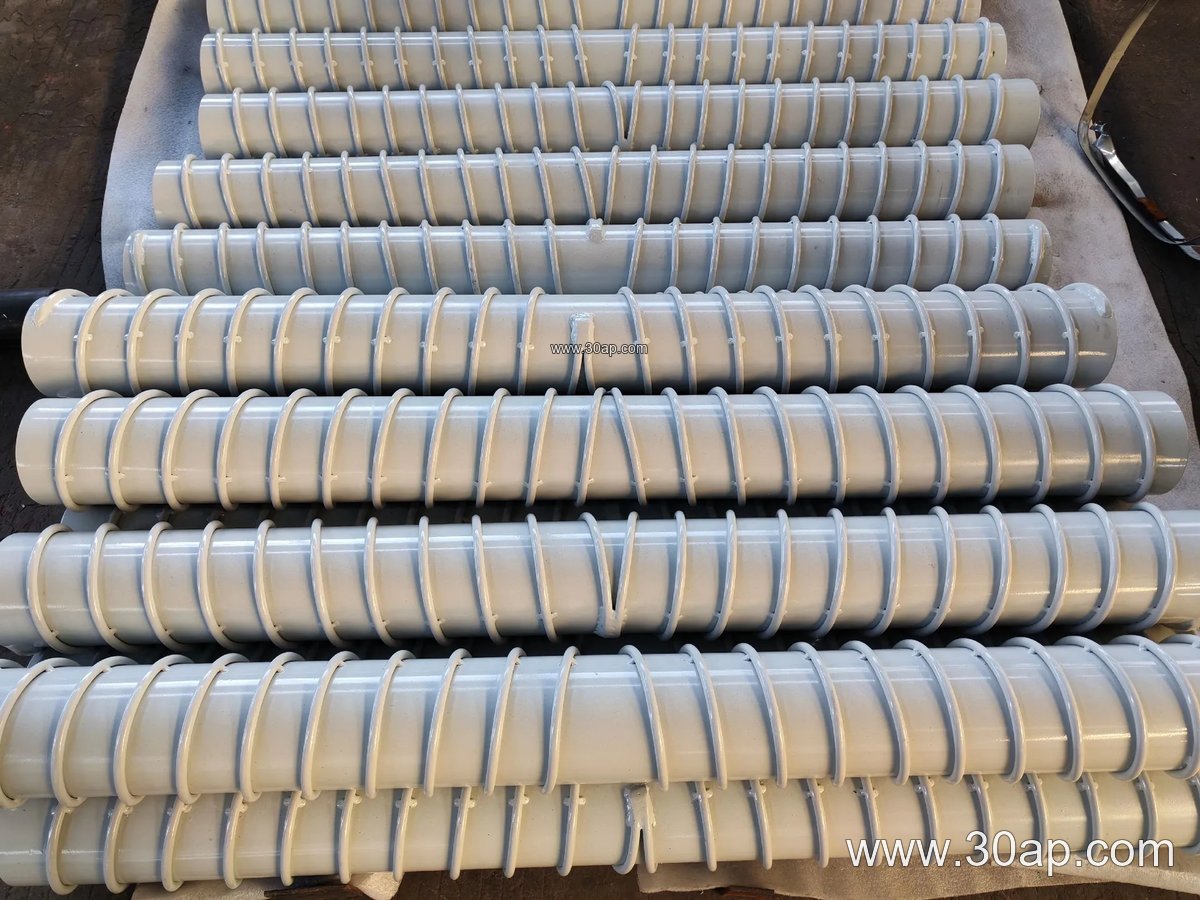
The same logic applies at a port terminal handling wet bulk material, or in a mineral processing plant where wash water and process chemicals are present. In dry, abrasive service such as an iron ore or copper ore transfer point, a rubber-covered impact idler may still be the better choice on the loading zone, while stainless rollers serve the wet sections downstream. The two are compared for duty, not swapped as names.
Where the belt itself carries hot material, the limit usually comes from the belt grade, for example a Heat Resistant Conveyor Belt, rather than from the roller. In dusty coal handling, a Flame Retardant Conveyor Belt and anti-static components may be specified alongside the idlers to meet site rules.
Selection Points for Buyers
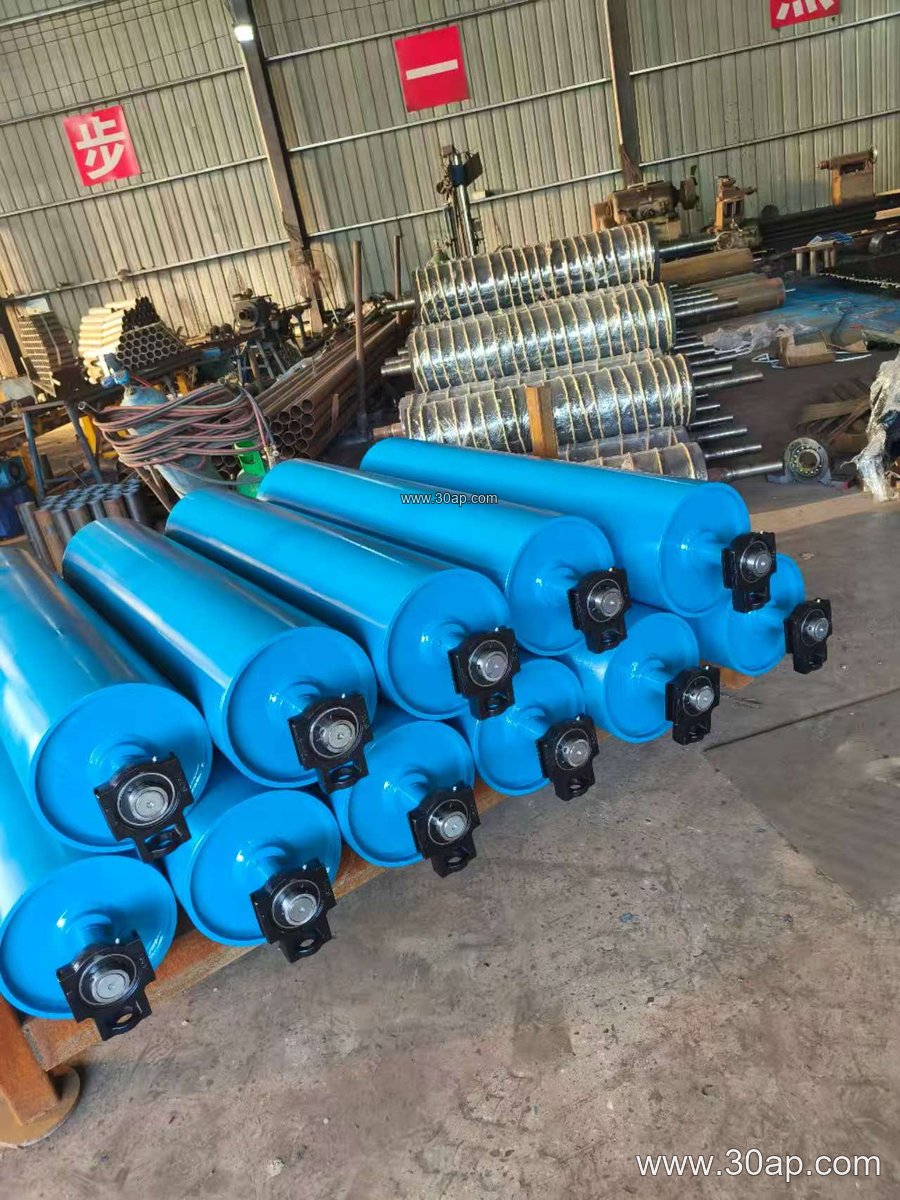
Start with the environment: fresh water, salt spray, acid splash, or alkaline slurry. Then confirm the roller diameter and shaft size on the drawing, check the bearing seal type, and ask whether the end caps are welded and machined or press-fitted. For troughing positions, note the trough angle, since 20, 30, 35, and 45 degrees change the frame geometry and the roller length.
Also check the return side. A flat return idler and a V-shaped return roller do different jobs, and a stainless flat return roller is not a substitute for a V-return in a misalignment-prone line. Where belt training is the issue, self-aligning idlers with tapered rollers address it directly.
Finally, match the idler to the belt it carries. A heavy-duty mining conveyor belt or a steel cord belt such as ST1600 or ST2000 imposes different loads from a light EP conveyor belt, and the roller bearing and shell thickness should reflect that. Buyers ordering replacement rollers for a quarry conveyor or a cement plant line should send the original idler drawing, the belt width, and the duty description, so the supplier can confirm sizes instead of guessing.
Maintenance Notes
Stainless resists corrosion but does not resist abrasion better than carbon steel by default. Check shell wear at loading points, listen for noisy bearings, and confirm that seals are intact after washdown. Keep spare rollers on hand for the wettest sections, where downtime is most likely. A simple record of roller position, diameter, and installation date makes repeat orders faster and keeps the conveyor running between planned shutdowns.