What a Double-Row Return Idler Does on a Conveyor
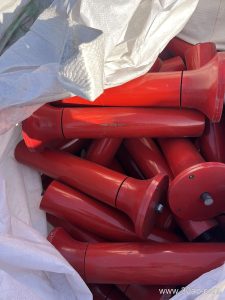
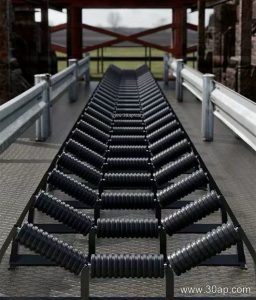
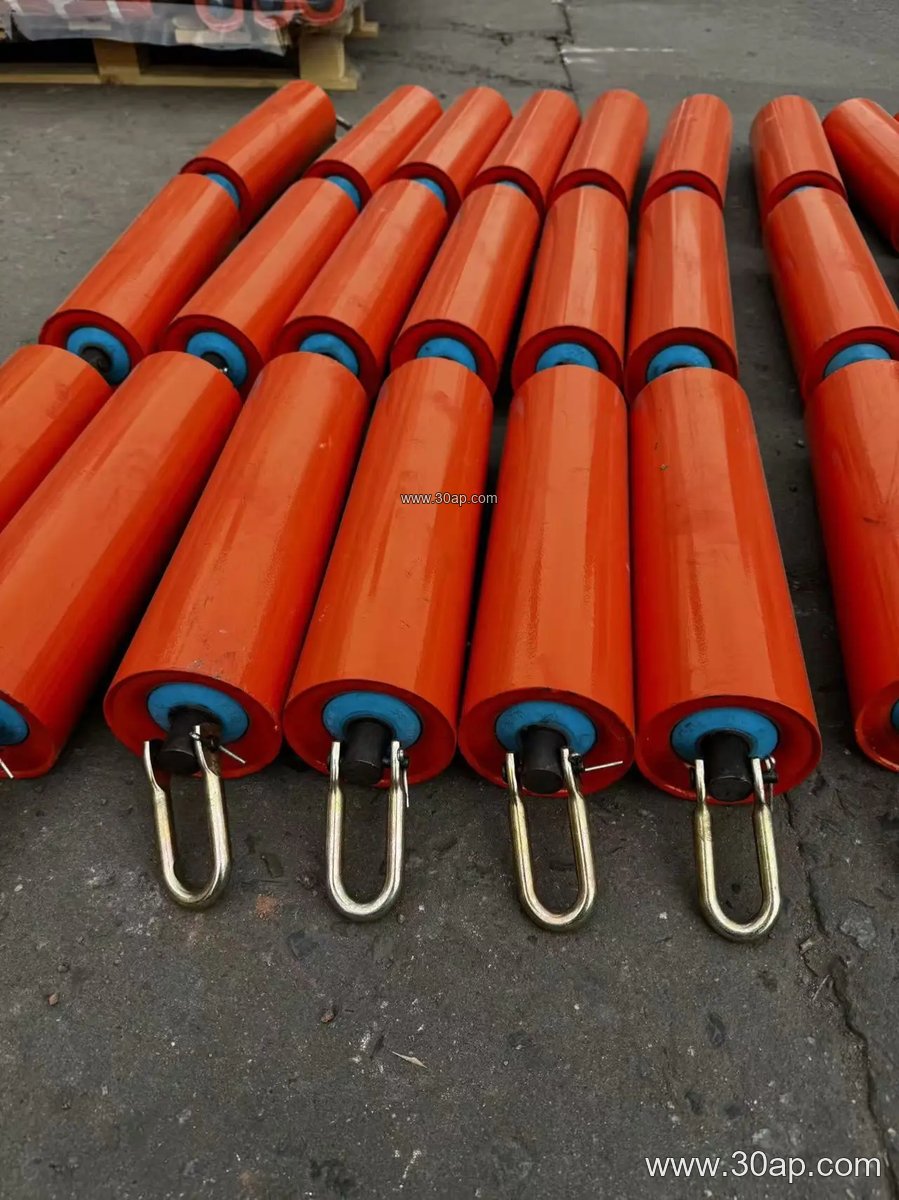
A double-row return idler is a return-side roller assembly that supports the empty belt after material has been discharged. Unlike a single flat return roller, it uses two rows of rollers arranged to spread the belt load and help keep the belt tracking steadily on the return run. In a quarry, a coal washing plant, or a cement plant, this idler roller sits under the conveyor belt and works together with the conveyor pulley at the tail and the drive pulley at the head to complete the belt loop. The double-row design offers more contact points than a plain return idler, which can reduce belt sag and improve stability on longer spans.
How the Assembly Is Built
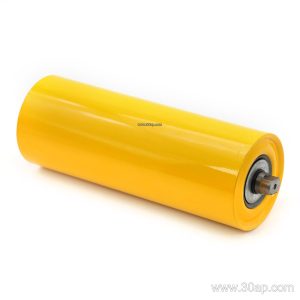
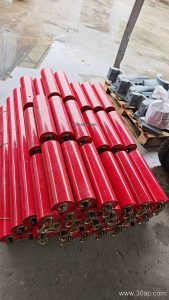
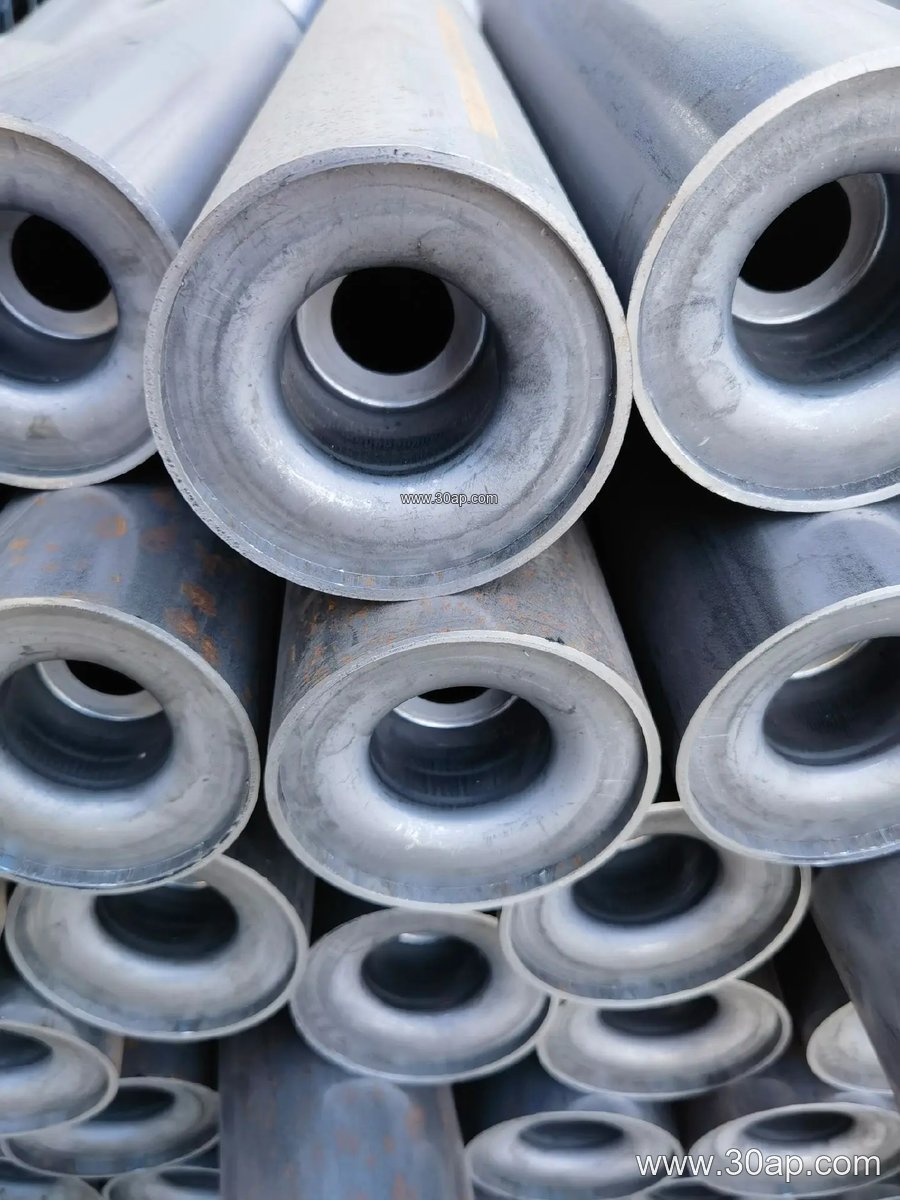
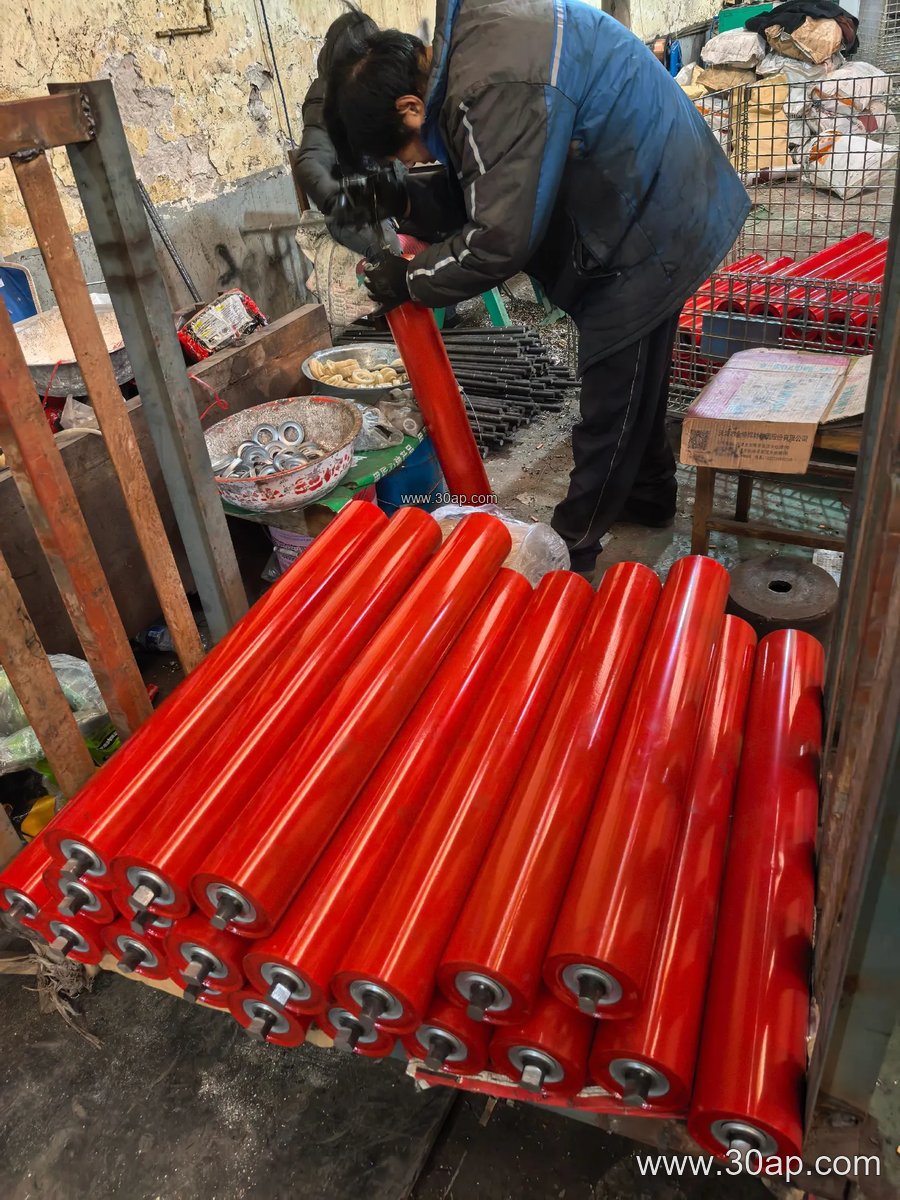
The typical double-row return idler consists of a sturdy frame or bracket, two parallel rows of idler rollers, and sealed bearing housings at each end of the shafts. Rollers are often made from steel tube, with options such as rubber rings or nylon covers when the application calls for extra protection. Bearings are selected according to the load and speed; common sizes include 6205, 6305, 6306, and 6308, but the bearing choice should always match the roller diameter and duty rather than a single fixed rule. The frame connects to the conveyor bracket, and the whole unit is mounted on the return strand. On wider belts, the double-row arrangement helps distribute the weight of the belt and any residual material that clings to it.
Where It Fits in Bulk Material Handling
This return idler is used in many bulk material conveyor systems. In an iron ore or copper ore operation, it helps carry the empty belt back to the tail pulley after discharge. At a power plant coal yard, it supports the return side of a coal conveyor belt that may run several hundred meters. In sand and aggregate lines, the double-row return roller can be paired with an abrasion resistant conveyor belt to handle dusty conditions. The idler also appears in port ship loading systems, steel plant sinter lines, and tunnel spoil removal conveyors. It is not a substitute for a bend pulley or a tail pulley; rather, it is a support component on the return run that complements the conveyor pulleys and brackets.
Common Sizes and Configuration Notes
Double-row return idlers are available in a range of roller diameters and belt widths. The table below shows typical reference values, not fixed combinations. Final dimensions are determined by the conveyor design, belt width, and load conditions.
| Parameter | Common Reference Range |
|---|---|
| Roller diameter | Ø89, Ø102, Ø108, Ø127, Ø133, Ø159 mm |
| Belt width | B500, B650, B800, B1000, B1200, B1400, B1600, B1800 mm |
| Roller surface | Steel tube, nylon, rubber ring |
| Bearing options | 6205, 6305, 6306, 6308 (selected by load and speed) |
| Mounting | Conveyor bracket or frame, return strand position |
For a given belt width, the roller length and spacing are set by the conveyor designer. A wider belt does not automatically dictate a single shaft diameter, and one belt width can be matched with more than one pulley diameter depending on the head and tail pulley arrangement. Buyers should confirm the return idler dimensions against the actual conveyor layout rather than assuming a standard fit.
Selection and Maintenance Tips for Buyers
When choosing a double-row return idler, consider the belt width, the weight of the return belt, and the environment. In a coal mining conveyor belt system, flame retardant and anti-static properties may be relevant for the belt itself, while the idler should have reliable seals to keep out dust and moisture. In a limestone quarry or a stone crushing plant, abrasion resistant conveyor belt grades often run alongside heavy-duty return rollers. For food or chemical applications, check that the roller surface and bearing seals are compatible with the material handled. Regular inspection of the return idler roller for seized bearings, worn shells, or misalignment helps prevent belt edge damage and reduces downtime. Keep the conveyor bracket bolts tight and verify that the double-row assembly is square to the belt path.
Related Equipment in the Conveyor System
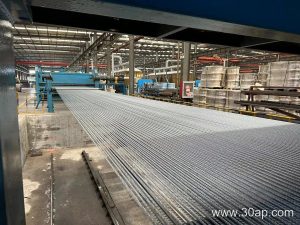
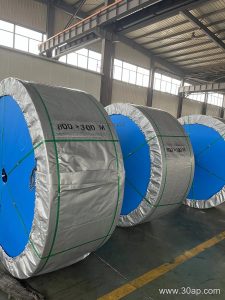
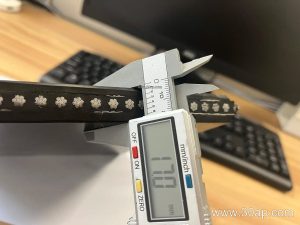
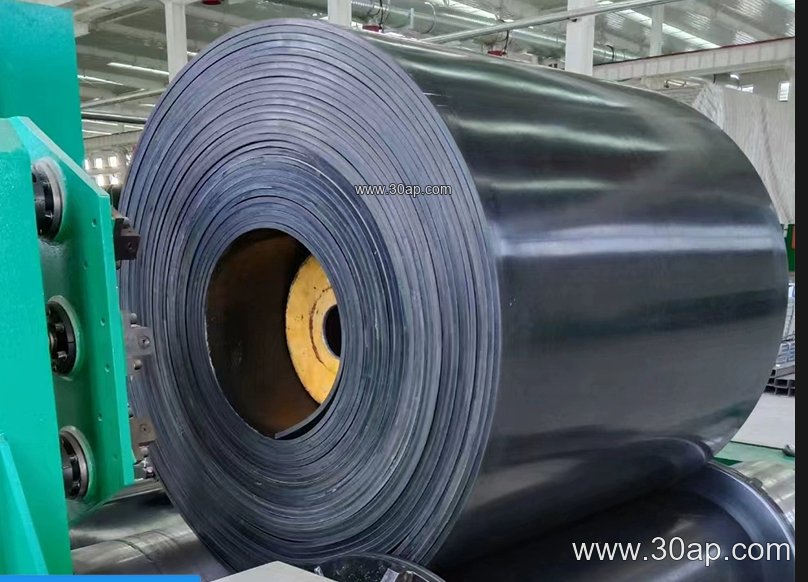
The double-row return idler works with other components such as the conveyor pulley, conveyor bracket, and the conveyor belt itself. In a typical aggregate or mining conveyor, you may also find a rubber conveyor belt, an EP conveyor belt, or a steel cord conveyor belt on the carrying side. The return idler does not replace the drive, tail, or bend pulleys, but it helps maintain belt tension and alignment on the return run. For anyone specifying a conveyor system, matching the return idler to the belt width and load is as important as selecting the right pulley and belt grade.