What a Wear-Resistant Lagged Pulley Does
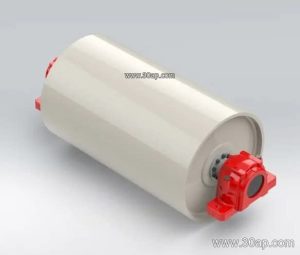
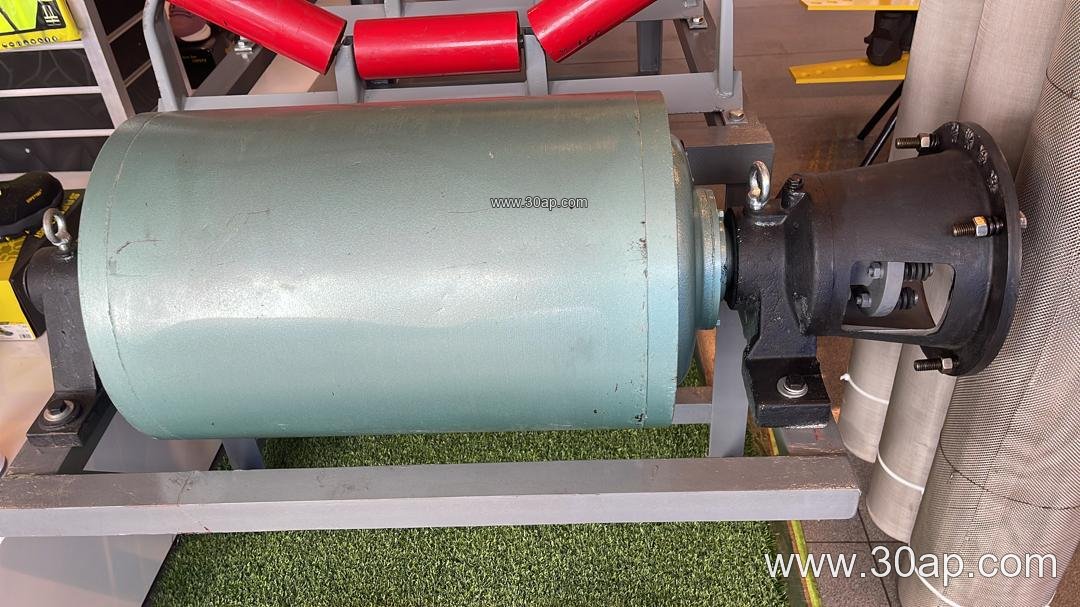
A wear-resistant lagged pulley is a conveyor pulley whose shell is covered with a tough rubber or ceramic layer to protect the drum body and improve grip on the belt. The lagging takes the abrasion that would otherwise attack the steel shell, and it raises friction between pulley and belt so the drive can transmit torque without slipping. In a quarry, a limestone mine or a cement clinker line, this component often works in dust, grit and slight moisture, which is exactly where an unprotected drum surface wears thin and loses grip.
The product is also called a rubber-lagged conveyor pulley or a wear-resistant coated pulley. It is not the same as a drive, tail or bend pulley; those names describe the pulley position in the conveyor, while lagging describes its surface. A wear-resistant lagged pulley can be built into any of those roles when the duty calls for it.
How the Lagging Is Built
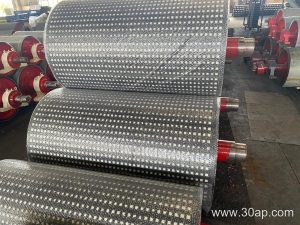
The pulley shell is usually a welded steel drum with end discs and a shaft. Before lagging, the surface is cleaned and prepared, then the rubber or ceramic layer is bonded. Common methods include hot vulcanized rubber, cold-bonded rubber sheet, cast rubber, diamond pattern lagging, herringbone lagging and ceramic lagging. Thickness commonly runs 8, 10, 12, 15 or 20 mm, depending on belt tension and the abrasiveness of the material handled.
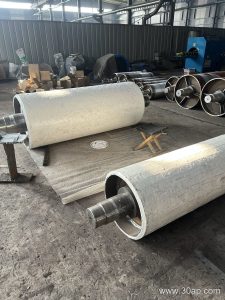
Abrasion-resistant rubber compounds are the usual choice for ore and aggregate duty, while ceramic tiles suit very high-wear drive positions where belt slip is also a concern. The lagging should be bonded evenly around the full circumference; gaps or lifted edges let grit work under the rubber and shorten service life.
Where It Fits in the Conveyor
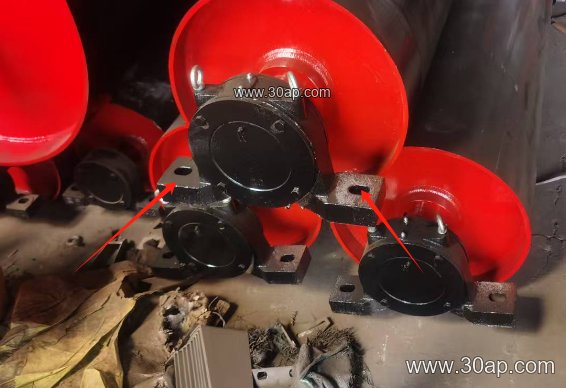
The most demanding location is usually the drive or head pulley, where torque and belt tension are highest. A lagged drive drum keeps a rubber conveyor belt from slipping under load, particularly on inclined lines in a sand and gravel plant or a power plant coal handling system. Tail pulleys and bend pulleys may also be lagged when the belt carries wet, sticky or abrasive material that attacks a plain shell.
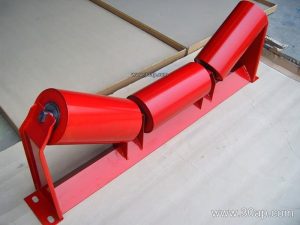
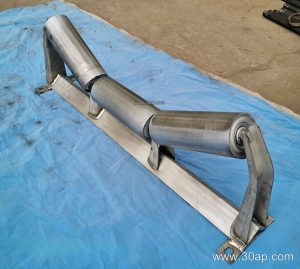
In a crushing and screening circuit, a wear-resistant lagged pulley works together with the conveyor belt, the carrying and return idlers, and the conveyor bracket structure. The pulley does not act alone; belt tension, alignment and idler condition all affect how long the lagging lasts. A steel cord conveyor belt on a long overland line needs firm, even traction at the drive, and properly bonded lagging helps deliver it.
Common Size References
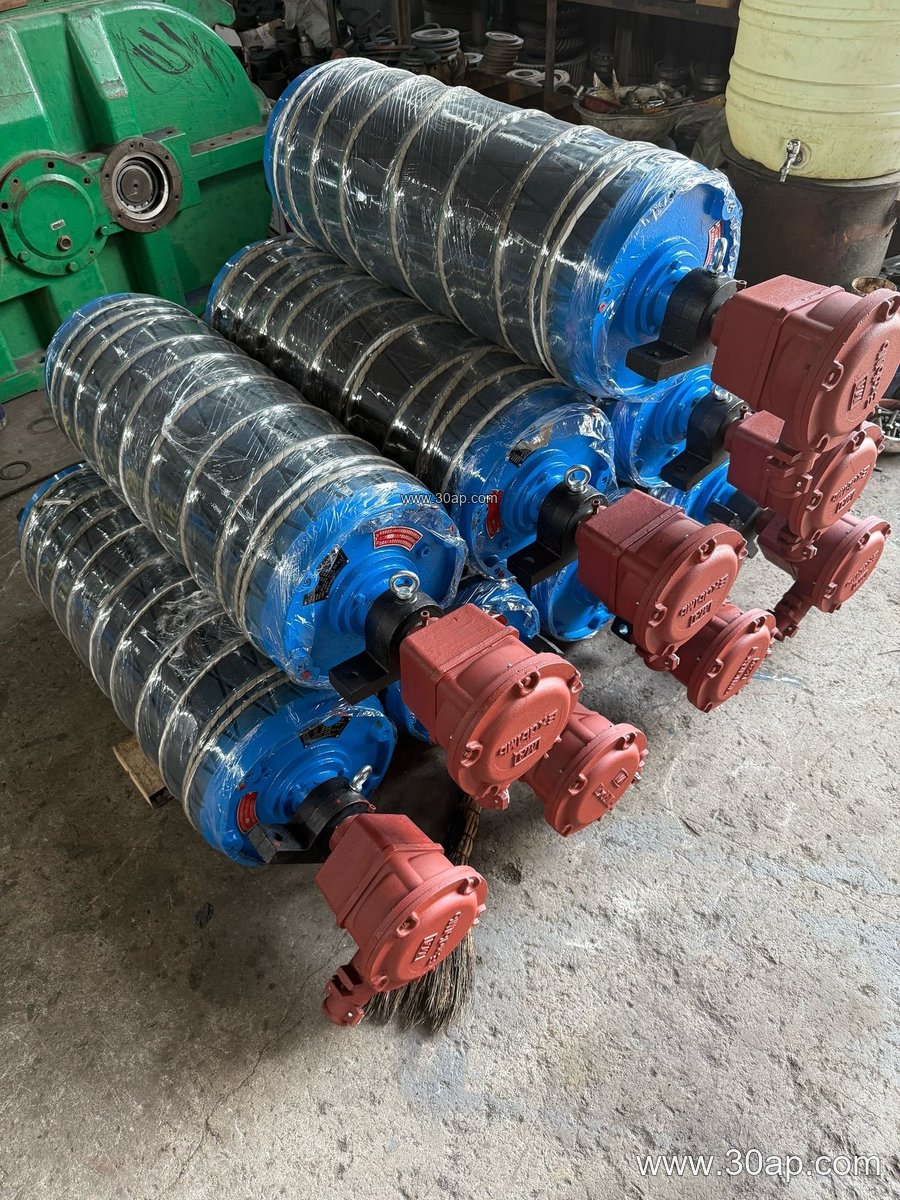
Pulley diameter and face width are selected from belt width, belt tension, shaft load and the space available. The values below are typical references, not fixed pairings; one belt width can work with more than one drum diameter.
| Belt width reference | Typical pulley face width | Possible diameter examples |
|---|---|---|
| B400 | about 500 mm | Ø200, Ø250, Ø315 |
| B650 | about 750 mm | Ø315, Ø400, Ø500 |
| B800 | about 950 mm | Ø400, Ø500, Ø630 |
| B1000 | about 1150 mm | Ø500, Ø630, Ø800 |
| B1200 | about 1400 mm | Ø630, Ø800, Ø1000 |
| B1400 | about 1600 mm | Ø800, Ø1000, Ø1250 |
| B1600 | about 1800 mm | Ø1000, Ø1250, Ø1400 |
| B1800 | about 2000 mm | Ø1250, Ø1400, Ø1600 |
Shaft diameters commonly fall in the Ø50 to Ø200 mm range, but the final size must follow torque and load calculations rather than belt width alone. A B1200 × Ø1000 drive drum and a B800 × Ø500 tail drum are both plausible, but they serve different duties.
Buyer Checklist
- State the pulley position: drive, tail, bend or take-up. The same lagged shell may be specified differently for each role.
- Give belt width, belt type and maximum tension. A flame retardant conveyor belt underground and an abrasion resistant belt in a quarry place different demands on the drive.
- Choose lagging thickness and pattern for the material: fine wet slurry, sharp crushed rock or hot clinker.
- Confirm shaft size, bearing centres and keyway from the conveyor design, not from a catalogue guess.
- Ask how the lagging is bonded and whether edges are sealed, since this affects wear life in dusty service.
For more conveyor components, including pulley drums, idlers and belts, visit www.xinrui-conveyor.com. A wear-resistant lagged pulley is a small part of the line, but the right lagging compound, thickness and fit keep the belt running true in mines, quarries and processing plants.