What This Pulley Is and Why It Matters
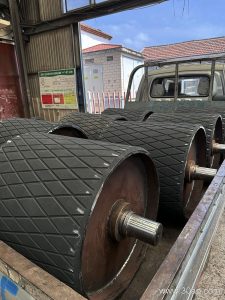
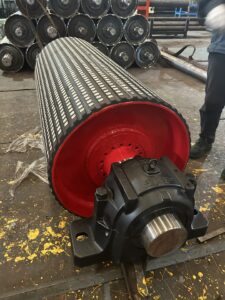
A high wear-resistant lagged pulley is a conveyor pulley whose shell is covered with a durable rubber or ceramic lagging layer designed to survive abrasive, wet, and high-traction service. In a belt conveyor system, this component transfers motion to the conveyor belt and protects the shell from slipping and premature wear. The lagging is the working surface that contacts the belt, so its compound, thickness, and pattern largely decide how long the pulley lasts in a quarry, a limestone mine, or a sand and aggregate line.
Buyers often meet this product under the equivalent name abrasion-resistant rubber lagged pulley, which describes the same item. It should not be confused with a drive pulley, tail pulley, or bend pulley; those are position-based subtypes, and the high wear-resistant lagged pulley can serve in several of those roles depending on the conveyor layout.
Construction and Surface Options
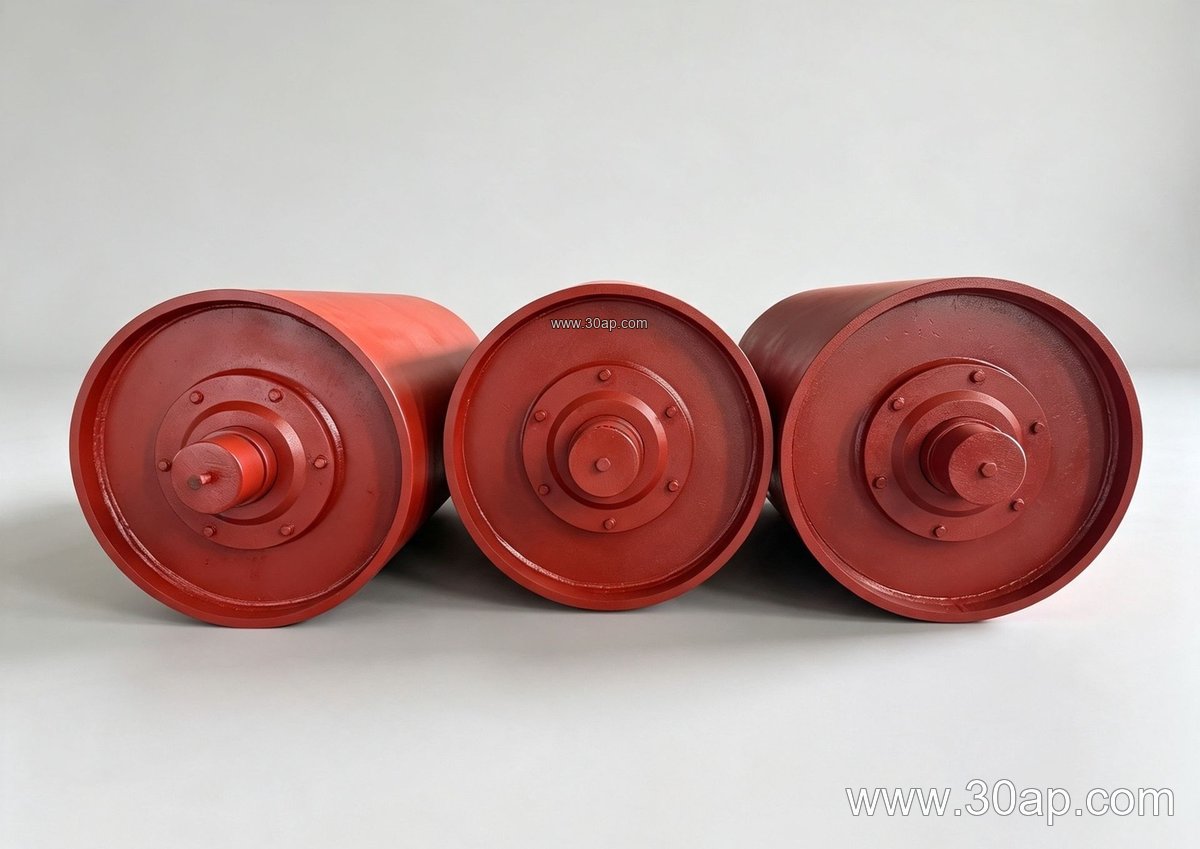
The base is a welded steel shell with shaft, hubs, and end discs sized for the calculated torque and radial load. Lagging is applied in several ways, and each suits different conditions:
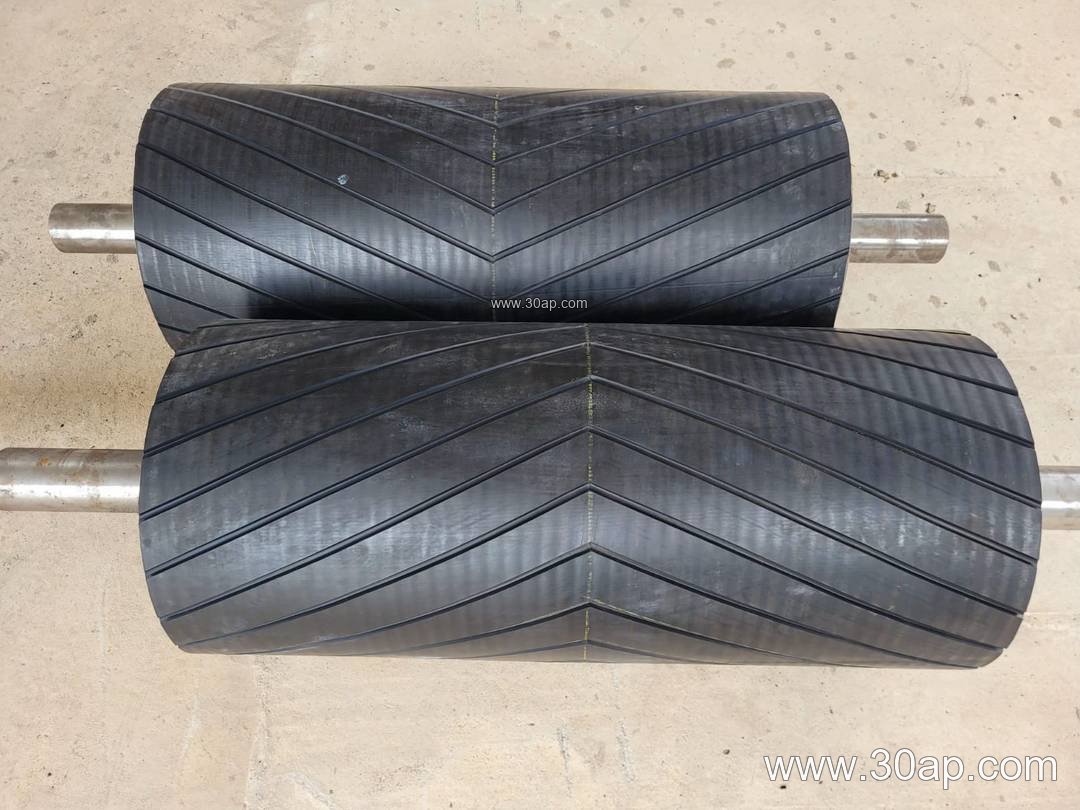
- Hot vulcanized rubber lagging for a strong, seamless bond in heavy-duty service
- Cold bonded rubber lagging for easier field replacement
- Diamond or herringbone grooved lagging to improve grip and shed water
- Ceramic lagging for extremely abrasive duty where rubber alone wears too fast
- Plain rubber lagging where a simple, smooth contact face is preferred
Common lagging thicknesses are 8, 10, 12, 15, and 20 mm. Thicker covers generally last longer under high abrasion but add weight and cost. A ceramic or grooved surface is often chosen when the belt runs wet or carries sharp rock, while a plain surface may be adequate for cleaner, drier material.
Where It Fits in the Conveyor
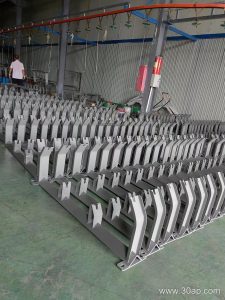
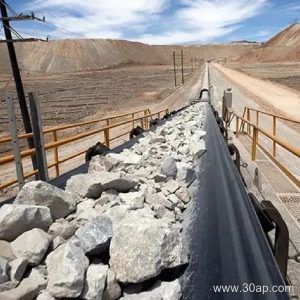
These pulleys appear in the head drive position, as tension pulleys, and at change-of-direction points. In a coal washing plant or a power plant coal yard, a lagged drive pulley must hold grip on a wet belt without polishing the shell. In a cement plant clinker line, hot and abrasive material demands a cover that resists both wear and heat exposure. On a crusher discharge or screen feed conveyor in a stone crushing plant, the pulley often works alongside conveyor idler rollers and a sturdy conveyor bracket that keep the belt aligned.
The pulley surface width is usually a little wider than the belt. For example, a B800 belt commonly runs on a shell about 950 mm wide, and a B1200 belt on roughly 1400 mm. Diameter and shaft size are selected from belt tension, torque, and allowable bearing load, not from belt width alone. A B800 × Ø500 or B1200 × Ø1000 combination may appear in a design, but no single diameter is mandatory for a given belt width.
Matching the Pulley to the Belt
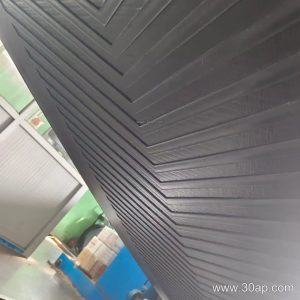
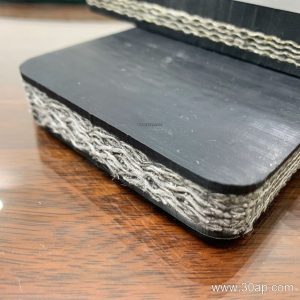
The lagging works as a system with the belt. An abrasion resistant conveyor belt carrying coarse ore needs a cover that will not slip under load, while a chevron conveyor belt or corrugated sidewall conveyor belt may call for a smooth lagging face to avoid interference with cleats. In underground coal mining, a flame retardant conveyor belt and an anti-static conveyor belt are often paired with lagging compounds selected for fire safety and conductivity. For long overland lines using steel cord conveyor belt or a multi-ply fabric core conveyor belt, pulley grip and crown profile affect tracking and belt life.
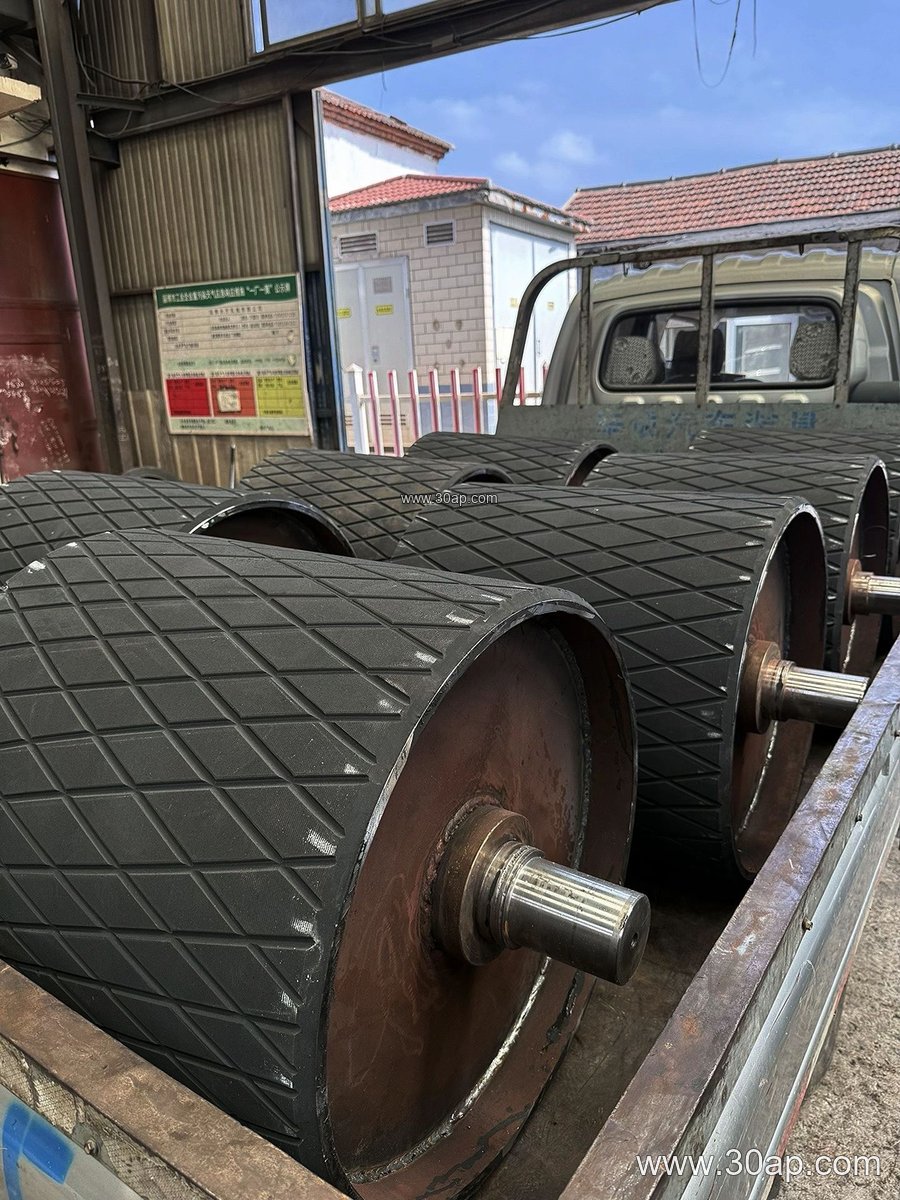
Where fines and water are present, grooved lagging helps drainage. Where the belt is oily, an oil resistant conveyor belt plus a compatible lagging compound reduces swelling and slip. In cold climates, a cold resistant conveyor belt may be used, and the lagging should remain flexible at low temperature.
Selection and Maintenance Notes
A buyer should confirm the belt width, pulley diameter, shaft diameter, lagging type and thickness, and the expected load before ordering. Shaft diameters such as Ø80, Ø100, Ø120, or Ø160 are common, but the final value follows torque and bearing calculations. During service, check lagging wear, groove depth, and bond integrity; re-lagging a worn shell is often more economical than replacing the whole pulley. Keep the conveyor belt tension correct and inspect conveyor idler rollers nearby, since a seized roller can overload the pulley and accelerate lagging damage.
For more conveyor components, visit munairoller.com and review pulley, roller, and belt options for mining, quarry, and cement applications.