What a Heavy-Duty Steel Conveyor Bracket Does
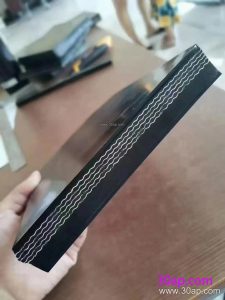
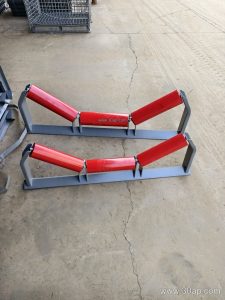
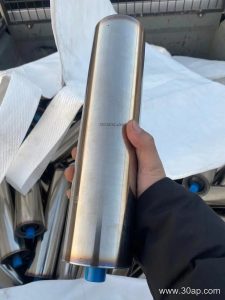
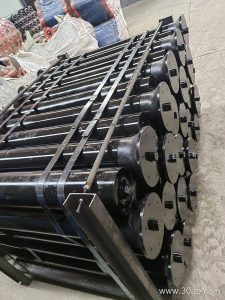
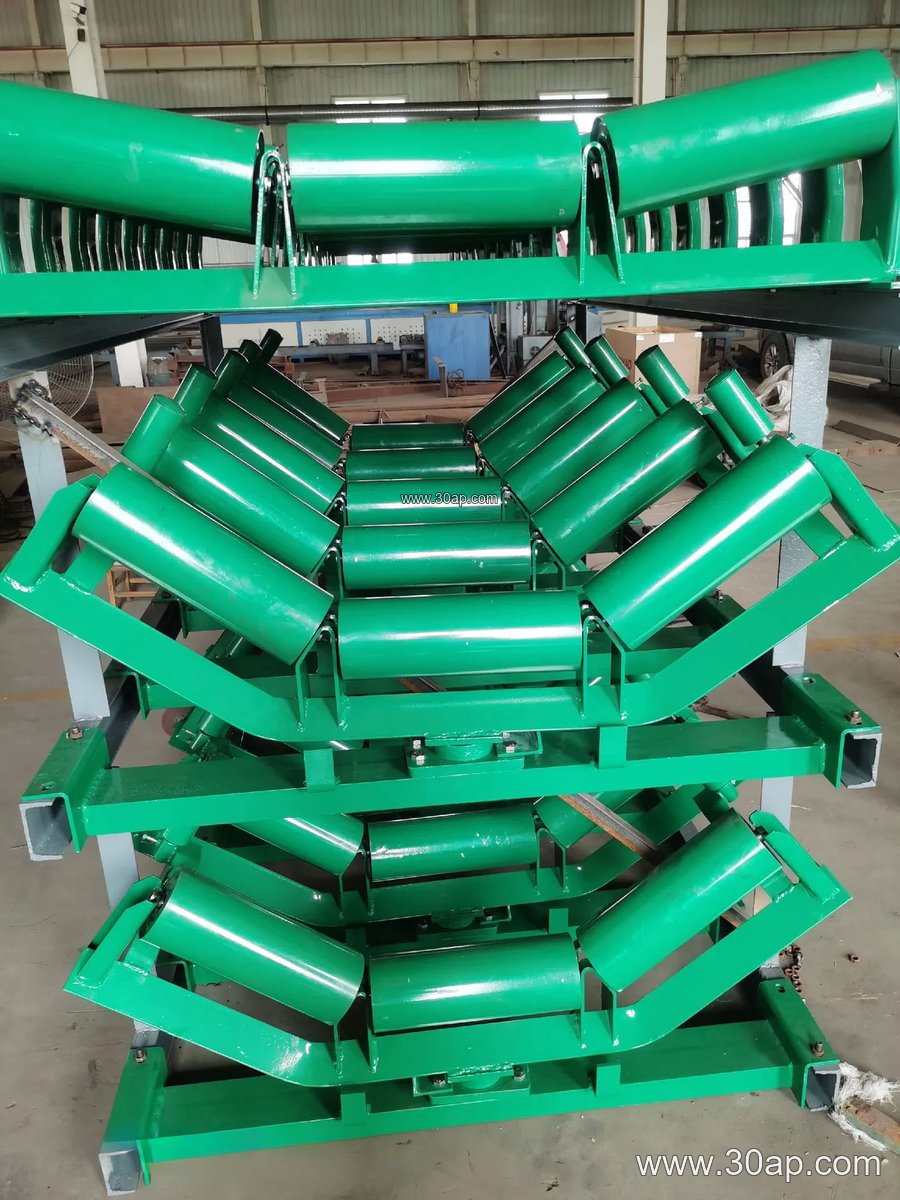
A heavy-duty steel conveyor bracket is the structural support that holds idler rollers in place along a conveyor system. It carries the weight of the conveyor belt and the material load, keeping rollers aligned at the correct angle. In quarry, cement, and aggregate operations, these brackets form the backbone of the idler station. They are often paired with components such as an abrasion resistant conveyor belt to handle abrasive stone and gravel.
Construction and Materials
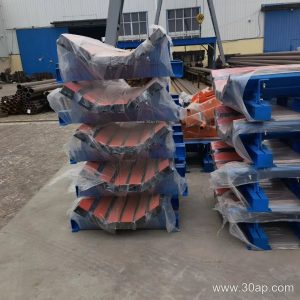
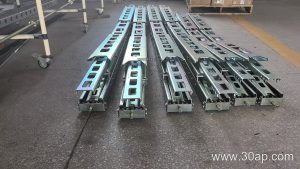
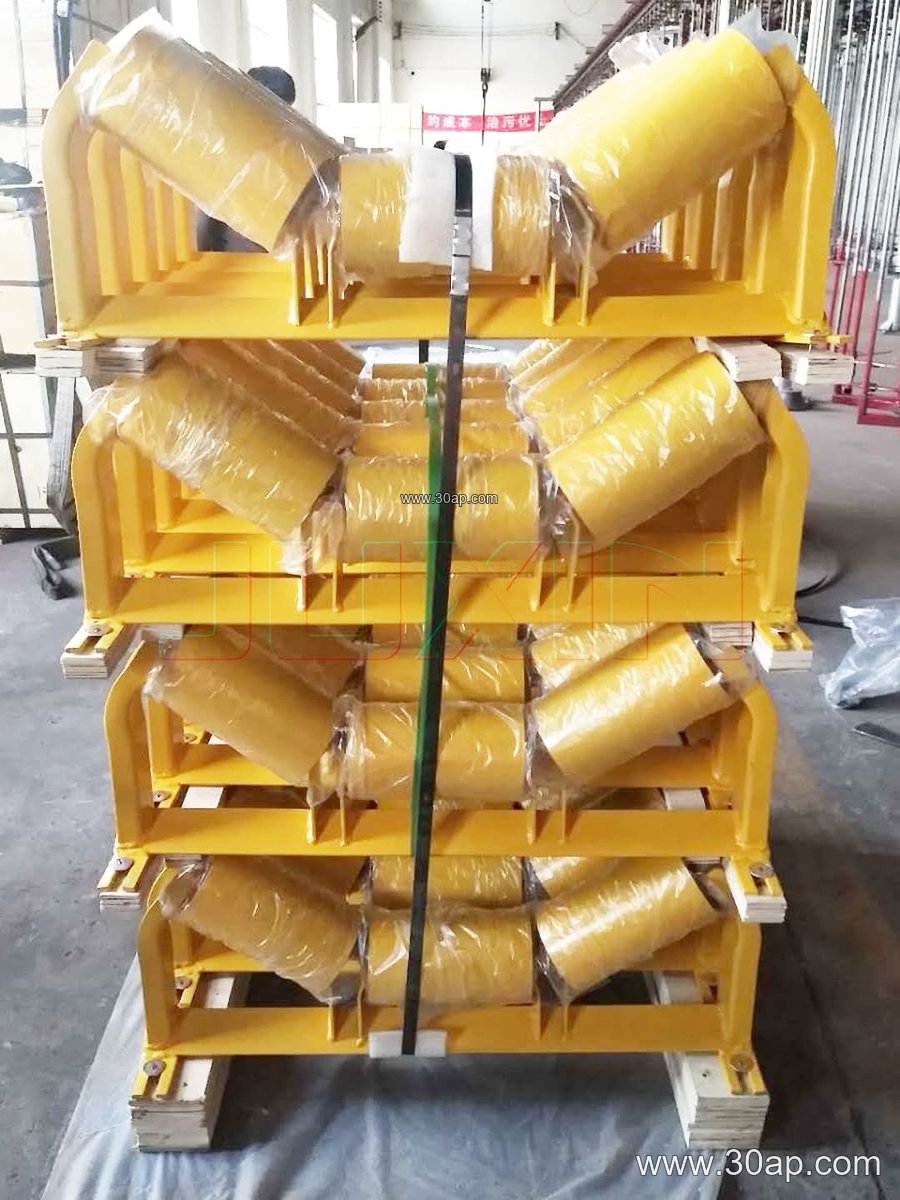
Most heavy-duty brackets are fabricated from angle steel, channel steel, or folded steel plate. The material thickness and welding quality determine load capacity. Common surface treatments include painting or galvanizing for corrosion resistance. A well-built bracket should resist bending under continuous load and maintain roller spacing. The bracket design also affects how easily idlers can be replaced during maintenance.
Common Types and Configurations
Brackets are available in several forms to match different conveyor sections and belt widths. The table below shows typical configurations—actual dimensions depend on the conveyor design and are not fixed pairings.
| Type | Typical Belt Width (B) | Trough Angle | Roller Diameter (Ø) |
|---|---|---|---|
| Troughing bracket | B500–B2200 | 20°, 30°, 35°, 45° | Ø89–Ø194 |
| Return bracket | B500–B2200 | — | Ø89–Ø194 |
| Impact bracket | B650–B1800 | 30°, 35° | Ø108–Ø159 |
| Self-aligning bracket | B800–B1600 | 30°, 35° | Ø108–Ø133 |
| Adjustable bracket | B650–B1400 | 20°–45° adjustable | Ø89–Ø133 |
Note that belt width does not dictate a single trough angle or roller diameter; these are selected based on material characteristics and conveyor capacity.
Where These Brackets Are Used
Heavy-duty steel conveyor brackets are common in coal washing plants and power plant coal handling systems. They support idler rollers that carry a flame retardant conveyor belt in underground mining or a heat resistant conveyor belt in cement kiln feed lines. In sand and gravel plants, they work with a chevron conveyor belt on inclined sections. The bracket must match the conveyor’s load profile and environmental conditions.
Selection and Maintenance Tips
- Confirm the bracket type matches the idler station: troughing, return, impact, or self-aligning.
- Check that the bracket’s trough angle and roller diameter suit the belt width and material load.
- For dusty or wet conditions, consider galvanized or painted finishes.
- Inspect welds and bolt holes periodically for wear or deformation.
- Keep spare brackets on hand to minimize downtime during idler replacement.
Properly chosen brackets extend the life of idler rollers and help maintain belt tracking. For systems using a steel cord conveyor belt or heavy-duty fabric belts, bracket rigidity is especially important to prevent roller misalignment. Buyers should request dimensional drawings and material certificates when available, and verify that mounting hole spacing fits their existing conveyor frame.
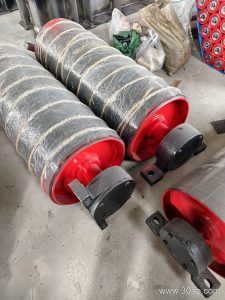
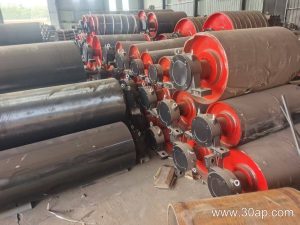
Related equipment such as conveyor pulleys and conveyor brackets should be specified together to ensure compatibility. Whether the application is a quarry, a coal mine, or a cement plant, the heavy-duty steel conveyor bracket remains a critical but often overlooked component for reliable operation.