What Is a PVC Mining Conveyor Belt
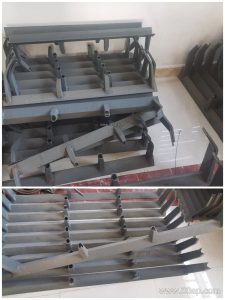
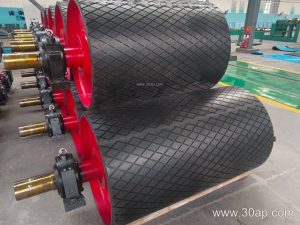
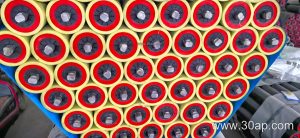
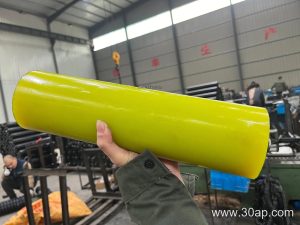
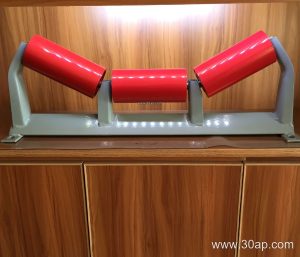
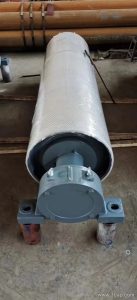
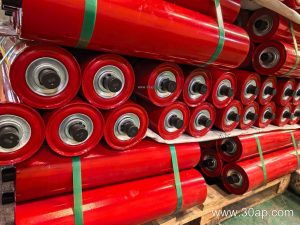
A PVC Mining Conveyor Belt is a solid-woven fabric belt with polyvinyl chloride covers, designed for hauling bulk materials in mines, quarries, cement works, power stations, and sand and gravel plants. Unlike multi-ply rubber belts, the PVC Mining Conveyor Belt uses a single-ply or multi-ply woven carcass impregnated and coated with PVC, giving it a lighter weight and good resistance to moisture and many chemicals. It is often chosen for underground coal mining conveyors where flame retardancy and anti-static properties are required. The belt runs over conveyor pulleys, idler rollers, and conveyor brackets, forming a continuous loop that carries coal, ore, aggregate, or cement clinker.
Construction and Key Components
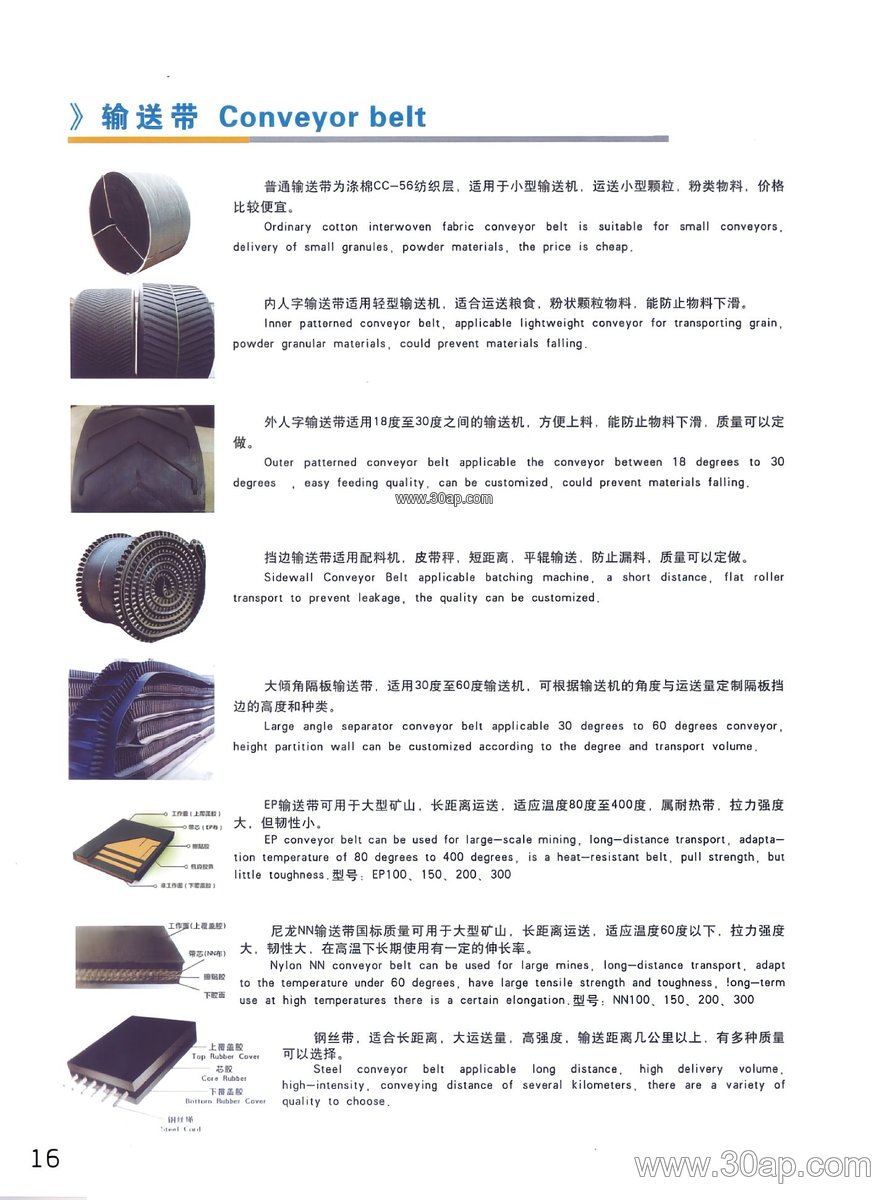
The carcass of a PVC Mining Conveyor Belt is typically a solid-woven fabric made from polyester or nylon yarns. The fabric is dipped in PVC paste, then covered with PVC top and bottom covers. Common cover thicknesses for this belt type are around 1.5 mm to 3 mm per side, depending on the duty. The belt edges are usually sealed to prevent fraying. Because the PVC cover is relatively smooth, it sheds wet material well and is easy to clean. The belt is joined either by vulcanized splicing or by mechanical fasteners, and for permanent installations an endless conveyor belt can be supplied with a factory-made joint. In comparison, a rubber conveyor belt or an EP conveyor belt uses rubber covers and a multi-ply fabric core, which suits different wear and heat conditions.
Where It Is Used
Typical applications include:
- Underground coal mining conveyor systems where flame retardant and anti-static belts are specified.
- Surface mining and quarry conveyor lines handling crushed stone, gravel, and sand.
- Cement plants moving limestone, clinker, and cement.
- Power plants feeding coal from stockpile to boiler.
- Sand and gravel plants and stone crushing lines.
The PVC Mining Conveyor Belt is popular in these industries because it resists moisture, does not rot, and offers a good strength-to-weight ratio. It also performs well in moderate abrasion conditions. For very high impact or heavy-duty mining conveyor belt duties, a steel cord conveyor belt or a thick rubber belt may be more suitable, but the PVC belt remains a cost-effective option for many medium-duty lines.
Available Specifications and Sizes
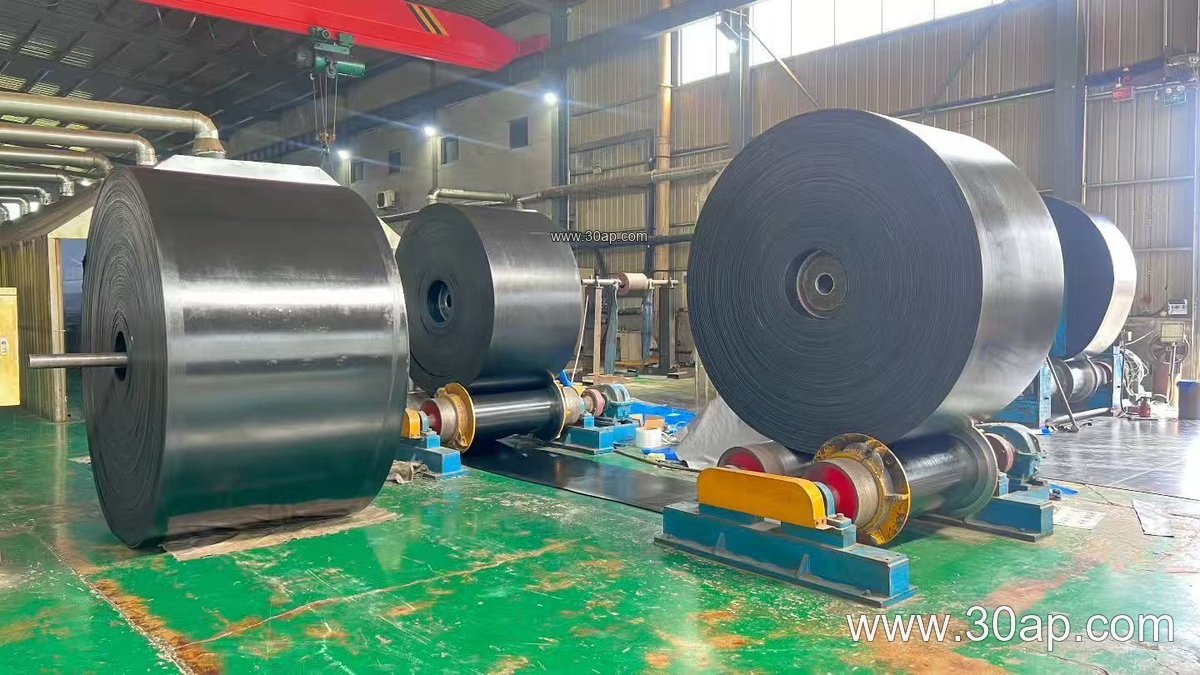
PVC Mining Conveyor Belts come in a range of widths and strength grades. The table below shows common reference values; actual supply depends on the manufacturer and the design of the conveyor.
| Parameter | Common Range |
|---|---|
| Belt width | 500 mm, 650 mm, 800 mm, 1000 mm, 1200 mm, 1400 mm, 1600 mm, 1800 mm, 2000 mm |
| Tensile strength (reference) | PVC 800S, PVG 800S, and similar grades; other grades available |
| Cover thickness | 1.5 mm to 3 mm per side (typical) |
| Number of plies | 2 to 4 plies (solid-woven) |
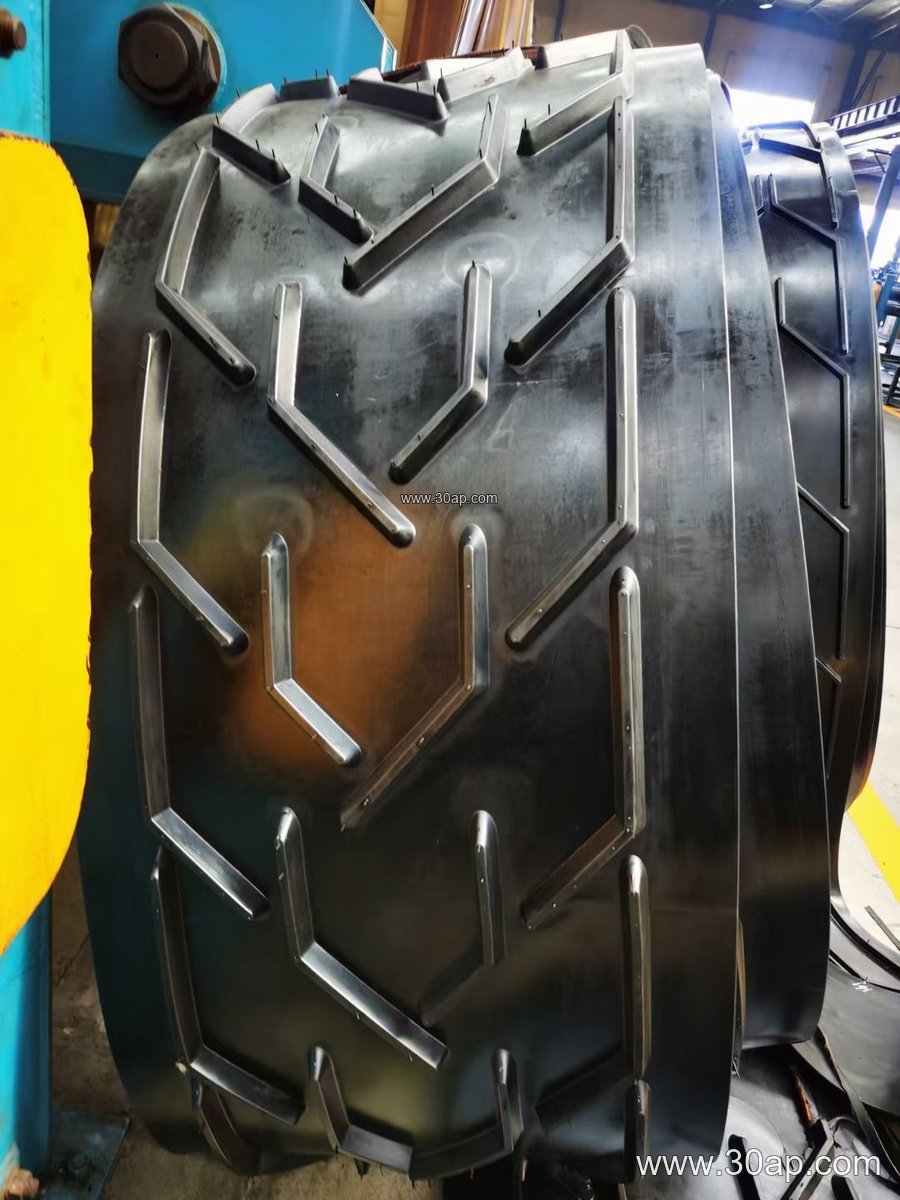
| Top cover surface | Smooth or with chevron pattern for inclined conveying |
When selecting a belt, the width must match the conveyor frame and pulley face. A 1000 mm wide belt would run on a conveyor pulley of appropriate face width, but the pulley diameter is determined by the belt thickness and tension, not by width alone. Similarly, idler roller spacing and trough angle affect belt life. The belt width should not be confused with the pulley diameter; both are separate design choices.
Buyer Selection Notes
Before ordering a PVC Mining Conveyor Belt, confirm the material to be conveyed, lump size, moisture content, and operating temperature. Check whether flame retardant and anti-static properties are needed for underground mining. For inclined sections, a chevron conveyor belt or a corrugated sidewall conveyor belt may be considered, but these are different belt types and should not replace the PVC belt unless the application demands it. Also review the conveyor pulleys, idler rollers, and conveyor brackets for compatibility. For long overland or high-tension systems, an EP conveyor belt or steel cord belt might be a better fit, while the PVC Mining Conveyor Belt excels in medium-duty, moisture-rich, or underground coal applications. Always request the manufacturer’s data sheet for the exact grade and cover thickness before finalizing the order.